
What Is Food Storage Safety
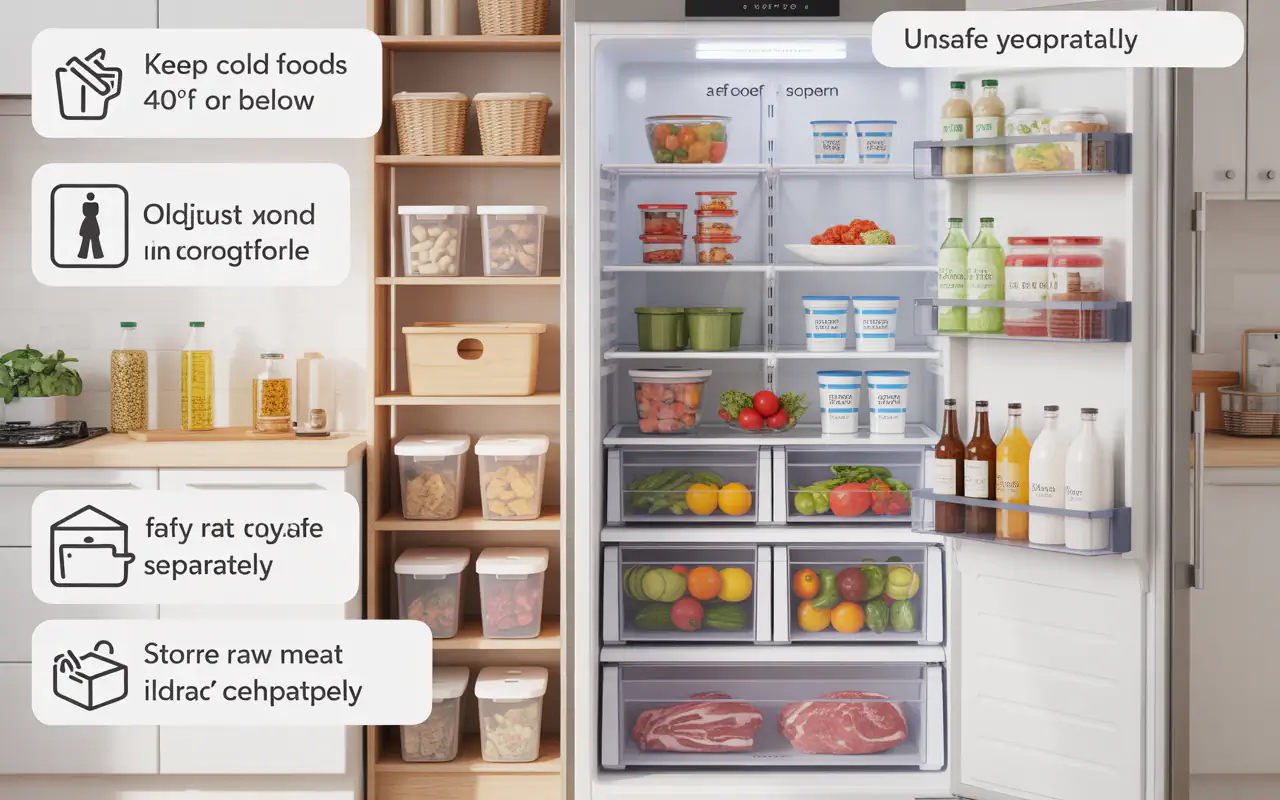
Find out what food storage safety means for your home kitchen. Food storage safety covers proper temperatures, clean containers, and handling methods to stop germs and keep meals fresh longer.
Have you ever opened your fridge and found something fuzzy that used to be dinner? Or smelled a strange odor from a container you forgot about? You are not alone. Many of us worry about whether our food is still good to eat. That is why learning about food storage safety matters for every home cook.
Food storage safety means keeping your food in ways that stop bacteria, mold, and other germs from growing. It also means using the right containers, keeping the correct temperatures, and knowing when to throw food away. When you follow good storage rules, you protect your family from food poisoning. You also waste less food and save money.
This guide will show you simple steps to store food the right way. You do not need special training or expensive tools. Just a few good habits can make a big difference. Let us start with the basic question.
What Does Food Storage Safety Mean?
At its simplest, food storage safety is the set of rules that help you keep food safe from the time you buy it until you eat it. This includes how you pack food, where you put it in your fridge or pantry, and how long you keep it before cooking or eating.
Think of your kitchen as a home for your food. Each type of food needs a different kind of care. Raw meat likes very cold places. Dry pasta likes cool, dark spaces. Leftover soup needs a tight lid and a spot in the fridge. When you mix up these needs, germs can grow fast.
“Food safety involves everybody in the food chain.” – Mike Johanns
When you understand food storage safety, you learn to think like a food scientist. You check temperatures. You look for signs of spoilage. You keep raw foods away from ready-to-eat foods. These small acts stop harmful bacteria like Salmonella and E. coli from spreading.
Why Is Food Storage Safety Important?
Every year, many people get sick from food they ate at home. The germs did not come from a restaurant or a factory. They grew inside someone’s fridge or on a counter because food was not stored well.
Here are the main reasons to care about food storage safety:
- Prevents food poisoning – Bad storage allows bacteria to double every 20 minutes. That is a lot of germs by morning.
- Saves money – When you store food correctly, it lasts longer. You throw away less and buy less often.
- Keeps food tasty – Proper storage stops freezer burn, sogginess, and bad smells.
- Protects vulnerable people – Young kids, older adults, pregnant women, and sick people can get very ill from food germs. Good storage keeps them safe.
The Main Risks of Poor Food Storage
When you ignore food storage safety, several problems can happen. The most common risks include:
- Cross contamination – Juices from raw chicken drip onto salad greens. Now the salad has chicken germs.
- Temperature danger zone – Food sitting between 40°F (4°C) and 140°F (60°C) for more than two hours grows dangerous bacteria.
- Moisture problems – Wet conditions make mold grow. Dry conditions make some foods stale.
- Pest attraction – Open bags and spills invite ants, roaches, and mice.
Basic Rules for Safe Food Storage
You can follow a few simple rules to master food storage safety at home. These rules work for any kitchen, big or small.
Temperature Control
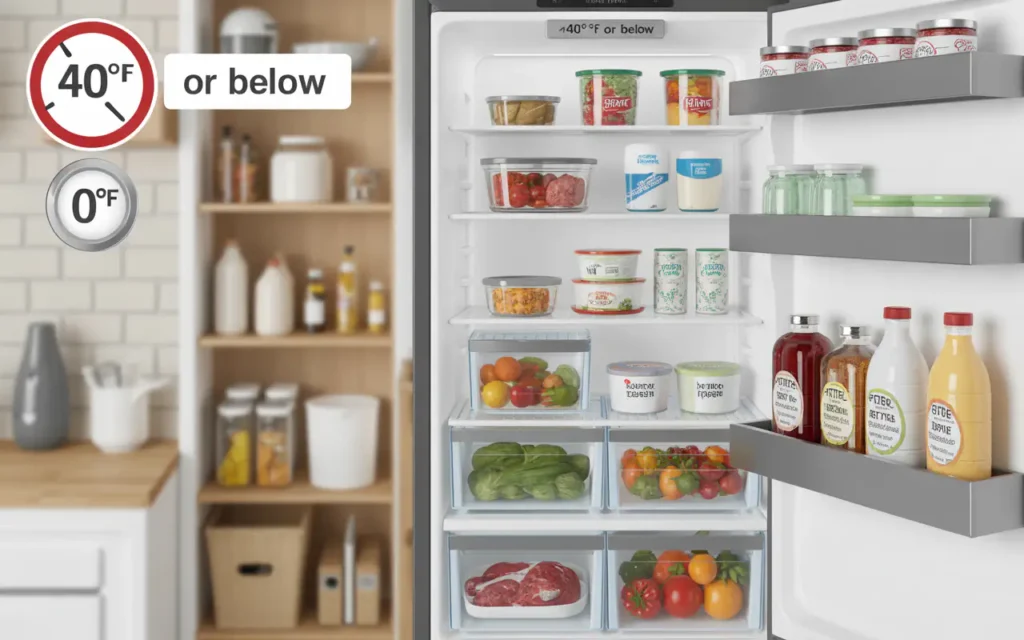
Cold food must stay cold. Hot food must stay hot. Your fridge should be at or below 40°F (4°C). Your freezer should be at 0°F (-18°C) or lower. Get a simple fridge thermometer if your fridge does not show the temperature.
Put perishable foods in the fridge within two hours of buying or cooking. If the room is very hot (above 90°F or 32°C), do it within one hour.
“Keep refrigerators at 40°F (4°C) or below.” – FDA
Use the Right Containers
Not every container works for every food. Glass jars with tight lids are great for leftovers. Plastic containers marked “food safe” work well for dry goods. Avoid using old margarine tubs or takeout boxes for long term storage. They do not seal well and can leach chemicals.
For freezing, use bags or containers made for freezer use. Regular bags get brittle and let in air, causing freezer burn.
Keep Dry Foods Safe
Dry foods like flour, rice, pasta, and cereal need cool, dark, and dry spots. Keep them off the floor. Use sealed containers to keep out bugs and moisture. Once you open a package, transfer the rest to a tight jar or bin.
Table 1: Fridge vs Freezer Storage Times for Common Foods
| Food Item | Fridge (40°F / 4°C) | Freezer (0°F / -18°C) |
|---|---|---|
| Raw ground meat | 1 to 2 days | 3 to 4 months |
| Raw chicken parts | 1 to 2 days | 9 months |
| Cooked leftovers | 3 to 4 days | 2 to 6 months |
| Hard cheese | 6 months unopened | 6 months |
| Eggs (in shell) | 3 to 5 weeks | Do not freeze in shell |
| Cooked soup or stew | 3 to 4 days | 2 to 3 months |
How Long Can You Store Different Foods?
Knowing how long food stays safe is a big part of food storage safety. Many people keep food too long because they think freezing stops time. Freezing slows bacteria but does not kill them. After many months, food can still spoil or taste bad.
Use these guidelines for dry pantry goods:
Table 2: Pantry Storage Times for Dry Foods
| Food | Pantry (cool, dark) | After Opening |
|---|---|---|
| White rice | 2 years | Use within 1 year |
| Brown rice | 6 months | 6 months |
| All purpose flour | 1 year | 6 to 8 months |
| Pasta (dry) | 2 years | 1 year |
| Oats | 2 years | 1 year |
| Canned goods (low acid) | 2 to 5 years | Transfer leftovers to a container |
Always check the “best by” or “use by” dates on packages. These dates are about quality, not safety. But when food is very old, the risk grows.
Signs Your Stored Food Has Gone Bad
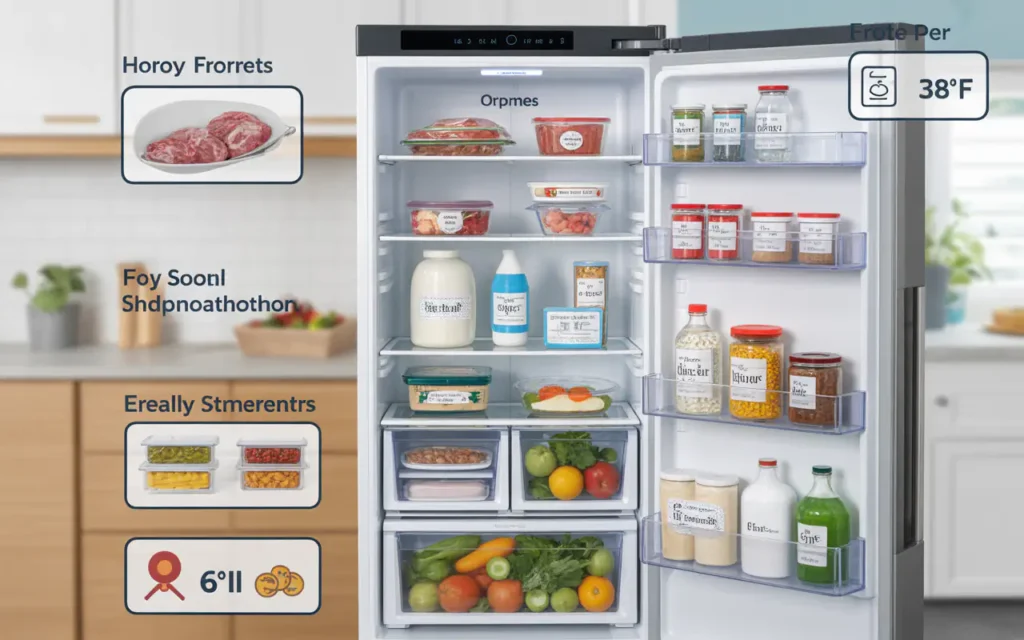
You do not need a lab test to know if food is unsafe. Your senses can tell you most of the time. Look for these signs:
Smell – Sour, rancid, or “off” odors mean trouble. Fresh food should smell pleasant or have no smell at all.
Sight – Mold is fuzzy and comes in colors like green, white, black, or pink. Do not just cut off the moldy part. On soft foods like bread, cheese spread, or yogurt, mold roots go deep. Throw the whole thing away. On hard cheese, you can cut off one inch around the mold.
Texture – Slimy meat or fish is bad. Sticky or mushy vegetables are spoiling.
Taste – Never taste food to see if it is safe. If you have other signs of spoilage, do not put it in your mouth.
“When in doubt, throw it out.” – USDA Food Safety Saying
Common Mistakes in Food Storage Safety
Even careful cooks make errors. Here are the most frequent mistakes people make with food storage safety:
Putting hot food straight into the fridge – Large pots of hot food can warm up the whole fridge. Cool food first by placing the pot in an ice water bath or dividing it into shallow containers.
Storing eggs on the fridge door – The door is the warmest part of the fridge. Keep eggs on a shelf inside.
Leaving produce in plastic bags – Fruits and vegetables need air to stay fresh. Take them out of tight bags or poke holes in the bags.
Overpacking the fridge – Cold air must circulate. When your fridge is too full, some spots stay warm.
Not labeling leftovers – Write the date on the container. If you do not know when you made it, you might keep it too long.
“The danger zone for food is between 40°F and 140°F.” – USDA Food Safety
Frequently Asked Questions
Q1: Can I store raw meat next to cooked food in the fridge?
No. Raw meat can drip juices onto cooked food. Always put raw meat on the bottom shelf. Keep cooked food on higher shelves.
Q2: How long can food sit out at room temperature?
Two hours total. If the room is above 90°F (32°C), only one hour. After that, bacteria grow fast. Throw away any food left out longer.
Q3: Is it safe to store food in the original can after opening?
No. Once you open a can, transfer the food to a glass or plastic container with a lid. The open can reacts with air and can give food a metallic taste. It also dries out.
Q4: Does freezing kill bacteria?
No. Freezing stops bacteria from growing, but it does not kill them. When you thaw the food, bacteria can wake up and multiply. Always cook frozen food to the right temperature.
Q5: What is the best way to thaw frozen food safely?
Three safe ways: in the fridge overnight, under cold running water, or in the microwave if you cook it right away. Never thaw food on the counter at room temperature.
Q6: How do I know if canned food is unsafe?
Look for bulging ends, leaks, rust that goes through the metal, or bad smells when you open it. Never eat from a can that sprays liquid when opened. That could be a sign of botulism, which is very dangerous.
Q7: Can I reuse plastic bags that held raw meat?
No. Throw them away. Raw meat juices can leave germs even after washing. Use fresh bags each time.
Q8: What temperature should my fridge be for best food storage safety?
40°F (4°C) or lower. Your freezer should be 0°F (-18°C) or lower. Check with an appliance thermometer twice a year.
Conclusion
Food storage safety is not hard to learn. It just takes a few simple habits. Keep your fridge cold enough. Use clean, tight containers. Know how long food stays fresh. Look and smell for signs of spoilage. When you are not sure, throw the food away.
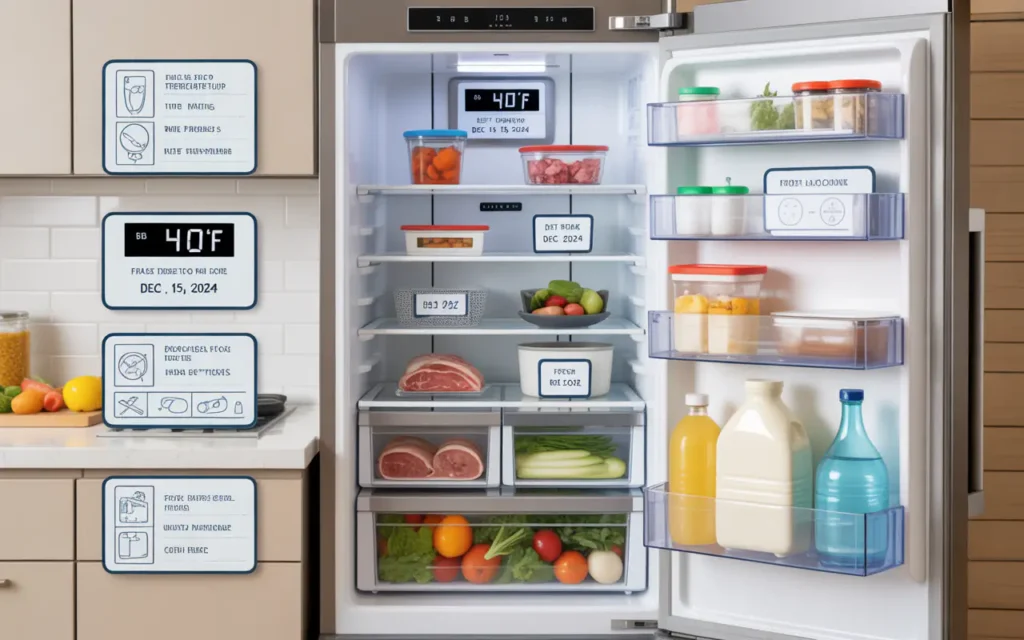
These steps protect you and your family from food poisoning. They also help you waste less food and spend less money at the store. Start with one change today. Check your fridge temperature. Label your leftovers. Move raw meat to the bottom shelf. Small actions add up to big safety wins.
Remember that safe food is happy food. You worked hard to buy and cook it. Give it the right home in your kitchen. Your stomach will thank you.
Proper food storage is the first defense against foodborne illness.” – Dr. Robert Tauxe
Take a few minutes this week to look through your fridge and pantry. Throw away anything that looks or smells wrong. Wipe down the shelves. Put everything back in the right spots. You will feel good knowing your kitchen follows the best rules for food storage safety.
Related posts
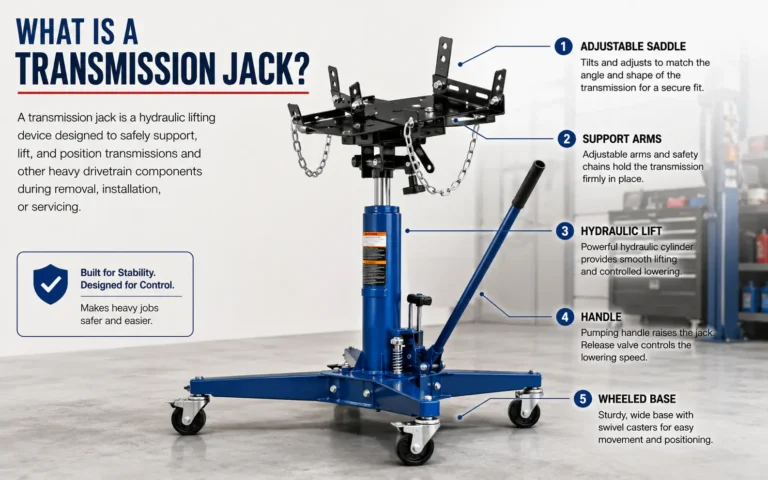 What is a Transmission Jack? Purpose, Types, and Use Explained
Learn what is a transmission jack , its purpose in automotive repair, and the different types available. Essential for safely removing and installing vehicle transmissions. A…
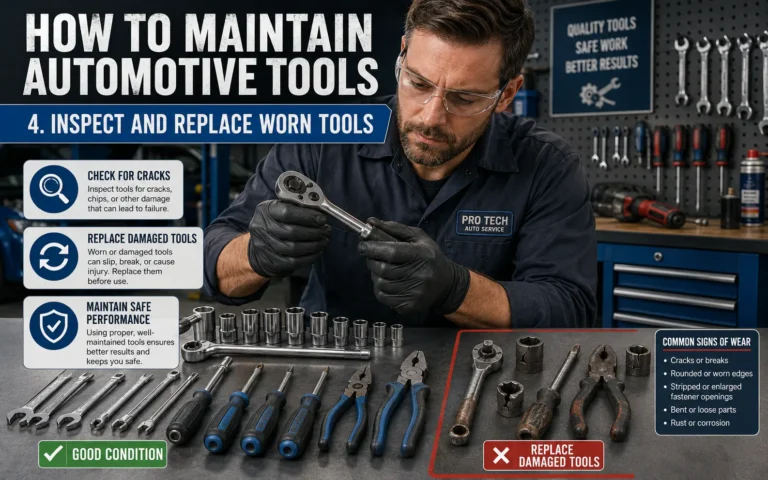 How to Maintain Automotive Tools for Longevity and Performance
Learn how to maintain automotive tools. Discover essential steps for cleaning, rust prevention, proper storage, and inspection to extend their lifespan. Maintaining your automotive tools is…
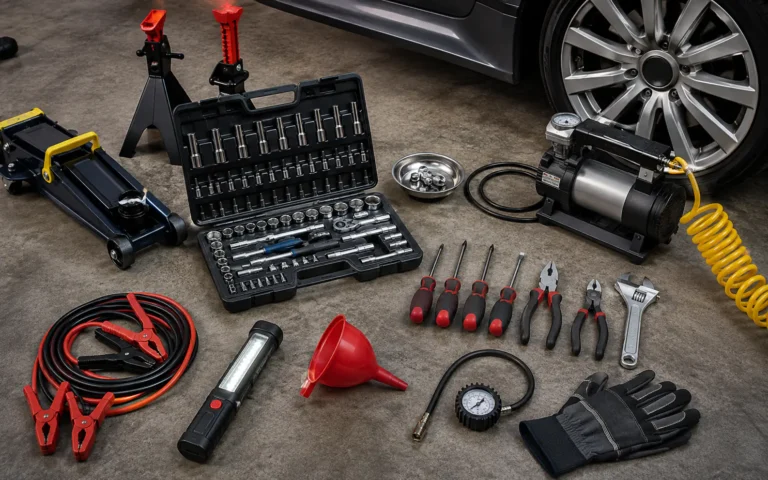 Must-Have Tools for Car Maintenance: Your Essential Toolkit
Discover must-have tools for car maintenance owner needs for routine maintenance and minor repairs. Build your car maintenance toolkit for confidence and savings. To effectively maintain…