
Can Senior Dogs Eat Puppy Food
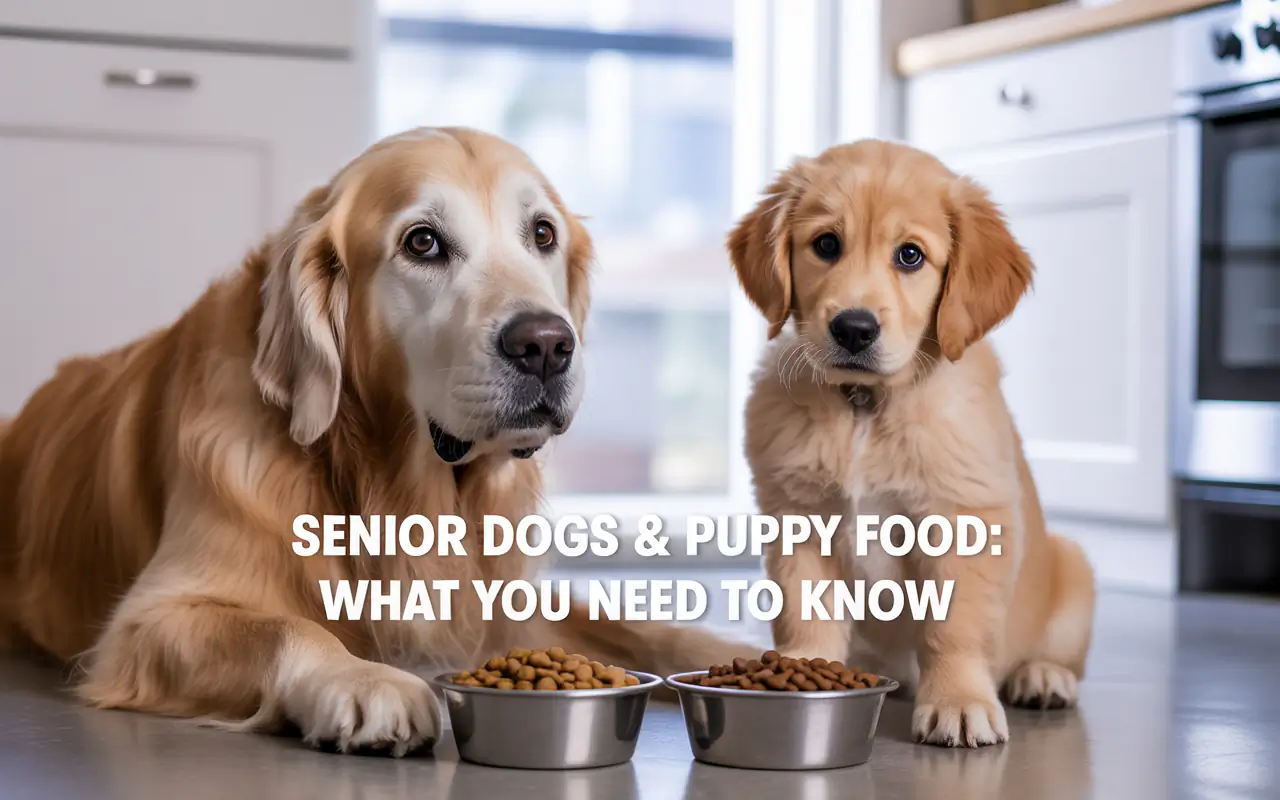
Many owners wonder can senior dogs eat puppy food safely. The short answer is no for regular feeding. Puppy food has too much fat and protein for older dogs, which can cause weight gain and kidney stress. Learn why senior formulas are better for your old friend.
When you have a sweet old dog at home and a new puppy running around, meal times can get confusing. You might catch your senior dog sneaking a bite from the puppy bowl. Or maybe you ran out of senior food and are wondering if puppy food will work for a day or two. This is a common question among pet owners: can senior dogs eat puppy food?
The honest answer is that puppy food is not made for older dogs. Their bodies need different things. Feeding puppy food to a senior dog on a regular basis can lead to health problems. But there are rare cases where a vet might say yes for a short time. Let me walk you through everything you need to know to keep your old furry friend healthy and happy.
I have cared for dogs for over 20 years, and I have made feeding mistakes myself. My old Labrador, Max, once ate half a bowl of puppy food before I could stop him. He was fine that one time, but I learned quickly that puppy food and senior dogs do not mix well for daily meals. Let us get into the details.
What Is Puppy Food Made For?
Puppy food is specially designed for growing bodies. Puppies need lots of energy to grow bones, muscles, and brains. That is why puppy food has higher amounts of protein, fat, and certain minerals like calcium and phosphorus.
A typical puppy food formula contains about 28% to 32% protein and 15% to 20% fat. Compare that to senior dog food, which usually has 18% to 25% protein and 8% to 12% fat. The difference is big.
Puppy food also has DHA, an omega-3 fatty acid that helps brain development in young dogs. Senior dogs do not need that extra DHA. They need other nutrients like glucosamine for joint health and lower calories to prevent obesity.
Here is a simple table to show the key differences:
| Nutrient | Puppy Food (average) | Senior Dog Food (average) |
|---|---|---|
| Protein | 28-32% | 18-25% |
| Fat | 15-20% | 8-12% |
| Calories per cup | 450-550 | 320-400 |
| Calcium | 1.2-1.8% | 0.5-0.8% |
| Phosphorus | 1.0-1.5% | 0.4-0.7% |
As you can see, puppy food packs a much stronger punch. That is great for a puppy who is running and jumping all day. But for a senior dog who sleeps 16 hours a day, those extra calories and nutrients can cause trouble.
What Happens If a Senior Dog Eats Puppy Food?
If your old dog eats puppy food once by accident, do not panic. A single meal will not cause serious harm. But if you keep feeding puppy food to your senior dog for weeks or months, problems can show up. Here are the main risks.
Weight Gain and Obesity
Senior dogs have slower metabolisms. They do not burn calories as fast as young dogs or puppies. Puppy food has many more calories. Feeding just one cup of puppy food to a senior dog can add 100 to 150 extra calories compared to senior food. Over a week, that means your dog could gain half a pound. Over a month, two pounds. For a small senior dog, that is a big deal.
Extra weight puts stress on old joints. It makes arthritis worse. It can also lead to diabetes and heart problems.
Kidney Stress
Senior dogs often have kidneys that work less efficiently than before. Puppy food has high levels of protein and phosphorus. Too much phosphorus is hard on aging kidneys. If your dog already has early kidney disease, puppy food can speed up the damage.
Dr. Karen Becker, a holistic veterinarian, says: “Feeding a high-protein, high-phosphorus diet to a senior dog with reduced kidney function is like asking a tired horse to pull a heavy cart. It will wear them out much faster.”
Pancreatitis Risk
Puppy food is very high in fat. High fat meals can trigger pancreatitis in older dogs. Pancreatitis is an inflammation of the pancreas. It causes vomiting, belly pain, and loss of appetite. Some dogs need to stay in the hospital for days to recover. Small senior dogs like dachshunds and miniature poodles are especially at risk.
Joint and Bone Problems
Too much calcium and phosphorus from puppy food can cause issues in older dogs. While these minerals help puppies build strong bones, senior dogs do not need that much. Excess calcium can lead to bladder stones or bone spurs in some dogs.
When Might a Senior Dog Need Puppy Food?
You might wonder if there is ever a good reason to ask can senior dogs eat puppy food and get a yes answer. In very rare cases, a vet might recommend puppy food for a senior dog. But this is only for short term use and under close supervision.
Underweight Senior Dogs
Some older dogs lose weight because of illness, dental problems, or cancer. If a senior dog is dangerously thin, a vet may suggest high calorie food to help them gain weight. Puppy food is calorie dense, so it can work for this purpose. But a vet might also recommend a prescription high calorie diet instead.
Dogs With Malabsorption Issues
Some senior dogs cannot absorb nutrients from normal food because of problems in their intestines. In these cases, the easily digestible ingredients in some puppy foods may help. But again, this is a vet’s decision, not something you should try on your own.
Recovery From Surgery or Illness
After a major surgery, a senior dog needs extra protein to heal tissues and build new cells. A vet might approve puppy food for two to four weeks during recovery. Once the dog is better, you should switch back to senior food.
Dr. Andy Roark, a well known vet, explains: “There are moments when breaking the rules makes sense. A senior dog fighting cancer or recovering from major surgery may benefit from the extra protein in puppy food. But this is medicine, not a lifestyle. Do it only with your vet’s guidance.”
When Puppy Food Is Safe vs Unsafe for Senior Dogs
| Situation | Can senior dogs eat puppy food? | How much? |
|---|---|---|
| One time accident | Yes, usually fine | A single meal |
| Regular daily feeding | No, not safe | Zero |
| Underweight senior with vet approval | Yes, short term | As prescribed |
| Senior with kidney disease | No, dangerous | Zero |
| Senior with pancreatitis history | No, high risk | Zero |
| Recovery from surgery with vet OK | Yes, temporary | 2-4 weeks only |
Can Senior Dogs Eat Puppy Food in Small Amounts as a Treat?
Some owners ask if they can mix a little puppy food into senior food just to make it more tasty. Or use puppy food as a treat for training. The answer is no for most senior dogs. Here is why.
Even a small amount of puppy food adds extra calories and fat. For a 15 pound senior dog, just ten pieces of puppy kibble can add 30 to 40 calories. That is like a human eating an extra cookie every day. Over time, that leads to weight gain.
Also, switching foods or mixing foods can upset a senior dog’s stomach. Older dogs often have sensitive digestion. Sudden changes can cause diarrhea or vomiting.
If you want to give your senior dog a special treat, use small pieces of senior formula kibble, plain cooked chicken, or green beans. These are much safer options.
Dr. Ernie Ward, founder of the Association for Pet Obesity Prevention, says: “I tell my clients to treat their senior dogs like they treat their aging grandparents. You would not feed a 75 year old person a high sugar energy drink meant for a teenager. The same logic applies to puppy food for old dogs.”
Better Alternatives to Puppy Food for Senior Dogs
Instead of wondering can senior dogs eat puppy food, focus on finding the best food actually made for their age group. Here are the types of food that work well for senior dogs.
Senior Specific Formulas
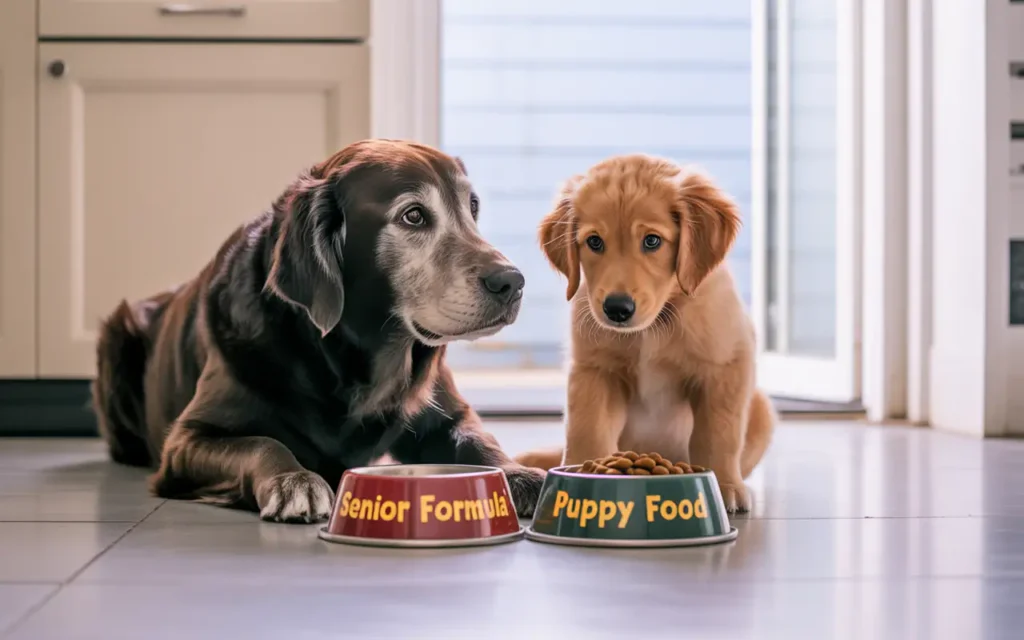
Most pet food brands make a senior line. These foods have fewer calories, less fat, and added joint support like glucosamine and chondroitin. They also have balanced phosphorus levels to protect kidneys. Look for a statement from the Association of American Feed Control Officials (AAFCO) that says the food is for adult maintenance or senior dogs.
Weight Management Food
If your senior dog is already overweight, a weight management formula is a good choice. These foods have even fewer calories and more fiber to help your dog feel full. Some brands call this “light” or “healthy weight” food.
Prescription Diets
For senior dogs with specific health problems like kidney disease, diabetes, or arthritis, your vet may prescribe a special diet. These foods are more expensive, but they can add years to your dog’s life. Never switch to a prescription diet without a vet’s advice.
Fresh or Home Cooked Food
Some owners prefer to cook for their senior dogs. This can be a great option if you work with a veterinary nutritionist to make sure the meals are balanced. Common ingredients include lean meats like chicken or turkey, cooked sweet potatoes, green beans, and a little rice. Avoid onions, garlic, grapes, and raisins, which are toxic to dogs.
How to Transition a Senior Dog to Proper Food
If you have been feeding puppy food to your senior dog and now want to switch, do it slowly. A sudden change can cause stomach upset.
Here is a simple 7 day plan:
- Days 1 to 2: Mix 25% new senior food with 75% old puppy food.
- Days 3 to 4: Mix 50% new food with 50% old food.
- Days 5 to 6: Mix 75% new food with 25% old food.
- Day 7: Serve 100% new senior food.
Watch for signs of digestive trouble like loose stool or vomiting. If you see these, slow down the transition. Go back to the previous step for a few more days.
Make sure your senior dog always has fresh water available. Older dogs can get dehydrated more easily than young dogs.
Frequently Asked Questions
Can senior dogs eat puppy food just for one day?
Yes, if you run out of senior food and need to feed puppy food for one day, your dog will probably be fine. But try not to make it a habit. One day of high calorie food will not cause lasting harm. Just go back to senior food as soon as you can.
What if my senior dog refuses to eat senior food?
Some senior dogs get picky. They may lose their sense of smell or have dental pain. Try warming up the senior food with a little warm water. This releases the smell. You can also add a spoonful of plain canned pumpkin (not pie filling) or a few pieces of cooked chicken. Never add puppy food to entice them, as that teaches them to hold out for the richer food.
Can senior dogs eat puppy food if they are very active?
Even active senior dogs have lower energy needs than puppies. A senior dog who still hikes or plays fetch needs about 20% to 30% fewer calories than an adult dog. Puppy food would still be too rich. Instead, feed a high quality senior formula and increase the portion size slightly if needed.
How do I know if my senior dog has eaten too much puppy food?
Signs of trouble include vomiting, diarrhea, lethargy, drinking more water than usual, or a bloated belly. If you see these signs after your dog ate puppy food, call your vet. Also watch for signs of pancreatitis: hunched back, belly pain when touched, fever, or refusing to eat.
Can a senior puppy eat senior food?
This is a different question. A senior puppy is not a real term. Puppies are puppies until about 12 months old (or 24 months for large breeds). Do not feed puppy food to a senior dog, and do not feed senior food to a puppy. Puppies need the extra nutrients in puppy food to grow correctly.
Conclusion
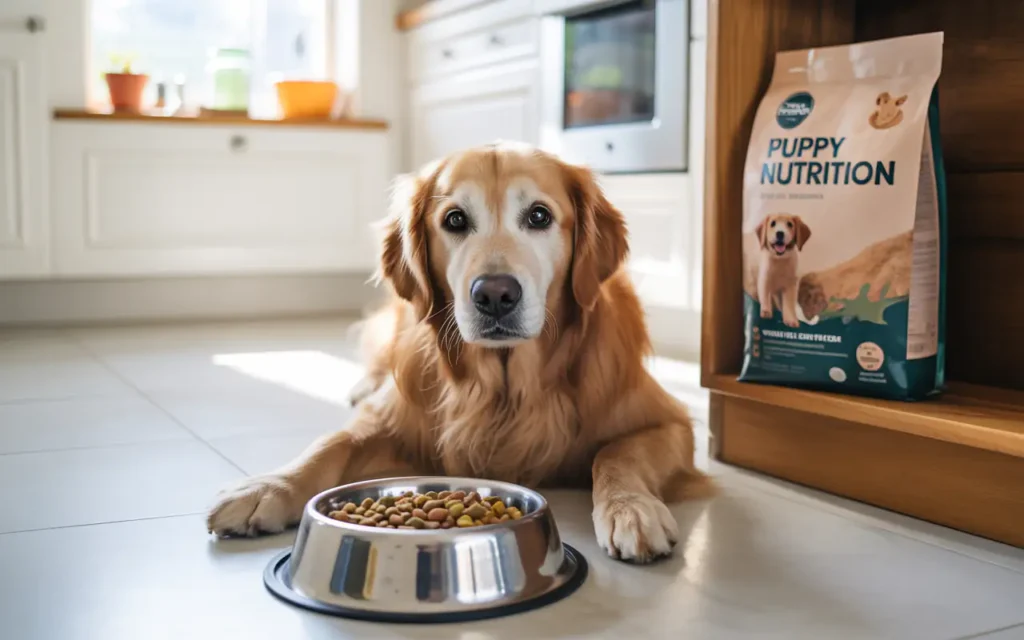
So let me give you a clear and simple answer to the question can senior dogs eat puppy food. For regular daily feeding, the answer is no. Puppy food has too many calories, too much fat, and too much protein for an older dog’s body. It can cause weight gain, kidney stress, and pancreatitis.
There are rare exceptions. A very thin senior dog or one recovering from surgery might get a temporary green light from a vet to eat puppy food. But this is a medical decision, not a regular choice.
If your senior dog sneaks a bite of puppy food by accident, do not worry. One small snack will not hurt them. Just go back to their regular senior food at the next meal.
Your old dog has given you years of love and loyalty. The best way to return that gift is to feed them food that matches their age and health needs. Senior dog food is made for their slower pace, their aching joints, and their quieter days. Choose that instead of puppy food, and your faithful friend will thank you with more happy, healthy years by your side.
Dr. Julie Buzby, integrative veterinarian, sums it up well: “The right food at the right life stage adds quality time to your dog’s life. Feeding puppy food to a senior dog is like putting race car fuel in a farm tractor. It just does not work.”
Keep loving your senior dog. Keep feeding them wisely. And if you are ever unsure, ask your vet. That is the best gift you can give.
Related posts
 Buy Dog Toys Online: Top 2026 Picks for Every Play Style
Looking to buy dog toys online? Explore our 2026 guide to the best durable chews, interactive balls, and plush favorites to keep your pup happy and…
 Buy Dog Food Online: Top 2026 Selections for Every Breed
Looking to buy dog food online? Explore our top 2026 recommendations for dry and wet formulas tailored to different breed sizes, sensitivities, and nutritional needs. Choosing…
 Buy a Dog Harness Online in 2026
Looking to buy a dog harness online? Explore our 2026 guide to finding the right fit, style, and control features for your dog's daily walks. Finding…