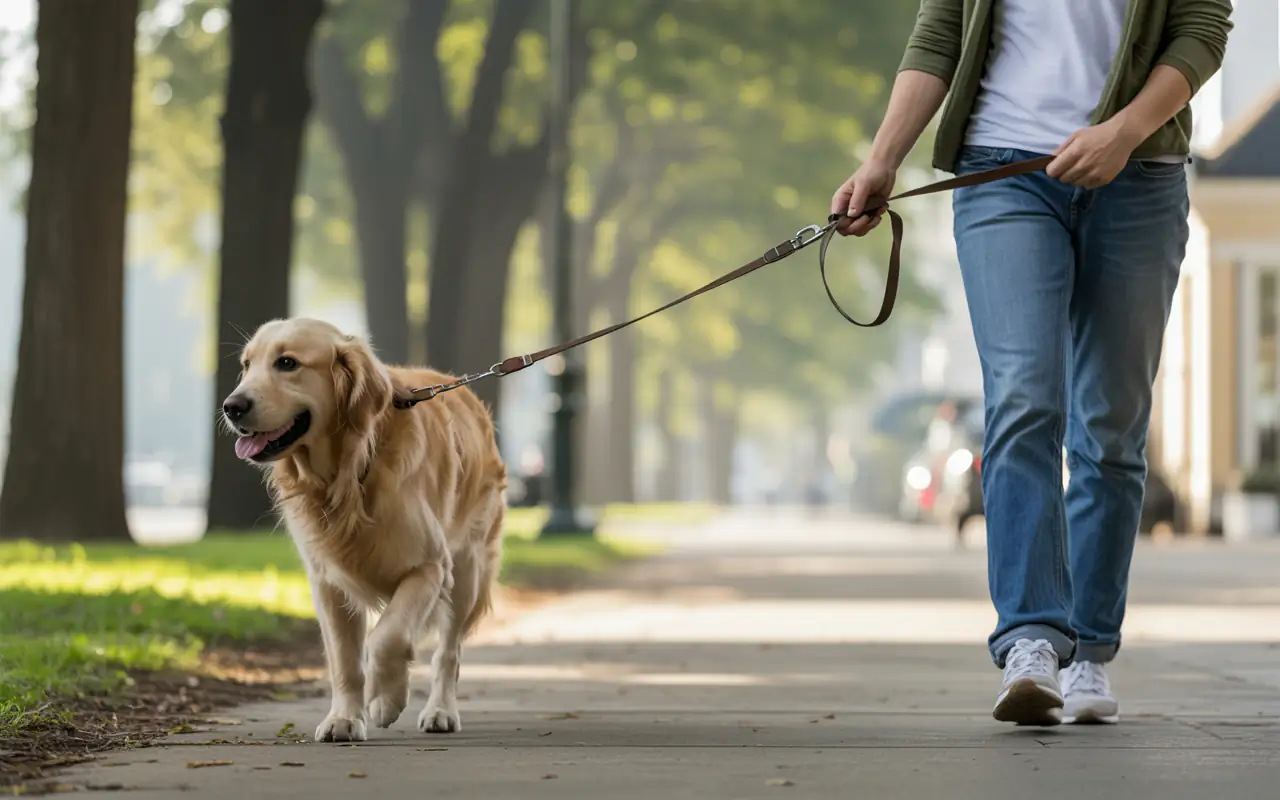
Learning how to stop dog pulling leash effectively involves patience and the right gear so you can finally enjoy quiet walks together without any constant tension or frustration on the sidewalk.
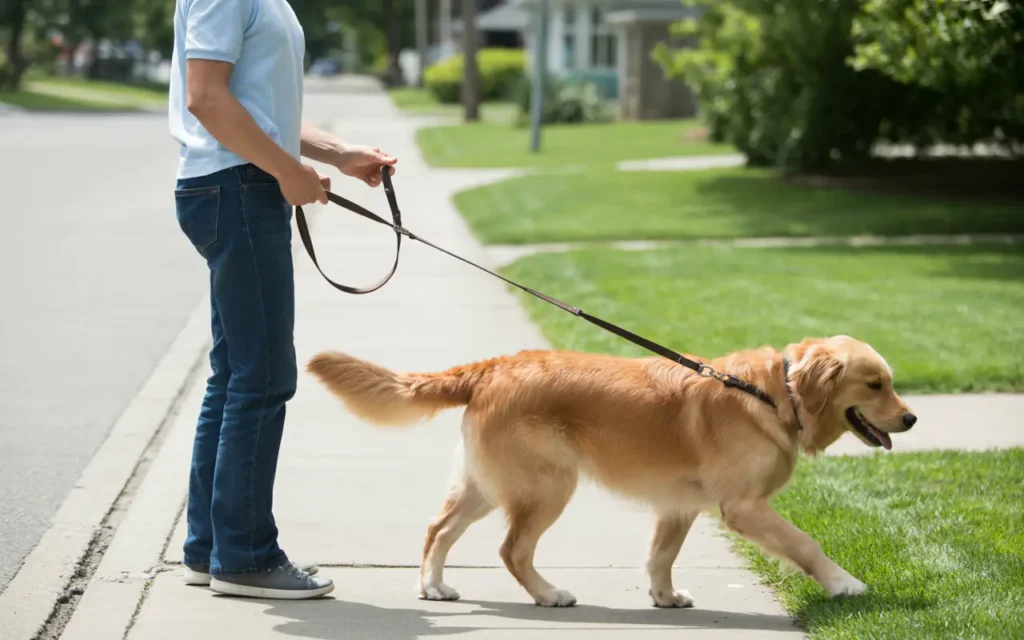
Walking your pet should be the best part of your day. It is a time for fresh air and fun. But for many, it feels like a hard chore. You might feel like your arm is being pulled off. You might worry about your pet getting hurt. Many people find it hard to stop dog pulling leash because dogs move faster than we do. They want to see every bush and smell every tree. They see a bird and want to run. This is a natural urge for them. They do not know it makes you sad or tired. They just want to explore the big world.
The first step is to see the walk through their eyes. A dog has four legs and a lot of energy. We have two legs and move slow. When they feel the leash get tight, they often pull back even more. This is a reflex. It is not them being mean. They just think that pulling is the way to get where they want to go. To change this, you have to show them a new way. You have to make staying by your side more fun than pulling ahead. This takes time and a lot of small treats. You can do this if you stay calm and stick to a plan.
“A dog is the only thing on earth that loves you more than he loves himself.” — Josh Billings
If you feel stressed, your pet will feel it too. They can pick up on your mood. If you hold the leash too tight, they will tension up. Try to keep your hands soft. Take deep breaths before you go out the door. A calm owner leads to a calm pet. You want to be a team. You are not just a person holding a rope. You are a guide. This guide will help you learn the best ways to keep the leash loose. We will look at tools and tricks that work for any size of pet.
The Root Causes of Pulling Behavior
Dogs pull for many reasons. Most of the time, it is about excitement. They love the outdoors. There are so many smells that we cannot even sense. Each pole and patch of grass is like a newspaper for them. They want to read it all. If they pull and they get to the smell, they think they won. They learned that pulling gets them what they want. We have to teach them that a loose leash is the only way to move. If the leash is tight, the walk stops. This is the main rule.
Another reason is fear. Some pets pull to get away from things. They might not like loud trucks or big dogs. If they are scared, they want to go home fast. You need to know if your pet is happy or scared. A happy puller has a wagging tail and a wiggly body. A scared puller might have a tucked tail and flat ears. Knowing the difference helps you choose the right way to help them. If they are scared, you need to build their trust. If they are just excited, you need to work on their focus.
Age also plays a part in this. Puppies are like kids. They have no focus. They want to go everywhere at once. Older dogs might have bad habits from years of pulling. Both can learn new things. It is never too late to start. You just need to be more stubborn than they are. Not in a mean way, but in a steady way. Do not let them win a single inch by pulling. If you are not steady, they will get confused. They will think that sometimes pulling works and sometimes it does not. This makes them try harder.
Choosing the Best Gear for Your Pet
The tools you use make a big difference. Some collars can hurt a dog’s neck if they pull too hard. This is bad for their health. A front-clip harness is a great choice for many people. When the pet pulls, the harness gently turns them back to you. It does not hurt them. It just makes it hard for them to move forward in a straight line. This is a very helpful tool when you want to stop dog pulling leash without using force. It gives you more control with less effort.
Head halters are another choice. These look like a horse bridle. They go around the nose. Since a dog follows its nose, it helps you guide their head. Some pets do not like the feel at first. You have to give them treats to help them like it. Do not use a long, flex-leash. These leashes teach dogs to pull. They always feel tension on a flex-leash. Use a fixed six-foot leash made of nylon or leather. This gives them enough room to move but keeps them close to you.
The most basic way to train is the red light green light game. When the dog pulls, you stop. You become a tree. Do not move at all. Do not yell or jerk the leash. Just wait. Your pet will look back at you to see why you stopped. When the leash goes loose, you can walk again. This is the green light. It shows them that a loose leash means they get to move. A tight leash means everything ends. This takes a lot of time on your first few walks. You might only get three feet in ten minutes. That is okay.
Another way is to change direction. If your pet pulls, turn around and walk the other way. Do this every time they get ahead of you. This teaches them to pay attention to where you are going. They will start to watch you more. They will think, I better stay close or my human will go the wrong way again. This keeps their brain busy. It turns a boring walk into a fun game of follow the leader. Use a happy voice when they catch up to you.
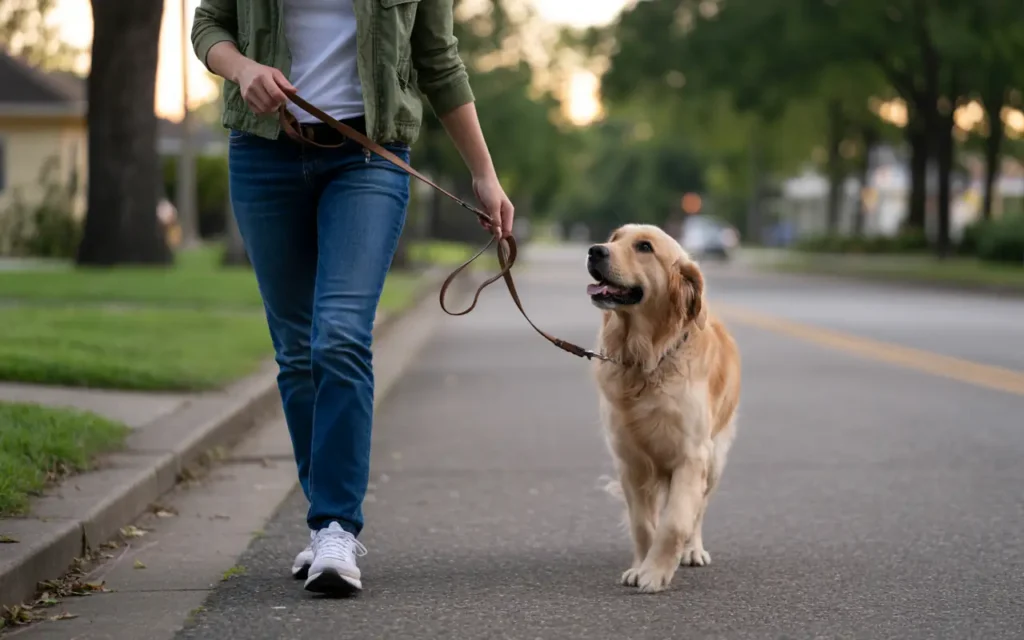
Rewards are your best friend here. Bring high-value treats that your pet loves. Bits of chicken or cheese work well. When the pet is walking by your side with a loose leash, give them a treat. Do this often. In the start, give a treat every two steps. Then every five steps. Soon, they will want to stay near you because that is where the food is. You are building a history of good things happening at your side. This is how you how to stop dog pulling leash in a way that feels like a win for the dog too.
Training Indoors Before You Head Out
The outside world is full of too many things to see. There are cars and birds and other people. It is hard for a dog to learn when they are so excited. Start your training in your living room. There are no distractions there. Put the leash on and walk from the sofa to the door. Practice your stops and your treats inside. Once they can walk well in the house, move to the backyard. Then move to the driveway. Only when they are good in easy places should you go for a real walk on the street.
Training inside helps you both feel good. You can keep your focus on the pet. You do not have to worry about a car coming or a neighbor saying hello. It builds a strong base. If your pet will not listen to you in the house, they will not listen on the street. Make sure they know what the word heel or with me means in a quiet spot. This way, when you say it outside, they already know the goal. Use a lot of praise. Your pet wants to make you happy. They just need to know how to do it.
Keep your training times short. Five or ten minutes is enough for a dog’s brain. If you go too long, they will get tired and stop caring. It is better to do three short sessions a day than one long one. This keeps the ideas fresh in their mind. You want them to enjoy the work. If they see the leash and get happy, you are doing it right. If they see the leash and hide, you might be being too hard on them. Keep it light and keep it fun.
“Dogs are not our whole life, but they make our lives whole.” — Roger Caras
Creating a Clear Routine
Dogs love a plan. They like to know what comes next. Try to walk at the same time each day. Use the same door. This helps them stay calm. Before you open the door, make them sit. If they are jumping and barking, do not go out. Wait until they have four paws on the floor. This starts the walk with a calm mind. A calm start leads to a calm walk. If they blast out the door like a rocket, they will pull the whole way.
Training Step
Goal
What to Do
The Sit-Stay
Calm at the door.
Make them sit before the door opens.
The Focus
Eye contact.
Call their name and give a treat when they look.
The Turn
Attention to you.
Walk the other way when the leash is tight.
The Reward
Staying close.
Give treats for a loose leash near your leg.
Dealing with High Distractions on the Street
Even the best dog will pull when they see a squirrel. This is the hardest part of the job. When you see something that might make them pull, act fast. Do not wait for them to lung. Call their name and show them a treat. Get their eyes on you. If you can keep their focus, they might not even notice the squirrel. If they do pull, use your stop and go move. Do not let them get close to the thing they want.
If your pet is very reactive, you might need to keep a lot of distance. If they see a dog across the street and stay calm, that is a win. If they see a dog ten feet away and bark, you are too close. Find the distance where they can still listen to you. Over time, you can get closer and closer. This is called desensitization. It is a slow way to stop dog pulling leash when things get wild. It takes a lot of patience. You have to be okay with turning around and going home if things get too hard.
Loud noises can also cause pulling. A big truck or a loud bike can be scary. If your pet pulls to get away, do not force them to stay. Move to a place where they feel safe. Give them a few treats to help them calm down. You want them to think that loud things mean good snacks are coming. This changes their fear into a better feeling. Always watch their body language. Their ears and tail will tell you how they feel long before they start to pull.
Common Mistakes Pet Parents Make
One big mistake is being inconsistent. If you let them pull on the weekend but not on Monday, they will get confused. They do not know what the rules are. You must keep the same rules every single time the leash is on. This includes everyone in the house. If you are firm but your partner lets them pull, the dog will not learn. Sit down with your family and make a plan. Everyone needs to use the same words and the same moves. This makes it easy for the dog to succeed.
Another mistake is using a leash that is too long. A long leash gives the dog too much speed before they hit the end. This can hurt you and them. A shorter leash keeps them in the zone where they can hear you. You should also avoid yelling. Your dog does not speak your language. Yelling just makes them more excited or scared. Use a calm, low voice. This helps them stay relaxed. Remember, you are trying to be a team.
Many people also forget to let their dogs sniff. A walk is for the dog. If you never let them stop, they will pull to get to the smells. It is okay to have a cue like go sniff. This lets them know they can have some free time. Then use a cue like let’s go to start the focused walking again. This gives them a reward for their hard work. It balances the work with the fun. A dog that gets to sniff is a happy and tired dog.
The Power of Mental Stimulation
Sometimes a dog pulls because they have too much energy in their brain. Physical exercise is good, but mental work is better. Before a walk, play a quick game of hide and seek with treats in the house. This gets their brain working. A dog that has used its brain is much more likely to listen to you outside. You can also use puzzle toys to feed them their breakfast. This burns off that morning zoomie energy that leads to pulling.
On the walk, you can ask for simple tasks. Ask them to sit at every corner. Ask them to touch your hand with their nose. These small jobs keep them thinking about you. It stops them from going into a zone where they only see the world and forget you are there. The more they think on the walk, the less they will pull. It is about engagement. You want to be more interesting than the grass and the trees. It sounds hard, but with good treats and a happy voice, you can be the star of the show.
“The better I get to know men, the more I find myself loving dogs.” — Charles de Gaulle
Consider taking a different path each day. If you go the same way, the dog knows all the smells. They get bored and look for new things to pull toward. A new path with new sights keeps them on their toes. They will look to you for guidance in a new place. This naturally makes them stay a bit closer. It also makes the walk more fun for you. You can see new houses and new gardens while your pet explores new scents.
Maintaining Your Progress Long Term
Once your pet starts walking well, do not stop the training. It is a lifelong thing. You might not need a treat every two steps, but you should still give them one now and then. This keeps the good habit strong. If you stop all rewards, the dog might start to slide back into old ways. Keep it fresh. Sometimes give a great treat, sometimes just a pat on the head. This surprise keeps them interested.
If you have a bad day, do not worry. We all have days where we are tired or the dog is extra hyper. If a walk is going poorly, just turn back. It is better to end a walk early than to let them pull for thirty minutes. You can try again later when you both feel better. Training is not a straight line. It has ups and downs. The goal is to have more good days than bad ones over time. Celebrate the small wins. If they walked past one dog without pulling, that is a huge success.
Stay positive and stay kind. Your pet loves you and wants to be with you. They just have to learn how to walk at your pace. With a front-clip harness, some good snacks, and a lot of patience, you will get there. You will find that your bond gets stronger as you work through this. Soon, you will be the person that others see on the street and think, I wish my dog walked that well. You can be that person if you put in the work today.
Frequently Asked Questions
How long does it take to stop a dog from pulling?
It depends on the dog and how often you practice. For some, you see a change in a week. For others, it might take months. The key is to be steady. If you never let them pull, they will learn faster. If you are lazy with the rules, it will take much longer.
Can I use a retractable leash for training?
It is best not to use one. These leashes always have a little bit of pull on them. This teaches the dog that tension is normal. To stop dog pulling leash habits, you want them to know that tension is the signal to stop. A standard leash is much better for learning.
My dog is very big, what if I can’t hold them when they pull?
A front-clip harness is great for big dogs. It uses their own force to turn them back to you. This means you do not need much strength to hold them. You can also look into a head halter. Both tools give you more power without needing big muscles.
Should I use treats for every walk?
In the start, yes. Treats are the best way to tell your dog they are doing a good job. As they get better, you can give treats less often. But you should always carry some just in case there is a big distraction like a cat or a squirrel.
Why does my dog only pull when we are heading home?
Many dogs get excited to get back to their yard or their dinner. Or they might be tired and want to rest. If they pull toward home, use the same stop and go rule. Do not let them rush you. The walk ends when you say it ends, not when they pull you through the front door.
Is it okay to let my dog sniff during the walk?
Yes! Sniffing is how dogs learn about their world. It is very good for their brain. Just make sure the leash is loose while they sniff. You can use a word to tell them it is okay to sniff, and then another word to tell them it is time to walk again.
What if my dog refuses to move when I stop?
Sometimes a dog will just sit down or look away when you stop. That is fine. They are waiting for you. When they look back at you or the leash goes loose, start walking again. If they seem stuck, move a few steps in a different way to get them going.
Conclusion
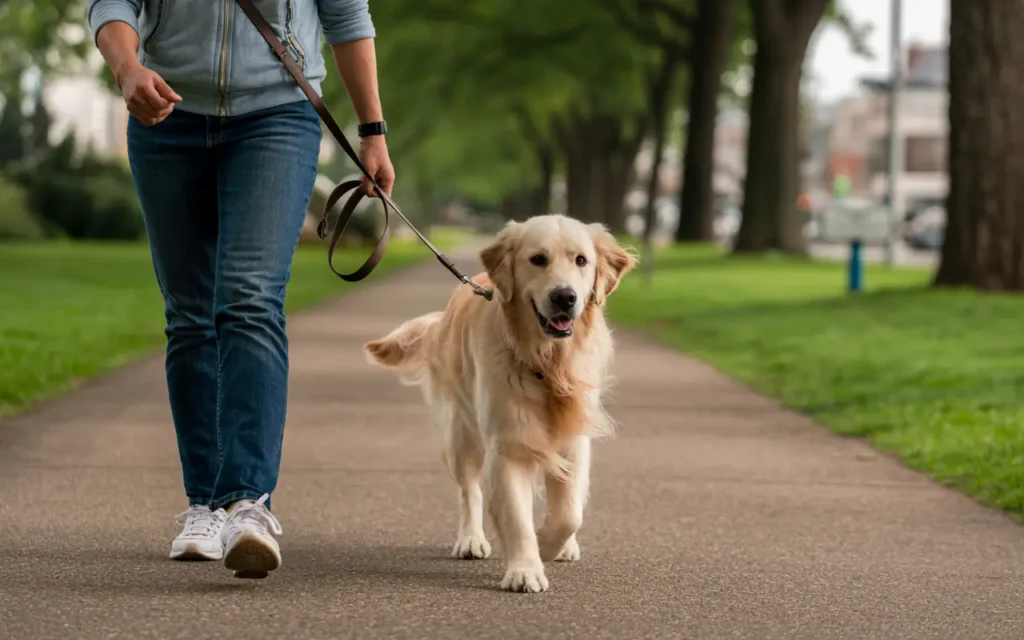
Walking your pet should be a joy for both of you. While it can be hard when they pull, it is a problem you can fix. By learning how to stop dog pulling leash with patience and the right tools, you change your daily life. Use a front-clip harness to help with control. Carry treats to reward the behavior you want to see. Remember to be a tree when the leash gets tight. This simple rule is the core of all good leash work.
Do not forget that your pet is not trying to be bad. They are just excited by the world. It is your job to show them that being with you is the best part of the trip. Start your training in quiet places and move to busy streets slowly. Be steady with your rules and kind with your heart. If you do this, those long, painful walks will soon be a thing of the past. You will have a partner who walks by your side with a loose leash and a happy tail.
Take it one step at a time. Do not look for a fix in a single day. Look for a small win in every walk. Maybe today they looked at you once. Maybe tomorrow they walk past a mailbox without a pull. These small things add up to a great dog. You have all the tools you need to succeed. Now, grab those treats, put on that harness, and head out for a nice, slow, and loose walk. You and your pet deserve to enjoy every moment of your time together under the sun.
Wondering why do dogs stare at walls? Discover the sensory, behavioral, and medical reasons behind this behavior, and learn when to contact your veterinarian. When you…
Learn how to test car wiring for continuity safely. Find broken automotive wires, check connector ports, and diagnose electrical issues with a multimeter. Testing car wiring…
Discover why organizing space reduces stress. Learn how a tidy environment lowers cortisol, improves focus, and creates a sense of calm in your daily life. Organizing…

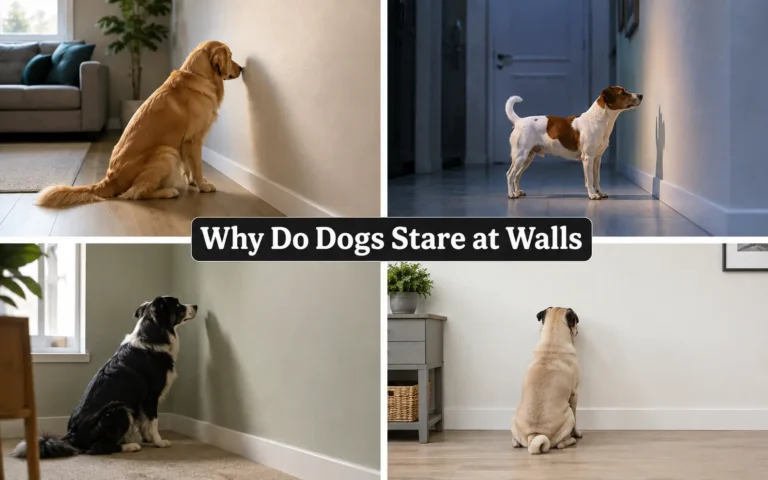 Why Do Dogs Stare at Walls? Common Causes and When to Worry
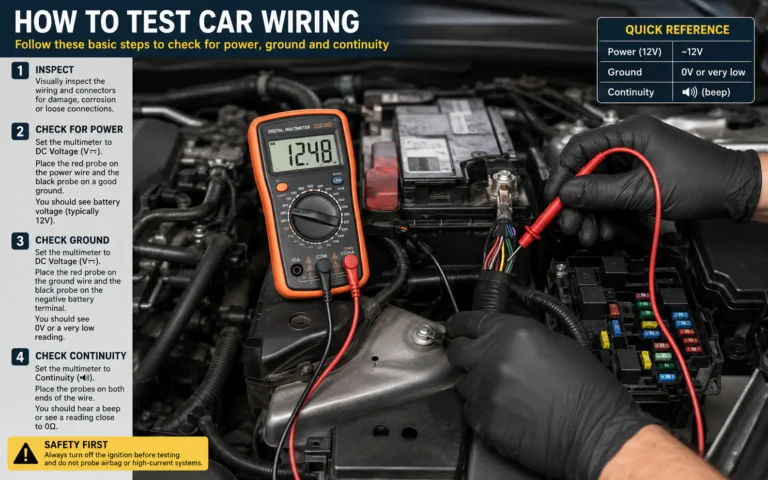 How to Test Car Wiring for Continuity Using a Multimeter
 Why Organizing Space Reduces Stress: The Mental Clarity Connection