
What Vitamins Help Nail Growth
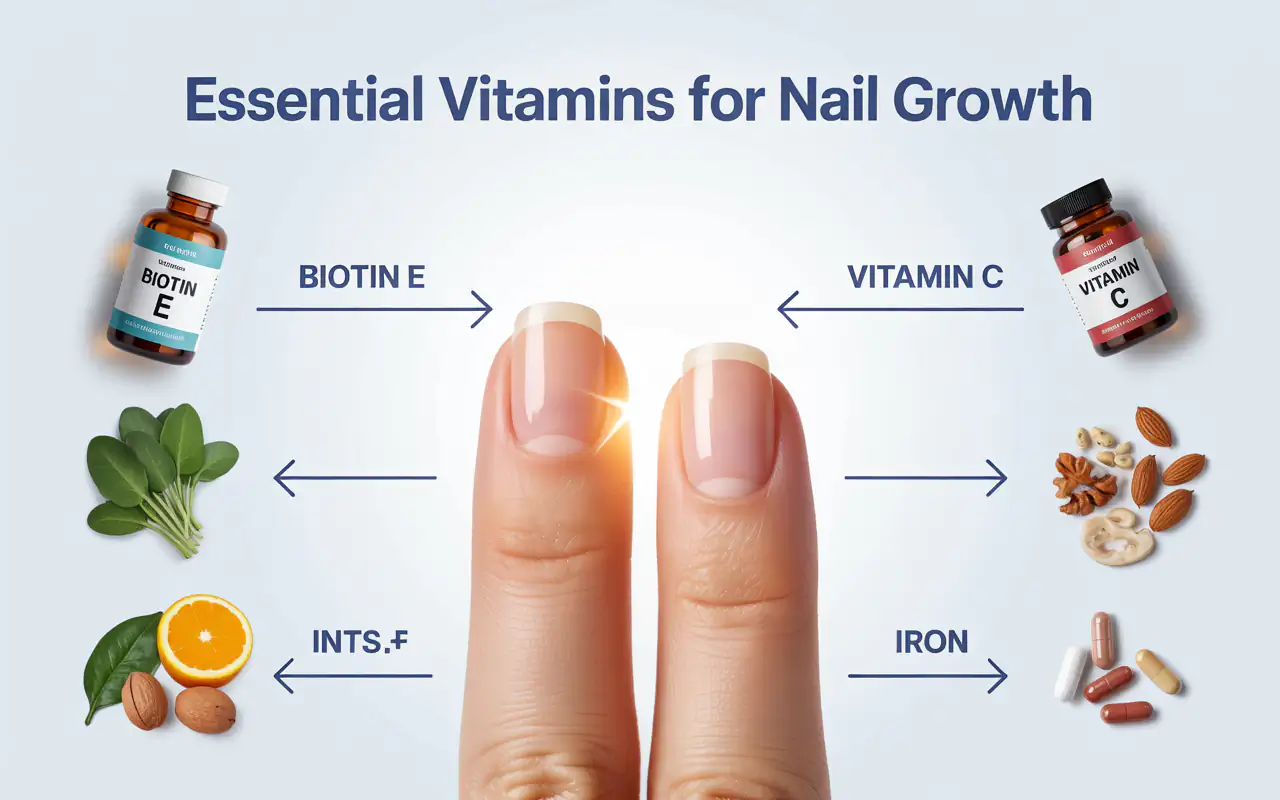
Learning about what vitamins help nail growth can show that biotin, iron, and zinc are key. These nutrients help your body make the protein needed for your nails to stay hard and grow well without breaking or peeling too much.
Nails are more than just a surface for paint or a tool to peel stickers. They act as a window into how healthy your body is on the inside. Many people notice their nails becoming thin, weak, or slow to grow at different times in their life. This often happens because the body lacks the right fuel. When we think about beauty, we often think about creams or oils. But the real work starts with the food you eat and the vitamins you take. If you want to know what vitamins help nail growth, you have to look at how your body builds cells. Every part of your nail comes from the nail matrix. This is the area under your cuticle where new cells are born. These cells need specific nutrients to stay strong and push forward.
When your body has everything it needs, your nails grow smooth and clear. If you are missing key pieces of the puzzle, you might see ridges, white spots, or easy breaks. It is very common to feel frustrated when your nails just will not grow. You might feel like you have tried every lotion on the shelf. However, the secret is usually in your diet. Vitamins and minerals act as the building blocks for keratin. Keratin is the tough protein that makes up your nails and hair. By focusing on internal health, you can see real changes in how your hands look. This guide will walk you through the most important nutrients for your nails and how to get them into your daily routine.
Why Biotin Is a Leader for Nail Strength
Biotin is often the first thing people mention when they talk about nail health. It is a type of B vitamin also known as B7. This vitamin helps your body turn food into energy. It also plays a big role in the production of keratin. Many studies show that biotin can make nails thicker. If you have brittle nails that split easily, biotin may be exactly what you need. People who take biotin often find that their nails stop peeling after a few months. It takes time for the new, stronger nail to grow out from the base. You have to be patient as the old, weak part moves toward the tip.
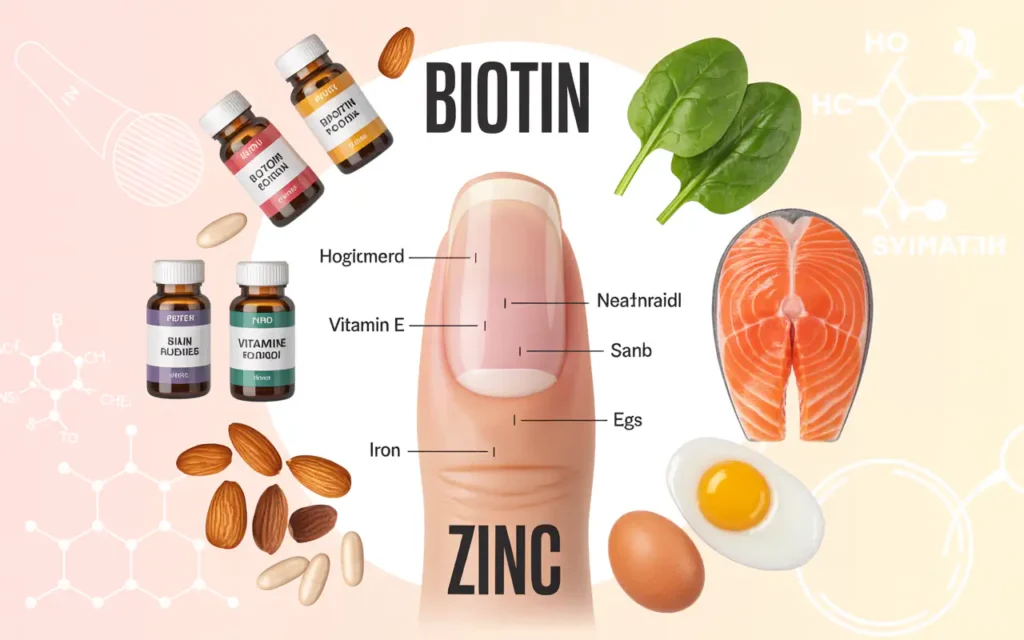
You can find biotin in many common foods that are easy to add to your meals. Eggs are one of the best sources you can find. Just make sure to cook the eggs, as raw egg whites can block biotin from being used by your body. Nuts like almonds and walnuts are also great choices. You can snack on them during the day to give your body a steady supply. Whole grains and legumes also provide a good amount of this B vitamin. If you feel you are not getting enough from food, some people choose to use a supplement. Always talk to a doctor before starting something new. Learning what vitamins help nail growth often starts with this simple but powerful B vitamin.
“Healthy nails are a reflection of your overall health and well-being.” – Dr. Richard Sherr
How B12 and Folate Support Your Nail Bed
Vitamin B12 and folate are two other B vitamins that keep your nails looking pink and healthy. Their main job is to help create red blood cells. These cells carry oxygen to every part of your body. Your nail beds need a lot of oxygen to stay productive. If you do not have enough B12, your nails might turn blue or dark. Folate is also needed for new cell growth. Since nails grow all the time, your body needs a constant supply of folate to keep up the pace. Without these two, your nails might grow very slowly or look dull.
You can get Vitamin B12 from animal products like meat, fish, and dairy. If you do not eat meat, you can look for foods that have B12 added to them. Folate is found in dark leafy greens like spinach and kale. Beans and citrus fruits are also high in this nutrient. Keeping these levels up ensures that your nail matrix has the oxygen it needs to build new layers. It is a simple way to keep your hands looking young and vibrant. When you eat a mix of these foods, you support the natural cycle of your body.
The Role of Vitamin C and Collagen
Vitamin C is famous for helping the immune system. But it is also vital for making collagen. Collagen is a protein that gives shape and strength to many tissues in the body. While nails are mostly keratin, collagen helps support the skin around the nail. It also helps hold the nail structure together. Vitamin C is an antioxidant, which means it protects your cells from damage. If you do not get enough Vitamin C, your nails might become brittle or grow slowly. You might also notice that your cuticles get dry and hangnails happen more often.
Most people think of oranges when they think of Vitamin C. While oranges are great, bell peppers and strawberries have even more of it. Broccoli and tomatoes are also good sources. Since your body cannot store Vitamin C, you need to eat it every day. It helps your body absorb iron, which is another big factor in nail health. Combining a Vitamin C food with an iron food is a smart trick for better results. This shows how different nutrients work together to keep you healthy.
Iron and Oxygen Transport
Iron is a mineral that helps your red blood cells carry oxygen. This is very important for the nail plate. If you have low iron, your nails might become thin and cave inward. This is sometimes called spoon nails. It is a very clear sign that your body needs more iron. Many women struggle with low iron, which is why their nails might feel weak. By fixing an iron lack, you can see a big change in the hardness of your nails. They will feel more solid and less like paper.
You can find iron in red meat, chicken, and fish. For those who prefer plants, lentils and beans are excellent sources. Spinach also has iron, though it is harder for the body to use than the iron in meat. To help this, eat your spinach with a squeeze of lemon juice. The Vitamin C in the lemon helps the iron move into your system. When you focus on what vitamins help nail growth, do not forget that minerals like iron are just as vital.
| Nutrient | Best Food Sources |
| Biotin | Eggs, Almonds, Salmon |
| Iron | Red Meat, Lentils, Spinach |
| Vitamin C | Bell Peppers, Oranges, Berries |
| Zinc | Oysters, Beef, Pumpkin Seeds |
Zinc and Protein Building
Zinc is a mineral that helps your body grow and repair tissues. It is needed for every cell in your body to divide. Since nails are always dividing and growing, zinc is a must. One of the most common signs of a zinc lack is white spots on the nails. These spots are not from hitting your hand; they often mean you need more zinc in your diet. Zinc also helps the body use proteins. Since nails are made of protein, this link is very strong. Without enough zinc, the growth process can slow down or stop.
Oysters have more zinc than almost any other food. If you do not like seafood, you can get zinc from beef and pumpkin seeds. Peanuts and chickpeas are also good plant-based options. Adding these to your salads or soups can make a big difference over time. Your nails will grow out clearer and stronger. It is one of the easiest fixes for common nail issues. Zinc works behind the scenes to make sure the building blocks of your body are in the right place.
Magnesium for Smooth Surfaces
Magnesium is a mineral that helps with over 300 tasks in the human body. One of these tasks is protein synthesis. This is how your body builds the structures it needs to function. If you have vertical ridges on your nails, it might be a sign that you need more magnesium. These ridges make the nail look bumpy and rough. By getting more magnesium, you can help the nail grow out smooth and even. It also helps you stay calm and sleep better, which is good for your whole body.
You can find magnesium in whole grains like oats and brown rice. Dark chocolate is also a surprising and tasty source of magnesium. Leafy greens and nuts like cashews are also packed with it. Many people find that their nails look much better when they focus on these foods. It is about giving your body the tools to do its job well. Smooth nails are often a sign of a well-balanced diet.
“What you put into your body is just as important as what you put on your skin or nails.” – Jinaun Chen
Vitamin A and Cell Turnover
Vitamin A is vital for the health of your skin and nails. It helps cells turn over and stay moist. If your nails are very dry and break easily, you might need more Vitamin A. It keeps the natural oils in your nail bed working as they should. These oils act as a shield against water and soap. Without this shield, your nails lose their flex and become snappy. Vitamin A also helps with the vision and the skin, making it a great all-around nutrient.
You can get Vitamin A from bright orange and yellow vegetables. Carrots, sweet potatoes, and squash are full of beta-carotene. Your body turns this into Vitamin A. Leafy greens also have a lot of it. Eating a colorful plate is the best way to make sure you get enough. When you ask what vitamins help nail growth, remember that Vitamin A keeps the growth flexible. You want nails that can bend a little without breaking right away.
Omega-3 Fatty Acids for Shine
While not a vitamin, omega-3 fatty acids are very important for nail health. These healthy fats help lubricate the nail and give it a shiny look. They also reduce inflammation in the nail bed. If your nails look dull or matte, you might be low on healthy fats. Omega-3s help the cells stay hydrated from the inside out. This prevents the brittle feeling that comes with age or cold weather. They keep the nail plate supple and strong.
Fatty fish like salmon and mackerel are the best sources of omega-3s. If you do not eat fish, flaxseeds and chia seeds are great alternatives. Walnuts also provide a good amount of these fats. Adding a spoonful of seeds to your morning yogurt can help your nails glow. It is a small change that yields big results for your hands and your heart. Healthy fats are a key part of any beauty routine that starts from within.
| Symptom | Possible Missing Nutrient |
| White Spots | Zinc |
| Spoon Shape | Iron |
| Vertical Ridges | Magnesium |
| Brittle / Peeling | Biotin |
Daily Habits for Healthy Nails
Aside from eating the right foods, how you treat your hands matters too. Many people use their nails as tools, which causes tiny cracks. These cracks make it easier for the nail to break later. It is best to use actual tools for opening cans or scraping things. You should also protect your hands from harsh chemicals. Cleaning products can strip the natural oils from your nails very quickly. Wearing gloves when you wash dishes or clean the house is a simple way to help.
Hydration is also a huge part of the story. Your nails need water just like your skin does. If you are dehydrated, your nails will become brittle. Drinking enough water every day helps the nutrients travel to your nail beds. It also keeps your cuticles soft. Soft cuticles are less likely to tear and cause pain. Using a simple oil or lotion on your hands after washing them helps lock in that moisture. It is a cycle of care that starts with what you drink and ends with how you protect your skin.
The Impact of Age and Seasons
As we get older, our nails naturally grow slower and may become thinner. This is a normal part of life. However, paying attention to what vitamins help nail growth can slow this change down. Keeping your nutrient levels high helps your body stay efficient. Seasonal changes also affect your hands. In the winter, the air is dry and heaters take moisture out of your skin. This is when you might need to be extra careful with your diet and hydration.
In the summer, you might be more active and spend more time in the sun or water. Chlorine and salt water can dry out your nails. Rinsing your hands with fresh water after swimming is a good habit. You can also apply a bit of coconut oil to your nails to keep them sealed. By adapting your care to the time of year, you keep your nails in top shape. It is about being mindful of how the world around you affects your body.
“Nutrition is the foundation of beauty and strength for every part of the human body.” – Michael Pollan
Foods to Avoid for Better Nails
Just as some foods help, some can hurt your progress. High amounts of sugar can lead to inflammation. This can slow down how fast your cells grow. Processed foods often lack the vitamins and minerals we have talked about. If you eat a lot of “empty calories,” your body does not have the tools it needs for repair. It is better to focus on whole foods that come from nature. Fresh fruits, vegetables, and lean proteins should be the stars of your meals.
Alcohol can also dehydrate your body and interfere with how you absorb B vitamins. If you drink often, your nails might show it by becoming weak or slow to grow. Limiting alcohol and drinking more water can make a noticeable difference in just a few weeks. It is all about balance. You do not have to be perfect, but making better choices most of the time will help your nails look their best. Your body will thank you with more energy and stronger growth.
Understanding Supplement Safety
Many people want a quick fix and turn to pills. While supplements can help if you have a gap in your diet, they are not a magic cure. It is always better to get your nutrients from real food. Food contains other compounds that help your body use vitamins better. If you do choose a supplement, look for a high-quality brand. Be careful not to take too much of certain vitamins, like Vitamin A or selenium. Too much can actually cause nail problems or other health issues.
A doctor can run a blood test to see if you are actually low on something. This is the best way to know what you need. They can guide you on the right amount to take. Most people find that a balanced diet is enough to see a change. If you have been eating well and still see no growth, then a supplement might be the next step. Always listen to your body and give it time to react to changes. Nail growth is a slow process that happens over many months.
Practical Meal Ideas for Nail Growth
Starting your day with eggs is a great way to get biotin and protein. You can add spinach for iron and folate. This simple breakfast covers many bases for your hands. For lunch, a salad with salmon or beans provides zinc and healthy fats. You can sprinkle some pumpkin seeds on top for an extra boost of magnesium. Snacks like almonds or Greek yogurt are also excellent for keeping your levels steady throughout the day.
For dinner, try a stir-fry with colorful bell peppers and lean beef or tofu. This gives you plenty of Vitamin C and iron. Using whole grain rice adds more B vitamins and minerals to the mix. By planning your meals around these ingredients, you make health a natural part of your life. It does not have to be hard or boring. There are so many tasty ways to get the nutrients you need. When you focus on what vitamins help nail growth, you end up eating a diet that is good for your whole self.
Consistency is the Secret
You cannot eat one healthy meal and expect long nails the next day. It takes about six months for a fingernail to grow from the base to the tip. This means you need to be consistent with your diet for a long time to see the full results. Do not get discouraged if you do not see a change in the first week. Keep eating your greens, nuts, and proteins. Over time, the new nail growing in will be much stronger than the old one.
Track your progress by taking a photo of your nails once a month. You might be surprised at how much they change over half a year. You will notice fewer breaks and a smoother surface. This visual proof can help you stay motivated to eat well. Good habits build on each other. Once you see the results in your nails, you might notice your hair and skin look better too. It is a rewarding process that shows the power of good nutrition.
Frequently Asked Questions
How long does it take to see results?
It usually takes three to six months to see a real change. This is because your nails grow slowly. You have to wait for the new, nourished nail to replace the old, weak parts.
Can I get all these vitamins from food?
Yes, most people can get everything they need from a balanced diet. Focus on eggs, nuts, leafy greens, and lean proteins. If you have a restricted diet, you might need extra help from a supplement.
Are white spots always a sign of a vitamin lack?
Not always. Sometimes white spots are just tiny bruises from hitting your nail. However, if they happen often on many nails, it could mean you need more zinc or calcium.
Do gel manicures hurt nail growth?
Gel manicures themselves do not stop growth, but the removal process can be harsh. It can strip away layers of the nail, making it thin. Taking breaks between manicures and using what vitamins help nail growth can help your nails stay strong.
Does drinking gelatin help nails?
Some people believe gelatin or collagen powder helps. While these provide protein, a balanced diet with Biotin and Vitamin C is often more effective for most people.
Conclusion
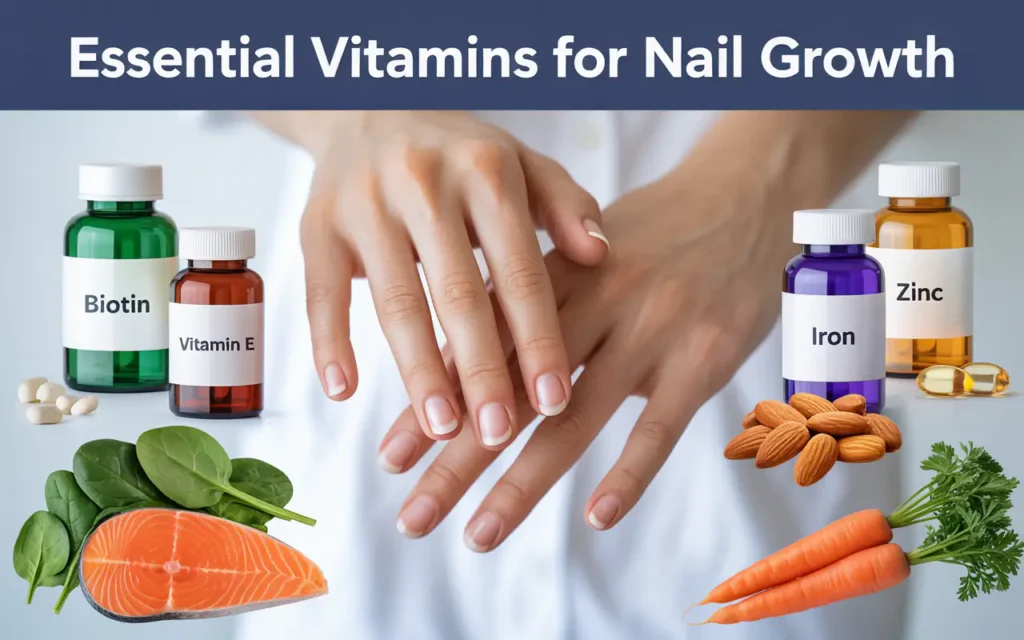
Taking care of your nails is a journey that starts deep inside your body. While creams and polishes can help the surface, true strength comes from the nutrients you eat. By focusing on what vitamins help nail growth, you give your body the tools to build a hard, healthy nail plate. Biotin, iron, zinc, and Vitamin C are some of the most important pieces of the puzzle. They work together to create keratin and keep your nail beds full of oxygen.
Remember to stay hydrated and protect your hands from harsh chemicals. Consistency is the most important part of any beauty routine. If you eat well and stay patient, you will see a big difference in how your hands look and feel. Your nails are a part of you, and they deserve the best care you can give. Enjoy the process of nourishing your body and watching it grow stronger every day. A healthy diet is the best gift you can give your nails and your overall health.
Related posts
 Best Drugstore Foundation Affordable 2026: Top Value Picks
Discover the best drugstore foundation affordable options for 2026. Compare top-rated formulas for coverage, finish, and skin benefits to find your perfect match. Finding the best…
 Best Low Cost Beauty Products Online 2026
Discover the best low cost beauty products online for 2026. Compare affordable makeup, tools, and skincare essentials that deliver quality without the high price. Finding high-quality…
 Best Beauty Equipment for Home Skincare Routines 2026
Discover the best beauty equipment for home skincare routine. Compare top-rated steamers, therapy wands, and cleansing brushes for radiant skin. Building a professional-grade skincare routine at…