
How To Track Fitness Progress
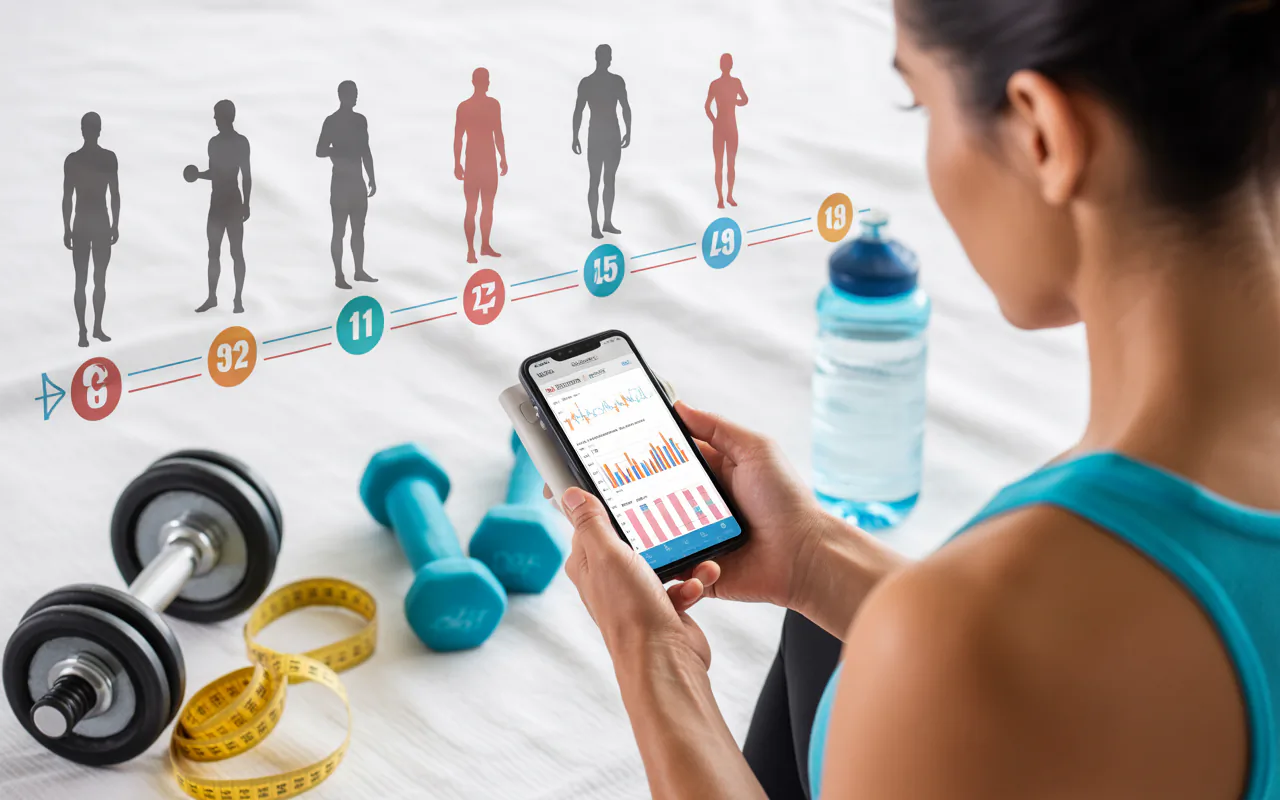
Seeing real changes in your body starts when you learn to track fitness progress with simple daily habits and tools. Use body measurements, workout logs, photos, and apps to monitor strength gains, endurance, and overall health improvements. Stay consistent and adjust your plan based on what the data shows for the best results over time. This practical guide makes it easy for anyone to see their fitness changes step by step.
You put in the time at the gym or during your runs. You eat better and sleep well. But sometimes it feels like nothing changes at all. That is where learning how to track fitness progress comes in handy. It shows you the small wins that add up over time. People often stop because they do not see results right away. When you track fitness progress you get numbers and facts that prove your efforts work. In this article I share simple ways to do it. These ideas come from what I have tried myself and what has helped others I know. You can start today with tools you already have at home. The key is to pick a few methods and stick with them. Over weeks and months the data builds a clear story about your body and your habits. You feel more in control of your routine when you have this information ready.
Why It Matters to Track Fitness Progress
You work hard on your fitness plan. Yet without clear records it can feel like you go nowhere. Tracking your improvements keeps you going when things get tough. You see concrete evidence that your workouts pay off. This knowledge makes you want to continue day after day. Without it you might think your plan does not work and give up too soon. I have seen friends get frustrated until they started to track fitness progress. Then they saw how their waist got smaller or they lifted more weight. It made a big difference in their attitude. You feel proud of what you achieve. It also helps you make smart changes to your routine. If one part stays the same you can try something new. Your energy levels go up when you know the facts. Friends tell me the same thing happens for them once they begin.
“A little progress each day adds up to big results.” – Satya Nani
This quote rings true for fitness. It reminds us to look at the steps we take each week. You build confidence when you notice those steps add up.
Set Clear Goals Before You Begin
You need a starting point before you begin any plan. Take notes of your current state right away. This baseline lets you compare later on without any guesswork. Measure your weight if that matters to you. But do not stop there. Check other things too like how you feel after a normal day. Note how your clothes fit right now around the waist or shoulders. These details give a full picture of where you stand. When you track fitness progress from a clear start you avoid confusion later. Spend one evening to gather all this information. It takes little time but gives big value for the months ahead. Write everything down in one place so you can find it fast. You might include a quick note about your current mood and sleep quality. This full picture helps you see connections between different parts of your life. Many people skip this step and regret it later when they cannot remember their starting point.
You also want to set clear and realistic goals at the same time. Think about what you want to achieve in the next month or three months. Make the goals specific so you know when you hit them. For example aim to walk thirty minutes more each week or add ten pounds to your bench press. Write these goals next to your baseline numbers. Review them once a month to see how close you come. This step ties everything together because your tracking data shows if you move closer to those goals. You stay focused when the targets feel reachable.
Key Metrics to Track Fitness Progress
Several numbers give you a good view of your overall fitness. Pick the ones that match your main goals. Strength shows through heavier weights or more reps in your lifts. Endurance comes from longer runs or more push ups without a break. Body shape appears in tape measurements around key areas. Energy and sleep tell you about recovery. All these pieces fit together to show the full story. You do not need to track every single thing at once. Start with three or four that feel important to you. Over time you add more as it becomes easy.
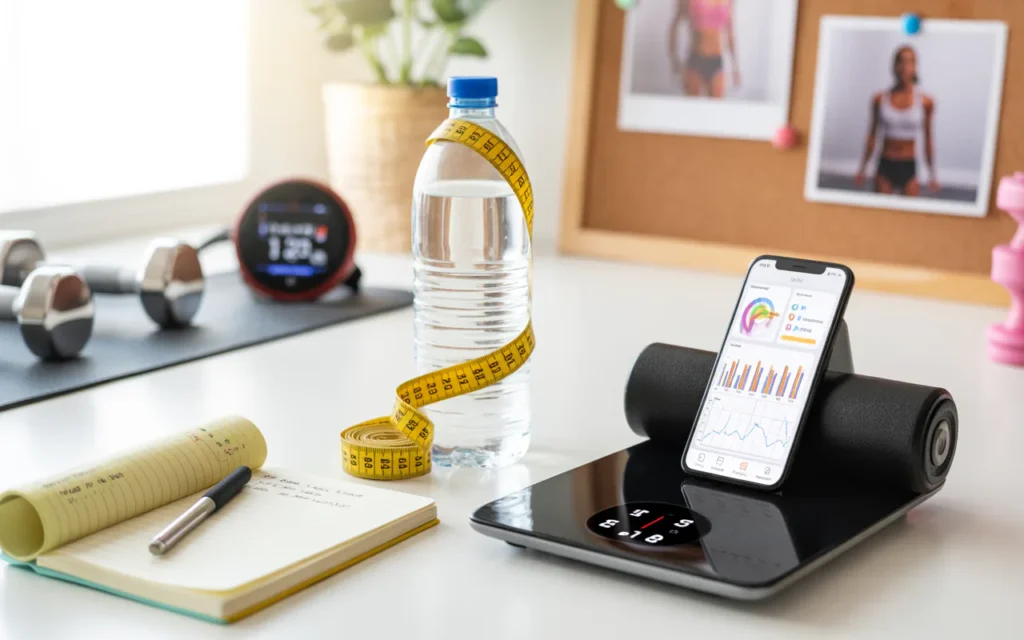
“What gets measured gets managed.” – Peter Drucker
This idea fits well with fitness. You pay attention to what you record and that helps you improve it.
Here is a short table of useful metrics to follow:
| Metric | How to Measure | Why It Helps |
|---|---|---|
| Strength | Record weights and reps | Shows muscle gains over time |
| Endurance | Time runs or count reps | Tracks heart and lung improvements |
| Waist Size | Use a tape measure | Reveals fat loss clearly |
| Energy Level | Rate from one to ten daily | Indicates recovery quality |
This table gives you a quick reference to follow each week. Keep it in your notes for fast checks.
Body Measurements Help You Track Fitness Progress
Body measurements offer a reliable way to see changes in your shape. Use a soft tape measure to check your chest, arms, waist, hips, and thighs. Do it the same way each time for accuracy so the numbers stay true. Measure in the morning before you eat or drink anything. Record the numbers in a notebook or simple spreadsheet on your phone. You might see your arms get bigger from lifting weights or your waist get smaller from better eating habits. This method works well because scales can lie due to muscle gain or water weight changes. Many people rely on this to track fitness progress because it shows real body shifts that feel good to notice. Try to measure every two or four weeks at the same time of day. Do not do it daily as small changes can disappoint you and make you lose heart. Take your time with each measurement and write a short note about how the day feels.
You can stand in front of a mirror to make sure the tape sits straight. Pull it snug but not tight so it does not squeeze the skin. Compare the new numbers to your baseline and note the difference in a column next to the old ones. Over months you watch the trends and feel excited about the direction they take. Friends who use this method say it keeps them honest about their food choices and workout effort. The tape measure costs little and fits in a drawer so you always have it ready.
Progress Photos Help You Track Fitness Progress
Photos let you see what the mirror might miss on a daily basis. Take pictures from the front, side, and back in the same spot each time. Use the same lighting and pose so the comparison stays fair. Wear similar clothes or the same ones if possible to remove extra variables. Do this once a month on the same day of the week. Later when you look back you notice your shoulders look broader or your legs look stronger than before. It provides motivation on days you feel like you have not changed at all. Some of my friends use this method and say it keeps them honest about their results over the long haul. To track fitness progress with photos you need consistency in how you take them every time. Store them in a folder on your phone labeled with dates so you can scroll through them easily.
Look at the photos side by side on your screen to spot differences in posture or muscle definition. You might notice your stomach looks flatter or your back looks straighter. These visual clues add to the numbers from your tape measure and give you a complete view. The process takes only five minutes but pays off with big motivation boosts.
Workout Logs Help You Track Fitness Progress
Some people prefer pen and paper for their logs because it feels personal. A journal lets you write what exercises you did, how many sets and reps, and the weights used each session. You can add notes about how you felt or what you ate before the workout. This method gives room for personal thoughts that apps might miss in their standard fields. Look back at old pages to see how far you have come in a single glance. For example you might notice you now do ten pull ups when before you did only three. That shows clear growth in your ability. To make it effective write in it right after each session while the details stay fresh. It becomes a habit fast and you look forward to the quick entry.
You can buy a simple notebook or print blank pages from your computer. Keep the journal in your gym bag so it travels with you. Review it every Sunday evening to plan the next week based on what you see. The written record feels satisfying to flip through after a few months.
Here is another short table for a sample log entry format:
| Date | Exercise | Sets x Reps | Weight | Notes |
|---|---|---|---|---|
| 04/01 | Squats | 3 x 10 | 100 lbs | Felt strong today |
| 04/08 | Squats | 3 x 12 | 110 lbs | Added weight easily |
Use a table like this to organize your entries each week. It makes review easy and quick.
Fitness Apps Help You Track Fitness Progress
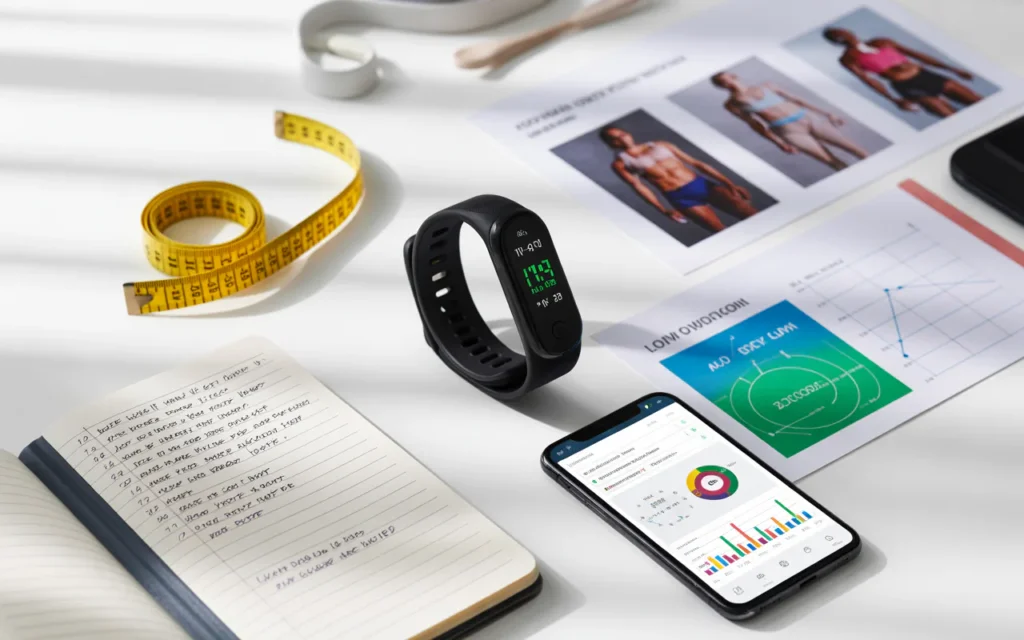
Technology takes much of the work out of monitoring your activity. Apps like MyFitnessPal or Strava log your workouts and food intake automatically. They count steps or distance run during your sessions. Wearables like Fitbit or Apple Watch track heart rate and sleep patterns too without extra effort. You can set goals and get reminders right on your phone screen. These tools gather data automatically so you spend less time on notes and more time on actual training. Beginners like them because everything stays in one place and charts show trends over weeks or months at a glance. When you want to track fitness progress without much effort these options work great for busy schedules. Choose one that fits your needs and use it daily for the best results.
Sync the app with your watch if you have one so the data flows together. Check the weekly summary each Sunday to see patterns in your activity. Many apps send reports that highlight your best days and areas to improve.
Nutrition and Recovery Tracking
Your food and rest affect how you progress in big ways. Log your meals to see if you hit protein goals or stay in your calorie targets each day. Track sleep hours and quality with a simple note or app feature. Note your energy during the day on a scale from one to ten. If you feel tired often you might need more rest days or better food choices. Good recovery lets you train harder next time without burnout. These factors play a big part in how well you track fitness progress overall. Without them your other data might not make sense or show the full picture. Try to include them in your journal or app every evening before bed.
You can rate your hunger levels or how satisfied you feel after meals to connect diet with energy. Small changes like adding a protein snack can show up in better workout numbers the next day.
How Often to Check Your Data
Check your main metrics every four weeks to give real changes time to appear. Weekly checks on strength or workouts work fine but body measures need more space between them. Daily checks on energy or sleep help you spot patterns fast. Set a calendar reminder so you do not forget the monthly review. During the review compare the new data to your baseline and previous month. Look for trends instead of single days. This schedule keeps you consistent without feeling overwhelmed by constant checks.
Common Mistakes to Avoid When You Track Fitness Progress
One mistake is checking too often and getting discouraged by tiny daily shifts. Stick to weekly or monthly reviews for the best view. Another issue is focusing only on the scale number and ignoring everything else. Muscle weighs more than fat so weight might stay the same while you look and feel better. Use several methods together to get a balanced picture. Do not ignore how you feel each day because mood and energy count as real progress. Compare yourself only to your past self not to others on social media. This keeps things positive and realistic for your own body.
Keep Motivation High with Your Data
Look at your records when you need a boost during a tough week. Seeing old numbers next to new ones shows how much you have grown since you started. Share your progress with a friend or family member so they can cheer you on. Set small targets based on your data like adding five pounds to a lift in the next two weeks. Celebrate when you hit them with something healthy like new workout shoes or a favorite meal. This approach keeps you excited about your plan and eager to continue.
“All progress takes place outside the comfort zone.” – Michael John Bobak
This idea fits well with regular tracking. Small gains every week add up to big results that feel rewarding.
Frequently Asked Questions
How often should I track fitness progress? You should check your main metrics every four weeks. This gives enough time for real changes to show up clearly. Weekly checks on strength or workouts are fine but body measures need more space between them.
Do I need expensive tools to track fitness progress? No. A tape measure, phone camera, and notebook work well for most people. Apps help but are not required at all. Start simple and add tools if you want later on.
What if I do not see progress right away? Be patient with the process. Results take time to build. Keep consistent and review all areas including energy and mood. Adjust your plan based on the data you collect each month.
Can tracking help with weight loss specifically? Yes it can. It shows if your calorie balance works and if you build muscle while losing fat at the same time. The numbers guide your food choices better.
How do I stay consistent with my tracking habit? Link it to something you already do like your evening wind down or morning routine. Set phone reminders for measurement days. Keep your tools in plain sight so you remember easily.
Is it okay to track fitness progress if I am a beginner? Yes it works great for beginners. Start with basic notes and build from there. The early data gives you confidence as you learn your body.
Conclusion
Tracking your fitness efforts turns vague feelings into clear facts that guide you forward. You learn what works for your body and what needs a small tweak. Over time you build habits that last because you see the benefits in your own numbers. Start with one or two methods that seem easy to you right now. Add more as they become part of your routine. The key is to stay regular with it week after week. You will look back one day and feel glad you kept the records from the beginning. Your future self will thank you for the information you gather now. Keep at it and enjoy the process of getting stronger and healthier every single week. You have the power to see your own success when you track fitness progress with simple steps.
Related posts
 Understanding Fitness Checkup Consultation Cost and Professional Assessment Resources for 2026
Explore Understanding fitness checkup consultation cost factors and professional assessment resources to help you make informed decisions about your health and training goals. Navigating the world…
 Gym Membership Discount Price Alternatives for 2026 Home Fitness
Looking for a gym membership discount price Alternatives? Explore smart home fitness alternatives and equipment to save money and build your own workout space in 2026.…
 Buy Home Workout Sliders: 2026 Guide to Core Fitness Tools
Looking to buy home workout sliders? Compare top-rated gliding discs and core trainers to find the right equipment for your 2026 fitness routine. Adding core sliders…