
How Long Should A Workout Session Be
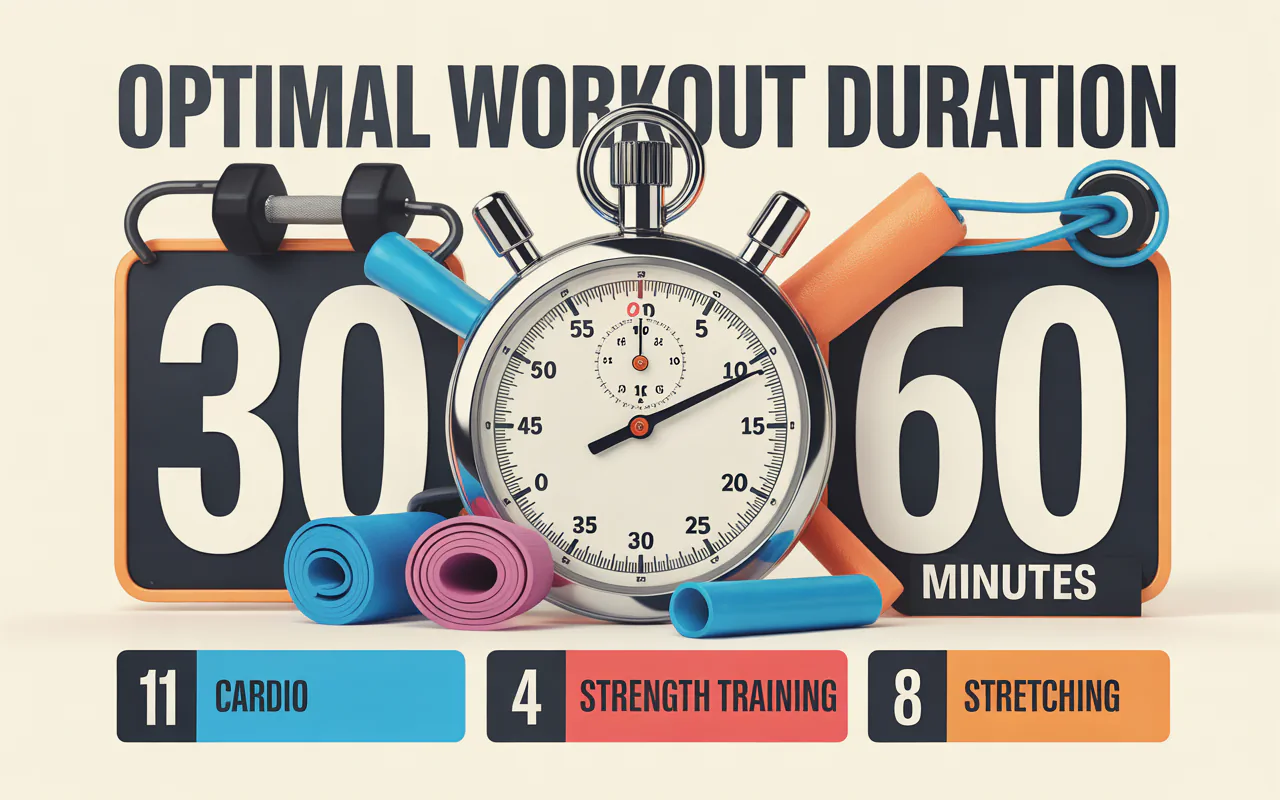
People look for practical fitness advice and often want to know how long should a workout session be to get good results and stay safe. Sessions between 30 and 60 minutes work well for most adults depending on their goals like building strength or improving heart health. Shorter or longer times can fit certain needs but consistency matters more than hitting an exact number every time. You can start small and build up as your body gets used to the work. The right choice helps you stay on track and enjoy the process without feeling overwhelmed or burned out.
You may have asked yourself how long should a workout session be when you start or change your fitness routine. Many people want to know the right amount of time to spend exercising to get good results without spending all day at the gym or feeling too tired later. The answer is not the same for everyone because it depends on several things. In this article we look at what works for different people and different goals. We will cover the main factors and give you ideas to help you decide. You can use this information to make smart choices that fit your life and keep you moving forward.
Why the Length of Your Workout Session Matters
The length of your workout session plays a big part in how well you reach your fitness aims and how you feel overall. When you pick a time that matches your energy and schedule you get better results from each visit to the gym or home space. Short sessions that focus on quality moves can build strength and burn calories just as well as longer ones if you give full effort. Longer sessions give you time to add more sets or different exercises but they also require good recovery afterward so you do not feel worn down the next day. People who choose a length that feels right tend to stick with their plans longer and see steady progress over weeks and months. The body responds best when you balance work and rest in each session so you avoid too much stress that could slow your gains or lead to soreness that lasts too long.
A good session length also helps you stay safe during exercise. If you go too long without enough fuel or rest your form can slip and that raises the chance of strain. On the other side a session that ends too soon might leave you without enough work to challenge your muscles or heart. Many folks notice they have more energy for daily tasks when their workout time fits their current fitness and daily load. You can track how you feel after each session to see if the length helps or holds you back. Over time you learn what works and adjust as needed. This approach keeps things simple and effective so you enjoy exercise instead of seeing it as a chore.
Factors That Affect How Long Should a Workout Session Be
Several things come into play when you decide how long should a workout session be for your own plan. Your daily schedule and available time make a difference because a busy day might call for a shorter focused workout while a free morning lets you go longer. The type of exercise you pick also shapes the length because some activities need more time to warm up and cool down. Intensity matters too because high effort moves can get results in less time while steady pace work often takes longer to reach the same effect. Your sleep and nutrition levels influence how long you can train without feeling weak or dizzy. All these pieces work together so you can create a plan that feels doable week after week.
Your age and recovery ability play a role as well. Younger adults with good rest might handle longer sessions while older folks or those with busy lives do better with shorter ones spread across the week. The equipment or space you have can limit or extend your time because home workouts without weights might stay short and gym sessions with machines can stretch out. Weather or mood on a given day can shift your ideal length too so stay flexible and listen to your body signals. When you consider all these factors you set yourself up for success without guessing or copying someone else exactly. This personal approach makes your fitness path feel natural and lasting.
Your Fitness Goals Shape the Answer
Your main aim guides how long should a workout session be in a direct way. If you want to lose weight you might focus on sessions that mix cardio and strength in a moderate time frame to keep your heart rate up and burn calories steadily. Muscle building often calls for a bit more time to allow full sets and rest between them so your muscles get the work they need to grow. Endurance goals like running longer distances or cycling far can benefit from gradual increases in session length to build your capacity over time. Each goal has its own sweet spot so you match the duration to what you hope to achieve. You can mix goals in one plan but keep the total time reasonable to avoid overload.
Your Experience Level Guides the Time
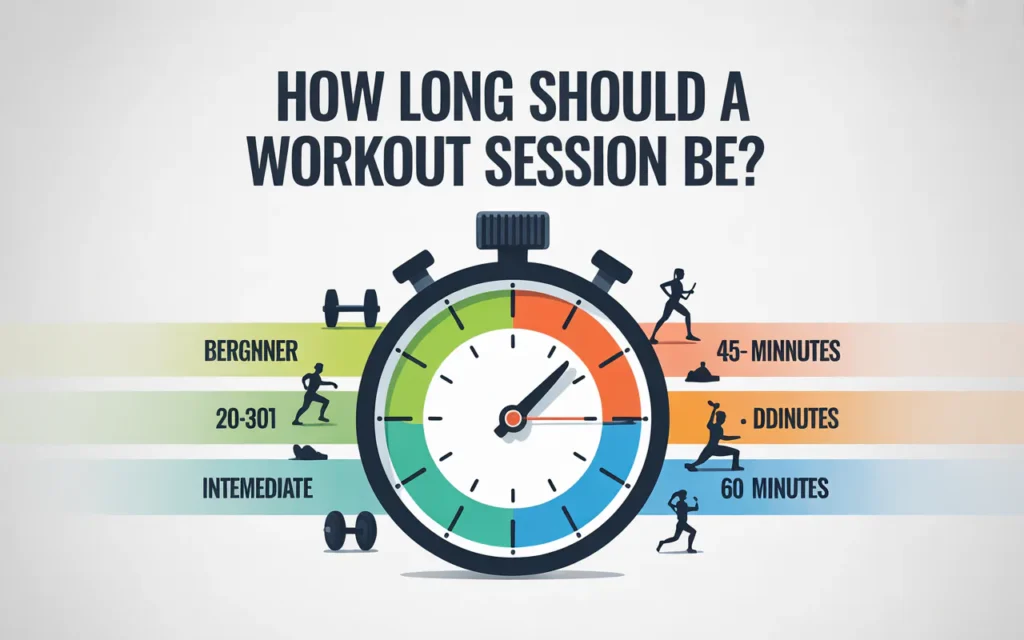
Beginners often need less time at first because their bodies are still getting used to the movements and demands. As you gain experience you can add minutes to challenge yourself more without risk. Advanced trainers use longer sessions when they follow detailed programs that include many exercises and techniques. The key is to progress at your own pace so you build confidence and strength step by step. This way you avoid frustration and keep the habit strong for years ahead.
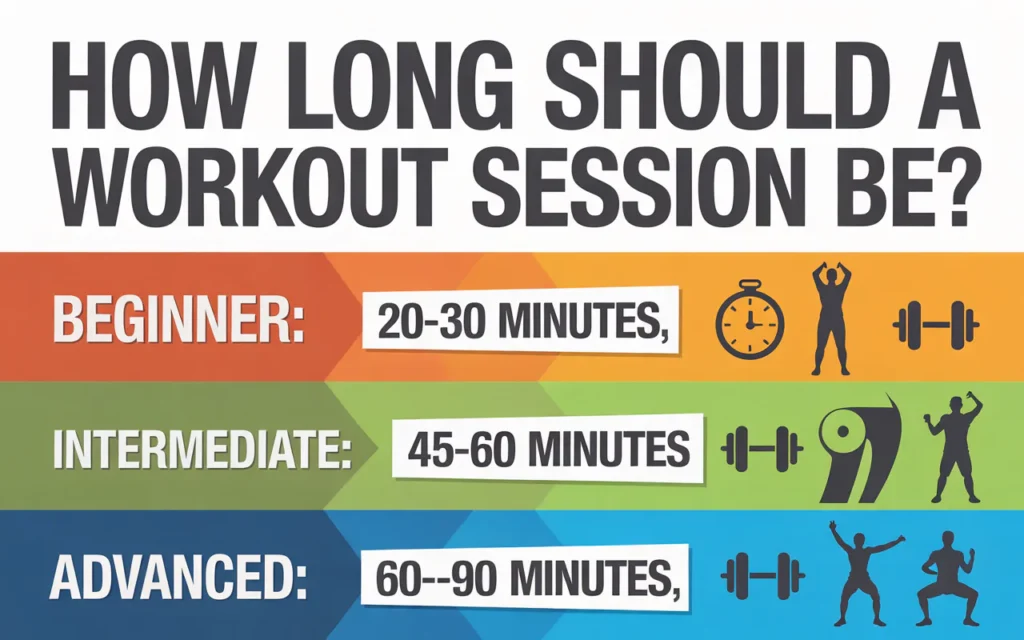
| Fitness Level | Recommended Session Length |
|---|---|
| Beginner | 20 to 45 minutes |
| Intermediate | 45 to 60 minutes |
| Advanced | 60 to 90 minutes |
How Long Should a Workout Session Be for Beginners
Beginners often wonder how long should a workout session be when they take those first steps into regular exercise. A good starting point sits between twenty and forty five minutes because it gives enough time to learn proper form and complete a full body or split routine without overwhelming the muscles or joints. You can include a short warm up of five minutes then move through basic exercises with light weights or body weight. This length leaves room for rest between sets so you stay fresh and focused. Many new exercisers notice they feel accomplished after these sessions and look forward to the next one instead of dreading it. As weeks pass you can add a few minutes here and there as your body adapts and your confidence grows.
Starting with shorter sessions helps you form the habit without burnout. You focus on consistency first and results come as you stick with it. A thirty minute session three times a week can bring noticeable changes in energy and mood within a month. You learn to listen to your breathing and heart rate so you know when to push and when to ease off. This gentle start builds a base that supports longer workouts later if you choose to go that route. Friends and family often see the positive changes and get inspired to try their own plans too. The important part is to celebrate small wins and keep the time manageable so exercise becomes part of your normal day.
Ideal Length for Strength and Muscle Work
Strength training calls for enough time to complete multiple sets and allow muscles to recover between efforts. Many people find that forty five to seventy five minutes works well because it covers warm up sets followed by the main lifts and some accessory moves. You can target major muscle groups with compound exercises like squats and presses while keeping rest periods short enough to maintain focus but long enough to lift heavy. This range gives your body the stimulus it needs for growth without crossing into fatigue that hurts form. You finish the session feeling worked but not completely drained so you can return strong the next day or two.
How Long Should a Workout Session Be for Cardio Sessions
Cardio sessions vary based on the style you pick. Steady state efforts like brisk walking or cycling often last thirty to sixty minutes to reach the fat burning zone and build heart endurance. Interval styles can stay shorter because the high effort bursts do the work in less overall time. You can mix both approaches in one week to keep things interesting and effective. The key is to choose a length that matches your current fitness so you finish strong and recover well. Many people add music or podcasts during these sessions to make the time pass quickly and enjoy the process.
“To build muscle you need quality reps and quality sets on repeat.” — Dr. Mike Israetel
How Long Should a Workout Session Be for HIIT and High Intensity Work
High intensity interval training packs a lot into a short window so sessions often stay between fifteen and thirty minutes. You push hard for brief periods then rest or move easy before the next burst. This style works well for busy schedules because it delivers results in less time while boosting metabolism for hours after you finish. You still need a proper warm up and cool down so the total session reaches around twenty five minutes on average. People who use this approach report feeling more energized throughout the day and see quick improvements in fitness tests.
Balancing Workout Time With Daily Life
You can adjust your session length around work family and other commitments so it fits without stress. Some days a quick twenty minute session keeps the streak alive while other days a full hour feels perfect. Planning ahead helps you pick the right duration and stay consistent. Many folks schedule their workouts like important meetings so they protect that time and treat it with respect. This balance keeps motivation high and prevents the all or nothing thinking that can stop progress.
Common Mistakes People Make With Workout Length
Some people push for very long sessions thinking more time means more results but that can lead to poor recovery and stalled progress. Others cut sessions too short and miss the chance to challenge their bodies fully. You avoid these issues by tracking how you feel and adjusting based on real feedback from your body. Rest days are just as important as workout days so you give muscles time to repair and grow stronger. This smart approach leads to better long term success and fewer setbacks.
“Shorter workouts can be just as effective if you focus on intensity.” — Jeff Nippard
Tips to Get the Most From Your Workout Time
You can make any session length count by warming up properly and focusing on good form from the first move. Choose exercises that match your goals and keep the effort high throughout the time you have. Hydration and a light snack before training help you maintain energy so you get full value from every minute. Tracking your workouts in a simple notebook or app lets you see patterns and improve over time. Rest between sets should match the exercise intensity so you stay strong to the end. These small habits turn good sessions into great ones and help you reach your aims faster.
“A standard forty five to sixty minute workout done two to four times a week can bring solid results for most people.” — Coach Mark Rippetoe
Frequently Asked Questions
How long should a workout session be if I am short on time? Even ten to twenty minutes of focused work can make a difference when you choose compound moves and keep intensity high. You still get benefits and build the habit that leads to longer sessions later.
Does age change how long should a workout session be? Yes older adults often do well with shorter sessions of thirty to forty five minutes to protect joints and allow full recovery. Younger people can handle more time if they feel ready.
Can I split my workout into two shorter parts in one day? Yes many people split sessions into morning and evening blocks and still see full benefits as long as the total work adds up and recovery stays good.
What if I feel tired before I finish the planned time? Shorten the session and focus on quality rather than forcing the full length. Your body will thank you and you can try again next time with better rest.
How do I know if my current length is working? Track your energy levels strength gains and mood over a few weeks. If you see progress and feel good then the time is right for you.
Conclusion
Finding the right answer to how long should a workout session be takes a bit of trial and adjustment but the effort pays off in better results and more enjoyment. You now have clear ideas on factors goals and practical lengths that fit different needs. Start with a time that feels comfortable and build from there as your fitness grows. Remember that consistency beats perfection so pick a plan you can follow and adjust as life changes. Your body will respond positively when you give it the right amount of work and plenty of rest. Keep moving and celebrate the progress you make along the way because every session adds up to a healthier stronger you.
Related posts
 Understanding Fitness Checkup Consultation Cost and Professional Assessment Resources for 2026
Explore Understanding fitness checkup consultation cost factors and professional assessment resources to help you make informed decisions about your health and training goals. Navigating the world…
 Gym Membership Discount Price Alternatives for 2026 Home Fitness
Looking for a gym membership discount price Alternatives? Explore smart home fitness alternatives and equipment to save money and build your own workout space in 2026.…
 Buy Home Workout Sliders: 2026 Guide to Core Fitness Tools
Looking to buy home workout sliders? Compare top-rated gliding discs and core trainers to find the right equipment for your 2026 fitness routine. Adding core sliders…