
Best Way To Test Car Fuses
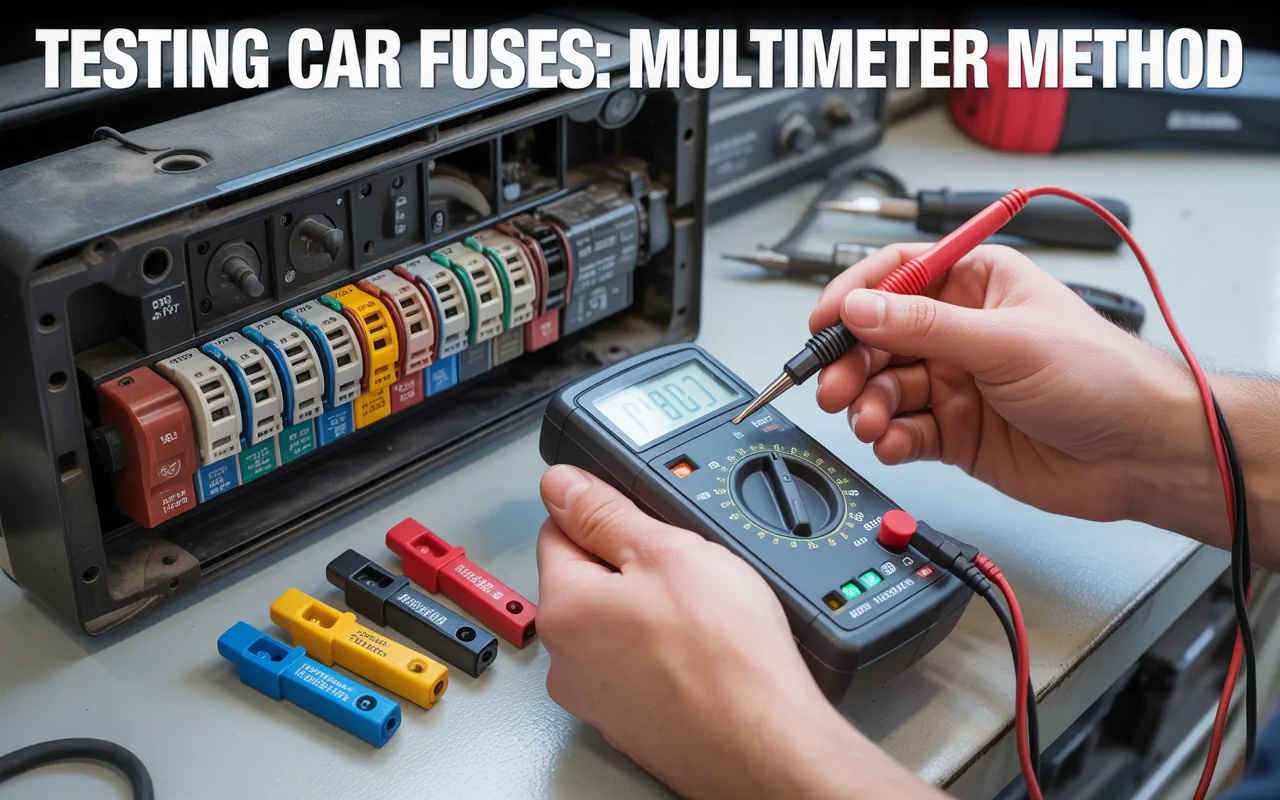
Car electrical issues can be frustrating, but the best way to test car fuses lets you diagnose problems fast and fix them without help from a shop. This guide covers simple steps using basic tools like a multimeter to check for blown fuses in your vehicle and keep everything running well. You will learn safety tips, common signs, and how to handle different fuse types so you feel confident handling these tasks yourself. Save time and money by learning these easy methods today.
You might have noticed your car radio stopped working or the headlights went out suddenly. These issues often point to a problem with the fuses. That is where knowing how to check them becomes useful. Many people feel stuck when their car loses power to certain parts. Yet a quick check can solve the mystery in minutes. The process uses basic items you may already have in your garage or can pick up cheaply at any auto store. Once you get the hang of it you can handle many electrical glitches on your own.
Best Way to Test Car Fuses Easily at Home
Car electrical issues can be frustrating, but the best way to test car fuses lets you diagnose problems fast and fix them without help from a shop. This guide covers simple steps using basic tools like a multimeter to check for blown fuses in your vehicle and keep everything running well. You will learn safety tips, common signs, and how to handle different fuse types so you feel confident handling these tasks yourself. Save time and money by learning these easy methods today.
You might have noticed your car radio stopped working or the headlights went out suddenly. These issues often point to a problem with the fuses. That is where knowing how to check them becomes useful. Many people feel stuck when their car loses power to certain parts. Yet a quick check can solve the mystery in minutes. The process uses basic items you may already have in your garage or can pick up cheaply at any auto store. Once you get the hang of it you can handle many electrical glitches on your own.
Why Car Fuses Matter in Your Vehicle
Car fuses act as safety devices in the electrical system. They protect wires and parts from too much current that could cause damage or fire. Each fuse sits in a box usually under the hood or near the dashboard. When current gets too high the fuse breaks on purpose to stop the flow. This keeps expensive components safe. You may wonder why your car needs so many fuses. Modern vehicles have dozens because they power lights, wipers, radio, power windows, and even the engine control unit. A single bad fuse can make several things stop at once. For example a blown fuse might kill the brake lights and the turn signals together. Drivers who learn these basics avoid surprise breakdowns. They also save on tow truck fees and mechanic bills. Regular checks fit into normal car care just like oil changes or tire rotations. You stay ahead of problems instead of reacting after they happen. Over time fuses can wear out from heat vibration or age even without a short circuit. That is why periodic tests help keep your car reliable for daily drives or long trips.
Signs That Point to a Fuse Problem
Your car gives clear hints when a fuse goes bad. Lights may flicker or stay off completely. The power windows might refuse to move. You could lose the horn or the cigarette lighter outlet. Sometimes the issue shows up only when you turn on certain accessories. For instance the air conditioner fan stops while the blower motor worked fine yesterday. These patterns help you narrow down the cause before you start testing. Pay attention to clusters of failed items because fuses often control groups of circuits. If only one thing fails it might still be a fuse but check the bulb or switch first. Another clue comes from a burning smell near the fuse box though you should never ignore that and stop driving until you investigate safely. Dashboard warning lights can also flash for no clear reason. In some cars the radio cuts out during bumps which points to a loose connection or bad fuse. Kids in the back seat might complain the power outlets no longer charge their devices. All these signs add up and push you to perform a test. Once you spot them you know it is time to act. Quick action prevents small issues from growing into bigger repair jobs later.
Tools You Need to Follow the Best Way to Test Car Fuses
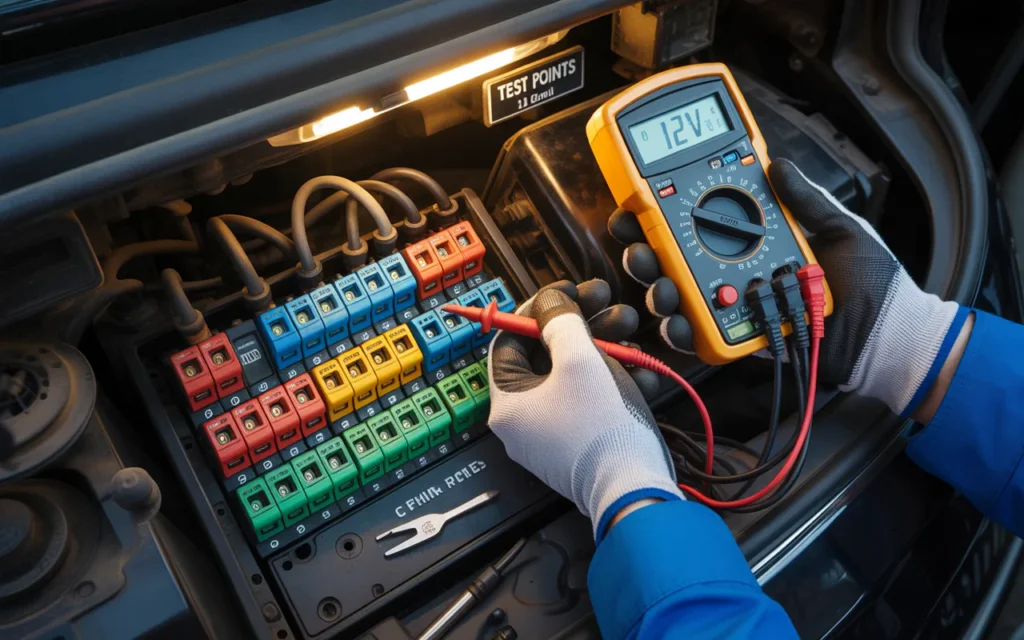
The best way to test car fuses requires just a few simple tools. A digital multimeter tops the list because it gives clear results every time. You set it to continuity mode and listen for a beep that confirms the fuse works. A test light offers another option for quick checks without numbers. It lights up when power flows through the fuse. Both tools cost little and last for years. You also want a fuse puller or needle nose pliers to remove fuses without breaking them. Some people use their fingers but a proper tool avoids cuts or damage. A flashlight helps you see inside the fuse box especially at night or in dim garages. Keep a notepad handy to mark which fuses you checked and their condition. Replacement fuses in various sizes should sit ready in your glove box because you never know when you will need one. These items fit in a small bag so you can carry them in the car for road trips. With practice you will grab the tools and finish the job in under ten minutes. Many auto parts stores sell fuse test kits that combine everything in one package. Start with what you have and add pieces as you gain confidence.
Preparing Your Car for Testing
Safety comes first every single time. Turn off the engine and remove the key from the ignition. This step stops any power flow that could shock you or damage the system. In some vehicles you should disconnect the battery negative terminal for extra protection though most tests work fine with it connected. Locate the fuse box by checking your owner manual. One box usually hides under the hood near the battery. Another may sit inside the cabin under the dashboard or behind a cover on the driver side. Wear safety glasses to protect your eyes from sparks if something goes wrong. Clear the area around the box so you have room to work. Label any loose wires you see but do not touch them yet. Make sure your hands stay dry because moisture and electricity do not mix. These small preparations take only a couple of minutes yet they prevent accidents and make the whole process smoother. You feel calm and in control when everything sits ready before you begin.
Step by Step Guide to the Best Way to Test Car Fuses
The best way to test car fuses follows a clear order that anyone can learn. Begin with the visual check then move to electrical tests. Pull the fuse gently with the tool and hold it up to the light. Look for a broken metal strip inside or black burn marks on the plastic. Many blade fuses show the problem right away. If the visual test looks okay you move to the multimeter. Set the dial to continuity or the ohm symbol. Touch the probes to the two metal blades on the fuse. A beep or reading near zero ohms means the fuse is good. No beep or a high number shows it has blown. You can also test some fuses while they sit in the box by touching the exposed tabs on top. This method saves time when you have many fuses to check. Next try the test light if you prefer. Clip the ground wire to a clean metal spot on the car body. Probe each side of the fuse in the box. The light should glow on both sides if the fuse works. Only one side lights up then the fuse has failed. Write down your findings as you go so you remember which circuit needs a new fuse. After testing put good fuses back exactly where they belong. The whole routine feels straightforward once you do it a couple of times. You gain speed and accuracy with each try.
Visual Check First
Start every session with your eyes. Remove the fuse and inspect it closely under good light. A clear break in the metal or cloudy plastic tells the story immediately. This step needs no tools at all and catches most problems right away. You save battery on your multimeter by skipping it for obvious cases. Many people stop here and replace the fuse without further testing. Yet a full check confirms the diagnosis and rules out other causes like loose connections.
Using a Multimeter for the Test
The multimeter delivers the most reliable results among common tools. Its digital display removes any guesswork. You hear the beep instantly when the circuit completes through a good fuse. For older analog meters watch the needle swing to zero. Practice on a known good fuse first so you recognize the sound or reading. This habit builds trust in your equipment. The multimeter also measures voltage if you want to check power reaching the fuse in the first place.
Trying a Test Light Instead
Some folks prefer the test light for its simplicity. The bright bulb lights up fast and works without batteries in many models. It shows live power on each side of the fuse quickly. Keep the ground clip secure on bare metal to complete the circuit. This method shines when you work in bright daylight and want instant feedback. Combine it with the visual check for solid confirmation every time.
Different Fuse Types and Testing Them
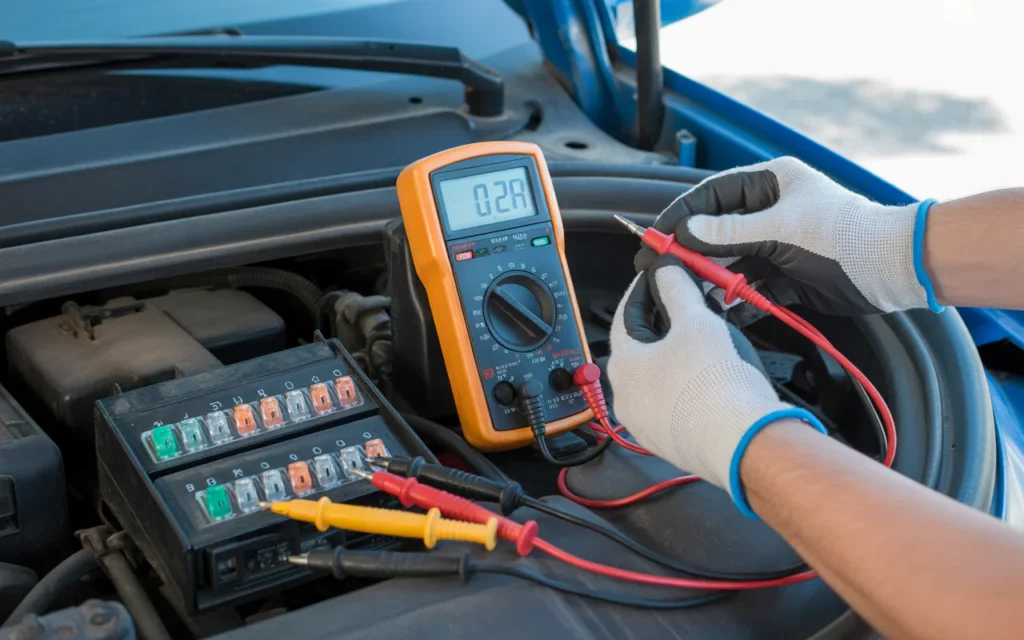
Cars use several fuse styles and each needs its own approach. Blade fuses come in mini low profile standard and maxi sizes. You test them all the same way by checking the blades. Glass tube fuses appear in older vehicles and show the broken wire clearly inside the glass. Ceramic fuses handle higher amps and require the multimeter for accurate checks because cracks can hide. Check your owner manual to match the correct type and amp rating before you buy replacements. Using the wrong size can cause more damage or leave circuits unprotected. Some high end cars have special fuses with indicator lights built in. Those make testing even easier. Learn the shapes and colors so you grab the right part at the store without confusion. This knowledge pays off when you travel and need to buy fuses on the road.
| Fuse Type | Common Use | Easy Test Method |
|---|---|---|
| Blade Mini | Lights and radio | Visual or multimeter on blades |
| Standard Blade | Wipers and horn | Test light on tabs |
| Maxi Blade | Main power circuits | Visual plus continuity check |
| Glass Tube | Older models | Look for broken wire inside |
Common Mistakes People Make
Rushing the job leads to errors that waste time. For example some drivers forget to turn off the car before they pull fuses. This mistake can blow more fuses or harm the electrical system. Others test only one side of the fuse and assume the result covers the whole thing. Always check both sides for complete accuracy. Putting a higher amp fuse in place of a lower one seems like a quick fix but it risks fire or melted wires. Stick to the exact rating listed on the box or in the manual. Ignoring the owner manual causes mix ups with fuse locations too. Take a photo of the fuse box diagram with your phone before you start. That way you put everything back correctly. Another error involves testing with dirty probes that give false readings. Wipe them clean each time. Small habits like these separate successful tests from frustrating ones.
How to Replace the Fuse After the Test
Once you find the bad fuse the replacement step feels simple. Buy the exact same amp rating and type from any auto store. Push the new fuse into the slot until it clicks firmly. Turn the key to accessory position and test the circuit you fixed. The lights or radio should work again. If the new fuse blows right away you have a deeper short that needs professional attention. Keep a few spares of each size in the car so you stay prepared. This quick swap gets you back on the road fast and costs only a few dollars. You feel proud when the car returns to normal after your own work.
| Problem | Possible Cause | Quick Fix Idea |
|---|---|---|
| No power to lights | Blown fuse | Replace after test |
| Radio dead | Fuse or wiring | Check continuity |
| Windows stuck | Shared fuse | Test all related circuits |
| Horn silent | Specific fuse | Visual inspection first |
Advanced Tips for Better Results
Test fuses during regular maintenance even if nothing seems wrong. This habit catches weak ones before they fail at a bad time. Label your fuse box with permanent marker for faster future checks. Keep a printed copy of the diagram in the glove box. For hybrid or electric cars follow the manual closely because high voltage systems need extra care. Some people use a fuse tester tool that plugs in and shows green or red lights instantly. It speeds up the job for those who work on many cars. Clean the fuse box contacts with electrical contact cleaner every year to prevent corrosion. These small steps extend the life of your entire electrical system and reduce surprise failures.
When You Should Call a Mechanic
Some situations go beyond a simple fuse test. If the same fuse blows three times in a row a short circuit likely hides somewhere in the wiring. Leave that to a shop with proper diagnostic tools. Newer cars with computer controlled systems may need special scanners after fuse issues. Heavy smoke or burning smells mean stop testing and get help immediately. You know your car best so trust your gut if something feels off after the test. Professional mechanics bring years of experience to tricky problems and can spot issues you might miss. They also have access to wiring diagrams for every make and model. Use their skills when your test points to bigger trouble.
“The best way to test car fuses starts with safety and a good multimeter.” says Mike Reynolds, a veteran auto technician with over 20 years of experience.
“Always test fuses in a systematic way to find the bad one quickly.” notes Lisa Chen, certified car electrician.
“Replacing a fuse is easy once you know how to check them properly.” according to Tom Patel, garage owner.
Frequently Asked Questions
How often should I check my car fuses? Many drivers test them every six months or during oil changes. This schedule catches problems early without much effort.
Can I test fuses without removing them from the box? Yes you can on many blade fuses by touching the metal tabs on top with your probes. It saves time during quick checks.
What if my car uses special fuses? Check the owner manual for exact details. Most methods still apply but you may need adapters for certain types.
Is it safe to drive with a blown fuse? It depends on which circuit failed. Avoid driving if brakes or headlights lose power. Fix safety related fuses right away.
Do I need expensive tools? No basic multimeter or test light works fine for home use. Start simple and add better tools later if you want.
Why does the same fuse keep blowing? A short in the wiring or a faulty part pulls too much current. You need to trace the circuit to find the real cause.
These questions come up often and the answers help you build confidence over time.
Conclusion
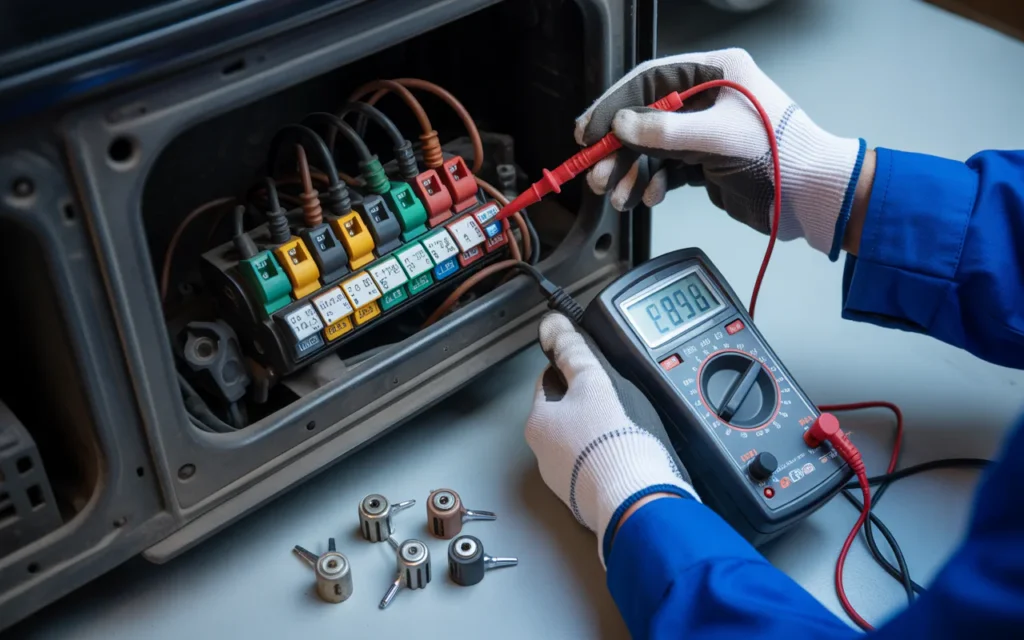
You now hold all the pieces to handle fuse issues like a pro. The steps stay simple and the tools stay cheap. Each time you perform the test you learn more about your car and gain independence on the road. Share these tips with family and friends so they can fix their own cars too. Regular attention to fuses keeps electrical systems strong and reliable for years ahead. You save money avoid frustration and enjoy smoother drives every day. Take a few minutes this weekend to locate your fuse box and practice the process. The effort pays back many times over when you face a real problem. Drive safe and stay prepared for whatever comes your way.
Related posts
 2026 Torque Wrench Reviews: Choosing the Right Tool for Precision Fastening
Explore our 2026 torque wrench reviews to find the right tool for your automotive, bike, or gunsmithing projects. Compare top models for accuracy and value. Finding…
 Top Automotive Tools for Beginners: Essential Gear for 2026
Discover the top automotive tools for beginners in 2026. Compare essential pry kits, wrench sets, and repair gear to start your DIY car maintenance journey. Starting…
 Top Rated Mechanic Tool Brands for 2026
Explore top rated mechanic tool brands for 2026. Compare reliable socket sets and hand tools to find the right equipment for your home garage or auto…