
What Is Home Organization? Defining Systems for a Functional Space
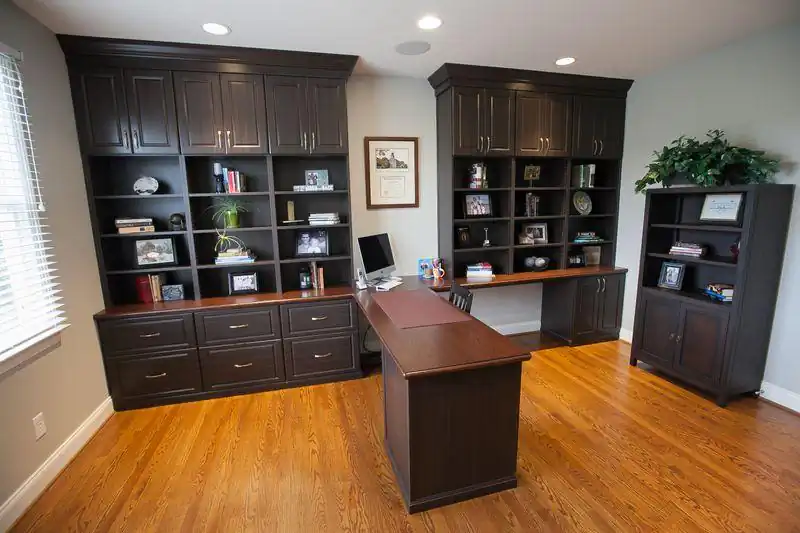
Home organization is the process of creating logical, sustainable systems for your belongings and household tasks. It goes beyond simply cleaning or tidying up; it involves assigning a specific, accessible ‘home’ for every item you own so that your living space supports your daily activities rather than hindering them.
At its core, effective organization is about reducing friction. When your home is organized, you spend less time searching for items, managing excess inventory, or resetting your space after a busy day. It is a continuous practice of evaluating what you need and ensuring those items are stored in a way that makes sense for how you actually live.
| Topic | When it helps | What to keep in mind |
|---|---|---|
| Decluttering | Starting any new organization project. | Do not buy storage containers until you have finished decluttering. |
| Categorization | Managing inventory in kitchens, closets, and garages. | Avoid over-categorizing, which makes it harder to put things away. |
| Maintenance | Long-term success in any living space. | Systems fail when they are too complex to follow daily. |
The Three Pillars of Functional Systems
What Is Home Organization. Home organization relies on three distinct phases: decluttering, categorizing, and maintaining. Many people jump straight to the third phase by purchasing bins or labels, but without the first two, you are simply organizing clutter.
A functional system is one that accounts for your habits. If you find it difficult to put away laundry, the system is likely too complex. True organization should feel like a natural extension of your daily routine rather than a chore you have to force.
In a kitchen, the ‘system’ means keeping coffee mugs near the coffee maker, not just in a random cupboard.
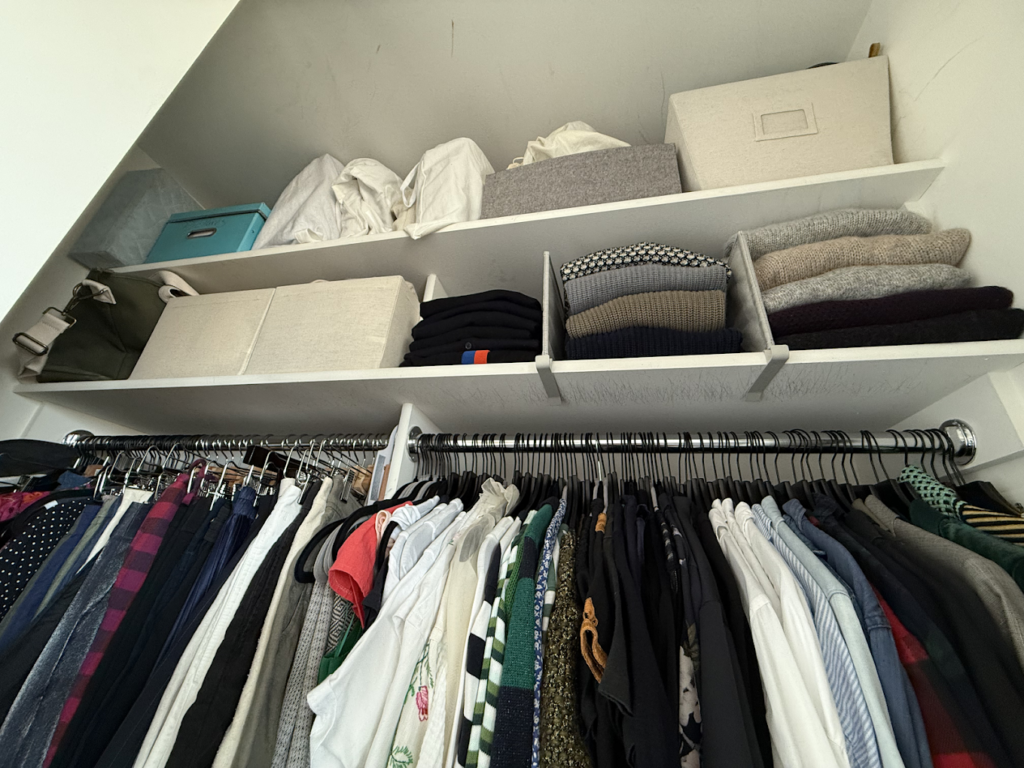
Buying storage solutions before you know what you are storing.
- Decluttering: Removing the excess to make space for what matters.
- Categorization: Placing like items together to simplify retrieval.
- Maintenance: Establishing a habit of returning items to their home.
Common Misconceptions About Organizing
One of the biggest myths is that organization is about aesthetics. While a tidy home can look beautiful, the primary goal is function. If your space looks perfect but you cannot find your keys or your tools, it is not truly organized.
Another common mistake is the ‘container trap.’ People often believe that buying expensive, matching bins will solve their clutter problems. In reality, containers are just tools to hold items; they cannot fix a lack of a system or an excess of belongings.
Thinking that a perfectly labeled pantry is ‘organized’ even if the items inside are expired or unused.
Assuming that organization is a one-time event that will stay perfect forever.
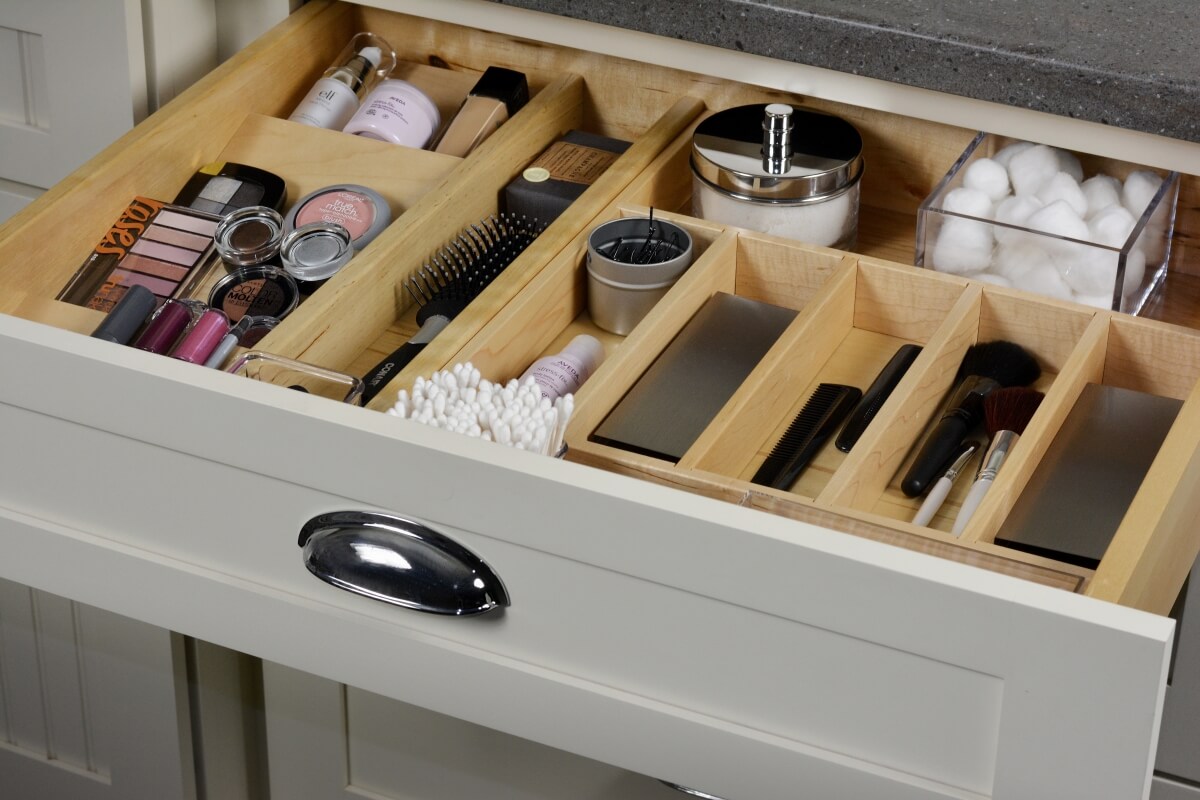
| Myth | Reality |
|---|---|
| Organization is a one-time project | Organization is a daily maintenance habit |
| Buying bins creates organization | Systems create organization; bins are just tools |
| Everything must be visible | Accessibility is more important than visibility |
Core Components of an Organized Home
An organized home is defined by the accessibility of your items. The things you use daily should be the easiest to reach, while seasonal or rarely used items should be stored in less accessible locations.
Effective organization also requires clear boundaries. When you know exactly how much space you have for a category-such as a single drawer for office supplies-you are naturally limited by that space, which prevents clutter from accumulating.
A ‘landing strip’ near the front door for keys, mail, and bags is a core component of an organized entryway.
Storing items in high-traffic areas that are rarely used.
- Prime Real Estate: Keep daily items at eye level or within easy reach.
- Defined Boundaries: Assign specific zones for specific item categories.
- Labeling: Use labels to ensure everyone in the household knows where items belong.
- Flexibility: Allow systems to evolve as your needs change over time.
Definition of home organization
- Organization is about creating systems that serve your daily habits.
- Decluttering must always precede the creation of storage systems.
- A system is only successful if it is easy to maintain long-term.
- Accessibility is more important than visual perfection.

Focus on the definition the
Decluttering. The Foundation: Decluttering
The process of removing items that no longer serve a purpose or fit your lifestyle before attempting to organize what remains.
- Starting any new organization project.
- Do not buy storage containers until you have finished decluttering.
- If you haven’t used an item in a year, consider if it truly belongs in your home.
- Focus – Reduction
- Priority – High
Categorization. The Logic: Categorization
Grouping similar items together so that you know exactly where to find them and how much of a specific item you own.
- Managing inventory in kitchens, closets, and garages.
- Avoid over-categorizing, which makes it harder to put things away.
- Group by function (e.g., ‘baking supplies’) rather than just by object type.
- Focus – Grouping
- Priority – Medium
Maintenance. The Habit: Maintenance
The ongoing effort to return items to their designated homes after use, ensuring the system remains functional over time.
- Long-term success in any living space.
- Systems fail when they are too complex to follow daily.
- Spend 5-10 minutes each evening resetting your main living areas.
- Focus – Sustainability
- Priority – Ongoing
FAQs
What is the difference between decluttering and organizing?
Decluttering is the act of removing items you no longer need. Organizing is the act of creating a system to store and manage the items you have decided to keep.
How do I know if my home is organized?
Your home is organized if you can find what you need quickly, put items away easily, and your space supports your daily habits without causing stress.
Is it expensive to organize a home?
It does not have to be. You can use existing boxes, baskets, or simply rearrange items to create better flow. You do not need expensive storage products to be organized.
How often should I reorganize my home?
You should not need to ‘reorganize’ often if your systems are sustainable. However, you should perform small maintenance checks seasonally to adjust for changes in your lifestyle.
Conclusion
What Is Home Organization. Home organization is not a destination or a final state of perfection; it is a continuous process of aligning your physical environment with your daily needs. By focusing on creating simple, sustainable systems rather than chasing aesthetic trends, you can reduce the mental load of managing your household.
Start small by identifying one area that causes you daily frustration. Declutter the excess, group what remains, and create a clear home for those items. Consistency in maintaining these small systems is the true secret to a functional, clutter-free home.
Related posts
 Why Pest Control Is Important at Home: Protecting Health and Property
Discover why pest control is important at home. Learn how regular pest management protects your family’s health, prevents property damage, and secures your food. Understanding why…
 How to Test a Car Ground Connection: Step-by-Step Multimeter Methods
Learn how to test a car ground connection using a digital multimeter. Follow our step-by-step guide to diagnose voltage drops, resistance, and bad grounds. A car…
 Why Do Dogs Stare at Walls? Common Causes and When to Worry
Wondering why do dogs stare at walls? Discover the sensory, behavioral, and medical reasons behind this behavior, and learn when to contact your veterinarian. When you…