
What Are The Best Emergency Kits For Cars
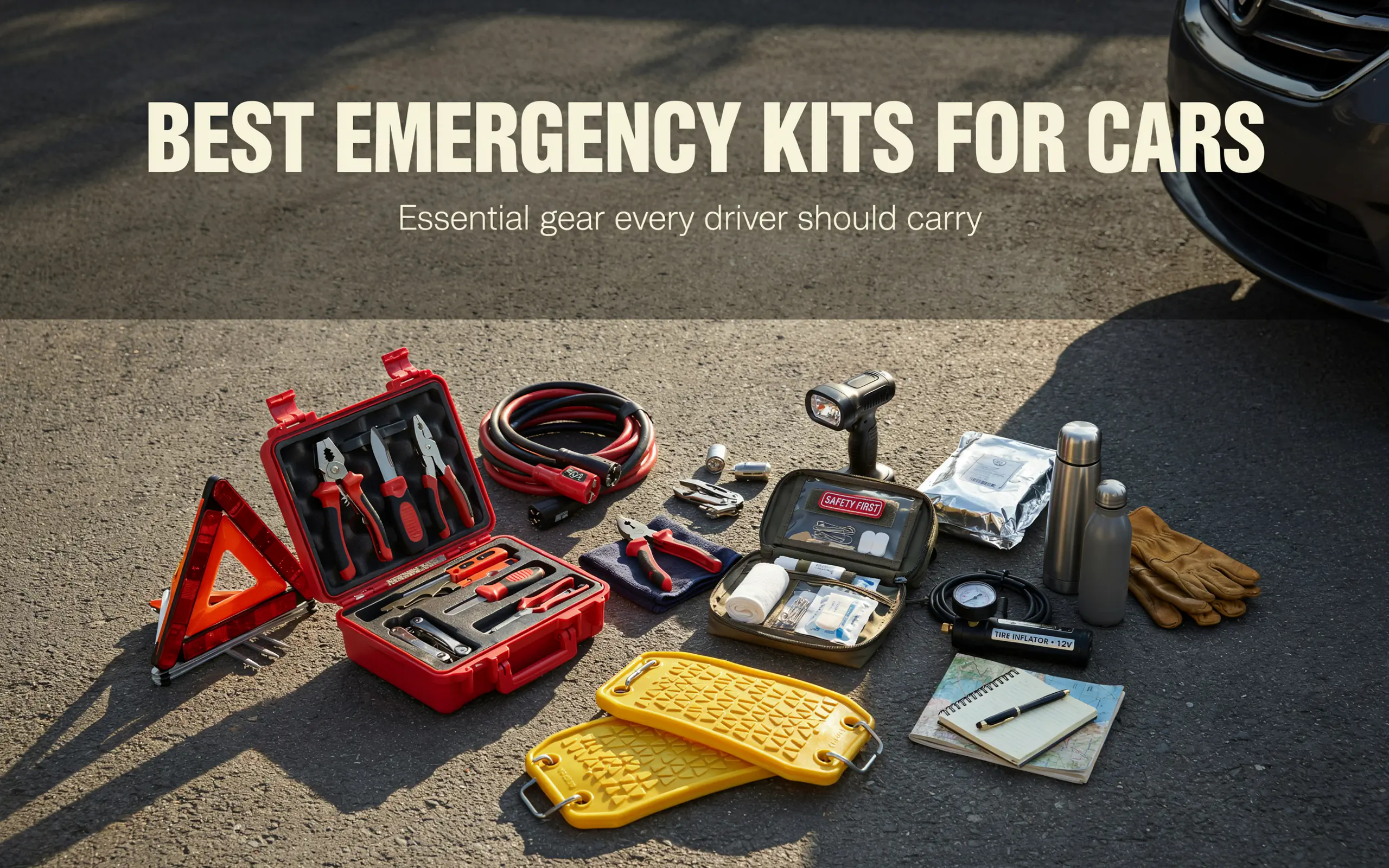
If you are looking for the best emergency kits for cars, this guide gives you clear answers. We review top picks, key features, and must-have items so you stay safe on the road.
Getting stuck on the road is never fun. A flat tire, a dead battery, or bad weather can happen to anyone. That is why you need help ready in your trunk. The right gear can turn a bad day into just a small delay. So what are the best emergency kits for cars? This article gives you honest answers. We look at real products, must-have tools, and simple tips. You will learn how to pick a kit that fits your car and your family. Let’s get started.
Why You Need a Car Emergency Kit
Many drivers think they will never need help. But car trouble does not send a warning. A sudden storm or a late night on a empty road can leave you stranded. Having supplies close by gives you peace of mind. It also keeps you safe until help arrives.
“Being prepared is not about fear. It is about freedom. Freedom to drive anywhere without worry.” – Laurel Parker, AAA roadside safety expert
A good kit helps with small problems. You can fix a flat tire. You can jump start your battery. You can call for help if your phone dies. Without a kit, a simple issue becomes a big headache.
Every car should have emergency gear. Even new cars break down. Even short trips can go wrong. Do not wait until you need it. Get a kit now.
What to Look For in the Best Emergency Kits for Cars
Not all kits are the same. Some have cheap tools that break fast. Others miss important items. When you search for the best emergency kits for cars, check these features first.
Key Features Checklist
| Feature | Why It Matters |
|---|---|
| Jumper cables | Start a dead battery without waiting for help. |
| Tire inflator | Fix a slow leak or low pressure quickly. |
| First aid supplies | Treat small cuts, scrapes, or burns. |
| Reflective triangles | Warn other drivers so you stay safe. |
| Flashlight with batteries | See at night or signal for help. |
| Multi-tool | Cut belts, open cans, or make small repairs. |
| Blanket | Stay warm if stuck in cold weather. |
| Non-perishable snacks | Keep energy up if waiting for hours. |
Build Quality Matters
Look for strong zippers, thick fabric, and well-made tools. Cheap plastic breaks in cold weather. Thin wires melt if used wrong. Read reviews from real buyers. Avoid kits with many tiny, useless items. The best emergency kits for cars focus on reliability, not just lots of pieces.
Size and Storage
Your kit should fit in your trunk or under a seat. It should not take up all your space. A compact bag or box is best. Make sure it is easy to grab fast. Some kits come in a soft case. Others use a hard plastic box. Both work well. Pick what fits your car.
Weather Suitability
If you live where it snows, add a shovel and hand warmers. If you live in a hot desert, add extra water and sun protection. Think about your local weather. The kit you buy should match your real driving conditions.
Top Picks: The Best Emergency Kits for Cars
We looked at many brands. We checked customer feedback and expert reviews. Here are five of the best emergency kits for cars for different needs and budgets.
1. AAA Road Kit
AAA is a trusted name in roadside help. Their kit comes with jumper cables, a flashlight, a first aid kit, and reflective triangles. It also has a rain poncho and zip ties. The bag is bright yellow so you can see it in the dark. This kit is great for families.
Pros: Durable case, good variety of tools, trusted brand.
Cons: No tire inflator, a bit pricey.
2. EverStart Basic Kit
EverStart sells this kit at Walmart. It has jumper cables, a tow strap, a flashlight, and basic first aid. The price is very low. That makes it a good choice for a second car or a new driver. The tools are simple but they work.
Pros: Affordable, easy to find in stores.
Cons: Cables are short, first aid is very basic.
3. Lifeline AAA Premium Kit
This is a bigger version of the AAA kit. It adds a tire inflator, a work light, a blanket, and road flares. It also includes a 100-piece first aid kit. This is one of the best emergency kits for cars if you take long trips or drive in remote areas.
Pros: Very complete, high quality, includes inflator.
Cons: Large size, higher cost.
4. SecureID Roadside Assistance Kit
This kit fits in a small bag. It has jumper cables, a seatbelt cutter, a window breaker, and first aid. The window breaker can save your life if you go into water. The bag is small enough for a motorcycle or a small car.
Pros: Compact, includes safety hammer, low price.
Cons: Jumper cables are thin, no blanket.
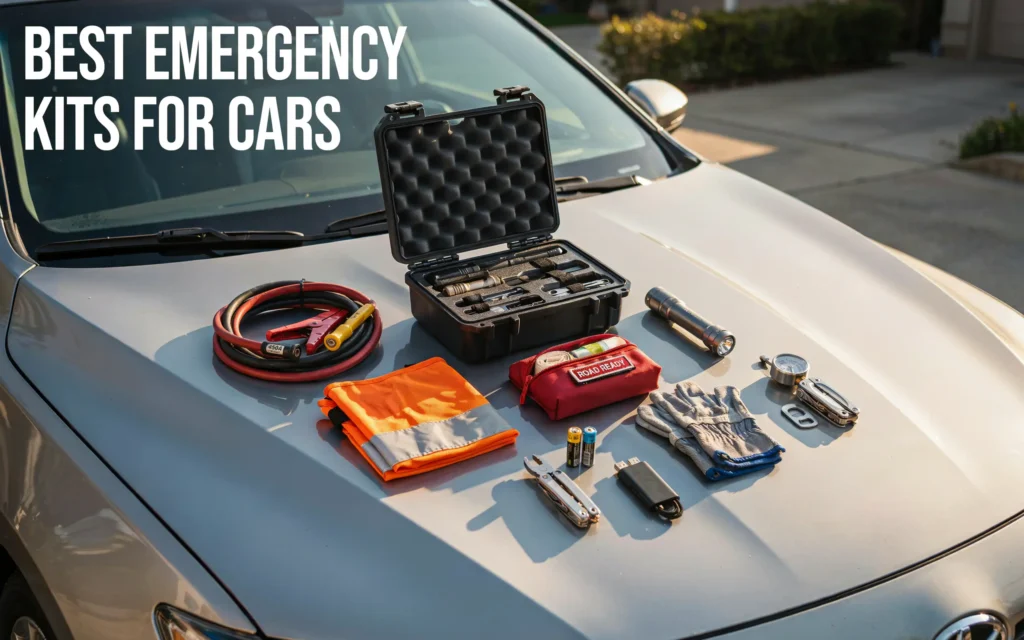
5. Red Fuel Emergency Kit
Red Fuel makes a kit for extreme weather. It includes a heavy blanket, hand warmers, a snow shovel, and a battery pack for jump starting. It also has a whistle and a signal mirror. This kit is best for cold climates.
Pros: Great for winter, includes battery jump pack.
Cons: Heavy, not needed for warm areas.
“After testing over 30 products, I believe the best kit is the one you actually keep in your car. Even a simple kit beats an expensive one left at home.” – Carlos Mendez, auto gear reviewer for DriveSafe Magazine
Comparison Table: Top 5 Kits at a Glance
| Kit Name | Price Range | Jumper Cables | Tire Inflator | First Aid | Blanket | Best For |
|---|---|---|---|---|---|---|
| AAA Road Kit | $$ | Yes | No | Basic | No | Everyday driving |
| EverStart Basic | $ | Yes | No | Very basic | No | Budget buyers |
| Lifeline AAA Premium | $$$ | Yes | Yes | 100 pieces | Yes | Long trips |
| SecureID | $ | Yes | No | Basic | No | Small cars |
| Red Fuel | $$$ | Yes (battery pack) | No | Basic | Heavy | Cold weather |
Build Your Own Kit vs. Buying a Pre-Made Kit
Some people like to build their own emergency set. Others prefer a ready-made box. Both ways can give you the best emergency kits for cars. Let’s look at the good and bad of each.
Building Your Own Kit
You choose every item. You can buy high-quality tools that last. You avoid cheap extras you never use. You also learn what each tool does because you picked it yourself.
What you need to build your own:
- Jumper cables (12 gauge or thicker)
- Tire pressure gauge
- Compact air compressor (plugs into car)
- Basic first aid supplies (bandages, antiseptic wipes, tape)
- Flashlight with extra batteries
- Reflective vest and triangles
- Multi-tool or small wrench set
- Blanket (wool or mylar)
- Water and snacks
- Phone charger and power bank
The downside is cost and time. Buying items one by one often costs more. You also need to find a bag or box to hold everything.
Buying a Pre-Made Kit
It saves time. Everything comes in one box. Most pre-made kits cost less than building your own. They are also compact and easy to store.
The downside is quality. Some brands put in very cheap tools. Jumper cables might be too thin. The flashlight might break fast. Always read reviews before you buy. Look for trusted brand names like AAA, EverStart, Lifeline, or Red Fuel.
Which Is Better?
If you know about cars and have time, build your own. You get exactly what you need. If you want a simple solution, buy a good pre-made kit. Then add a few extra items like water and a power bank. That gives you the best of both ways.
“Never trust a kit that has 200 pieces but no real jumper cables. Quality over quantity every time.” – Janice Wu, certified mechanic and safety instructor
Seasonal Updates for Your Car Kit
The best emergency kits for cars change with the weather. What you need in summer is different from winter. Update your kit twice a year.
Summer Add-Ons
- Extra water (at least 2 liters)
- Sunscreen and a hat
- Cooling towel or spray bottle
- Battery fan (optional)
Heat can damage some items. Do not leave chocolate or electronics in direct sun. Check your first aid kit for glue melting.
Winter Add-Ons
- Ice scraper and snow brush
- Hand warmers (several pairs)
- Heavy blanket or sleeping bag
- Sand or kitty litter for traction
- Shovel (foldable type)
- Extra warm gloves and hat
Cold drains phone batteries fast. Keep a power bank inside your jacket, not in the trunk. Also check that your jumper cables are not frozen stiff.
All-Year Checklist
No matter the season, check your kit every three months. Look for:
- Expired food or medicine
- Dead flashlight batteries
- Rust on tools
- Torn bag or broken zipper
- Missing items you used last time
A small check takes five minutes. It makes sure your kit works when you need it.
How to Store Your Car Emergency Kit
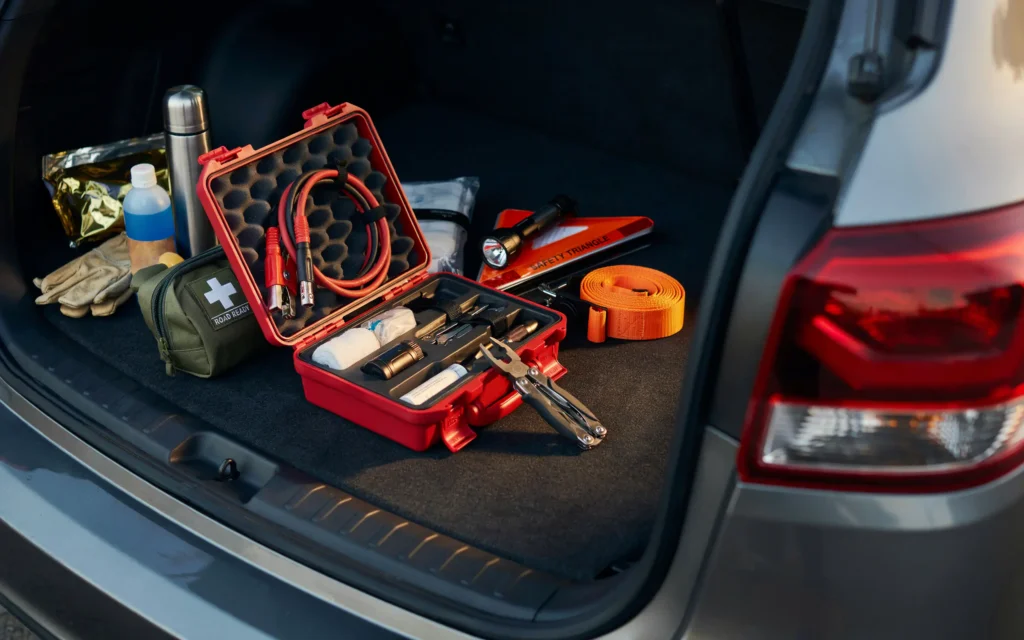
Where you put your kit matters. Do not throw it loose in the trunk. Items will roll around and get damaged. Use a bag or box that stays in one place. Many people put their kit under the trunk floor near the spare tire. That keeps it out of the way.
If you drive an SUV or hatchback, secure the kit with a strap. Hard braking can send it flying. A flying kit can hurt passengers or break windows.
Keep a second small kit inside the car. Put it in the glove box or under a seat. This small kit should have a phone charger, a window breaker, a seatbelt cutter, and a flashlight. You want these items close when you cannot reach the trunk.
What About Portable Jump Starters?
A traditional jumper cable needs another car to help. But a portable jump starter works alone. You connect it to your dead battery and start your car. No second car needed. These devices are small and powerful.
Many of the best emergency kits for cars now include a jump starter instead of cables. That is a good upgrade if you have the budget. Look for a jump starter with at least 1000 peak amps. Make sure it works with your car engine size (4-cylinder, 6-cylinder, or 8-cylinder). Charge the device every six months.
Even with a jump starter, keep regular jumper cables as backup. Electronics can fail. Cables never need charging.
First Aid: The Most Overlooked Part
Many car kits include a tiny first aid pouch with five bandages. That is not enough. A real first aid kit should handle cuts, burns, and sprains. At a minimum, look for:
- 20+ adhesive bandages in different sizes
- Gauze pads and medical tape
- Antiseptic wipes and antibiotic cream
- Burn gel or spray
- Tweezers and scissors
- Pain relief pills (aspirin or ibuprofen)
- Latex-free gloves
If you buy a pre-made kit with weak first aid, upgrade it yourself. A small first aid refill pack costs very little. Add it to your kit.
“You do not need to be a doctor to help. You just need the right supplies and a calm mind.” – Dr. Emily Hart, emergency medicine physician
Frequently Asked Questions
How much should I spend on a car emergency kit?
You can get a basic kit for 20 to 30 dollars. A good mid-range kit costs 50 to 80 dollars. A premium kit with a jump starter and tire inflator runs 100 to 150 dollars. Pick what fits your budget. A 30 dollar kit is far better than no kit.
Can I leave my kit in the car all year?
Yes, but check it often. Heat and cold can damage batteries, food, and medicine. Replace any item that looks bad. Store water in a insulated bag if your car gets very hot.
What is the single most important item?
Jumper cables or a jump starter. A dead battery is the most common roadside problem. Without cables, you have to wait for a tow truck. With cables, any driver can help you in minutes.
Do I need a kit for a new car?
Yes. New cars break down too. Flat tires happen to every car. Also, new cars often come without a spare tire. They use a sealant kit that does not always work. Adding your own emergency gear is smart.
How do I know if the best emergency kits for cars for me is a pre-made or DIY?
If you are busy or new to cars, buy a pre-made kit from a trusted brand. If you have time and know what tools you like, build your own. Both are good choices as long as you actually keep the kit in your car.
What about a fire extinguisher?
A small car fire extinguisher is a great extra. Look for a class B or C rating for fuel and electrical fires. Mount it in your trunk or under a seat. Do not buy a large one. A 2.5 pound unit is enough.
How to Use Your Kit in a Real Emergency
Having a kit is step one. Knowing how to use it is step two. Practice a few skills at home.
- Learn to jump start a battery safely. Red to red, black to metal ground.
- Practice changing a tire with your car jack.
- Use your window breaker on a old piece of glass (safely).
- Open and close your multi-tool so you know the parts.
Keep a printed list of steps inside your kit. Your phone might die or have no signal. Paper does not need a battery.
If you break down, stay calm. Pull off the road away from traffic. Turn on your hazard lights. Put reflective triangles behind your car. Call for help. Use your kit items one at a time. Do not rush.
Final Thoughts on Staying Ready
Driving is part of daily life for most people. But roads are unpredictable. A nail on the highway, a storm that rolls in fast, a battery that gives up. These things happen to careful drivers too.
The best emergency kits for cars are not just for long road trips. They are for the drive to work, the school pickup line, and the late night run to the store. They give you control when things go wrong.
Take action today. Look in your trunk. Do you have jumper cables? Do you have a flashlight? Do you have first aid? If the answer is no to any of these, get a kit. You do not need to spend a lot. You just need to start.
“Preparation does not cost much. But regret costs everything when you are stuck on the side of the road.” – Mark Benson, former tow truck operator and safety blogger
Conclusion
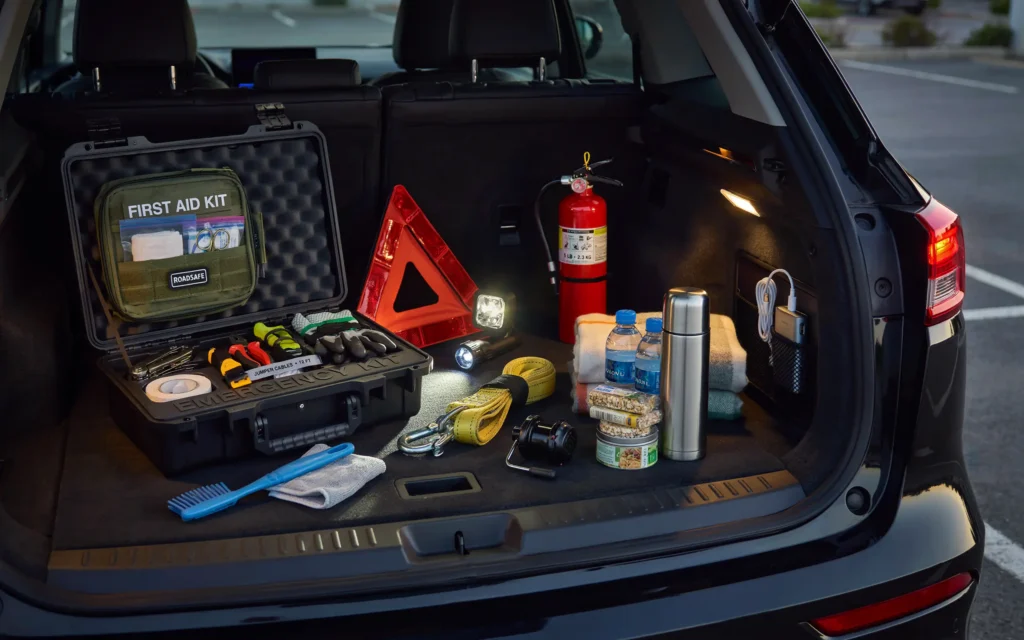
So what are the best emergency kits for cars? The answer depends on your budget, your climate, and your car. But a few kits stand out for most drivers. The AAA Road Kit is great for everyday use. The Lifeline Premium Kit is best for long trips. The EverStart Basic Kit works if money is tight. For cold weather, choose the Red Fuel kit.
No matter which kit you pick, remember to check it twice a year. Add water and snacks. Keep a phone charger handy. And know how to use every tool.
The best emergency kits for cars are the ones that stay in your car, ready to help. Do not leave yours in the garage. Put it in the trunk today. You will thank yourself later.
Related posts
 2026 Torque Wrench Reviews: Choosing the Right Tool for Precision Fastening
Explore our 2026 torque wrench reviews to find the right tool for your automotive, bike, or gunsmithing projects. Compare top models for accuracy and value. Finding…
 Top Automotive Tools for Beginners: Essential Gear for 2026
Discover the top automotive tools for beginners in 2026. Compare essential pry kits, wrench sets, and repair gear to start your DIY car maintenance journey. Starting…
 Top Rated Mechanic Tool Brands for 2026
Explore top rated mechanic tool brands for 2026. Compare reliable socket sets and hand tools to find the right equipment for your home garage or auto…