
Signs You Need a Car Diagnostic Tool

Your car is a complex machine, and sometimes it sends out signals when something isn’t quite right. Recognizing these signs is key to keeping your vehicle running smoothly and avoiding costly repairs down the line.
A car diagnostic tool, often called an OBD2 scanner, plugs into your car’s onboard computer to read trouble codes. These codes provide specific information about what system is malfunctioning.
Illuminated check engine light
- The check engine light is a primary, but not the only, sign you need a.
- Changes in your car’s performance, like rough idling or stalling, are strong indicators.
- Unusual noises or smells can point to issues a scanner can help diagnose.
- A diagnostic tool can help you understand your car’s health before minor issues become major.
| Topic | When it helps | What to keep in mind |
|---|---|---|
| warning_light | Any car owner experiencing this warning. | Ignoring a solid check engine light can lead to further damage and reduced fuel efficiency. |
| warning_light | Drivers who see lights like ABS, SRS, oil can, battery symbol, or tire pressure warning. | These lights often relate to safety systems. |
| performance_change | Drivers who feel their car isn’t performing as it used to. | These issues can worsen quickly and affect drivability and safety. |
| performance_change | Anyone who hears or smells something out of the ordinary from their vehicle. | Some noises or smells can indicate immediate danger, like a coolant leak leading to overheating or a failing. |
| efficiency_change | Drivers who track their fuel consumption and notice a significant drop. | Poor fuel economy can be a symptom of emissions system problems, which can lead to failed inspections and. |
| starting_issue | Drivers experiencing intermittent or consistent starting problems. | A car that won’t start leaves you stranded. |
| maintenance | Proactive car owners who want to stay ahead of maintenance. | Don’t rely solely on a diagnostic tool for maintenance; always follow your manufacturer’s recommended service schedule. |
When Dashboard Lights Signal Trouble
Your car’s dashboard is a communication hub, and warning lights are its direct messages to you. The most famous is the ‘Check Engine’ light, but others, like the ABS, airbag, oil pressure, and battery warning lights, are equally important.
While a solid check engine light might allow you to drive cautiously to a mechanic or to scan it yourself, a flashing light is a more urgent warning. It often signifies a severe issue, such as an engine misfire, that could cause significant damage if ignored.
Imagine your ‘Check Engine’ light illuminates.
Ignoring any illuminated warning light, especially the check engine light or safety system indicators, hoping it will go away on its own.

Recognizing Subtle Changes in Your Car’s Behavior
Cars can often signal trouble through more than just dashboard lights. Pay attention to how your vehicle feels and sounds.
New or unusual sounds are also critical indicators. A persistent knocking from the engine, a grinding noise when braking, or a high-pitched squeal from the belts could point to worn components or fluid leaks.
You might notice your car hesitates slightly when you press the accelerator, or the engine sounds rougher at idle than usual.
Dismissing unusual noises, smells, or performance quirks as ‘just the way the car is’ or minor annoyances, rather than potential indicators of developing problems.
The Role of Diagnostic Tools in Preventative Maintenance
While many people turn to diagnostic tools only when a warning light appears, they can also be powerful allies in preventative maintenance. Regularly scanning your vehicle, especially around scheduled service intervals, can help you catch potential issues before they manifest as noticeable problems or trigger a dashboard alert.
Think of it like a regular check-up for your car’s computer. A diagnostic tool can reveal minor fault codes that might not yet be severe enough to illuminate a warning light but could indicate a component that is starting to fail or an area that needs attention.
Before a long road trip, you might use your diagnostic tool for a quick scan.
Waiting until a warning light appears or a problem becomes severe before considering a diagnostic tool.
When to Seek Professional Help
While a car diagnostic tool is incredibly useful for identifying the cause of a problem, it’s not always the solution for the fix. Some issues are straightforward enough for a DIYer to handle, like replacing a faulty oxygen sensor or a mass airflow sensor after confirming the code.

For complex systems like internal engine components, advanced transmission issues, intricate electrical wiring problems, or safety systems like airbags and ABS, it’s often best to consult a professional mechanic. They have the expertise to interpret diagnostic codes in the context of the entire vehicle and perform repairs safely.
Your diagnostic tool reads a code indicating a transmission issue (e.g., P0740 for torque converter clutch circuit malfunction).
Attempting complex repairs based solely on a diagnostic code without understanding the full scope of the problem or lacking the necessary tools and expertise.
This article should focus specifically
warning_light. The Check Engine Light is On
This is the most common and direct indicator that your car’s computer has detected a problem with the engine, emissions system, transmission, or other critical components. The light can mean anything from a loose gas cap to a serious engine misfire.
- Any car owner experiencing this warning.
- Ignoring a solid check engine light can lead to further damage and reduced fuel efficiency.
- Scan the vehicle with a diagnostic tool to retrieve the specific error code(s) and understand the nature of.
warning_light. Other Dashboard Warning Lights Illuminate
Beyond the check engine light, your dashboard has other indicators for systems like the ABS (Anti-lock Braking System), airbag, oil pressure, battery, and tire pressure. Any of these illuminating suggests a problem within that specific system.
- Drivers who see lights like ABS, SRS, oil can, battery symbol, or tire pressure warning.
- These lights often relate to safety systems.
- A diagnostic tool can often read codes related to these systems, helping to identify the cause of the.
performance_change. Noticeable Changes in Engine Performance
If your car starts to run differently, it’s a strong sign. This includes rough idling, engine sputtering, hesitations during acceleration, stalling, or a general loss of power.
- Drivers who feel their car isn’t performing as it used to.
- These issues can worsen quickly and affect drivability and safety.
- A diagnostic tool can help pinpoint which sensor or component is reporting incorrect data, leading to these performance.

performance_change. Unusual Noises or Smells
New sounds like knocking, grinding, hissing, or squealing, or new smells like burning oil, rubber, or a sweet coolant odor, are clear signals that something is wrong. These can indicate leaks, worn parts, or overheating.
- Anyone who hears or smells something out of the ordinary from their vehicle.
- Some noises or smells can indicate immediate danger, like a coolant leak leading to overheating or a failing.
- While a diagnostic tool won’t directly ‘hear’ or ‘smell,’ it can help identify related system faults that might.
efficiency_change. Decreased Fuel Efficiency
If you’re finding yourself stopping at the gas station more often than usual, even with similar driving habits, your car might be working harder than it needs to. This can be caused by issues with oxygen sensors, catalytic converters, or engine timing.
- Drivers who track their fuel consumption and notice a significant drop.
- Poor fuel economy can be a symptom of emissions system problems, which can lead to failed inspections and.
- A diagnostic tool can help identify faulty sensors or components that are negatively impacting your car’s fuel economy.
starting_issue. Difficulty Starting the Car
If your car struggles to start, cranks slowly, or requires multiple attempts, it could be a sign of battery problems, a failing starter, fuel pump issues, or even electrical system faults.
- Drivers experiencing intermittent or consistent starting problems.
- A car that won’t start leaves you stranded.
- Diagnostic tools can check battery voltage and communicate with the engine control module to identify starting-related fault codes.
maintenance. Routine Maintenance Intervals Approaching
Even if your car is running perfectly, using a diagnostic tool around scheduled maintenance can help identify potential issues before they become problems. It’s a proactive step to ensure everything is functioning optimally.
- Proactive car owners who want to stay ahead of maintenance.
- Don’t rely solely on a diagnostic tool for maintenance; always follow your manufacturer’s recommended service schedule.
- A quick scan during routine checks can reveal minor issues that might be missed during a visual inspection.
FAQs
What’s the difference between a car diagnostic tool and a mechanic’s diagnostic test?
A car diagnostic tool (like an OBD2 scanner) reads generic or manufacturer-specific trouble codes from your car’s computer. A mechanic’s diagnostic test often involves using more advanced equipment.
Can a diagnostic tool tell me exactly what part to replace?
A diagnostic tool provides error codes that point to a specific system or component that is malfunctioning. While it often suggests the faulty part, it’s not always definitive.
How often should I use a car diagnostic tool?
You should use a diagnostic tool whenever a warning light appears on your dashboard. For proactive maintenance, a quick scan every few months or before long trips can.
Will a diagnostic tool work on any car?
Most modern cars (generally 1996 and newer in the US, and similar for other regions) use the standardized OBD2 (On-Board Diagnostics II) system, so most OBD2 scanners will.
Conclusion
Paying attention to your car’s signals is crucial for its longevity and your safety. From illuminated warning lights to subtle changes in performance, these indicators are your car’s way of asking for attention.
By understanding when to use a diagnostic tool, you can move from simply reacting to problems to proactively managing your vehicle’s health. This knowledge empowers you to make informed decisions, communicate effectively with mechanics, and potentially.
Related posts
 Why Do Dogs Stare at Walls? Common Causes and When to Worry
Wondering why do dogs stare at walls? Discover the sensory, behavioral, and medical reasons behind this behavior, and learn when to contact your veterinarian. When you…
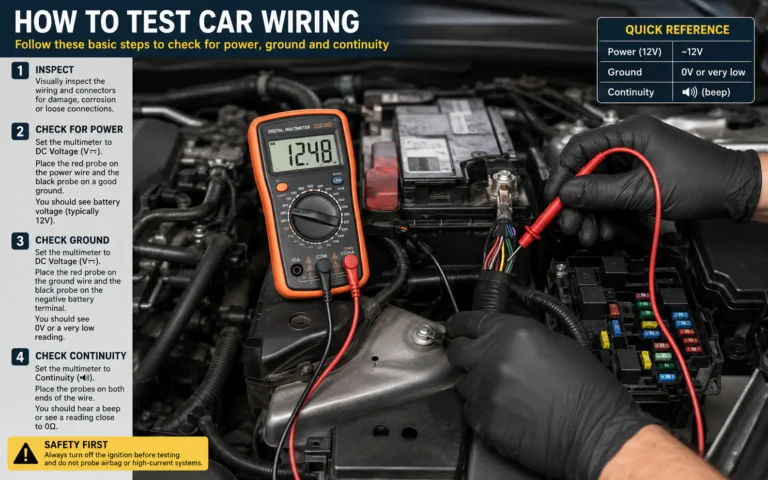 How to Test Car Wiring for Continuity Using a Multimeter
Learn how to test car wiring for continuity safely. Find broken automotive wires, check connector ports, and diagnose electrical issues with a multimeter. Testing car wiring…
 Why Organizing Space Reduces Stress: The Mental Clarity Connection
Discover why organizing space reduces stress. Learn how a tidy environment lowers cortisol, improves focus, and creates a sense of calm in your daily life. Organizing…