
Can Fitness Increase Metabolism? How Exercise Affects Your Body

Yes, engaging in regular fitness activities can indeed increase your metabolism. Your metabolism refers to the complex process by which your body converts what you eat and drink into energy.
The key to understanding how fitness boosts metabolism lies in its impact on your body’s composition and energy expenditure. Exercise, especially strength training, helps build lean muscle mass.
Confirmation that fitness can increase
- Yes, fitness can increase your metabolism, primarily by building lean muscle mass.
- Strength training is particularly effective for boosting resting metabolism.
- Cardiovascular exercise burns calories during the activity and can have a lingering effect.
- Consistency in exercise is more important than intensity for long-term metabolic benefits.
- Metabolism is influenced by many factors, including age, genetics, and diet, not just fitness.
| Topic | When it helps | What to keep in mind |
|---|---|---|
| 1 | Individuals looking for a sustained increase in calorie burning throughout the day, even when not actively exercising. | Overdoing strength training without adequate recovery can lead to injury. |
| 2 | Those who want to maximize calorie burn even after their workout is finished. | The duration and intensity of EPOC vary greatly depending on the type and duration of exercise. |
| 3 | Individuals looking to manage blood sugar levels and improve overall metabolic health. | Individuals with pre-existing conditions like diabetes should consult a healthcare provider before starting a new exercise program. |
How Fitness Actually Boosts Your Metabolism
Your metabolism isn’t a single, fixed number; it’s a dynamic process influenced by many factors, including your body composition. The most significant way fitness impacts your metabolism is by increasing your lean muscle mass.
Beyond building muscle, exercise itself directly increases your energy expenditure. When you engage in physical activity, your body uses energy to fuel your muscles and perform the movements.
Think of your metabolism like a car’s engine. A more efficient engine (higher metabolism) burns fuel (calories) more effectively.
Imagine two people with the same weight and height.
Believing that metabolism is fixed and cannot be influenced by lifestyle choices.
The Power of Strength Training vs. Cardio
When it comes to boosting metabolism, both strength training and cardiovascular exercise play important roles, but they contribute in different ways. Strength training is particularly effective for increasing your resting metabolic rate over the long term.
Cardiovascular exercise, such as running, swimming, or cycling, is excellent for burning calories during the activity itself. It also contributes to overall health and can lead to a significant EPOC effect, meaning your metabolism stays elevated for a period after your workout.
The ideal approach for maximizing metabolic benefits often involves a combination of both. Strength training builds the foundation of lean muscle, while cardio provides immediate calorie expenditure and enhances cardiovascular health.
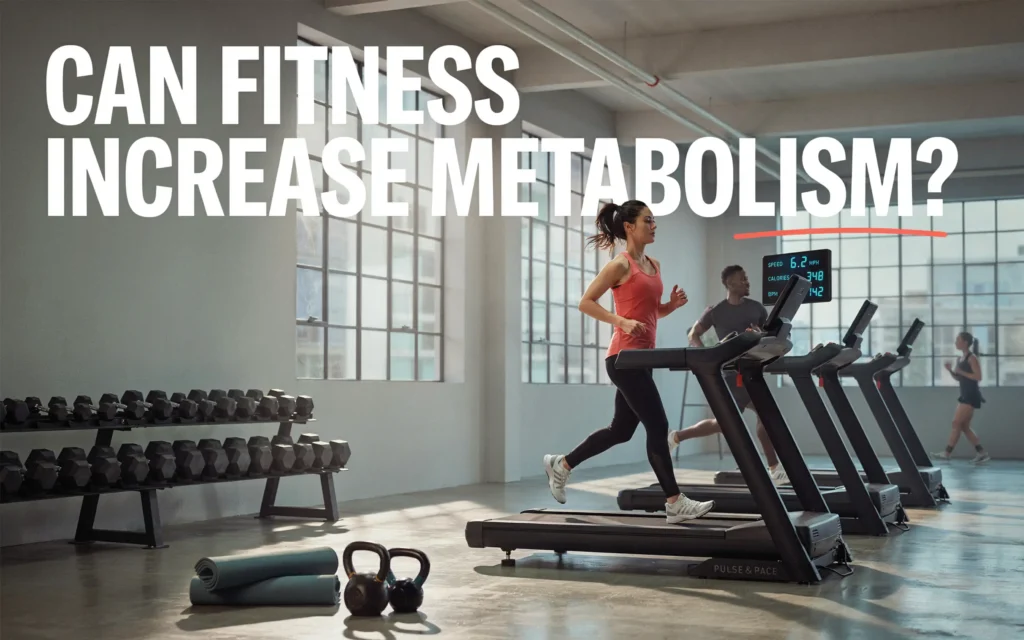
Someone aiming to boost their resting metabolism might focus on lifting weights three times a week, while someone looking for immediate calorie burn during a workout might opt for a brisk run or cycling session.
Focusing solely on cardio and neglecting strength training, or vice versa, missing out on the combined metabolic advantages.
- Strength training builds muscle, increasing resting calorie burn.
- Cardio burns calories during exercise and creates an afterburn effect.
- HIIT workouts can significantly boost post-exercise calorie expenditure.
- A combination of both offers the most comprehensive metabolic benefits.
Beyond Exercise: Other Factors Influencing Metabolism
While fitness is a powerful tool for influencing your metabolism, it’s not the only factor. Your body’s energy expenditure is also significantly affected by your age, genetics, hormones, and diet.
Diet is another critical component. Consuming enough protein, for instance, can help preserve muscle mass and has a higher thermic effect (meaning your body burns more calories digesting it) compared to fats or carbohydrates.
Understanding these other influences helps create a more effective strategy. For example, ensuring you’re getting enough sleep can support muscle recovery and hormone balance, which indirectly aids your metabolic efforts alongside your exercise routine.
Someone might be exercising regularly but still struggling with a slow metabolism due to poor sleep habits or an inadequate protein intake, highlighting the need for a balanced approach.
Assuming that exercise alone is the sole determinant of metabolic rate, neglecting other critical lifestyle factors.
- Age and genetics set a baseline metabolic rate.
- Adequate protein intake supports muscle mass and digestion.
- Proper hydration is vital for metabolic processes.
- Sleep quality and stress management impact hormones and metabolism.
Common Metabolism Myths Debunked
The world of metabolism is often surrounded by myths and misinformation, leading many to pursue ineffective strategies. One common myth is that certain foods or supplements can dramatically ‘supercharge’ your metabolism overnight.
Another misconception is that metabolism is entirely fixed and cannot be changed. As discussed, while genetics and age are factors, lifestyle choices like fitness and diet have a substantial impact.
Finally, the idea that you need to eat very little to boost metabolism is counterproductive. Extreme calorie restriction can actually slow down your metabolism as your body tries to conserve energy.
Someone might be spending money on expensive ‘metabolism-boosting’ supplements based on a myth, when focusing on consistent exercise and a balanced diet would be far more effective.
Falling for quick fixes or unproven ‘hacks’ that promise dramatic metabolic increases without scientific backing.
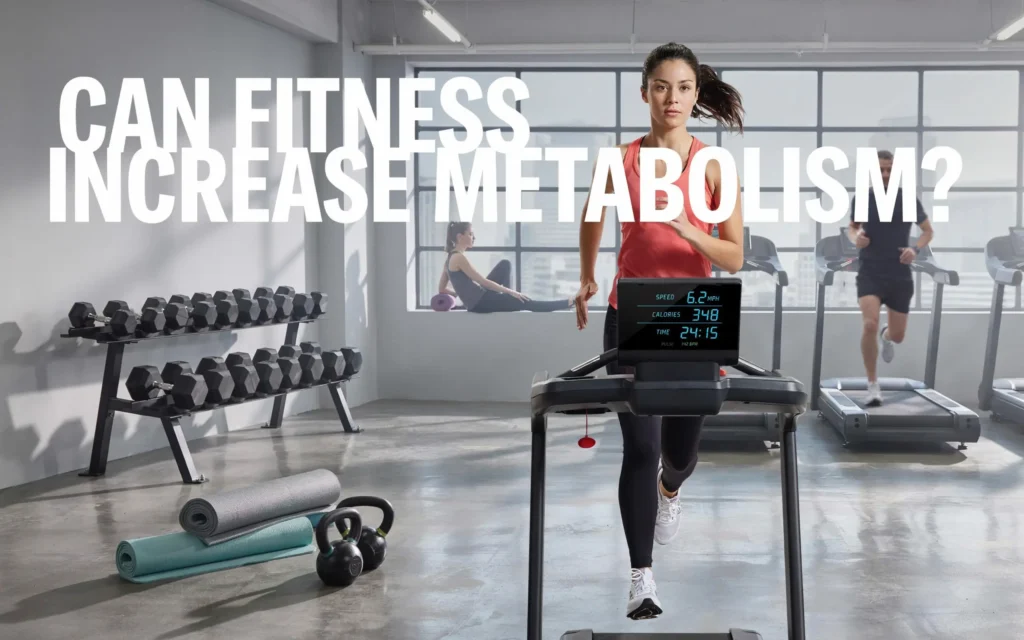
- No single food or supplement dramatically boosts metabolism.
- Metabolism is influenced by lifestyle, not just genetics.
- You cannot spot-reduce fat through specific exercises.
- Extreme calorie restriction can slow metabolism.
This article should explain how
1. Building Muscle Mass
Strength training exercises, such as lifting weights or using resistance bands, are crucial for increasing lean muscle mass. Muscle tissue requires more energy to maintain than fat tissue, thus boosting your resting metabolic rate.
- Individuals looking for a sustained increase in calorie burning throughout the day, even when not actively exercising.
- Overdoing strength training without adequate recovery can lead to injury.
- Aim for 2-3 strength training sessions per week, targeting major muscle groups.
2. Elevated Post-Exercise Oxygen Consumption (EPOC)
After a vigorous workout, your body continues to burn calories at an elevated rate to recover and restore itself. This phenomenon, known as EPOC or the ‘afterburn effect,’ contributes to increased energy expenditure.
- Those who want to maximize calorie burn even after their workout is finished.
- The duration and intensity of EPOC vary greatly depending on the type and duration of exercise.
- Incorporate high-intensity intervals into your cardio routine a few times a week.
3. Improved Insulin Sensitivity
Regular physical activity helps your body use insulin more effectively. Better insulin sensitivity means your cells can absorb glucose from your bloodstream for energy more efficiently, which is linked to a healthier metabolic state.
- Individuals looking to manage blood sugar levels and improve overall metabolic health.
- Individuals with pre-existing conditions like diabetes should consult a healthcare provider before starting a new exercise program.
- Aim for consistent daily movement, not just structured workouts.
FAQs
How long does your metabolism stay high after exercise?
The ‘afterburn effect’ or EPOC can keep your metabolism elevated for several hours after exercise, with the duration and intensity depending on the type and intensity of your workout. High-intensity workouts generally lead to a longer and more significant elevation.
What exercise is best for boosting metabolism?
A combination of strength training and high-intensity interval training (HIIT) is often considered most effective. Strength training builds muscle for a higher resting metabolic rate, while HIIT maximizes calorie burn during and after exercise.
Can I boost my metabolism quickly?
While you can’t drastically increase your metabolism overnight, consistent exercise, especially strength training, and a balanced diet can lead to noticeable improvements over weeks and months. There are no true ‘quick fixes’ for sustainable metabolic change.
What is a metabolism killer?
Factors that can slow down your metabolism include extreme calorie restriction, lack of muscle mass, insufficient sleep, high stress levels, and certain hormonal imbalances. Avoiding these can help maintain a healthy metabolic rate.

Conclusion
In summary, fitness plays a vital role in increasing your metabolism, primarily by building lean muscle mass and enhancing your body’s energy expenditure during and after exercise. While genetics and age are factors, consistent physical activity, especially a combination of strength training and cardio, is a powerful way to optimize your metabolic function.
Remember that metabolism is influenced by a holistic approach to health. By focusing on regular exercise, a nutrient-rich diet, sufficient sleep, and stress management, you can support your body’s natural energy-burning processes effectively.
Related posts
 Why Kitchen Ventilation is Crucial for Health and Home
Discover why kitchen ventilation is crucial for health removing pollutants, controlling odors, preventing grease buildup, and ensuring a healthier, safer home environment. Kitchen ventilation is crucial…
 Why Motivation Fades After Weeks: Understanding and Rekindling Your Drive
Feeling Why Motivation Fades After Weeks ? Discover common reasons why motivation wanes and practical strategies to reignite your drive and stay on track. It’s a…
 Why Non-Stick Cookware Remains Popular: Key Benefits for Home Cooks
Discover why non-stick cookware remains popular is a kitchen favorite. Learn about its ease of use, quick cleanup, and versatility that make it popular for everyday…