
How To Stay Fit With Busy Schedule
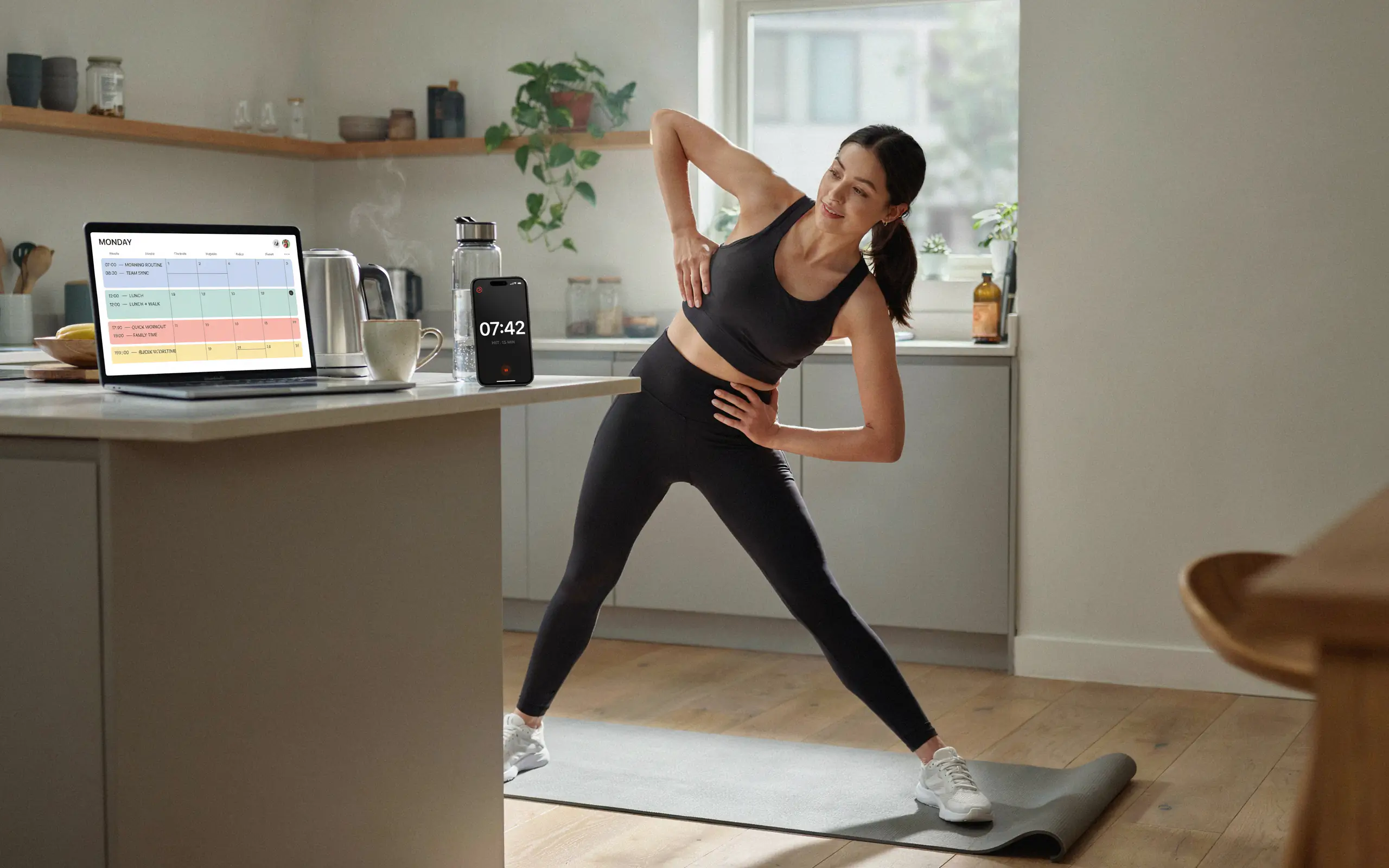
If you are wondering how to stay fit with busy schedule, the answer lies in small, consistent actions. This guide shares practical tips on micro-workouts, smart scheduling, and healthy eating to help you maintain fitness without spending hours at the gym.
Life gets full. Between work, family, and daily responsibilities, finding time for exercise can feel like one more thing on an already long list. Many people believe that staying fit requires long hours at the gym, expensive equipment, or drastic lifestyle changes. But that is simply not true.
The truth is that you can stay fit with a busy schedule by making small, smart choices every day. You do not need to carve out two hours for a workout. You do not need to become a morning person if that is not your style. What you need is a plan that fits your life, not the other way around.
This guide will show you exactly how to stay fit with a busy schedule using realistic strategies that actually work. Whether you are a working parent, a full-time professional, or someone who simply has too much on their plate, these tips will help you move more, eat better, and feel stronger, all without adding stress to your day.
Why Being Busy Does Not Mean You Have to Be Unfit
It is easy to fall into the all-or-nothing trap. You might think, “If I cannot do a full 60-minute workout, why bother at all?” This kind of thinking stops many people from even starting. But the reality is that every bit of movement counts.
Physical activity does not have to happen in one big block. Short bursts of exercise throughout the day add up and provide real health benefits. A 2025 study found that even one to two minutes of high-intensity activity can lower the risk of heart problems by 30%. That is powerful news for anyone with a packed calendar.
As physical therapist Vijay Daryanani from Harvard-affiliated Spaulding Rehabilitation Network puts it, “The key is that you have to put in the necessary effort. You have to crush it during that time.” This means that a short, focused workout can be just as effective as a longer, less intense one.
The goal is to shift your mindset from “exercise is something I have to make time for” to “movement is something I can weave into my existing routine.” Once you make that mental shift, staying fit with a busy schedule becomes much more achievable.
The 150-Minute Rule and What It Really Means
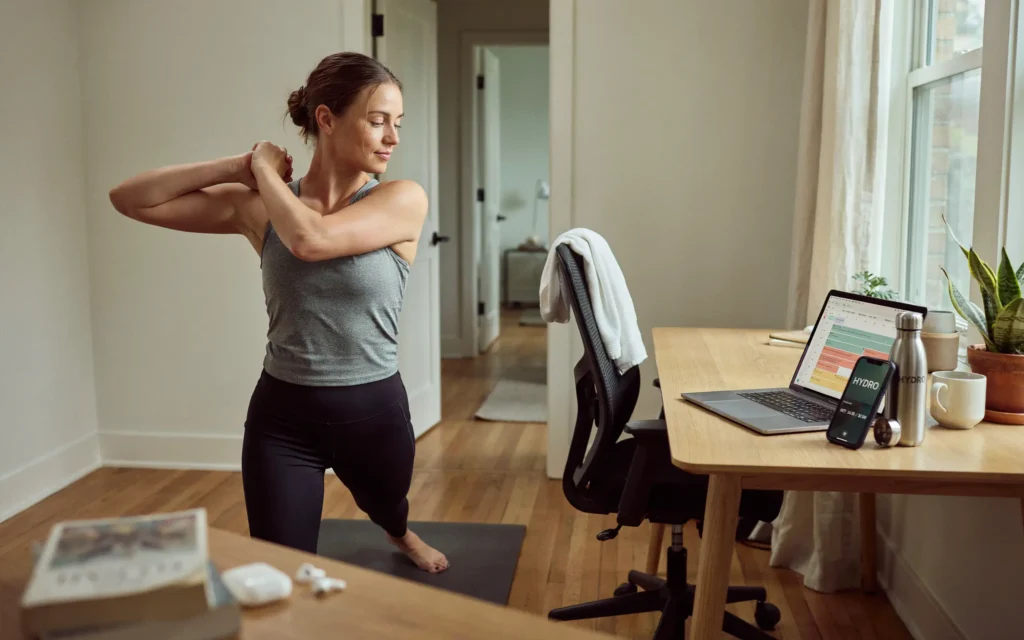
Experts recommend that adults get at least 150 minutes of moderate-intensity physical activity per week. That breaks down to about 20 to 30 minutes a day. For many people, that sounds doable. But when life gets hectic, even 20 minutes can feel out of reach.
Here is the good news: those 150 minutes do not have to be continuous. You can break them into smaller chunks. A 10-minute walk in the morning, a 5-minute stretch during lunch, and another 10-minute walk in the evening all count toward your weekly total.
The key is consistency. It is better to move for 10 minutes every day than to do one long workout once a week and nothing else. Small daily efforts are more effective than occasional extremes.
Smart Strategies to Stay Fit With a Busy Schedule
Let us get into the practical stuff. Here are eight strategies that will help you stay fit with a busy schedule, no matter how full your calendar looks.
1. Prioritize Movement, Not Just Workouts
Many people think that fitness only counts if it happens in a gym. That is a myth. Movement is movement, whether you are doing jumping jacks in your living room or walking to the grocery store.
Micro-workouts are short exercise sessions that last anywhere from 1 to 10 minutes. They can include things like:
- A quick set of squats while waiting for your coffee to brew
- Calf raises while brushing your teeth
- A 5-minute yoga flow before bed
- Walking in place during a phone call
These small actions add up. Over the course of a day, you might accumulate 20 or 30 minutes of movement without ever blocking out a specific “workout time.” This is one of the easiest ways to stay fit with a busy schedule because it requires no extra planning.
2. Schedule Your Workouts Like Important Meetings
If you wait until you “have time” to exercise, you will probably never do it. Time does not appear on its own. You have to create it.
The best way to do this is to put your workouts on your calendar just like you would a work meeting or a doctor’s appointment. Block out 20 or 30 minutes and treat that time as non-negotiable.
Look at your weekly schedule and find windows where you can fit in movement. Maybe it is early morning before the kids wake up. Maybe it is during your lunch break. Maybe it is right after work before you sit down for dinner. Whatever works for you, write it down and stick to it.
As one editor shared, “I make it the same priority as eating and sleeping. From 7:45 a.m. to 8:45 a.m., I’m either at the gym strength training or taking a fitness class.” When exercise becomes a fixed part of your routine, it stops feeling like an option and starts feeling like a necessity.
3. Start Small and Build Consistency
One of the biggest mistakes people make is trying to do too much too soon. They decide to work out for an hour every day, and then they burn out after a week. That is not sustainable.
Instead, start with something small. Can you commit to 10 minutes of movement three times a week? Great. Start there. Once that feels easy, add a little more.
Start small, stay consistent” is a mantra that works. Remember that any physical activity is positive. A 10-minute walk is better than no walk at all. A 5-minute stretch is better than sitting all day without moving.
Setting SMART goals can also help. Make your goals Specific, Measurable, Achievable, Relevant, and Time-bound. For example: “I will walk for 15 minutes during my lunch break, four days a week, for the next month.” This kind of goal is clear and easy to track.
4. Use Micro-Workouts Throughout Your Day
Micro-workouts are a game-changer for busy people. These are short bursts of exercise that last anywhere from 1 to 10 minutes. They are intense enough to get your heart rate up but short enough to fit into any gap in your day.
Some examples of micro-workouts include:
- Tabata-style routines: 20 seconds of work, 10 seconds of rest, repeated for 4 minutes
- Bodyweight circuits: Push-ups, squats, lunges, and planks done in quick succession
- Stair climbing: Running up and down a flight of stairs for a few minutes
- Desk exercises: Chair squats, wall push-ups, and seated leg raises
Scientific literature calls these short bursts “vigorous intermittent lifestyle physical activity” or VILPA. These activities can last as little as 10 seconds and still provide benefits. Running up a flight of stairs instead of taking the elevator is a perfect example.
The beauty of micro-workouts is that they do not require special equipment or a change of clothes. You can do them in your work clothes, in your living room, or even in a hotel room while traveling.
5. Combine Fitness with Daily Tasks
Another smart way to stay fit with a busy schedule is to combine exercise with things you are already doing. This is called “habit stacking,” and it works because it does not add extra time to your day.
Here are some ways to do it:
- While on the phone: Walk around the room or do standing stretches
- While watching TV: Do squats, lunges, or push-ups during commercial breaks
- While cooking: Do calf raises or march in place while waiting for water to boil
- While commuting: Park farther away from your destination and walk the extra distance
- While doing chores: Turn vacuuming or mopping into a cardio session
These small changes do not take much time, but they can make a huge difference in helping you meet your physical activity goals. Over the course of a week, these little moments of movement can add up to significant health benefits.

6. Meal Prep to Support Your Fitness Goals
Fitness is not just about exercise. What you eat plays a big role in how you feel and how much energy you have. When you are busy, it is tempting to grab whatever is quick and easy, which often means processed foods that leave you feeling sluggish.
Meal prepping is one of the most effective ways to stay on track with your nutrition. Spend a couple of hours on the weekend planning and preparing meals for the week. Cook large batches of grains, proteins, and vegetables that you can mix and match throughout the week.
Keep healthy snacks on hand, such as nuts, fruit, yogurt, or cut-up vegetables. This reduces the temptation to reach for chips or cookies when hunger strikes.
Also, pay attention to what you drink. Staying hydrated is essential for energy and recovery. Keep a water bottle on your desk and sip throughout the day. Limit caffeine and sugary drinks, which can cause energy crashes.
7. Use Technology to Your Advantage
Technology can be a helpful tool in your fitness journey. Fitness apps, step counters, and smartwatches can help you stay motivated and track your progress.
Set realistic goals, like 8,000 steps a day or three workouts a week. Many apps allow you to filter workouts by duration, so you can find a 10-minute or 15-minute session that fits your schedule.
Online workout platforms offer countless options, from yoga and Pilates to HIIT and strength training. You can exercise anywhere, anytime, without the travel time to a gym.
If you prefer guided workouts, there are plenty of free resources on YouTube and other platforms. Find a few instructors you like and follow their routines. Having a workout ready to go removes the excuse of “I do not know what to do.”
8. Do Not Forget Sleep and Hydration
Fitness is not just about burning calories. Recovery is just as important as activity. Without proper sleep and hydration, your body cannot perform at its best.
Aim for 7 to 8 hours of sleep each night. Sleep helps your muscles recover, improves your metabolism, and keeps your energy levels stable throughout the day.
Hydration is equally important. Drink water throughout the day, especially before and after exercise. Dehydration can lead to fatigue, headaches, and poor performance.
When you are well-rested and properly hydrated, you have more energy to move. This makes it easier to stay fit with a busy schedule because you are not starting from a place of exhaustion.
Sample Micro-Workout Routines for Busy Days
Here are two quick routines you can do in 10 minutes or less. No equipment is needed for the first one. The second one uses a pair of dumbbells.
| Routine | Exercises | Duration |
|---|---|---|
| Bodyweight Blast | Jumping jacks, push-ups, squats, lunges, plank hold | 1 minute each, with 15-second rest between exercises |
| Dumbbell Full Body | Overhead press, bent-over row, goblet squat | 3 rounds of 10-12 reps each, with 30-second rest between rounds |
The bodyweight routine can be done anywhere. The dumbbell routine is based on a Harvard-recommended low-volume HIIT approach that works several major muscle groups at once.
How to Overcome Common Excuses
Let us address some of the most common reasons people give for not exercising. Once you see these excuses for what they are, you can move past them.
| Excuse | Solution |
|---|---|
| “I do not have time.” | Break your workouts into 5- or 10-minute chunks throughout the day. |
| “I am too tired.” | Start with just 5 minutes of light movement. Often, getting started gives you more energy. |
| “I do not have equipment.” | Use your body weight. Push-ups, squats, and planks require nothing but you. |
| “I do not know what to do.” | Use a free app or YouTube video for guided workouts. |
| “I will start next week.” | Start today with one small action. Even 2 minutes counts. |
Frequently Asked Questions
How many minutes of exercise do I really need each day?
Experts recommend at least 150 minutes of moderate-intensity activity per week, which averages to about 20 to 30 minutes per day. However, you can break this into smaller sessions. Even 5 to 10 minutes of activity can significantly improve your energy and mood.
Can I stay fit with a busy schedule without going to the gym?
Absolutely. You do not need a gym membership to stay fit. Bodyweight exercises, walking, jogging, and online workout videos are all effective options. Many people find that home workouts are more convenient and easier to stick with.
What are the best exercises for someone with limited time?
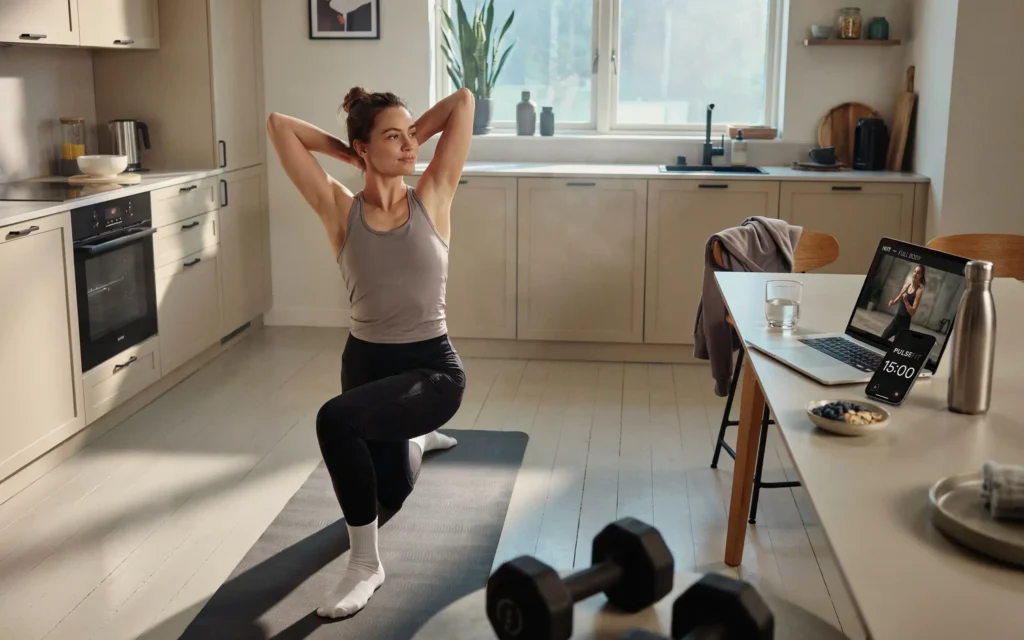
High-intensity interval training (HIIT) and micro-workouts are excellent choices. They deliver maximum results in minimal time. Bodyweight exercises like squats, push-ups, and lunges are also great because they require no equipment.
How do I stay motivated when I am busy?
Schedule your workouts like appointments and treat them as non-negotiable. Use a fitness app to track your progress. Find an activity you genuinely enjoy, because you are more likely to stick with something that feels fun.
Is it okay to exercise in short bursts throughout the day?
Yes. Short bursts of exercise, sometimes called micro-workouts or VILPA, are effective and add up over time. Even 1 to 2 minutes of high-intensity activity can provide health benefits.
How important is diet when trying to stay fit?
Diet is very important. Exercise and nutrition work together. Meal prepping, staying hydrated, and choosing whole foods over processed options will support your fitness goals and give you more energy.
Conclusion
Staying fit with a busy schedule is not about finding extra hours in the day. It is about using the time you already have more wisely. It is about choosing movement over stillness, even if that movement only lasts a few minutes. It is about treating your health as a priority, not an afterthought.
The strategies in this guide are simple, practical, and backed by real science. You can start today with just one small change. Maybe you take the stairs instead of the elevator. Maybe you do a few squats while brushing your teeth. Maybe you schedule a 10-minute walk into your lunch break.
Whatever you choose, remember that consistency matters more than intensity. Small daily efforts add up to big results over time. As one editor wisely said, “Getting out of the mindset that I must do a certain amount of exercise and shifting instead to the idea that any exercise is good exercise has helped.”
You have the power to stay fit with a busy schedule. It does not require perfection. It just requires persistence. Start small, stay consistent, and watch how your energy, strength, and overall well-being improve. Your future self will thank you.
Disclaimer: This article is for informational purposes only and does not constitute medical advice. Always consult with a healthcare professional before starting any new exercise or diet program.
Related posts
 Understanding Fitness Checkup Consultation Cost and Professional Assessment Resources for 2026
Explore Understanding fitness checkup consultation cost factors and professional assessment resources to help you make informed decisions about your health and training goals. Navigating the world…
 Gym Membership Discount Price Alternatives for 2026 Home Fitness
Looking for a gym membership discount price Alternatives? Explore smart home fitness alternatives and equipment to save money and build your own workout space in 2026.…
 Buy Home Workout Sliders: 2026 Guide to Core Fitness Tools
Looking to buy home workout sliders? Compare top-rated gliding discs and core trainers to find the right equipment for your 2026 fitness routine. Adding core sliders…