
Why Is My Weight Stuck Despite Gym
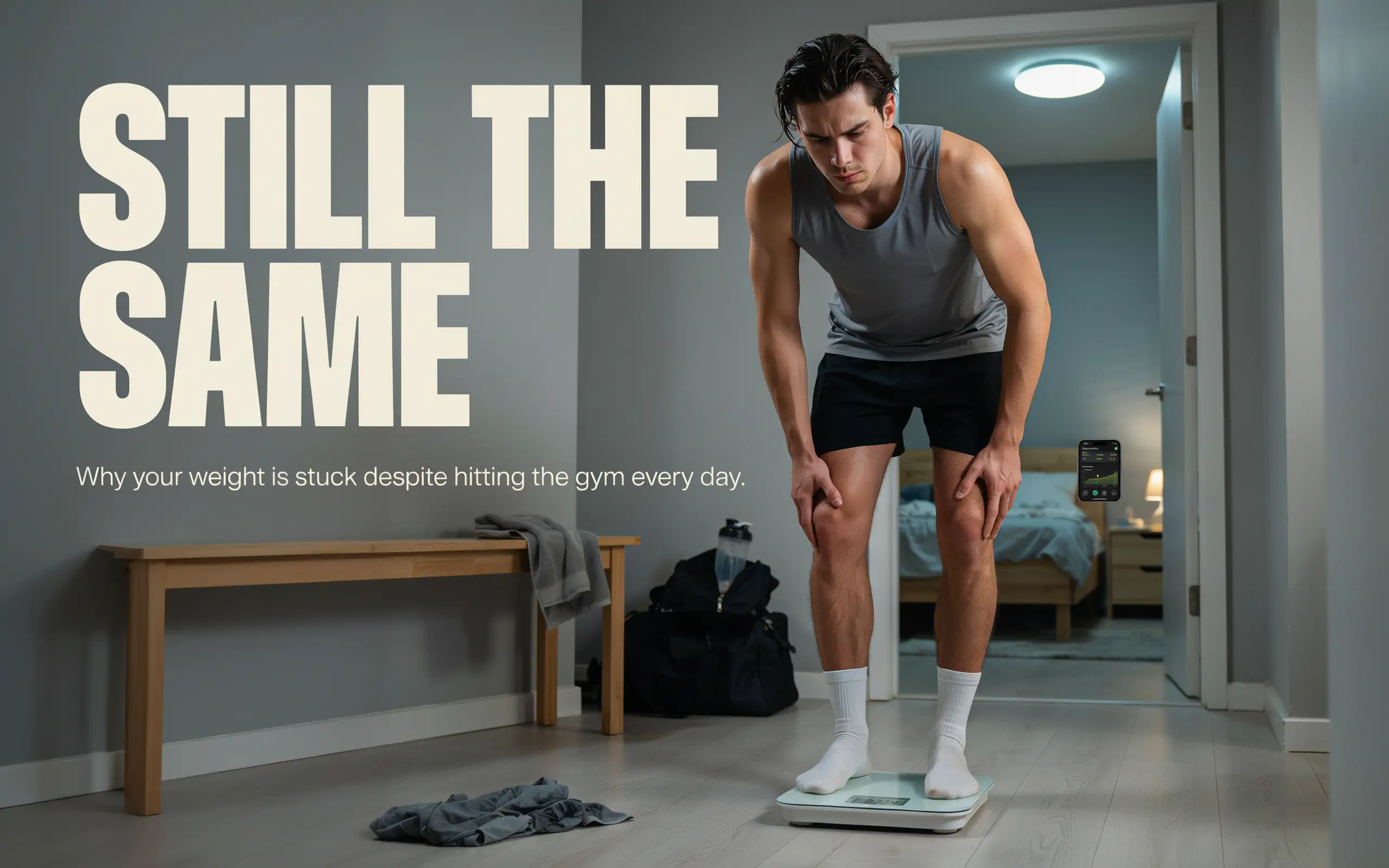
Are you frustrated because my weight stuck despite gym workouts? This guide explains the real reasons behind a weight loss plateau and how to fix it. Learn about calorie balance, muscle gain, water retention, and more to get the scale moving again.
You have been going to the gym regularly. You are sweating through your workouts. You feel stronger and more energetic. But when you step on the scale, the number does not change. Or worse, it goes up a little. This is one of the most common and annoying experiences for anyone trying to lose weight. You ask yourself, “Why is my weight stuck despite gym workouts?”
The good news is that you are not alone. Almost everyone who tries to lose weight hits a point where the scale seems to stop moving. This is often called a weight loss plateau. It can make you feel like giving up. But do not lose hope. There are real, scientific reasons why this happens. And more importantly, there are effective ways to get past it.
When my weight stuck despite gym efforts, I felt confused and discouraged. I was doing everything right, or so I thought. But the body is not a simple machine. It is a complex system that reacts to changes in diet, exercise, and stress. Understanding these reactions is the key to breaking through the plateau.
In this article, we will explore the common reasons why the scale might not be moving. We will look at simple fixes you can make to your diet and training. We will also discuss non-scale victories that show you are making progress even when the scale does not reflect it. By the end, you will have a clear plan to restart your weight loss and reach your goals.
Understanding Weight Loss Basics
What Really Causes Weight Loss?
To understand why my weight stuck despite gym, we first need to understand how weight loss works. The basic principle is energy balance. Your body uses energy for everything it does. This includes breathing, sleeping, moving, and exercising. This energy comes from the food you eat. The energy in food is measured in calories.
If you eat fewer calories than your body uses, you are in a calorie deficit. Over time, this deficit forces your body to use stored energy for fuel. This stored energy is mostly body fat. When your body breaks down fat for energy, you lose weight. This is the basic science of weight loss.
However, the body is not a fixed system. When you start eating fewer calories and exercising more, your body adapts. It tries to become more efficient. This means it may burn fewer calories over time. This adaptation is a big reason why my weight stuck despite gym efforts. The body is trying to protect its energy stores.
Why The Scale Is Not The Full Story
The scale is a tool, but it is not the only measure of progress. It tells you your total body weight. But it does not tell you what that weight is made of. It does not distinguish between muscle, fat, water, or bone.
Your weight can change by several pounds from day to day based on water weight alone. Eating a salty meal can make you retain water. Starting a new exercise routine can cause muscle inflammation, which also retains water. For women, hormonal changes during their menstrual cycle can significantly affect water retention.
So, when my weight stuck despite gym, I had to remember that the scale was not the only thing that mattered. Feeling stronger, fitting into clothes better, and having more energy are all signs of progress. These non-scale victories are often more important than the number on the scale.
Key Reason 1: You Are Not In A Calorie Deficit
How To Estimate Your True Calorie Needs
One of the most common reasons for a plateau is that you are not in a calorie deficit. You might think you are eating less, but you could be wrong. Many people underestimate how much they eat. They also overestimate how many calories they burn through exercise.
Your body needs a certain number of calories to maintain its current weight. This is called your maintenance calorie level. You need to eat less than this to lose weight. However, this number changes as you lose weight. A smaller body needs fewer calories to function. So, a calorie deficit that worked for you a few months ago may not work now.
You can use a Total Daily Energy Expenditure (TDEE) calculator online to get a rough estimate. These calculators consider your age, gender, height, weight, and activity level. But remember, these are just estimates. The most accurate way is to track your food intake and weight over a few weeks. This helps you find your true maintenance level.
Simple Ways To Adjust Your Food Intake
When my weight stuck despite gym, I first looked at my diet. I started weighing and measuring my food to know exactly what I was eating. People are often surprised at what a serving size actually looks like. Using a food scale can be an eye-opener.
Also, think about what you are drinking. Calorie-filled drinks like soda, juice, and fancy coffee drinks add up. Liquid calories do not make you feel full the same way solid food does. Switching to water, unsweetened tea, or black coffee can cut out many unnoticed calories.
Common Calorie Miscalculations
| What You Think | What It Actually Is | Calorie Difference |
|---|---|---|
| One serving of peanut butter | Heaped spoonful (double serving) | +100 calories |
| A handful of almonds | Two handfuls (full serving) | +80-100 calories |
| “Healthy” smoothie | Contains sugar and full-fat milk | +200 calories |
| Tossed salad | Loaded with cheese and creamy dressing | +250 calories |
| Large chicken breast | Weighs more than 6 oz (portion size) | +150 calories |
Key Reason 2: Your Workout Has Become A Routine
The Principle of Adaptation
Our bodies are amazing at adapting. This is great for survival, but it can be frustrating for weight loss. When you start a new exercise program, it is a shock to your system. Your muscles are not used to the work. Your body uses extra energy to repair and build muscle. This process burns calories.
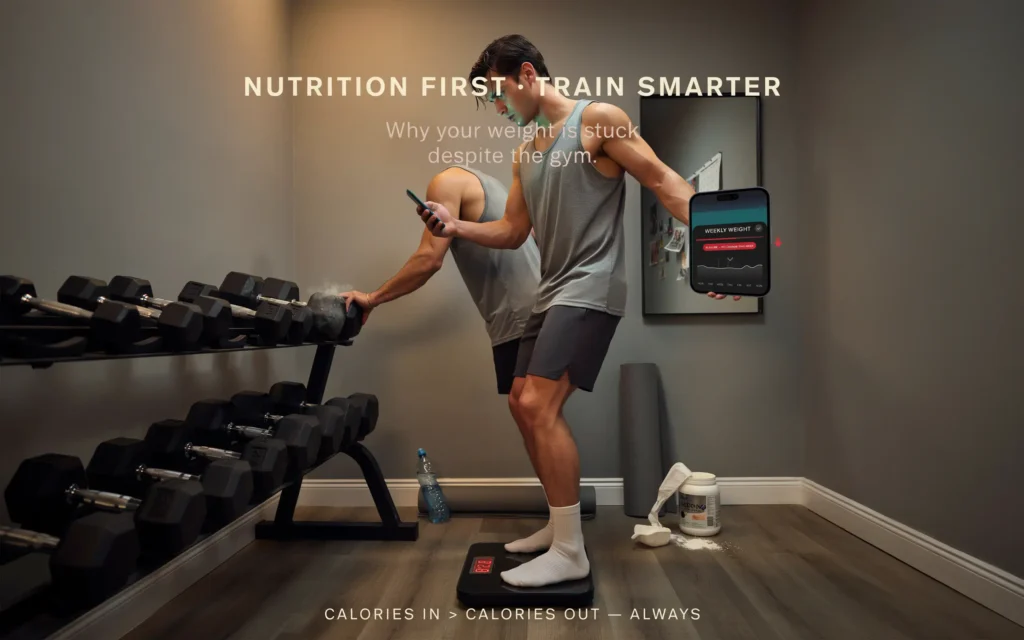
But after a few weeks, your body gets used to the routine. Your muscles become more efficient. They can do the same amount of work for less energy. This is called metabolic adaptation. It is a key reason why my weight stuck despite gym. Your body has learned how to handle your workout while using fewer calories.
How To Shock Your Body Into Progress
To break through a plateau, you need to change your workout. This is called progressive overload. You need to give your body a reason to adapt again. This does not mean you have to do crazy or dangerous exercises. It simply means you need to gradually increase the challenge.
There are several ways to do this. You can lift heavier weights. You can do more repetitions or sets. You can reduce your rest time between sets. You can also change the exercises you are doing. For example, if you always do goblet squats, try barbell back squats.
You can also change the type of cardio you do. If you always run on the treadmill, try cycling or using an elliptical. Adding high-intensity interval training (HIIT) can also be effective. HIIT involves short bursts of intense exercise followed by brief recovery periods. This type of training burns a lot of calories in a short time.
Key Reason 3: You Are Gaining Muscle While Losing Fat
Understanding Body Composition Changes
This is one of the most common and most positive reasons for a plateau. When you start working out, especially with weights, you build muscle. Muscle is denser than fat. This means a pound of muscle takes up less space than a pound of fat.
So, you could be losing body fat but gaining muscle at the same time. The scale would show little or no change. But your body would be getting leaner. Your clothes might start to fit differently. You might see more muscle definition in your arms, legs, or shoulders.
“When the scale doesn’t change but your body does, you are on the right track. Focus on how your clothes fit and how you feel. That is the real measurement of progress.” – Dr. Laura Martinez, MD, Sports Medicine Physician.
This is a very good problem to have. It means you are getting healthier. Your metabolism is likely improving. Muscle tissue burns more calories at rest than fat tissue. So, building muscle actually helps you burn more calories long-term.
Why Muscle Gain Can Stall The Scale
When my weight stuck despite gym, I learned to focus on how my body looked and felt. I used a tape measure to track my waist, hips, and chest. These measurements often showed progress even when the scale did not.
Also, starting a new weightlifting program can cause muscle soreness and inflammation. This is a normal part of the repair and growth process. This inflammation causes water retention. Your muscles hold onto water as they heal and adapt. This extra water weight can mask fat loss on the scale for a few weeks.
Key Reason 4: Water Retention and Other Fluctuations
Common Causes of Water Weight
Water retention can cause significant weight fluctuations. It is a common reason why my weight stuck despite gym for a few days or even weeks. Several things can cause your body to hold onto extra water.
- Increased Carbohydrate Intake: For every gram of carbohydrate you store as glycogen, your body stores about 3 grams of water.
- High Sodium Intake: Eating a salty meal can cause your body to retain water to dilute the sodium concentration in your blood.
- Hormonal Changes: For women, the menstrual cycle can cause significant water retention due to hormone shifts.
- New Exercise Routine: As mentioned, muscle inflammation from new or intense exercise leads to water retention.
- Medications: Some medications, especially anti-inflammatories, can cause fluid retention.
How To Manage Water Retention
There are ways to manage water retention. Drinking more water might seem counterintuitive, but it helps. When you are well-hydrated, your body is less likely to hold onto water. Reducing your sodium intake can also make a big difference. Processed foods, canned soups, and restaurant meals are often high in sodium.
Also, be aware that food volume plays a role. The physical weight of the food in your digestive system can affect the scale. Eating a large, fibrous meal can add weight that will pass in a day or two.
Key Reason 5: Lack of Sleep and High Stress
The Hormonal Connection to Weight
Sleep and stress are often overlooked when it comes to weight loss. But they play a huge role. Lack of sleep and high stress affect your hormones in ways that make weight loss harder.
When you are stressed, your body releases a hormone called cortisol. High cortisol levels can lead to increased appetite. It can also cause your body to store more fat, especially around your midsection. Chronic stress can also cause your body to retain water.
“The body cannot distinguish between running from a predator and running late for a meeting. The stress response is the same, and it will always prioritize survival over weight loss.” – Dr. Mark Benson, Ph.D., Clinical Psychologist.
Similarly, lack of sleep can mess with your hunger hormones. Ghrelin, the hormone that signals hunger, goes up. Leptin, the hormone that signals fullness, goes down. This makes you feel hungrier and less satisfied. It is much harder to maintain a calorie deficit when you are fighting against your own hormones.
Practical Steps For Better Recovery
The good news is that you can fix this. Prioritize getting 7 to 9 hours of quality sleep each night. Create a relaxing bedtime routine. Try to go to bed and wake up at the same time every day, even on weekends.
Managing stress is also important. Find activities that help you relax. This could be meditation, yoga, reading, walking in nature, or spending time with friends and family. Even just 10 minutes of deep breathing a day can help lower cortisol levels.
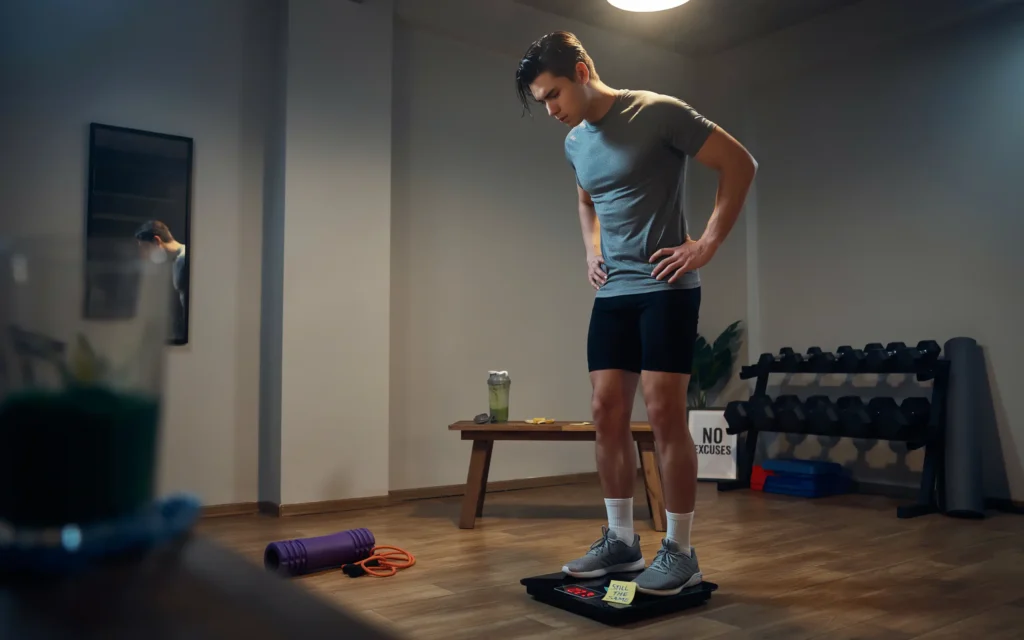
How To Break The Plateau: A Simple Action Plan
Re-evaluate Your Diet
The first step is to look at your diet again. As we discussed, you might not be in a calorie deficit anymore. Use a food diary app to track everything you eat and drink for a few days. This will give you a clear picture of your actual intake.
You may need to lower your calorie intake a bit more. But do not cut calories too drastically. Eating too little can slow your metabolism and make you feel tired. It can also lead to losing muscle mass instead of fat. A small adjustment of 100 to 200 calories per day can make a difference without being too hard.
Upgrade Your Workout Routine
Take a look at your exercise routine. Is it the same thing week after week? If so, it is time for a change. Add more weight to your lifts. Try a new class. Increase the intensity of your cardio. Adding just one or two high-intensity sessions per week can restart your progress.
Do not forget about strength training. It is essential for preserving muscle mass while you lose weight. The more muscle you have, the higher your resting metabolic rate. This means you burn more calories even when you are sitting on the couch.
Signs of Progress Beyond The Scale
| Sign of Progress | Why It Matters |
|---|---|
| Clothes fit looser | You are losing fat and getting leaner. |
| You feel stronger | You are building muscle and getting fitter. |
| You have more energy | Your fitness level and metabolism are improving. |
| You are sleeping better | Exercise and better habits are improving your health. |
| Your waist size is smaller | You are losing harmful visceral fat around your organs. |
| Your exercise feels easier | Your cardiovascular health and fitness are better. |
Manage Your Stress and Sleep
Do not ignore the power of sleep and stress management. Make them a priority. You will not only break your plateau, but you will also feel better overall. Your body functions best when it is well-rested and relaxed. You will have better workouts, make better food choices, and have a better mood.
Be Patient and Consistent
Finally, be patient. A plateau is frustrating, but it is not a sign of failure. It is a sign that your body is adapting and that you need to adapt with it. These plateaus are a normal part of the process. Do not let them derail you. Keep going, make the adjustments we have discussed, and the scale will start moving again.
“Patience and persistence are not just virtues for weight loss; they are the mechanics of it. The body changes on its own time. Your job is to keep showing up.” – Coach Sarah Chen, CSCS, Certified Strength and Conditioning Specialist.
Frequently Asked Questions
1. Why is my weight stuck despite gym and dieting?
This is often due to a combination of factors. You may not be in a calorie deficit anymore as your body size changes. Your workout routine may have become too easy. You might be gaining muscle while losing fat, which makes the scale stay the same. Water retention, stress, and lack of sleep can also play a role. The best approach is to re-evaluate your calorie intake and adjust your exercise to increase the challenge.
2. How long does a weight loss plateau last?
A weight loss plateau can last anywhere from a few days to several weeks. The exact length depends on how your body is adapting and how quickly you make changes to your routine. Usually, if you make consistent adjustments to your diet and exercise, you can break through a plateau within a few weeks. Patience and consistency are key.
3. Will eating less break my weight loss plateau?
Eating less might help, but it is not always the best solution. If you are already eating very few calories, cutting more could be harmful. It can slow down your metabolism and cause you to lose muscle. Instead of drastically cutting calories, consider increasing your activity level or adjusting the types of food you eat. Focus on protein and fiber to keep you full.
4. Should I do more cardio to break a plateau?
More cardio can help, but it does not have to be the only change. If you have not been doing cardio, adding it can create a bigger calorie deficit. However, your body can adapt to cardio as well. Varying the intensity and type of cardio is often more effective than just doing more of the same.
5. Why does my weight go up when I start working out?
It is very common to see a slight weight increase when you start a new exercise routine. This is mainly due to water retention. Your muscles experience tiny tears during new or intense exercise. This is a normal part of muscle repair and growth. The inflammation causes your muscles to hold onto water. This extra water weight can show up on the scale and can last for a few weeks.
6. How can I tell if I am losing fat and not just water weight?
The scale is not a great tool for this. Focus on how your clothes fit, take body measurements with a tape measure, and pay attention to how you feel. You can also track your progress with progress photos. If your waist is shrinking and you feel stronger, you are likely losing fat even if the scale is not moving.

Conclusion
It is incredibly frustrating when my weight stuck despite gym efforts. It can make you question everything you are doing. But it is important to remember that this is a normal, expected part of any weight loss process. Your body is a smart system that is trying to keep you safe.
The key to breaking through a plateau is understanding why it is happening. You might need to adjust your diet because your calorie needs have changed. You might need to change your workout to keep challenging your body. You could be gaining muscle and losing fat at the same time. You might also need to focus on getting better sleep and managing your stress.
Do not let the scale be the only measure of your success. Celebrate the non-scale victories. Feel proud of your improved strength and energy. Pay attention to how your clothes fit. These are all signs that you are moving in the right direction.
Remember to be patient and consistent. Weight loss is a journey, not a race. There will be ups and downs. The key is to keep going. By understanding your body and making smart adjustments, you can break past any plateau and reach your goals. You have the power to do this.
Related posts
 Buy Home Workout Sliders: 2026 Guide to Core Fitness Tools
Looking to buy home workout sliders? Compare top-rated gliding discs and core trainers to find the right equipment for your 2026 fitness routine. Adding core sliders…
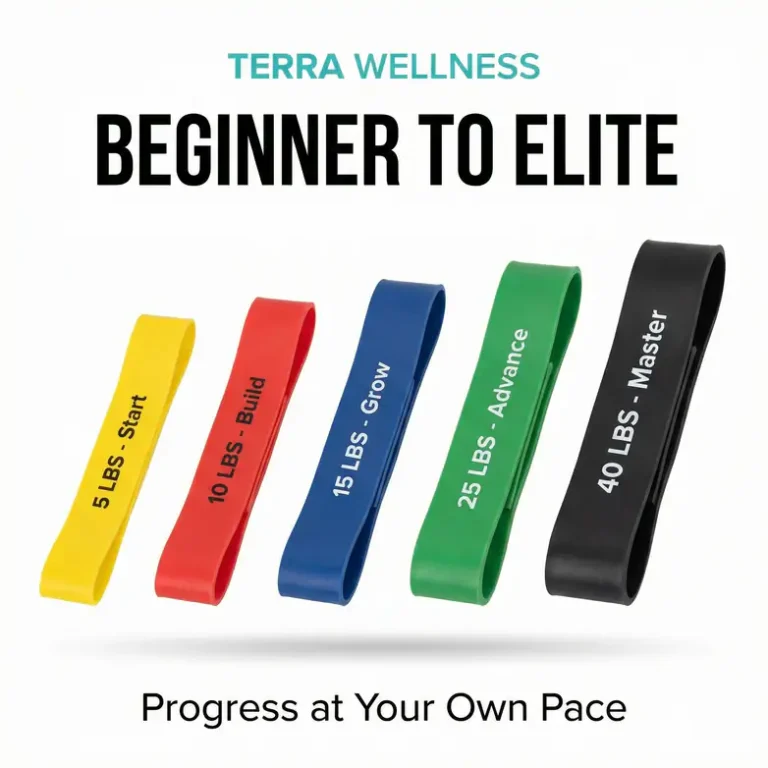 Best Resistance Bands for Beginners: 2026 Buyer Guide
Looking for the best resistance bands for beginners? Compare top-rated loop and handle sets to find the right home gym equipment for your fitness goals. Starting…
 Best Treadmill for Home Use: 2026 Buyer Guide
Finding the best treadmill for home use in 2026. Compare top-rated compact, folding, and incline models to fit your space, budget, and fitness goals. Choosing the…