
How To Use A Breaker Bar Safely
If you want to use a breaker bar safely without breaking tools or hurting yourself, this guide shows you the right stance, grip, and torque limits. Follow these simple steps for a secure, effective fix.
A stuck bolt can ruin your day. You pull out your ratchet, push hard, and feel nothing move. Then you worry something will snap. That is where a breaker bar helps. But if you do not know how to use a breaker bar safely, you can slip, hurt your knuckles, or even break the bolt.
I have been there. Working on old cars and rusty machinery taught me some hard lessons. After one bloody knuckle incident, I decided to learn the right way. Now I want to share that knowledge with you. This article gives you clear steps, simple tips, and honest advice. By the end, you will feel confident and keep your hands safe.
Let us start with the basics.
What Is a Breaker Bar and Why Do You Need One?
A breaker bar is a long, straight tool with a drive head on one end. It looks like a ratchet but has no moving parts inside. No gears. No clicking sound. That simplicity makes it very strong. You attach a socket to the drive head, and then you pull the long handle to turn a tight bolt.
The main job of a breaker bar is to loosen very tight fasteners. Think about lug nuts on a car wheel. Or rusted suspension bolts on a truck. A regular ratchet might break under that force. A breaker bar just bends a little and transfers all your strength to the bolt.
But strength comes with responsibility. If you use a breaker bar safely, you get the job done fast. If you do not, you can damage the bolt, the tool, or yourself.
“A breaker bar gives you leverage, but leverage without control is a trip to the emergency room.” – Mark Reynolds, certified auto mechanic with 20 years of experience.
Now let us look at how to pick the right bar.
Choosing the Right Breaker Bar for Your Task
Before you use a breaker bar safely, you need the correct size and type. Using the wrong tool invites trouble.
Drive Size Matters
Breaker bars come in three common drive sizes:
| Drive Size | Best For | Typical Length |
|---|---|---|
| 1/2 inch | Most car repairs, lug nuts, suspension bolts | 15 to 25 inches |
| 3/8 inch | Smaller engine parts, motorcycle bolts | 10 to 15 inches |
| 3/4 inch | Trucks, heavy equipment, tractor bolts | 24 to 40 inches |
Pick a 1/2 inch drive for general auto work. Get a 3/8 inch for tight spaces. Choose 3/4 inch only for big machinery.
Handle Length
Longer handles give more torque but less control. A 24 inch bar works well for most car wheels. A 36 inch bar helps with truck lug nuts. Do not pick a very long bar for small bolts. You will apply too much force without meaning to.
Material Quality
Look for chrome vanadium or chrome molybdenum steel. These materials flex slightly without breaking. Cheap metal can snap under pressure. A broken bar flies through the air and hits you or a nearby car. Spend a few extra dollars on a known brand.
Now you have the right bar. Next comes preparation.
Prepare Your Work Area and Yourself
Safety starts before you touch the bolt. Follow these steps every time you use a breaker bar safely.
Clear the Space
Remove anything that can trip you. Put away oil cans, tools, and wires. Make sure the floor is dry. A slip while pulling hard on a breaker bar can throw you into sharp metal edges.
Wear Protective Gear
At a minimum, wear:
- Safety glasses or goggles. A socket can crack or fly off.
- Thick work gloves. They protect your skin when the bar slips.
- Steel toed boots if you work on heavy vehicles. A falling car part hurts.
Secure the Vehicle or Object
If you work on a car, use jack stands. Never rely on a floor jack alone. Chock the wheels that stay on the ground. For machinery, make sure it cannot roll or tip.
Check Your Bolt
Look at the bolt head. Is it rusted? Rounded? If the socket does not fit snugly, do not force it. A poor fit will cause the socket to slip off when you apply force.
“I spend five minutes checking my setup so I do not spend five hours in urgent care.” – Linda Chu, heavy equipment technician.
Now you are ready to grip and pull.
Correct Stance and Grip Technique
How you stand and hold the bar changes everything. Most injuries happen because of bad posture.
Stand in a Stable Position
Place your feet shoulder width apart. If you pull toward your body, stand with one foot slightly forward. If you push away, stand with your weight on your back foot. Keep your knees soft. Do not lock them.
Hold the Bar Properly
Grip the handle near the end. That gives you the most leverage. Use both hands. Your dominant hand goes at the very end. Your other hand rests a few inches closer to the head. This split grip gives you control and power.
Pull, Do Not Jerk
Apply slow, steady force. A sudden jerk can send the socket flying. It can also snap the bolt head off. Pull smoothly until you feel the bolt move. If it does not move, do not pull harder. Try another method.
Keep Your Face Away
This sounds silly, but many people lean over their work. If the bar slips, your face will hit the engine or the tool. Keep your head to the side. Imagine a straight line from your hands to your chest. Your face should not be on that line.
Use a Pipe Extension Carefully
Sometimes a bolt is extremely tight. You might think about sliding a metal pipe over the breaker bar handle for more length. You can do this, but be very careful. A longer bar increases force a lot. The bolt might break. The socket might explode. Add pipe only in small steps. And never use a pipe on a 3/8 inch bar.
Here is a quick reference for common mistakes.
| Mistake | Why It Is Dangerous | Safe Alternative |
|---|---|---|
| Using a bent or cracked breaker bar | Bar can snap under load | Inspect before each use |
| Putting a pipe on a cheap bar | Bar breaks and flies at you | Buy a longer bar if needed |
| Pushing with your body weight | You lose balance and fall | Pull with steady arm force |
| Using a worn socket | Socket splits and sends sharp pieces | Replace damaged sockets |
| Standing on the handle | Extreme risk of bar breaking | Use penetrating oil first |
Applying Penetrating Oil and Heat
Sometimes a bolt is too tight even for a long bar. Do not just pull harder. Try these methods first.
Use Penetrating Oil
Spray the bolt with a product like PB Blaster or Liquid Wrench. Let it sit for 10 minutes. Tap the bolt head lightly with a hammer. The vibration helps the oil flow into the threads. Then try your breaker bar again. Often the oil does the job.
Try Heat on Rusted Bolts
If oil fails, you can use a propane torch. Heat the nut or the area around the bolt. Do not heat the bolt itself. Metal expands when hot. The nut expands away from the bolt threads. After heating, let it cool for a few seconds. Then use a breaker bar safely to turn it. Wear heat resistant gloves. Have a fire extinguisher nearby.
“Heat and oil work together better than any amount of brute force. Patience beats strength every time.” – Robert Hayes, restoration specialist.
When to Stop and Get Help
Knowing your limits is part of safety. If you pull as hard as you can and nothing moves, stop. You risk breaking the bolt inside the hole. That turns a simple job into a big repair.
Signs to stop:
- The breaker bar handle bends more than 15 degrees.
- You hear a cracking sound from the bolt area.
- The socket starts to round off the bolt head.
- You feel pain in your hands, wrists, or back.
At this point, use a different tool. An impact wrench can shock the bolt loose. Or take the vehicle to a professional. There is no shame in asking for help.
How to Use a Breaker Bar Safely on Lug Nuts
Lug nuts are a common task. People get hurt changing tires every day. Follow this simple process.
Loosen Before You Jack Up the Car
Crack the lug nuts loose while the car is on the ground. The wheels cannot spin, so your force goes into turning the nuts. Turn each nut half a turn. Then jack up the car and remove the nuts by hand.
Use a Star Pattern
Do not loosen one nut fully before moving to the next. Loosen each nut a little in a star pattern. This prevents warping the brake rotor.
Do Not Overtighten Later
When you put the wheel back on, do not use the breaker bar to tighten. Use a torque wrench. Breaker bars have no measurement. You can easily overtighten and damage the threads.
Proper Maintenance of Your Breaker Bar
A well kept bar lasts for decades. It also stays safe to use.
Clean After Each Use
Wipe off oil, grease, and dirt. Store it in a dry place. Rust weakens metal over time.
Check for Cracks
Look at the drive head and the handle. If you see a small crack, retire the bar. Do not weld it. Welding changes the metal strength.
Store Away from Heat
Do not leave your breaker bar next to a furnace or in direct sun. Extreme heat can change the temper of the steel.
Frequently Asked Questions
Can I use a breaker bar to tighten bolts?
No. Use a torque wrench for tightening. A breaker bar applies unknown force. You can overtighten and strip threads or break bolts.
What size breaker bar should a beginner buy?
Get a 1/2 inch drive, 18 inch long bar. It works for most car repairs and home mechanic tasks.
How do I use a breaker bar safely on rusted bolts?
Spray penetrating oil, wait 10 minutes, tap with a hammer, then apply slow steady force. If it does not move, apply heat.
Can a breaker bar break?
Yes. Cheap or damaged bars can snap. Always inspect before use. Do not use pipes on small bars.
Why does my socket keep slipping off?
You either have the wrong size socket, or the bolt head is rounded. Stop and find a better fitting socket. A slipping socket causes injuries.
Is a breaker bar better than an impact wrench?
Each has a place. Breaker bars are quiet, cheap, and work without electricity. Impact wrenches are faster but cost more. Many mechanics own both.
How much force can a breaker bar take?
A good 1/2 inch steel bar can take over 200 foot pounds of torque. But the weakest point is usually the socket or the bolt itself.
What do I do if a bolt still will not move?
Apply more penetrating oil and let it sit overnight. Use heat. Or call a professional before you break something expensive.
Conclusion
Learning how to use a breaker bar safely is a skill that saves you time, money, and pain. Pick the right size bar. Wear your safety glasses. Stand with a firm stance. Pull slowly and steadily. Use oil and heat before extreme force. And know when to stop.
That rusty bolt that has been mocking you for weeks? It will come off. You just need patience and the correct technique. I have unstuck hundreds of bolts using these exact steps. My knuckles still thank me.
Remember: a breaker bar is a tool of leverage, not a weapon. Treat it with respect. Give it proper maintenance. And always think about your body position before you pull. The extra few seconds of setup can prevent a month of recovery.
Now go fix that thing. You have the knowledge. Stay safe out there.
“The best mechanics are not the strongest. They are the ones who work smart and keep all their fingers.” – Sarah Jenkins, shop owner and safety instructor.
Related posts
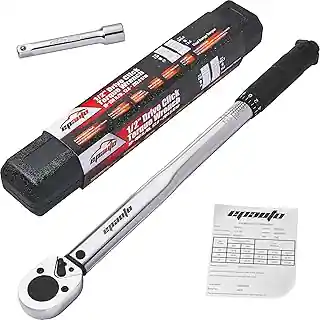 2026 Torque Wrench Reviews: Choosing the Right Tool for Precision Fastening
Explore our 2026 torque wrench reviews to find the right tool for your automotive, bike, or gunsmithing projects. Compare top models for accuracy and value. Finding…
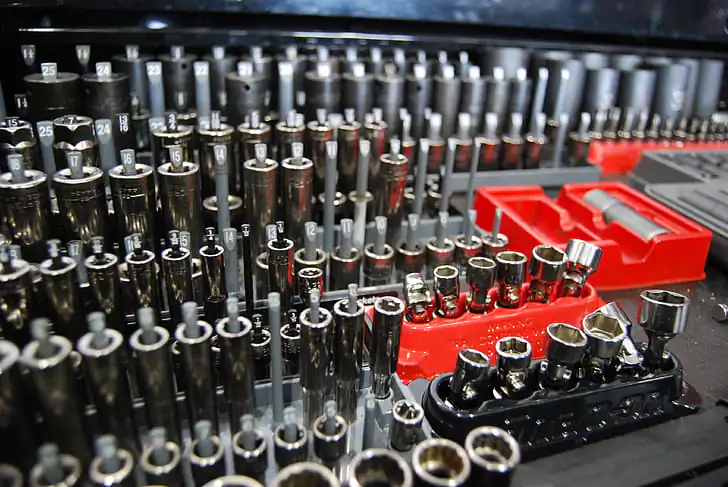 Top Automotive Tools for Beginners: Essential Gear for 2026
Discover the top automotive tools for beginners in 2026. Compare essential pry kits, wrench sets, and repair gear to start your DIY car maintenance journey. Starting…
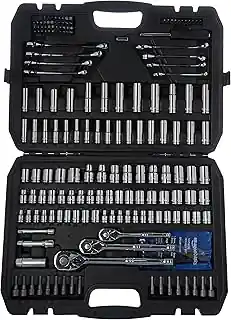 Top Rated Mechanic Tool Brands for 2026
Explore top rated mechanic tool brands for 2026. Compare reliable socket sets and hand tools to find the right equipment for your home garage or auto…