
How To Take Care Of Skin Naturally At Home
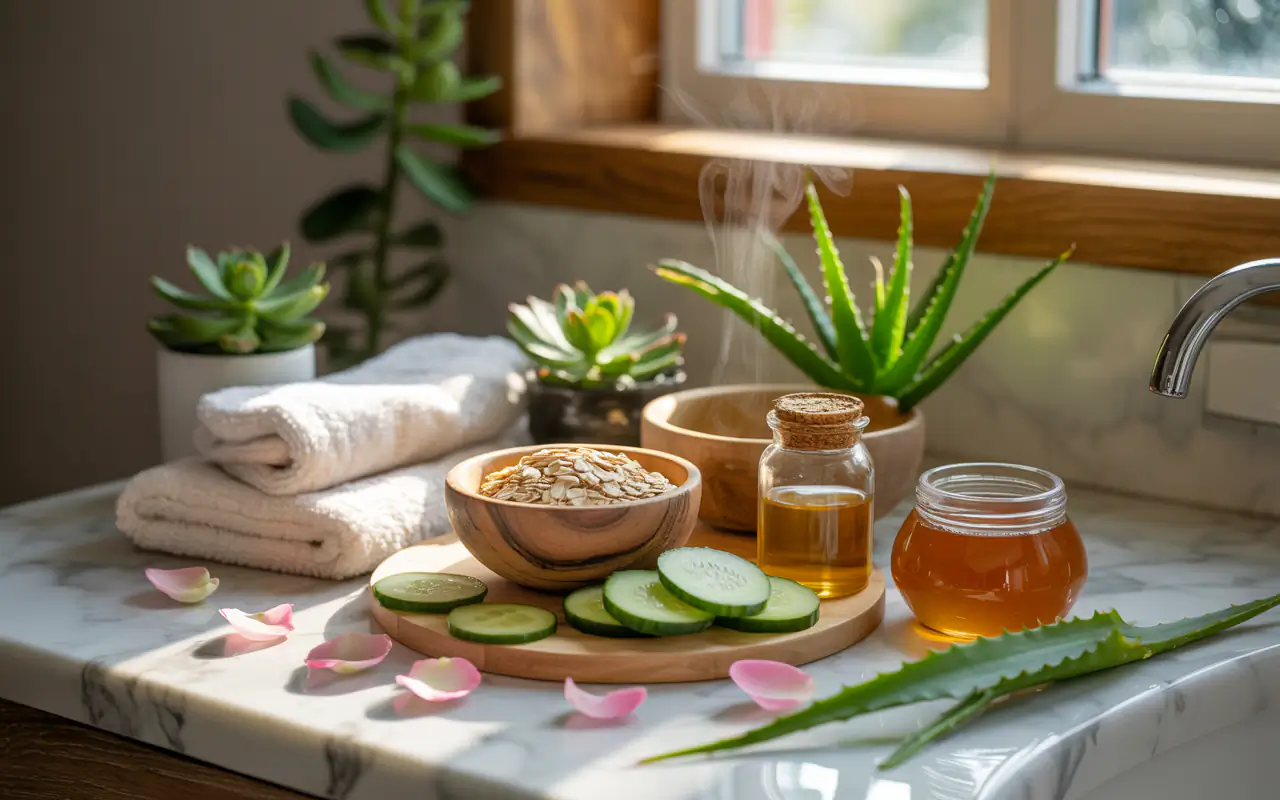
Learn how to take care of skin naturally at home using simple kitchen ingredients. This guide shares daily routines, DIY masks, and healthy habits for glowing, chemical-free skin.
Many people think good skin needs expensive creams or fancy treatments. That is not true. You can take care of skin naturally at home with things you already have. Your kitchen holds many simple ingredients that work better than store products. No harsh chemicals. No high costs. Just real, gentle care.
I have tried many natural methods over the years. Some worked great. Some did not. But I learned what truly helps. And I want to share that with you. Whether you have dry skin, oily skin, or something in between, these tips will help. Let us start with why natural care makes sense.
“Natural skin care is not a trend; it is a lifestyle.” – Jessica Alba
Why Choose Natural Skin Care at Home?
Store products often contain long lists of ingredients you cannot pronounce. Many include preservatives, fake smells, and drying alcohols. These can irritate your skin over time. When you take care of skin naturally at home, you know exactly what goes on your face. You use whole foods. You avoid hidden toxins. Plus, it costs much less.
Natural methods also respect your skin’s own balance. Your skin has a protective layer of oils and good bacteria. Harsh soaps strip that away. Natural ingredients like honey and oatmeal clean without stripping. They work with your body, not against it.
Benefits of Natural Skin Care vs. Commercial Products
| FeatureNatural Home CareTypical Store Products | ||
|---|---|---|
| Ingredients | 1-5 simple items | 15-30 chemicals |
| Cost per use | Very low | Medium to high |
| Side effects | Rare (allergies possible) | Dryness, breakouts, burning |
| Environmental impact | Minimal packaging | Plastic waste |
| Customization | Yes, for your skin type | One size fits all |
Simple Morning Routine for Natural Skin Care
Your morning routine does not need many steps. In fact, too many products can clog pores and cause redness. Here is a gentle way to start your day.
Step 1: Rinse with Cool Water
When you wake up, your skin is not dirty. It just has some oil from sleep. Splash cool water on your face. No soap needed. Cool water closes pores and wakes you up. Pat dry with a soft cloth. Do not rub.
Step 2: Apply a Natural Toner (Optional)
If you have oily skin, a toner helps. Mix equal parts apple cider vinegar and water. Put it on a cotton pad and wipe your face. This balances pH. For dry skin, skip this step.
Step 3: Moisturize Lightly
Use a few drops of jojoba oil or squalane oil. These oils are very close to your skin’s natural sebum. They soak in fast and do not feel greasy. Or use raw shea butter if your skin is very dry. Warm it between your fingers first.
That is it. Three simple steps. You can take care of skin naturally at home every morning in less than five minutes.
Evening Steps to Cleanse and Repair
Night time is when your skin repairs itself. So you want to remove the day’s dirt, sunscreen, and makeup. Then help your skin heal while you sleep.
Step 1: Oil Cleansing
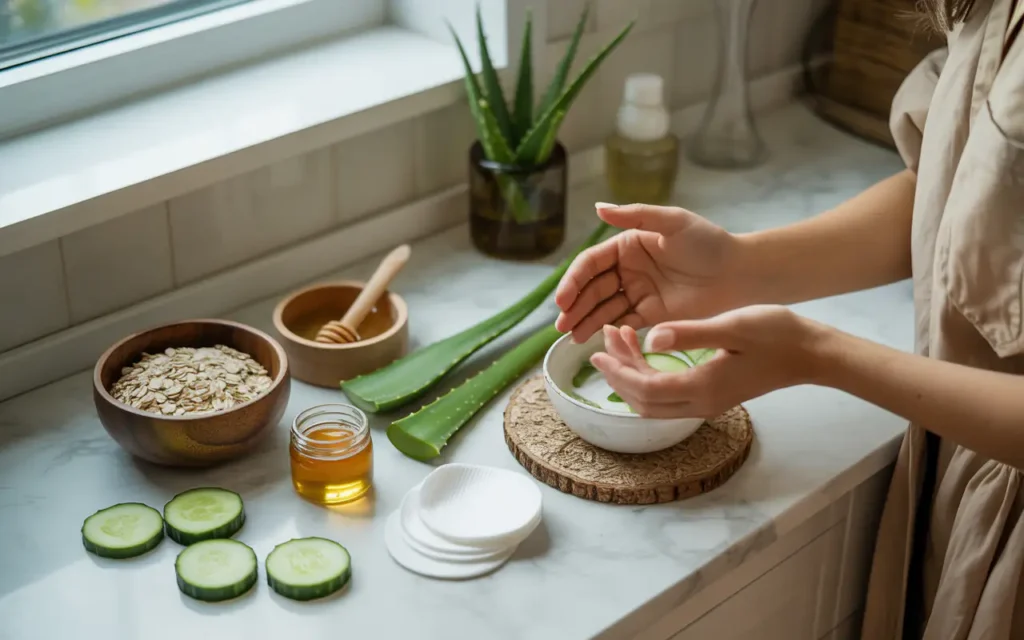
Oil dissolves oil. That may sound strange, but it works. Use castor oil mixed with a lighter oil like sunflower or grapeseed oil. Massage it onto dry skin for one minute. Then place a warm, damp washcloth over your face. Let the steam open your pores. Wipe away the oil gently. Your skin will feel clean but not tight.
Step 2: Second Cleanse (Only If Needed)
If you wore heavy makeup or sunscreen, follow with a honey wash. Mix one teaspoon of raw honey with a little warm water. Rub between your palms and press onto your face. Honey kills bacteria and adds moisture. Rinse with cool water.
Step 3: Night Moisture
Apply a slightly richer oil at night. Rosehip seed oil is great. It has vitamin A and fatty acids that help repair damage. Or use a thin layer of aloe vera gel. Aloe calms redness and speeds healing.
“The greatest medicine of all is to teach people how not to need it.” – Hippocrates
By using gentle natural methods, you help your skin need less intervention over time.
Natural Ingredients You Already Have in Your Kitchen
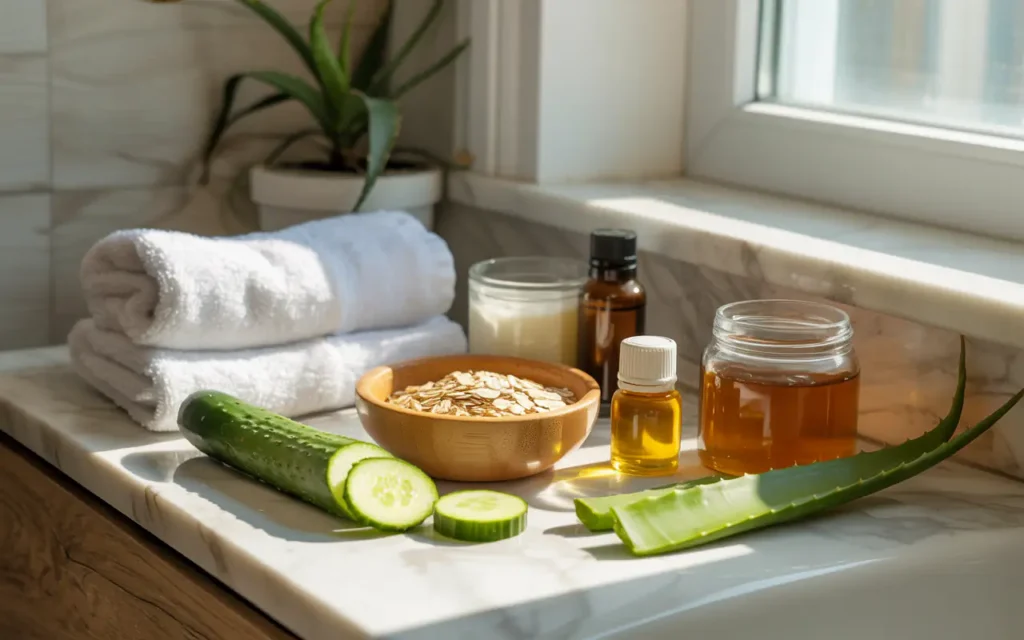
You do not need to buy special products. Look in your pantry and fridge. These common items are powerful for skin.
Honey for Hydration and Healing
Raw honey is a natural humectant. That means it pulls moisture from the air into your skin. It also has enzymes that gently exfoliate. And it kills acne bacteria. Use honey as a face wash or a 10 minute mask.
Oatmeal for Soothing Irritation
Oatmeal calms itchy, red, or sensitive skin. Grind plain rolled oats into a fine powder. Mix with yogurt or water to make a paste. Leave on for 15 minutes. This works well for eczema or sunburn.
Aloe Vera for Calming and Repair
If you have an aloe plant, break off a leaf. Squeeze out the clear gel. Apply directly to burns, acne, or dry patches. Aloe contains compounds that reduce swelling and help new skin cells grow.
Coconut Oil for Moisture (With Care)
Coconut oil is very thick. It works well for body skin but can clog facial pores for some people. Use it on elbows, knees, and feet. For your face, try a tiny amount on dry patches only. Do not use if you have acne.
Yogurt for Gentle Exfoliation
Plain yogurt has lactic acid. This is a mild alpha hydroxy acid (AHA) that removes dead skin cells without scrubbing. Apply a thin layer and leave for 10 minutes. Rinse with cool water. Do this once a week.
DIY Face Masks for Common Skin Issues
Making a mask at home takes two minutes. You mix, apply, relax, and rinse. Here are recipes for different needs.
DIY Face Mask Recipes for Common Skin Issues
| Skin Issue | Ingredients | Instructions |
|---|---|---|
| Dry, flaky skin | 1 mashed banana + 1 tsp honey | Mix, apply 15 min, rinse warm water |
| Oily, shiny skin | 1 tbsp bentonite clay + 2 tbsp rose water | Mix paste, apply 10 min (do not dry fully) |
| Acne breakouts | 1 tsp turmeric + 2 tbsp plain yogurt | Apply 10 min, rinse well (turmeric stains) |
| Dull, tired skin | 1 tbsp coffee grounds + 1 tbsp honey | Gently scrub in circles, leave 5 min |
| Red, sensitive skin | 2 tbsp ground oatmeal + 1 tbsp aloe gel | Apply thick layer, leave 20 min |
When you take care of skin naturally at home, masks become a fun weekly ritual. Put on music. Relax. Your skin will thank you.
“Simplicity is the ultimate sophistication.” – Leonardo da Vinci
Simple masks often work better than complex store ones.
Lifestyle Habits That Help You Take Care of Skin Naturally at Home
What you do outside of your skin care routine matters just as much. Your skin shows what is happening inside your body.
Hydration and Diet
Drink water throughout the day. Not gallons. Just when you feel thirsty. Water helps flush out toxins that can cause breakouts. Eat colorful vegetables and fruits. They give you vitamins A, C, and E. These protect your skin from damage. Avoid too much sugar. Sugar attaches to collagen and makes skin less firm.
Sleep and Stress Management
Your skin repairs itself mostly at night between 10 PM and 2 AM. Try to sleep seven to eight hours. When you are stressed, your body makes cortisol. This hormone increases oil production and acne. Find small ways to relax. Deep breathing. A short walk. Listening to music.
Gentle Exfoliation Methods
Exfoliation removes dead skin cells so fresh skin can show. But many people scrub too hard. That causes redness and tiny tears. Instead, use a soft washcloth with your normal cleanser once or twice a week. Or use a paste of rice flour and water. Rub in very gentle circles. Never exfoliate on active acne or open sores.
Common Mistakes to Avoid When Using Natural Products
Even natural care can go wrong if you do not pay attention. Here are common errors.
Using too many oils. Your skin can only absorb so much. Layering three or four oils leads to clogged pores. Pick one oil for day and one for night.
Not patch testing. Natural does not mean hypoallergenic. Some people react to cinnamon, citrus oils, or even honey. Test a new ingredient on your inner arm. Wait 24 hours before putting it on your face.
Leaving masks on too long. Clay masks draw out oil. But if you leave them until they crack, they also pull out good moisture. Ten minutes is plenty.
Skipping sunscreen. Natural care does not replace sun protection. Use a mineral sunscreen with zinc oxide. Or wear a hat and stay in shade during peak hours.
Expecting overnight results. Natural methods work slowly. They support your skin’s own healing. Give any new routine at least four weeks before judging.
Frequently Asked Questions
Can I take care of skin naturally at home if I have acne?
Yes. Many natural ingredients fight acne without harsh drying. Honey kills bacteria. Tea tree oil (diluted) reduces inflammation. Green tea soothes redness. Avoid coconut oil and heavy butters if you have acne. They can clog pores.
How often should I use DIY masks?
Once or twice a week is enough. More than that can overwork your skin. Listen to your skin. If it feels tight or looks red, take a break.
Is it safe to use lemon juice on my face?
No. Lemon juice is too acidic. It can burn your skin and make it sensitive to sunlight. It also fades skin unevenly. Use apple cider vinegar diluted with water instead. That is much gentler.
What is the best natural moisturizer for very dry skin?
Shea butter works well. It is thick and rich. Warm a small amount between your fingers and press into damp skin. Another option is avocado oil. It has fatty acids that go deep into dry skin layers.
Can I mix different natural ingredients together?
Yes, but start simple. Mix two or three at most. Too many ingredients make it hard to know what helps or harms. Also some combinations reduce effectiveness. For example, mixing vitamin C (from citrus) with baking soda makes them both useless.
How long until I see results?
Most people notice softer skin within one week. Redness and breakouts may take three to four weeks to improve. Deep wrinkles or dark spots need two to three months of consistent care. Be patient.
Do I need to refrigerate homemade masks?
Yes, if they contain fresh food like banana, yogurt, or aloe. Use these masks right away. Do not store them. Dry ingredients like clay or oatmeal can be kept in a closed jar. Mix with water only when ready to use.
Conclusion
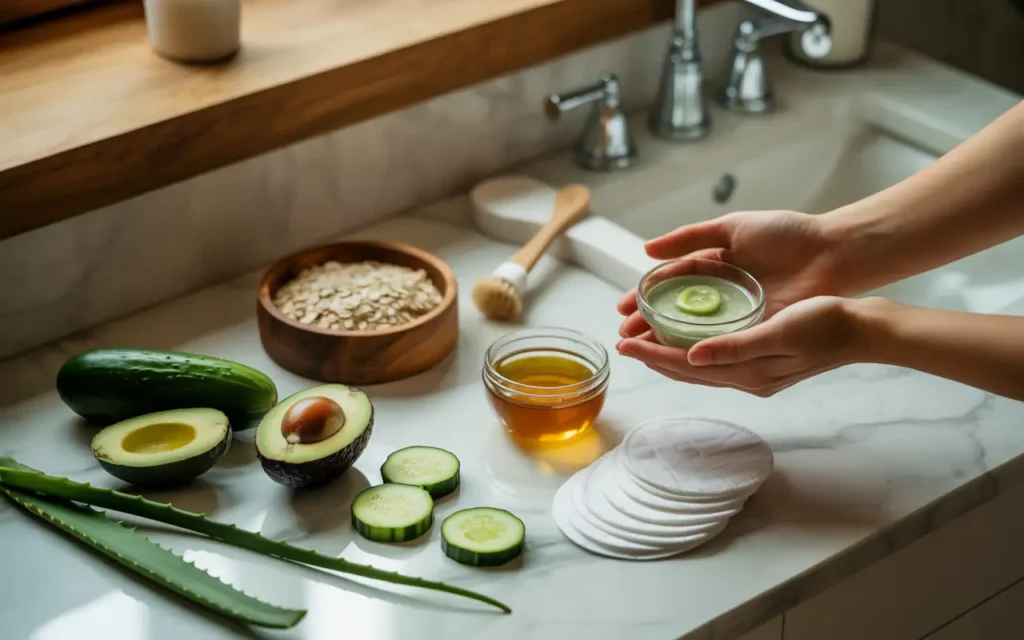
Learning to take care of skin naturally at home is not hard. You do not need a dozen products or an hour each day. Start with one small change. Maybe replace your morning cleanser with just water. Or try a honey mask once a week. See how your skin responds.
Remember that natural care is gentle and slow. That is a good thing. Harsh chemicals give fast results but often cause long term damage. Real beauty comes from healthy skin, not perfect skin. Your skin has its own texture, color, and marks. That is normal. That is you.
Over the years, I have saved hundreds of dollars by using kitchen ingredients. More importantly, my skin feels calmer. No more random rashes or burning sensations. Just clean, soft, happy skin. You can have that too. Give natural methods a real try for one month. Keep a small notebook of what you try and how your skin feels.
You deserve skin care that works with your body, not against it. And the best part? Everything you need is probably already in your home. So go look in your kitchen. Find some honey or oatmeal. Start small. Be consistent. Your future self will thank you.
Take a deep breath. You have got this. Natural skin care is simple, kind, and effective. One step at a time.
Related posts
 Best Under Eye Patches for Puffiness: A Buyer’s Guide
Compare the best under eye patches for puffiness, dark circles, and wrinkles. Find vegan, collagen, and gift-ready options for a refreshed look. Puffy eyes can make…
 The Best Eyebrow Growth Serum for Fuller, Healthier Brows
Discover the best eyebrow growth serums to achieve fuller, thicker brows. Compare top picks, natural oils, and advanced formulas for your perfect match. Achieving fuller, more…
 Best Eye Serum for Fine Lines: Your Guide to Smoother Under-Eye Skin
Discover the best eye serum for fine lines with our detailed comparison. Find hydrating, retinol, and brightening options to target wrinkles and puffiness. Fine lines around…