
How To Clean Windows Without Streaks
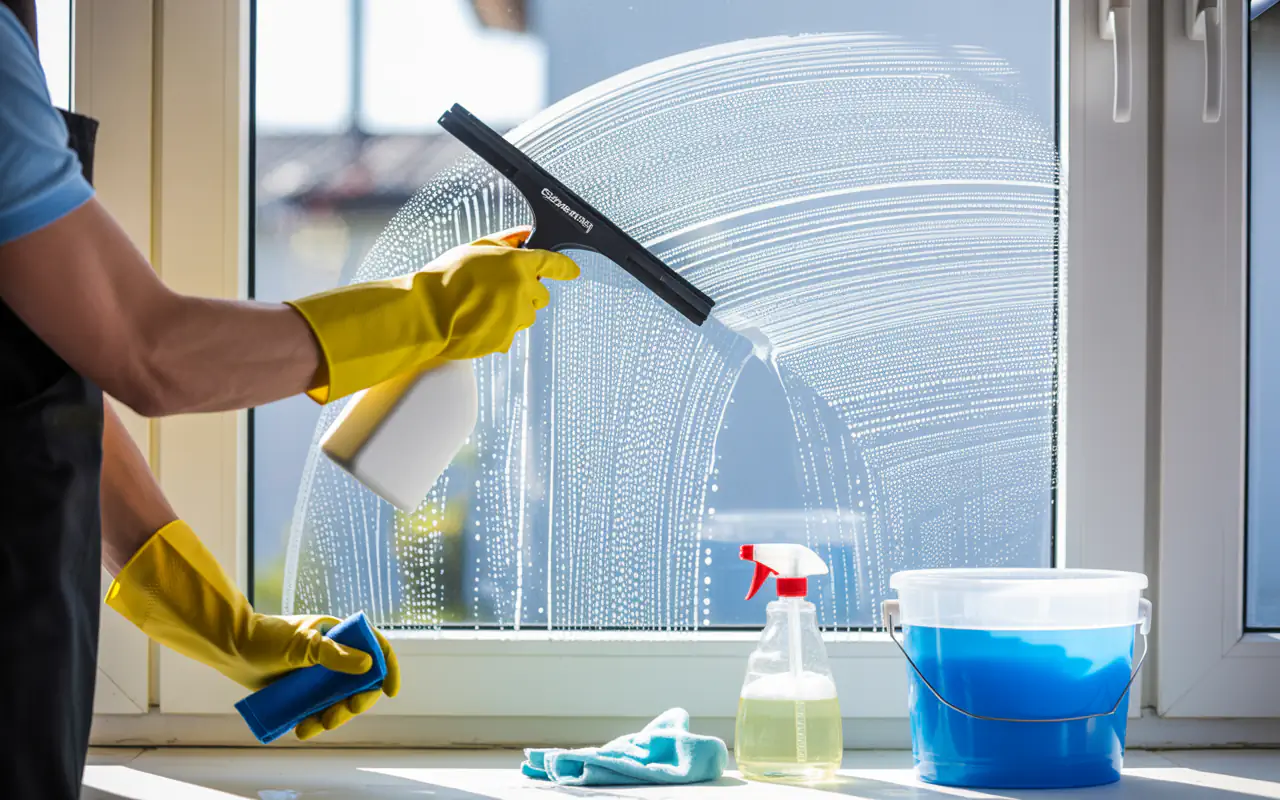
To easily clean windows without streaks, use a simple mix of white vinegar and water with a good squeegee to get a perfectly clear view every single time.
You want to look out your window and see the beautiful sky. You do not want to see grey lines and white spots. Many people want to know how to clean windows without streaks every time they wash their house. It seems like a simple task to wash a piece of glass. Yet many people end up with a cloudy mess when they finish their work. There are a few big reasons why this happens to your glass panes. Soap residue is one of the most common causes of lines on your glass. Many store sprays have a lot of soap or wax in them. This soap stays on the glass after you wipe it away. The sun warms the glass and dries this thin layer of soap. Then you see lines where your cloth moved.
Another big cause of lines is the type of water you use. Tap water contains small minerals like calcium and magnesium. These minerals do not evaporate into the air when the water dries. Instead they stay on the glass and form tiny white spots or long cloudy trails. If you wash your glass on a hot day the water dries too fast. This quick drying leaves the minerals behind before you can even wipe them off. Dirt that is left behind can also cause streaks. If you do not remove the top layer of dust first your cloth will just smear the mud around the pane. The mud dries into dark tracks that block your view.
The cloth you pick can also cause a lot of issues. Old t-shirts or paper towels often leave lint behind. This small lint clings to the glass and looks like dust. Some cloths do not absorb the wet spray well enough. They just push the liquid from one side of the window to the other side. This creates a pattern of wet lines that turn into dry streaks. You must understand how these factors work to get a perfect shine. When you know what causes the lines you can change your process to avoid them completely.
Soap Residue and Film
When you buy a bright blue spray from the store you think it will make your glass clean. Many of these blue liquids have synthetic chemicals that leave a film. This film acts like a magnet for dust and pollen. As soon as you finish wiping the wind blows dust onto the window. The dust sticks to the film right away. Over time this film builds up into a thick layer that is hard to remove. You need to wash the glass multiple times just to get the old soap off.
Many people use too much dish soap when they make a home mix. A big squirt of soap looks nice and sudsy in your bucket. However those suds are hard to rinse away from a flat glass surface. When the bubbles pop they leave circular marks on the pane. You only need a very tiny drop of soap to break the surface tension of the water. Less soap means less film and a much clearer view for your home.
The Impact of Hard Water Minerals
Hard water is a silent enemy of clear glass in many homes. If you live in an area with high mineral levels your tap water will cause issues. When you spray tap water on a window the liquid begins to disappear into the air. The pure water leaves but the minerals cannot float away. They bond to the glass surface and form hard deposits. These deposits look like white crust or hazy spots that ruin your view.
To fix this you can use distilled water for your cleaning tasks. Distilled water has gone through a process to remove all minerals and impurities. It is completely pure liquid. When distilled water dries it leaves absolutely nothing behind on the glass surface. This simple switch can fix more than half of your streak problems right away. It is an easy step that saves you a lot of time and frustration.
Evaporation and Weather Choices
The weather plays a massive role in how your windows look after a wash. Many people choose a bright sunny day to do this outdoor chore. They think the sun will help them see the dirt better. This is actually a mistake that leads to bad results. The hot sun warms up the glass until it feels hot to the touch. When you spray your liquid onto hot glass it dries in a matter of seconds.
You do not have enough time to wipe the liquid away before it turns into vapor. This fast evaporation freezes the dirt and soap in place on the pane. You are left with a pattern of dried lines that match your spray pattern. It is much better to choose a cloudy day for this chore. You can also work early in the morning before the sun hits that side of your house. Cool glass stays wet longer so you can wipe it off calmly and smoothly.
Best Tools for Clear Glass
The tools you choose will dictate how well you can clean windows without streaks today. You do not need to spend a lot of cash on high-tech gear to get a great result. A few basic items from a local shop will give you the best finish. The absolute most important tool is a high-quality microfiber cloth. These cloths are made from tiny fibers that trap dirt instead of pushing it around. They act like little hooks that grab dust, grease, and moisture from the glass surface.
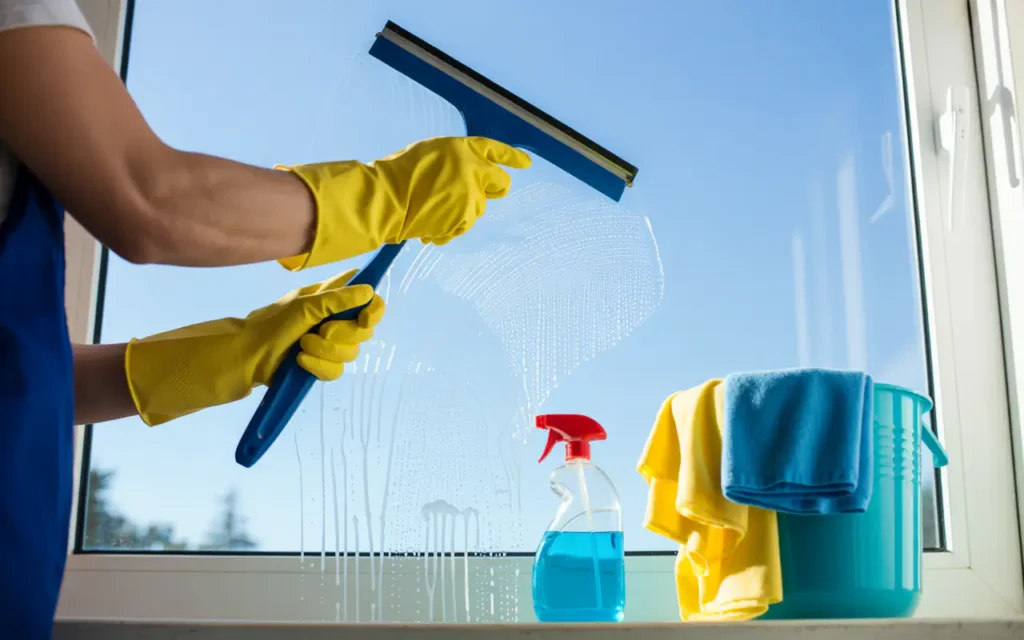
A squeegee is another tool that professionals use every single day. A squeegee uses a sharp rubber blade to pull water off the glass in one smooth motion. It leaves the surface completely dry behind its path. If there is no water left on the glass there is no chance for streaks to form. You must make sure the rubber blade is soft and free of nicks or cuts. A damaged blade will leave a line of water behind with every single stroke.
You also need a good bucket and a soft scrubber to apply your liquid. A soft sponge or a woven microfiber bar works best for this step. Do not use green scrubbing pads that you use for kitchen pots. These rough pads can scratch the glass and cause permanent damage. A soft tool is all you need to loosen the dirt before you remove it. Keep your tools clean by washing them after every use so they do not store old dirt.
Choosing the Right Microfiber Cloth
Not all microfiber cloths are created equal for glass cleaning tasks. Some have long fluffy loops that are great for dusting wood furniture. These fluffy cloths are not good for glass because they can leave tiny bits of lint behind. For windows you want a flat woven microfiber cloth often called a glass cloth. These cloths feel smooth to the touch and look like silk or satin.
These flat weave cloths are excellent at polishing glass to a high shine. They absorb water quickly and do not drop lint particles on the clean surface. You should keep a few of these cloths handy while you work. Use one cloth to do the initial wipe and a second completely dry cloth to do the final polish. This two-step method ensures that every last drop of moisture is gone from the pane.
Why a Squeegee Makes a Big Difference
Using a squeegee might feel intimidating if you have never tried it before. However it is the fastest way to get a perfect finish on large windows. The squeegee works by seals against the glass and scraping the water away. It removes the dirty water completely instead of letting it dry on the pane. This tool saves your arms from a lot of rubbing and scrubbing with towels.
When you buy a squeegee look for one with a brass or stainless steel handle. These handles have a good weight that helps press the rubber against the glass. The rubber strip should be replaceable so you can swap it out when it gets old. A fresh rubber blade feels supple and glides smoothly across the wet glass without skipping or jumping.
Avoid These Materials on Your Glass
Many old advice columns tell people to use old newspapers to clean their windows. People say the ink polishes the glass and prevents streaks from forming. This trick used to work well many years ago when newsprint was made differently. Today most newspapers use soy-based inks that can actually dissolve in water. If you use modern newspaper you might end up with dark black smears on your white window frames.
Paper towels are another common item that people grab for a quick clean. While they are handy paper towels break apart when they get wet. They leave a mountain of white lint and dust all over your glass surface. You will spend more time trying to blow the lint away than you did washing the window. Avoid these materials and stick to clean microfiber for the best results.
Homemade Solutions That Work Well
If you want to clean windows without streaks, you do not need to buy costly sprays from a store. You can make an amazing cleaning liquid right in your kitchen using cheap items. These homemade mixes often work much better than store brands because they do not contain heavy soaps. They use simple ingredients that break down dirt and then dry completely clean. The most popular mix uses plain white vinegar and pure water. Vinegar is acidic so it cuts through grease and hard water spots easily.
Another good option is a mix that uses small amounts of rubbing alcohol. Isopropyl alcohol evaporates incredibly fast into the air. When you add it to your spray it helps the water dry quickly before lines can form. You can also add a single drop of liquid dish soap to help lift thick mud or bird drops. The key is to keep the soap amount very low so you do not create a film. Experiment with these simple mixes to find the one that works best for your home environment.
The Classic Vinegar and Water Mix
White vinegar is a staple for natural home cleaning for good reason. It has a mild acid content that dissolves the bond between dirt and glass. To make this mix combine equal parts of white vinegar and distilled water in a spray bottle. If your windows are very dirty you can warm the water up slightly before mixing. The warmth helps loosen old dirt and grime faster.
“Clear glass lets the light in and changes how your home feels,” says home care expert Mary Carter. This vinegar spray is safe for your hands and does not release harsh chemical fumes into your living room. The vinegar smell can be quite strong when you first spray it on the pane. Do not worry about this odor because it fades away completely as soon as the liquid dries. Your room will smell fresh and clean within a few minutes.
Dish Soap Liquid Blend
Sometimes vinegar alone is not strong enough to tackle heavy outdoor grime. If you live near a busy road your windows might have a greasy layer from car exhaust. For these tough jobs you can create a gentle dish soap blend. Fill a clean bucket with one gallon of warm distilled water. Add just half a teaspoon of liquid dish soap to the water and stir it gently.
Do not whip the water into a giant pile of foam and bubbles. You want a calm liquid that dissolves grease without leaving a heavy layer of suds. This blend is perfect for scrubbing the outside of your house with a soft sponge. It lifts the heavy dirt so you can rinse it away with a squeegee or a hose. Always follow this wash with a quick wipe down to keep lines from forming.
Rubbing Alcohol for Extra Shine
If you live in a very humid area you might find that your window spray stays wet for too long. This extra wet time gives dust a chance to land in the liquid and cause streaks. You can fix this issue by adding rubbing alcohol to your homemade recipe. The alcohol boosts the drying speed of the entire solution significantly.
To make this shiny mix blend one cup of distilled water with one cup of rubbing alcohol. Add one tablespoon of white vinegar to give it some cutting power against grease. This mix is excellent for small mirror surfaces and indoor glass panes. It flashes off the glass surface almost instantly as you wipe it with your dry cloth. You are left with a beautiful reflection and zero lines.
DIY Window Cleaning Solutions
| Solution Type | Ingredients | Best Use Case |
| Classic Mix | 50% White Vinegar + 50% Distilled Water | Regular indoor and outdoor maintenance |
| Heavy Duty Blend | 1 Gallon Warm Water + 0.5 Tsp Dish Soap | Thick mud, pollen, and greasy car exhaust |
| Quick Dry Spray | 1 Cup Water + 1 Cup Rubbing Alcohol + 1 Tbsp Vinegar | Humid days, mirrors, and indoor glass surfaces |
Step by Step Guide to Clear Glass
Follow these simple stages to clean windows without streaks on your first try. Before you touch the glass with any liquid you must prepare the surrounding area. Use a dry brush or a vacuum to remove cobwebs and dust from the window frame. If you skip this step the liquid spray will run into the dust on the frame. This creates a muddy brown line that will drip down across your clean glass later. Once the frame is totally clean you can focus your attention on the glass pane itself.
Spray your homemade liquid over the entire surface of the glass pane. Do not use too much spray or it will run down in big streams onto your floors. You want a fine mist that covers the dirt evenly. Use your first microfiber cloth to wipe the liquid across the glass in a grid pattern. Move from top to bottom and from left to right to cover every single inch. This action lifts the dirt away from the glass surface and traps it in the fibers of the cloth.
Prep the Window Frame and Sills
Cleaning the frame is just as vital as cleaning the glass pane itself. Dust gathers in the tracks and corners of your windows over many months. When wind blows through the screen this dust moves around the frame. Use a small gap tool or an old toothbrush to clean out the tight corners of the window sill. Wipe the painted wood or vinyl tracks with a damp rag to clear the loose soil away.
If you have window screens remove them before you start working on the glass. Wash the screens with a hose outside to remove trapped pollen and bugs. Leave the screens to dry completely in the yard while you wash the windows. Putting a dirty screen back over a clean window will ruin your hard work during the next rainstorm.
Apply Your Cleaning Liquid Right
When it is time to spray your window aim for an even coverage across the pane. Many people make the mistake of spraying a giant puddle right in the center of the glass. Then they try to spread that puddle out to the dry corners with their cloth. This method leaves the edges too dry and the center far too wet to clean properly.
Hold your spray bottle about twelve inches away from the glass surface while you pump the trigger. Move your hand in a steady zig-zag shape as you spray from the top down. This technique creates a beautiful mist that lands softly on the whole pane. Every section of dirt gets the same amount of liquid so it can loosen up at the exact same time.
The Proper Way to Wipe
The direction of your hand movements matters a lot when you are wiping down glass. Do not move your hand in circles across the window pane. Circular rubbing just moves the dirt around in circles and creates curved streaks that show up in the sunlight. Instead you should use straight vertical or horizontal lines for your wiping motion.
Wipe the indoor side of the window using vertical strokes from the top down to the bottom. Then wipe the outdoor side of the window using horizontal strokes from left to right. This smart trick helps you spot any streaks that appear later. If you see a vertical line you know it is on the inside glass. If you see a horizontal line you know it is on the outside glass. This saves you from guessing which side needs more work.
Dry the Edges for a Clean Finish
The final part of the step is to dry the very edges of the window pane. Water likes to hide in the small rubber seal where the glass meets the frame. If you leave this water alone it will creep out later and form long streaks down the clean pane. Take a dry corner of your microfiber cloth and wrap it tightly around your index finger.
Run your finger along the entire border of the glass frame to catch those hidden drops. Press firmly into the corners to absorb any pooled liquid that is sitting there. This quick detail work takes only a few seconds per window but it makes a huge difference. Your windows will look sharp, clean, and completely professional when you finish this edge dry.
The Best Technique for Using a Squeegee
Learning this smooth motion helps you clean windows without streaks with very little effort. Professional window cleaners can clean a massive pane of glass in under ten seconds using a squeegee. They make it look easy because they understand the mechanics of the rubber blade. The first rule of using a squeegee is to keep the blade wet while it moves across the wet glass. If the blade hits a dry spot on the pane it will jump and leave a big line behind.
You also need to keep a clean cloth in your pocket while you work with this tool. Wipe the rubber blade dry with your cloth after every single stroke you make. A wet blade cannot wipe water off the next section of glass effectively. It will just transfer the old water back onto the clean area you just cleared. Hold the handle at a gentle angle so the rubber glides softly without scraping too hard against the glass.
The Straight Pull Down Method
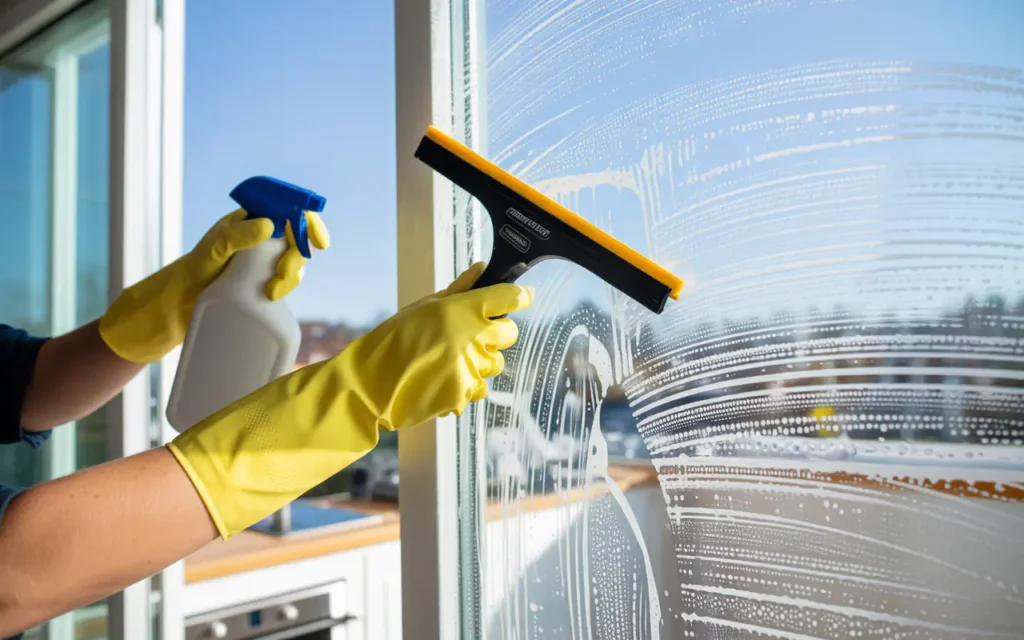
The easiest method for beginners is the straight pull down method. Start at the top left corner of your wet window pane. Place the squeegee blade flat against the glass and pull it straight down to the bottom sill. Lift the tool up and wipe the rubber blade completely dry with your microfiber cloth. Move to the next section of the window for your second stroke.
Overlap your second stroke with the first stroke by about one inch. This overlap ensures that no thin lines of water are left behind between the two paths. Repeat this pattern across the window until you reach the right side. This method works perfectly for tall narrow windows found in most family homes. It is simple to learn and gives you great results fast.
The S Pattern Snake Method
The S pattern method is what the professionals use on large display windows. It allows you to clean the entire pane without lifting the squeegee from the glass surface. You start in the top corner and sweep the tool horizontally across the top edge. As you reach the opposite side you curl the wrist down and loop back in the other direction.
This continuous motion creates a snake shape down the face of the window pane. It requires a very loose wrist and a lot of practice to maintain the correct blade angle. “The best tool is a dry cloth and a fast hand,” notes cleaning specialist John Davis. Once you master the snake method you can wash large glass surfaces in a fraction of the time.
Keeping the Blade Dry
We cannot talk enough about the importance of a dry squeegee blade. If you leave water on the rubber it will create a streak at the start of your next stroke. This streak happens because the water drops run off the blade onto the dry glass. Always wipe the blade from one end to the other with a clean towel between pulls.
You should also check the condition of your rubber blade regularly while you work. If you notice a line appearing in the same spot on every window check the blade for damage. A tiny grain of sand can get stuck to the rubber and scratch a line through the water. Rinse the blade in clean water to clear any grit away before you continue your chores.
Cleaning Inside vs Outside Windows
You must adapt your plan if you want to clean windows without streaks on both sides of the house. Indoor windows deal with a very different type of dirt than outdoor windows. Inside your home the glass collects fingerprints, kitchen grease, pet nose prints, and dust from heating vents. This dirt is often oily but it forms a very thin layer on the glass surface. You do not need a large bucket of water to clean these indoor panes. A simple spray bottle and two good microfiber cloths are usually enough.
Outdoor windows face much harsher conditions throughout the year. They are coated in thick dust, yellow tree pollen, bird droppings, and salty rain spots. This heavy debris can easily scratch your glass if you rub it with a dry cloth right away. You need to use a lot more liquid on the outside to wash these rough particles away safely. A bucket, a soft washing bar, and a squeegee are the best choices for outdoor glass care.
Dealing with Indoor Dust and Grease
When you work inside your house you must protect your furniture and floors from drips. Place a old towel on the sill below the window to catch any stray drops of spray. Kitchen windows often have a sticky film from cooking oils that float through the air. This film can be tough to cut with plain water alone.
Use the vinegar and water mix for these greasy kitchen areas. The acid breaks down the oil molecules so you can wipe them away easily. If you have pets wash the lower half of the windows where their noses touch the glass. These nose marks contain oils that require a firm rub with a clean microfiber cloth to remove completely.
Removing Outdoor Dirt and Pollen
Outdoor glass requires a gentle touch to prevent scratches from sand and grit. Start by rinsing the window gently with a garden hose to knock off the loose dirt particles. Do not use a high-pressure nozzle because it can force water past the rubber seals into your home walls. Once the loose grit is gone you can apply your warm dish soap blend with a soft scrubber.
Work the soap into a gentle lather to lift the stubborn pollen and bird droppings from the surface. Use your squeegee to pull the dirty water off the pane quickly before the sun can dry it. If you have high windows use an extension pole to keep your feet safely on the ground. This gear makes outdoor washing much safer and easier for everyone.
Indoor vs Outdoor Window Maintenance
| Feature | Indoor Windows | Outdoor Windows |
| Main Dirt Types | Fingerprints, pet nose grease, indoor dust | Pollen, mud, bird drops, salt rain crust |
| Fluid Volume | Light mist from a handy spray bottle | Heavy wash with a bucket and soft scrubber |
| Floor Protection | Needs a simple towel on the sill for drips | Needs care around delicate garden plants |
| Cleaning Interval | Once every month or as spots appear | Two to three times per year or after storms |
Common Mistakes That Cause Streaks
Avoiding these bad habits will ensure you can clean windows without streaks in any season. Many people make mistakes without knowing they are ruining their own hard work. The biggest mistake is using too much product on the glass pane. People think that more spray equals more clean glass. In reality extra spray just means more residue that you have to clear away later. Use a light touch with your spray bottle to make your work easier.
Another common pitfall is using old dirty cloths to finish your windows. If your cloth is already full of grease from the kitchen it will just smear that grease onto the glass. Wash your cleaning cloths after every chore session to keep them fresh. Do not use fabric softener when you wash your microfiber cloths in the laundry machine. Fabric softener leaves a waxy coating on the fibers that will transfer onto your windows and cause massive streaks during your next clean.
Cleaning Under the Hot Sun
We mentioned this briefly before but it is worth talking about in deeper detail. Cleaning windows when the sun is beating down on them is a recipe for failure. The heat causes the liquid to dry almost instantly when it hits the pane. This rapid drying leaves the soap and minerals trapped on the surface before you can use your tools.
Always check the position of the sun before you grab your cleaning supplies. Start on the north or east side of your house in the morning hours. Move to the south and west sides later in the afternoon when those windows are in the shade. This smart schedule keeps your glass cool and gives you plenty of time to wipe it dry without stress.
Using Too Much Cleaning Product
It is a natural human habit to think that more is better when we clean our homes. We love to see thick bubbles because they make us feel like the soap is working hard. However glass is a non-porous surface that does not absorb anything. Any extra chemical you put on the glass must be physically removed by your hand.
If you spray a huge cloud of cleaner you will need ten dry cloths just to dry the pane completely. If you do not get every single drop off the glass it will dry into a hazy white cloud. Save your money and your arm muscles by using less spray. A light mist is all it takes to lift daily dirt and keep your view clear.
Using Dirty Cloths or Rags
When you are wiping a large house full of windows your cloths will get wet and dirty quickly. If you try to use the same cloth for the whole house you will start to see streaks on the later windows. The cloth becomes full of water and dirt so it stops absorbing new moisture. It just moves the dirty water around the glass surface.
Change your cloths frequently as you move from room to room. Keep a clean stack of dry microfiber towels next to your bucket. As soon as a cloth feels damp or looks grey put it in the laundry pile and grab a fresh one. “Good habits keep your view bright all year long,” says lifestyle writer Sarah Evans. This simple habit ensures consistent results across your entire home.
Long Term Tips to Keep Windows Clear
A good plan makes it simple to clean windows without streaks throughout the whole year. You do not have to wait until your windows are completely grey to give them some care. A little bit of regular maintenance can prevent dirt from building up into a thick crust. Dust your window frames and sills once a week when you do your regular house vacuuming. This quick step removes the loose soil before it can stick to the glass pane.
You can also use protective coatings on your exterior windows to help them stay clean longer. Some modern glass treatments act like rain shields for your home windows. They cause water to bead up and roll off the surface instead of flattening out and drying into spots. These coatings are excellent for windows that are hard to reach or sit near lawn sprinklers that spray hard water.
Regular Dusting Routines
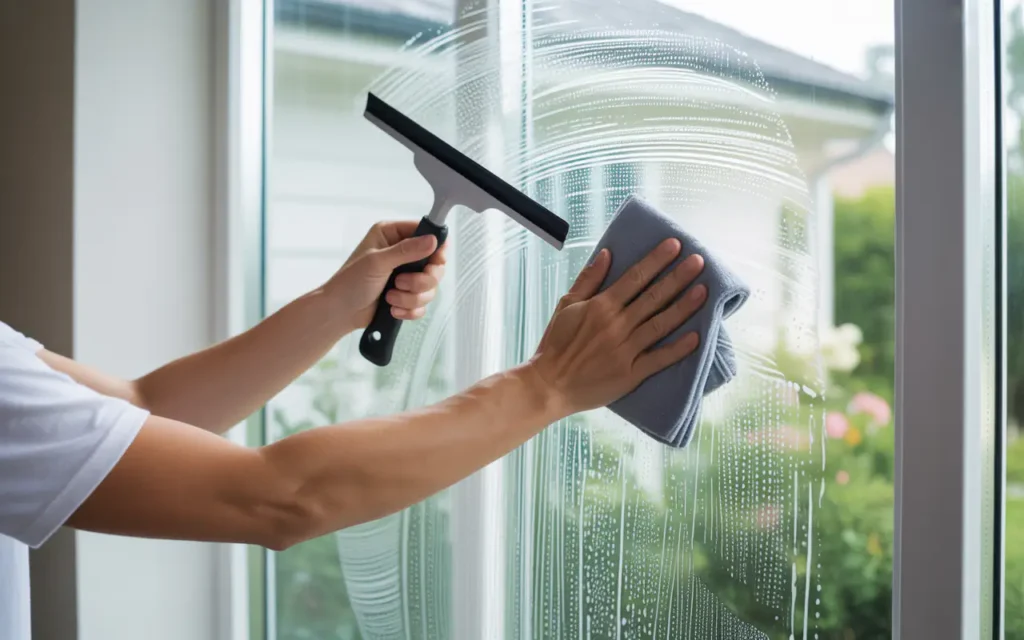
Dust is the starting point for most window grime. When dust lands on a dry window it can be blown away by a simple breeze. However if that dust mixes with morning dew or humidity it turns into a thin layer of mud. This mud bakes onto the glass under the sun and forms a cloudy film.
Use a dry microfiber duster to wipe down your window panes once every two weeks. This takes only a few seconds per room and removes the loose particles before they can bond to the glass. You will find that you need to do a full wet wash much less often when you keep up with this simple dusting routine.
Managing Condensation and Moisture
Indoor moisture can also cause issues for your home windows. When you cook dinner or take a hot shower steam floats through the air. If your home is cool this steam turns into liquid water when it hits the cold glass panes. This condensation runs down the glass and leaves tracks behind as it dries.
Use exhaust fans in your kitchen and bathroom to pull this moist air out of your house. You can also use a dehumidifier if your home has naturally high humidity levels. Keeping the indoor air dry prevents condensation from forming on your glass. This protects your wooden window frames from rot and keeps your view free of water tracks.
Frequently Asked Questions
Can I use newspaper to clean my windows without streaks?
It is best to avoid using modern newspapers on your home glass. Old newspapers used inks that helped polish the glass surface nicely. Today most printing companies use soy inks that bleed when they get wet. If you use them today you will likely leave dark smears on your frames and hands. Stick to flat woven microfiber cloths for a safe lint-free shine.
What is the best homemade mix for clear windows?
The most effective homemade mix is a blend of equal parts white vinegar and distilled water. The vinegar cuts through grease and breaks down mineral deposits easily. Using distilled water is vital because it contains no minerals that can leave spots behind when the liquid dries. You can add a drop of dish soap if your windows are very muddy.
Why do my windows look cloudy after I wash them?
A cloudy look is usually caused by old soap residue from store sprays. Many commercial cleaners leave a thin film on the glass that builds up over time. When you wash the window this film gets smeared around and looks like a cloud. Wash the window with a pure vinegar and water mix a few times to strip this old soap coating away completely.
How do I stop water spots from forming on exterior glass?
Water spots are caused by hard water minerals drying on the pane. To stop them avoid washing your windows in direct sunlight which causes fast evaporation. Use distilled water for your cleaning mix and pull the water off quickly with a good squeegee. You can also use a rain shield coating to make the water slide off the glass before it can dry.
Is dish soap safe to use on home windows?
Yes liquid dish soap is safe and effective for washing exterior windows that have a lot of dirt. However you must use a very tiny amount. Add only half a teaspoon of soap to a whole gallon of warm water. If you use too much soap you will create too many bubbles that are hard to rinse off and will leave lines behind.
How often should I wash my home windows?
Most homes benefit from a full wet window wash two or three times a year. Spring and autumn are the perfect seasons for this chore because the weather is usually cool and cloudy. You can do quick spot cleaning indoors on fingerprints and pet nose marks once a month to keep things looking neat.
Can I use a pressure washer on my exterior windows?
No you should never use a high pressure washer on your home windows. The intense force of the water stream can easily crack older glass panes. It can also destroy the soft rubber seals around the frame and blast water inside your house walls. Use a gentle garden hose rinse and a soft manual scrubber instead.
Conclusion
Now you have all the tips you need to clean windows without streaks like a pro. Clean glass changes the whole mood of your home by letting the beautiful natural light pour into your rooms. It makes your living spaces feel larger, brighter, and much more welcoming to your family and guests. You do not need to buy expensive chemical sprays or complicated gadgets to get this beautiful result. Just remember to avoid the hot sun, use simple ingredients like white vinegar, and choose the right microfiber tools for the job. With a little bit of practice with your squeegee and a steady hand you can enjoy a crystal clear view through every single window in your house all year long.
Related posts
 Top Rated Water Jug Set Choices for 2026
Find the best top rated water jug set for your needs. We compare insulated bottles, collapsible containers, and large capacity jugs for sports and travel. Staying…
 Best High Absorbency Tissue Paper and Paper Towels for 2026
Discover the best high absorbency tissue paper and paper towels for 2026. Compare top-rated options for softness, strength, and value in our expert guide. Finding the…
 Best Kitchen Towel Set for 2026: Top Picks for Every Home
Find the best kitchen towel set for your home in 2026. We compare top-rated cotton and microfiber options to help you choose the right balance of…