
Safety Tips For Home Car Repair
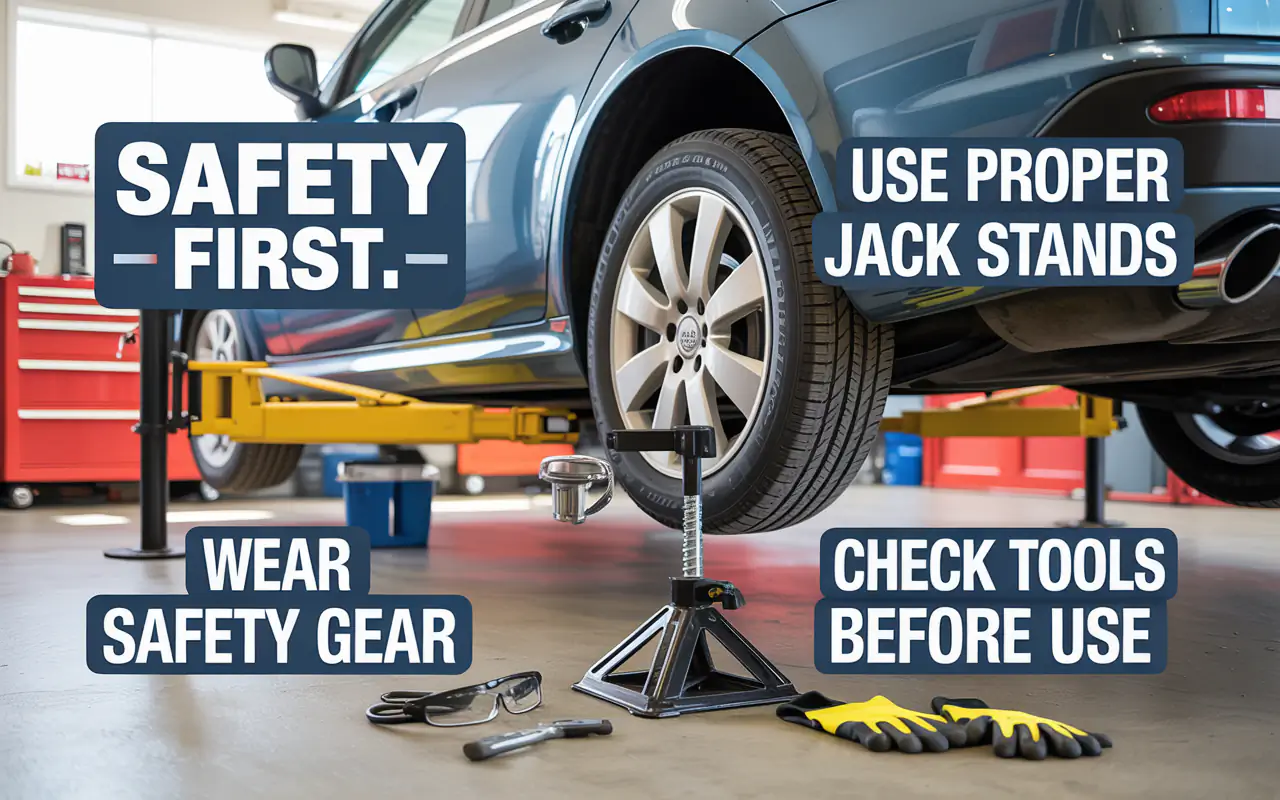
Follow these safety tips for home car repair to stay out of harm’s way. You must use jack stands and eye protection to keep yourself safe while you fix your own vehicle at home.
Working on your own car is a great way to save cash. It also helps you learn how your car works. Many people enjoy fixing things in their own garage. But you must think about your well-being first. Cars are very heavy and full of hot fluids. They have moving parts that can hurt you fast. If you follow the right steps, you can avoid trips to the ER. This guide will show you how to stay safe. We will talk about tools, gear, and habits. You do not need to be a pro to be safe. You just need to be smart and slow down.
Get Ready Before You Work
The first step in any job is getting ready. You should never start a repair if you are tired or in a rush. A clear mind helps you spot risks. Look at your workspace before you pull the car in. Is the floor clean? Are there any spills? A slip can lead to a bad fall. Make sure you have enough light. You cannot fix what you cannot see. Use bright LED shop lights if your garage is dark. Keep your tools in a spot where you can reach them. This prevents you from tripping over cords or boxes.
You should also dress for the job. Do not wear loose clothes. A baggy shirt can get caught in a spinning belt. This is very dangerous. Tie back long hair too. Remove your rings and watches. Metal jewelry can conduct electricity if you touch a battery. It can also get snagged on metal edges. Wear old clothes that cover your skin. This protects you from scrapes and light burns. Good shoes are also a must. Wear boots with thick soles. They protect your feet if you drop a heavy part.
Pick the Right Spot to Work
Where you work is just as vital as how you work. You need a flat surface that is solid. A paved driveway is best. Never jack up a car on dirt or grass. The ground can shift or sink. This makes the car fall. If you must work outside, check the weather. Rain makes everything slick. High winds can blow dust in your eyes. If you work in a garage, make sure there is fresh air. Engines give off fumes that can make you sick or worse. Always keep the big door open if the motor is running.
Floor Surface Matters
A concrete floor is the gold standard for home repairs. It is hard and does not flex. This gives your jack and stands a firm base. If your concrete has cracks, avoid those spots. You want the weight of the car to be spread out. If you have a dirt floor, you can use thick plywood under your stands. But this is a last resort. It is much better to find a flat, hard spot. Keeping the floor dry is also a big part of your plan. Use oil mats or kitty litter to soak up leaks right away.
Use the Right Tools the Right Way
Using the wrong tool is a common way to get hurt. Many people try to use a wrench that is too small. Or they use a screwdriver as a pry bar. This can cause the tool to slip or break. When a tool breaks, your hand often hits a sharp metal part. Always pick the tool that fits the bolt perfectly. If a bolt is stuck, do not just pull harder. Use a spray that loosens rust. You can also use a longer bar for more leverage. This keeps you from straining your muscles.
Check your tools for damage before you start. Look for frayed cords on power drills. Check for cracks in your sockets. If a tool looks old or broken, throw it away. It is not worth the risk. Keep your tools clean and dry. Oily tools are hard to grip. They can slide out of your hand while you are under the car. Use a rag to wipe them down after every use. This also makes them last longer. Good tools are an investment in your safety.
“Safety is not a gadget but a state of mind.” — Eleanor Everet
Lifting Your Car Safely
Lifting a car is the most risky part of home repair. A car can weigh four thousand pounds or more. You must use a floor jack that is rated for your car weight. Most cars have specific spots for the jack. These are called jack points. Check your owner’s manual to find them. If you jack up a car in the wrong spot, you can crush the floor. This can make the car tip over. Once the car is up, you must use jack stands. Never trust a jack alone. Jacks can fail without warning.
Place the jack stands under the frame or solid axles. Lower the car onto them slowly. Once the car is on the stands, give it a little shake. You want to make sure it is rock solid before you go under it. If it moves at all, stop and reset. It is also smart to chock the wheels. Put blocks of wood or bricks in front of and behind the tires on the ground. This stops the car from rolling. Rolling is a big reason why cars fall off stands.
| Safety Item | Purpose | Why It Is Vital |
| Jack Stands | Holds the car up | Prevents crushing |
| Wheel Chocks | Stops rolling | Keeps car stable |
| Safety Glasses | Protects eyes | Blocks flying metal |
| Work Gloves | Protects hands | Stops cuts and burns |
Handling Chemicals and Fluids
Your car runs on many fluids that are not safe for humans. Motor oil can irritate your skin. Brake fluid can damage your eyes. Antifreeze tastes sweet but is very toxic to pets and kids. Always wear gloves when you touch these liquids. Nitrile gloves are great because they do not tear easily. They keep the oil off your skin. If you get a chemical in your eye, wash it out with water for fifteen minutes. Then see a doctor.
Be careful with hot fluids. If you just drove the car, the oil and coolant will be very hot. They can cause bad burns. Let the car sit for an hour before you drain the oil. Never open a radiator cap when the engine is hot. The pressure will spray boiling water on you. This is a very common injury for new DIY fans. Wait until the hoses feel cool to the touch. Use a large pan to catch all the fluid. Do not let it spill on the ground. It is bad for the earth and a slip hazard.
Fire Safety in Your Garage
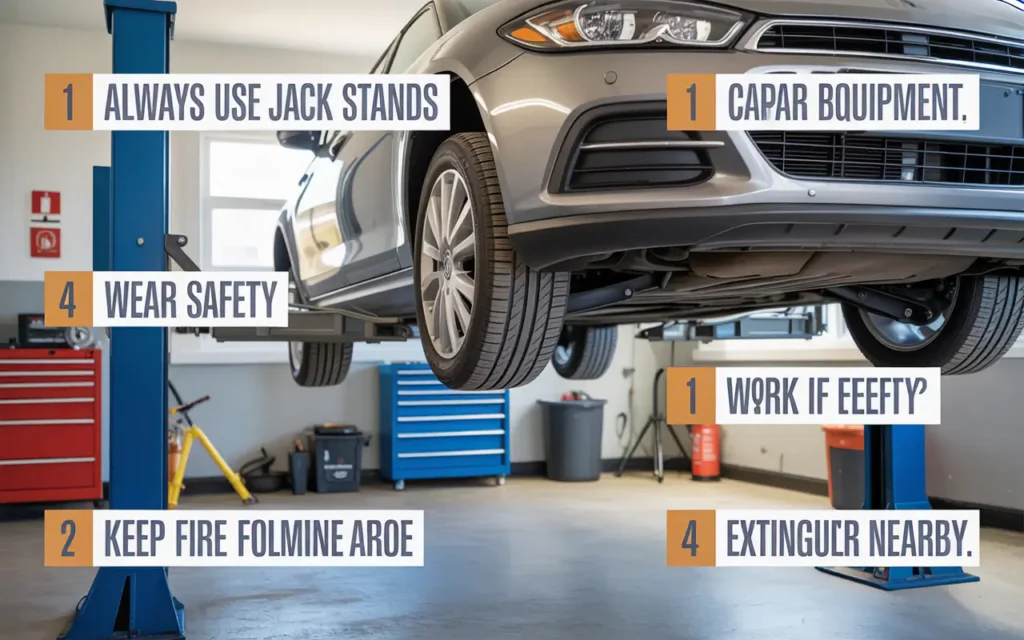
Gasoline is very easy to ignite. A tiny spark can start a big fire. When you work on fuel lines, keep all flames away. This includes cigarettes and heaters. Even a dropped light bulb can start a fire if it breaks. Always keep a fire extinguisher in your work area. Make sure it is rated for oil and gas fires. These are usually Type B or C. Check the gauge on your fire extinguisher once a month. If it is empty, get a new one.
If a fire starts, do not use water on a gas fire. It will only spread the flames. Use your fire extinguisher or a heavy blanket to smother it. If the fire gets too big, get out and call for help. Do not try to save the car. Your life is more valuable. Keep oily rags in a metal can with a lid. They can catch fire on their own if they sit in a pile. This is called spontaneous combustion. It sounds like a myth, but it is real.
“For safety is not a holiday from responsibility.” — Eleanor Roosevelt
Working with Electricity and Batteries
Car batteries look safe because they are small. But they hold a lot of power. They also contain acid that can burn you. When you work on the engine, it is often smart to unhook the battery. Always remove the negative cable first. This is usually the black one. If your wrench touches the frame while you turn the positive bolt, it will spark. This can cause the battery to blow up. Batteries give off gas that can catch fire easily.
Keep metal tools away from the top of the battery. If you drop a wrench across the terminals, it will get red hot in seconds. This can burn your hand or start a fire. If you are jumping a car, follow the steps in the manual. Connect the cables in the right order. Wear your safety glasses during this task. If battery acid gets on your skin, wash it with baking soda and water. The soda helps stop the acid from burning deeper.
| Hazardous Fluid | Risk Level | Safety Step |
| Gasoline | High Fire Risk | No sparks or flames |
| Brake Fluid | High Eye Risk | Wear goggles |
| Antifreeze | Toxic Risk | Keep away from pets |
| Used Oil | Skin Irritant | Wear gloves |
Stay Safe with Moving Parts
Modern cars have fans that can turn on at any time. Even if the engine is off, a cooling fan might start up. This happens as the engine cools down. Keep your hands away from fan blades. Also, be careful with belts. If the engine is running, do not put your hands near the front of the motor. A belt can grab your finger or clothing in a split second. This leads to very bad injuries. If you need to check a belt, turn the engine off first.
Wait for all parts to stop moving before you reach in. Some parts stay hot for a long time. Exhaust pipes and manifolds can stay hot for thirty minutes. If you touch them, you will get a blister. Use a shop rag to test for heat. Gently tap the part with the rag. If it smokes or smells, it is too hot. Take your time and let things cool. There is no prize for being the fastest mechanic. Being the safest mechanic is the real goal.
Use the Right Gear Every Time
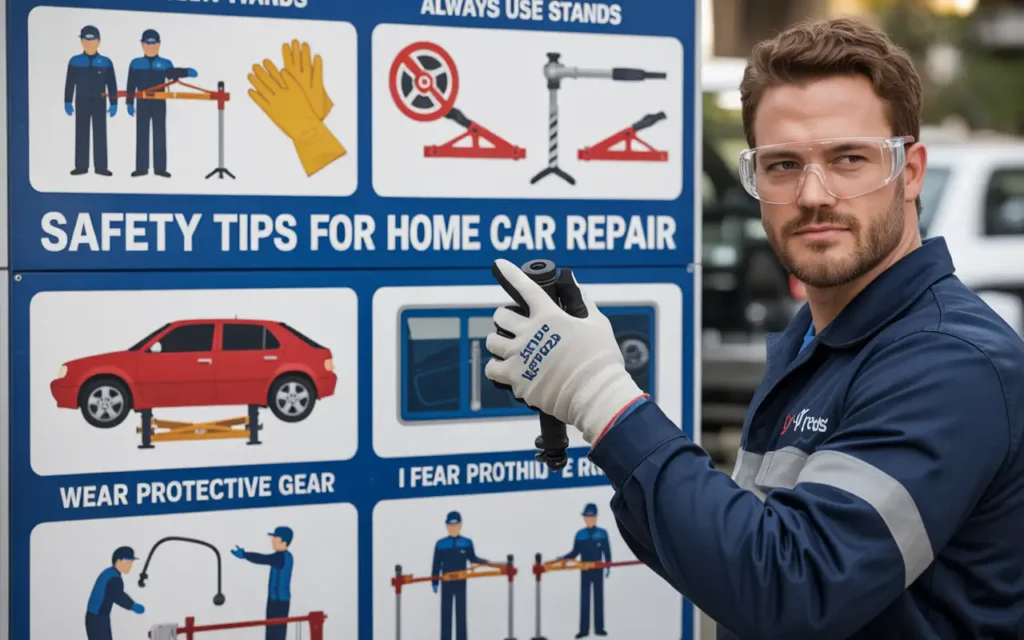
We call this PPE. It stands for Personal Protective Equipment. It is the most basic part of safety tips for home car repair. You should have a box of safety items in your garage. This includes glasses, gloves, and ear plugs. Some jobs are very loud. Using a grinder or an air tool can hurt your ears. If you do this for years, you will lose your hearing. Wear ear muffs or plugs to stay safe.
Safety glasses are the most vital item. Your eyes are very soft. A tiny piece of rust or metal can blind you. When you are under a car, dirt falls into your eyes constantly. Glasses keep this grit out. If you wear regular glasses, get a pair of over-the-glass goggles. They fit right over your frames. For very dirty jobs, use a full face shield. This protects your whole face from sparks and sprays.
Keep Your Workspace Clean
A messy garage is a dangerous garage. Parts and tools on the floor lead to trips. Spilled oil leads to slips. Take five minutes every hour to tidy up. Put tools back in their tray. Wipe up any drips on the floor. This keeps you focused on the task. It also makes it easier to find what you need. If you are working with a lot of small bolts, use a magnetic tray. This keeps them from rolling away.
When you finish the job, do a final sweep. Check for any tools left in the engine bay. A wrench left on a belt can fly out when you start the car. This can hurt you or break the car. Check under the car for any leaks. Look at your jack stands and put them away. Dispose of old fluids at a local shop. Never pour oil down the drain. It is bad for the water supply. Most auto stores will take your old oil for free.
Why a Partner is a Good Idea
It is always better to work with a friend. If something goes wrong, they can help. If a car falls on you, you cannot call for help yourself. A partner can use a jack to lift the car or call 911. If you must work alone, tell someone. Let a neighbor or a family member know you are in the garage. Ask them to check on you in an hour. Keep your phone in your pocket, not on the bench. If you are pinned under a car, you need that phone within reach.
A partner can also help with the job. They can hold a light for you. They can pump the brakes while you bleed the lines. This makes the work faster and safer. Having a second pair of eyes is great. They might see a loose bolt that you missed. They might see a leak that you did not notice. Working on cars can be a fun social activity. Just make sure both of you follow the safety rules.
“Carefulness costs you nothing. Carelessness may cost you your life.” — Circa 1900s Safety Poster
Learn the Limits of Your Skills
One of the best safety tips for home car repair is knowing when to stop. Some jobs are too big for a home garage. Working on internal engine parts or heavy gearboxes is hard. If you do not have the right tools, it is risky. If you feel confused, stop. Look up a video or read a book. If you still feel unsure, call a pro. It is better to pay a mechanic than to break your car or yourself.
Do not try to skip steps to save time. If a manual says to remove a part for safety, do it. If it says to use a specific torque, use it. Torque is how tight a bolt is. If a wheel bolt is too loose, the wheel can fall off. If it is too tight, the bolt can snap. Use a torque wrench to be sure. This tool clicks when you reach the right tightness. It is a vital tool for any home mechanic.
The Importance of High Quality Lighting
You cannot stay safe if you are working in the dark. Shadows hide sharp edges. They also make it hard to see leaks or cracks. Many home garages have one small light on the ceiling. This is not enough. You need task lighting. These are lights you can move around. Some have magnets. You can stick them to the hood or the frame. This puts the light right where you are working.
LED lights are best because they stay cool. Old bulbs get very hot. If you touch them, they burn you. If they break near gas, they can cause a fire. Look for lights that are drop-proof. Garages are hard on gear. You will drop your light at some point. A tough light will keep working. Good light also helps with eye strain. If you can see clearly, you will not get a headache. You will also be less likely to make a mistake.
Frequently Asked Questions
Can I use a pile of wood instead of jack stands?
No. Never use wood, bricks, or cinder blocks to hold up a car. These items can crack or crumble under the weight. A cinder block is not made to hold a point load. It can shatter without warning. Only use jack stands that are made of steel or iron. They are built for this job. They have wide bases to keep the car from tipping. Your life is worth the cost of a good set of stands.
What should I do if I spill gas?
If you spill gas, act fast. Stop what you are doing. Put out any flames or heat sources. Use a dry cloth or sand to soak it up. Do not use a vacuum. The motor in the vacuum can spark and blow up the gas fumes. Move the soaked rags outside to a safe spot. Let the area air out until the smell is gone. Gas fumes are heavier than air. They sit on the floor. This is where sparks from tools often happen.
Do I really need to wear safety glasses for an oil change?
Yes. It seems like a simple job. But when you pull the plug, oil can splash. It often has grit and dirt in it. If that gets in your eye, it hurts. Also, you are under the car. Rust flakes and dust fall down all the time. Your eyes are very easy to hurt. Wearing glasses takes two seconds. It saves you from a lot of pain. It is one of the most basic safety tips for home car repair.
Is it safe to work on a car while the engine is running?
Most of the time, no. You should only have the engine on if you are testing something. For example, you might check for a leak while it runs. But you must be very careful. Stay away from all moving belts and fans. Make sure the car is in park and the brake is on. Never go under a car while the engine is on. The vibration can make the car move or fall. If you can do the job with the engine off, do it that way.
How do I store my tools safely?
Keep your tools in a dry box. If they get wet, they will rust. Rusted tools can break when you use them. Organize them so you can find them fast. This stops you from digging through a sharp pile of metal. Keep your power tools away from water. Check the cords for any nicks or cuts. If you find a bad cord, fix it or replace the tool. A shock from a power tool can be very bad in a damp garage.
Conclusion
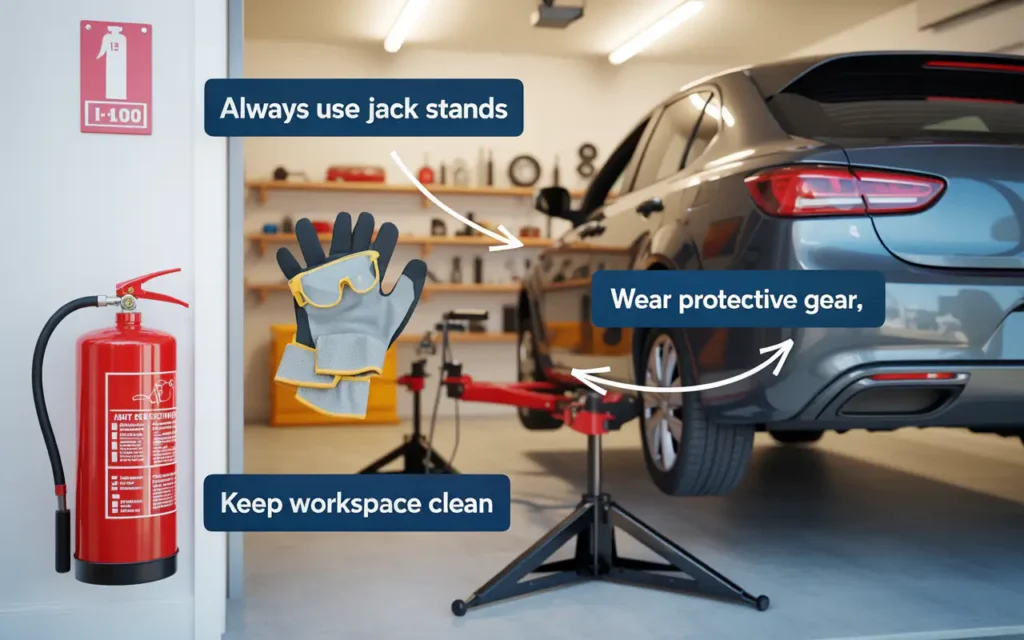
Taking care of your car at home is very rewarding. It builds your skills and saves money. But you must always remember these safety tips for home car repair. Your health is the most important thing in the garage. Use the right gear every single time. Wear your glasses and your gloves. Never trust a jack to hold up a car on its own. Always use stands and chocks to keep the vehicle still.
Take your time with every repair. Rushing leads to mistakes and injuries. If you feel tired or frustrated, walk away for a bit. The car will still be there when you come back. Keep your work area clean and bright. This helps you see risks before they cause trouble. Learn the limits of your tools and your knowledge. If a job is too hard, ask for help. There is no shame in calling a pro.
By following these rules, you can enjoy your hobby for a long time. You will keep your car in great shape. You will also keep yourself out of the hospital. Safety is about small habits that add up. Check your stands. Wear your gear. Clean up your spills. These simple steps make a huge difference. Stay safe and happy wrenching. Fixing your car should be a fun task, not a scary one. With the right plan, you can master any home repair with peace of mind.
Remember that a car is a machine. It does not care about your fingers or your toes. You must be the one to think ahead. Always assume the car could move or fall. If you prepare for the worst, you will be ready for anything. This mindset is what keeps the best mechanics safe for decades. Now you have the tools and the knowledge to start. Take this guide and use it every time you open your hood. Your future self will thank you for being careful today. Safe repairs are the best repairs. Keep learning and keep stay safe in your home shop.
Related posts
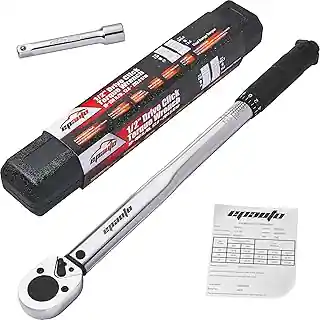 2026 Torque Wrench Reviews: Choosing the Right Tool for Precision Fastening
Explore our 2026 torque wrench reviews to find the right tool for your automotive, bike, or gunsmithing projects. Compare top models for accuracy and value. Finding…
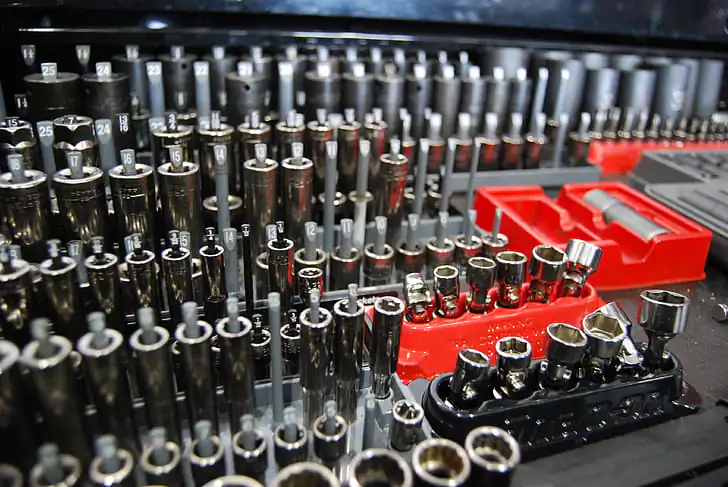 Top Automotive Tools for Beginners: Essential Gear for 2026
Discover the top automotive tools for beginners in 2026. Compare essential pry kits, wrench sets, and repair gear to start your DIY car maintenance journey. Starting…
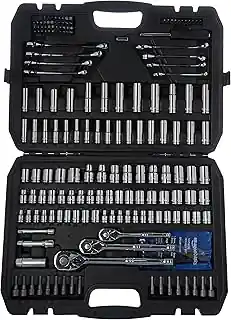 Top Rated Mechanic Tool Brands for 2026
Explore top rated mechanic tool brands for 2026. Compare reliable socket sets and hand tools to find the right equipment for your home garage or auto…