
What Is Proper Nail Care Routine
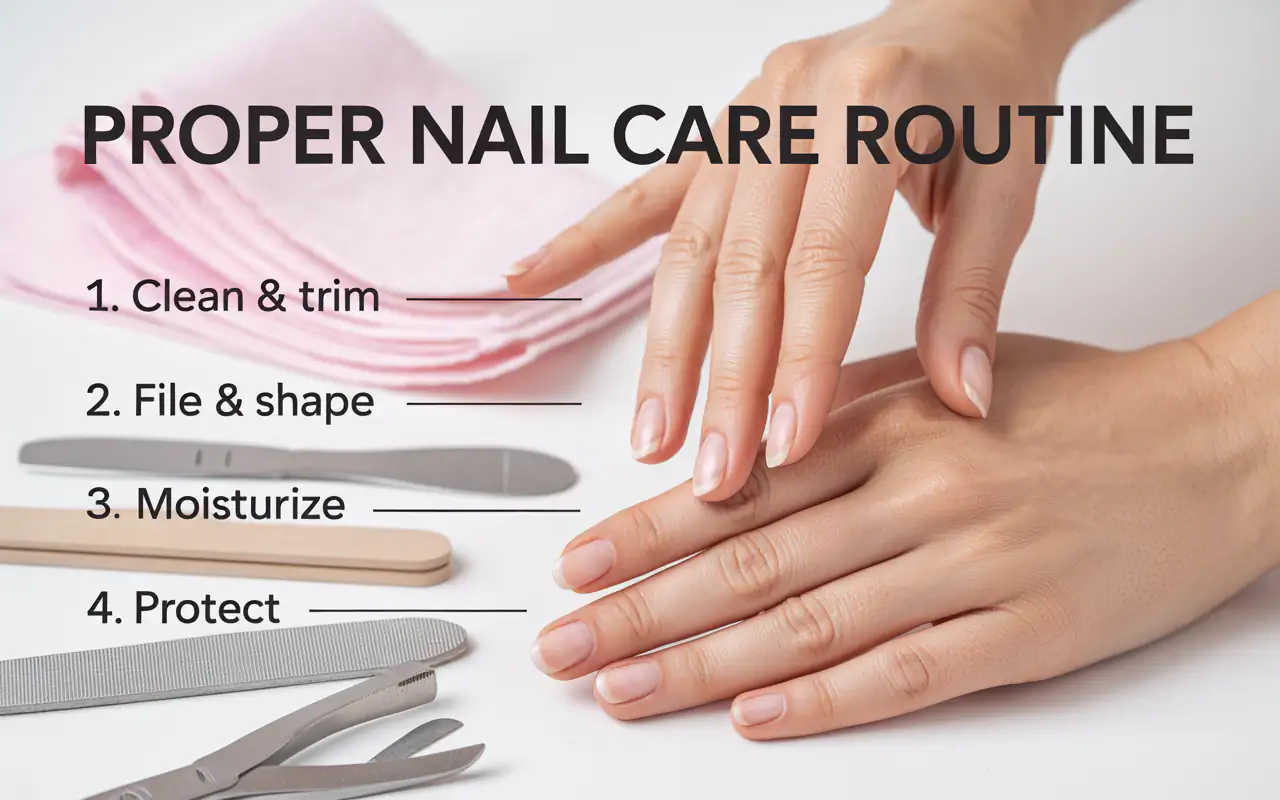
For a healthy and polished look, a proper nail care routine is essential because it prevents breakage while keeping your hands looking their best every day.
Healthy nails are more than just a beauty standard. They are a sign of good hygiene and overall health. When you start thinking about what is proper nail care routine, the first step is always cleanliness. You should wash your hands regularly with mild soap to remove dirt and bacteria that hide under the nail bed. Use a soft brush to gently scrub the underside of your nails. This prevents infections and ensures that any products you apply later will stick better to the surface. Cleanliness is the bedrock of any beauty ritual, and your hands deserve that same level of attention.
Many people forget that the skin around the nails is just as important as the nail plate itself. Keeping your hands dry and clean prevents fungi from growing. However, being too harsh with soaps can strip away natural oils. Look for pH balanced cleansers that do not leave your skin feeling tight or dry. After washing, always pat your hands dry with a soft towel. Rubbing too hard can irritate the cuticle, which is the natural seal that protects the new nail as it grows out from the root.
“The beauty of a woman is not in the clothes she wears, the figure that she carries, or the way she combs her hair. The beauty of a woman must be seen from in her eyes, because that is the doorway to her heart, the place where love resides.” – Audrey Hepburn
Shaping and Trimming Your Nails Correctly
Trimming is a vital part of a proper nail care routine to avoid snags and tears. You should use sharp nail clippers or manicure scissors. It is best to trim your nails after a bath or shower because they are softer and less likely to crack. Trim them straight across and then round the tips in a gentle curve. This specific shape helps maintain the strength of the nail and reduces the risk of painful ingrown nails. If you keep them too long, they become prone to bending, which weakens the structure over time.
Filing is the next step to achieve a smooth finish. Always file in one direction rather than sawing back and forth. Sawing creates heat and friction that can cause the nail layers to separate or peel. An emery board or a glass file is usually better than a metal file, as they are less abrasive. If you notice a small tear, file it down immediately to stop it from getting bigger. Consistency in trimming and filing keeps your nails at a manageable length that fits your daily activities.
Recommended Tools for Nail Care
| Tool Name | Purpose | Frequency of Use |
|---|---|---|
| Soft Nail Brush | Cleaning under nails | Daily |
| Sharp Clippers | Trimming length | Every 2 weeks |
| Glass Nail File | Shaping edges | Weekly |
| Cuticle Pusher | Tidying nail base | Weekly |
Export to Sheets
Hydration is the Secret to Strength
Water and oil are the two things your nails crave the most. Brittle nails often happen because they are dehydrated. Just like you moisturize your face, you must moisturize your hands and cuticles. A proper nail care routine involves applying a rich hand cream or a specific cuticle oil every single night before bed. Look for ingredients like jojoba oil, vitamin E, or shea butter. These ingredients soak into the skin and the nail plate to keep them flexible. Flexible nails are much harder to break than stiff, dry ones.
You can also improve hydration from the inside out. Drinking plenty of water helps every part of your body, including your keratin cells. If you spend a lot of time with your hands in water, such as washing dishes, make sure to wear gloves. Excessive exposure to water and harsh cleaning chemicals can swell the nail cells and then shrink them as they dry. This constant change in volume leads to peeling and brittleness. Protecting your hands with rubber gloves is a simple way to preserve your natural moisture.
Caring for Your Cuticles Safely
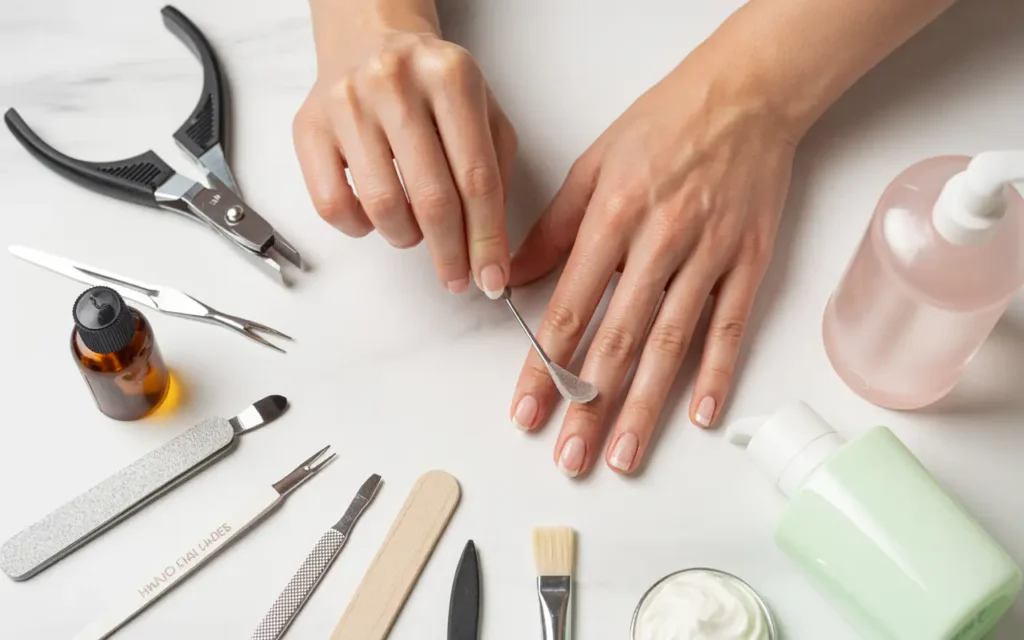
The cuticle is a thin layer of skin at the base of your nail. Its job is to protect the nail matrix from bacteria. Many people make the mistake of cutting their cuticles, but this can lead to redness and infection. Instead, a proper nail care routine suggests gently pushing them back. Use a wooden or plastic cuticle pusher after a shower when the skin is soft. If you see a hangnail, clip it carefully at the base with clean nippers, but never pull on it. Pulling hangnails can rip live tissue and cause a lot of pain.
If your cuticles are very dry, they might start to flake or peel. This is a sign that you need to increase your oil application. Rubbing a drop of oil into the base of each finger only takes a minute but makes a huge difference in how your hands look. Well maintained cuticles give the nail a longer and cleaner appearance without the need for risky cutting. When you treat this area with kindness, your nails grow out smoother and healthier from the start.
Choosing the Right Products
The products you use can either help or hurt your progress. When looking for polish, try to find brands that are free from harsh chemicals like formaldehyde and toluene. A proper nail care routine does not always require colored polish, but if you do use it, always apply a base coat first. The base coat acts as a shield to prevent staining and creates a smooth surface for the color. It also helps the polish last longer without chipping, which saves you time in the long run.
When it comes time to remove your polish, avoid removers that contain high amounts of acetone. Acetone is very effective at removing color, but it is also extremely drying for the nail and the surrounding skin. Non-acetone removers are much gentler, though they might take a bit more rubbing to get the job done. After removing polish, give your nails a break for a day or two. This “naked” time allows the nails to breathe and recover their natural oils before you apply a new set of products.
“To clean is to love. To care is to live. Treat your hands like the tools of art they truly are.” – Unknown
Nutrition and Its Impact on Nails
What you eat shows up on your fingertips. Your nails are made of a protein called keratin, so eating enough protein is very important. Foods rich in biotin, such as eggs, nuts, and whole grains, can help thicken the nail plate. Iron and zinc are also key minerals. If you have white spots or ridges, it might be a sign that your body needs more of these nutrients. A proper nail care routine is supported by a balanced diet full of colorful vegetables and healthy fats.
Some people find that supplements help, but it is always best to get your vitamins from real food first. Leafy greens, beans, and fish provide the building blocks for strong growth. If you notice sudden changes in your nail color or texture that do not go away with topical care, it might be worth talking to a doctor. Nails can often be a window into what is happening inside your body, so paying attention to them is a smart health habit.
Best Foods for Healthy Nails
| Nutrient Group | Example Foods | Benefit for Nails |
|---|---|---|
| High Protein | Chicken, Lentils, Eggs | Builds keratin |
| Healthy Fats | Avocado, Salmon, Walnuts | Adds natural shine |
| Biotin Rich | Almonds, Sweet Potatoes | Increases thickness |
| Iron Sources | Spinach, Red Meat | Prevents brittleness |
Export to Sheets
The Role of Professional Manicures
Going to a salon can be a nice treat, but you should still be careful. A proper nail care routine can be done at home, but if you choose a professional, ensure the salon is clean. Tools should be sterilized in an autoclave or be single use. If you see a technician using the same file on multiple people, it is a red flag. You can even bring your own set of tools to ensure total safety. A good manicure should feel relaxing and should never cause pain or bleeding.
If you enjoy gel or acrylic nails, be aware of the removal process. Peeling off gel polish can rip away layers of your natural nail, leaving them thin and weak. Always have them removed by a pro or follow a safe soaking method at home. It is also a good idea to take breaks between enhancements. Letting your natural nails stay bare for a few weeks every few months helps them maintain their integrity. This balance is key to keeping your hands looking great for years to come.
Common Mistakes to Avoid
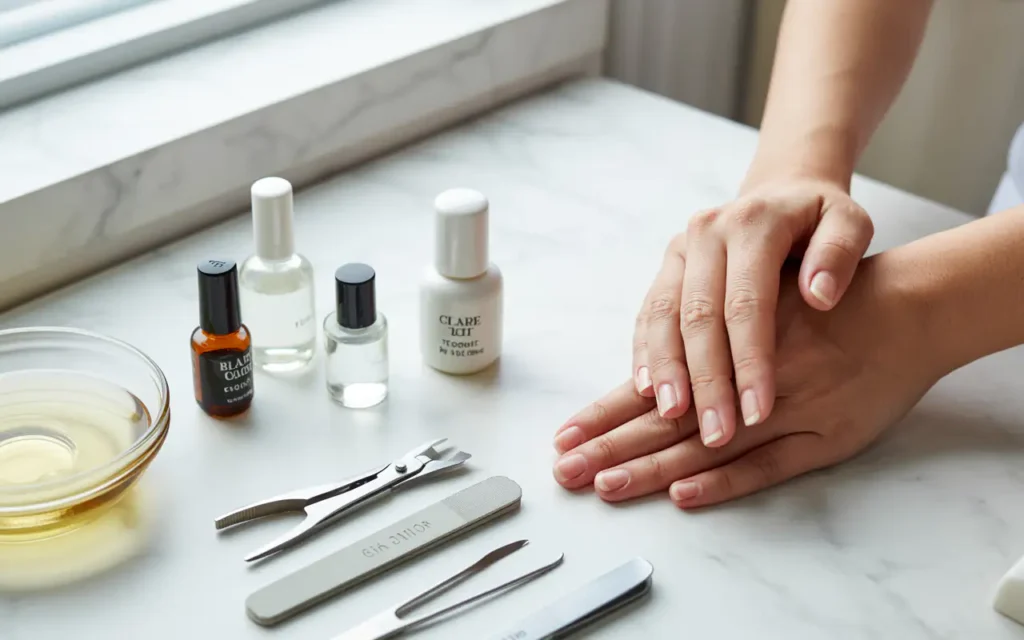
One of the biggest mistakes is using your nails as tools. Opening soda cans, scraping off labels, or prying things open puts a lot of stress on the tips. This causes small fractures that eventually lead to big breaks. A proper nail care routine involves being mindful of how you use your hands. Use a bottle opener or a pair of scissors instead of your nails. This simple change in habit can prevent most accidental breaks and keep your manicure looking fresh for a much longer time.
Another common error is biting your nails or the skin around them. This habit often comes from stress, but it introduces bacteria from your mouth to your fingers. It can lead to infections and permanent damage to the nail shape. If you struggle with this, try using a bitter tasting polish or keeping your nails short and polished. When they look nice, you might feel less tempted to bite them. Finding a replacement habit, like using a stress ball, can also help break the cycle.
“Nature gives you the face you have at twenty; it is up to you to merit the face you have at fifty.” – Coco Chanel
Seasonal Care Adjustments
Your hands need different things depending on the weather. In the winter, the air is dry and cold, which makes nails more brittle. You might need a thicker hand cream and more frequent oiling during these months. In the summer, sun exposure and chlorine from pools can also cause damage. Applying a bit of oil before swimming can create a barrier against the chemicals. A proper nail care routine is flexible and changes with the environment to give your nails exactly what they need.
During the rainy season, humidity can sometimes lead to soft nails that bend too easily. In this case, using a nail hardener or a strengthening base coat can provide extra support. Just be sure not to use hardeners too often, as they can eventually make the nails too stiff. Balance is always the goal. By observing how your nails react to the changing seasons, you can adjust your habits to keep them in peak condition all year round.
Frequently Asked Questions
How often should I trim my nails? It is usually best to trim them every one to two weeks depending on how fast they grow. Keeping them at a consistent length prevents them from becoming weak or catching on fabrics.
What is the best way to fix a broken nail? If it is a small tear, you can file it down gently. For a larger break, you can use a tiny piece of a tea bag and some nail glue to create a patch until it grows out long enough to trim safely.
Does nail polish make nails weaker? The polish itself is usually fine, but the chemicals in some removers can be drying. Taking regular breaks from polish helps your nails stay hydrated and strong.
How can I make my nails grow faster? While you cannot change your natural growth rate much, you can prevent breakage. By keeping them moisturized and protected, they will reach your desired length without snapping off.
Is it okay to push back cuticles every day? Once a week is usually enough. Doing it too often can irritate the skin. Just keep them soft with oil every day to make the weekly maintenance easier.
Final Thoughts on Nail Health
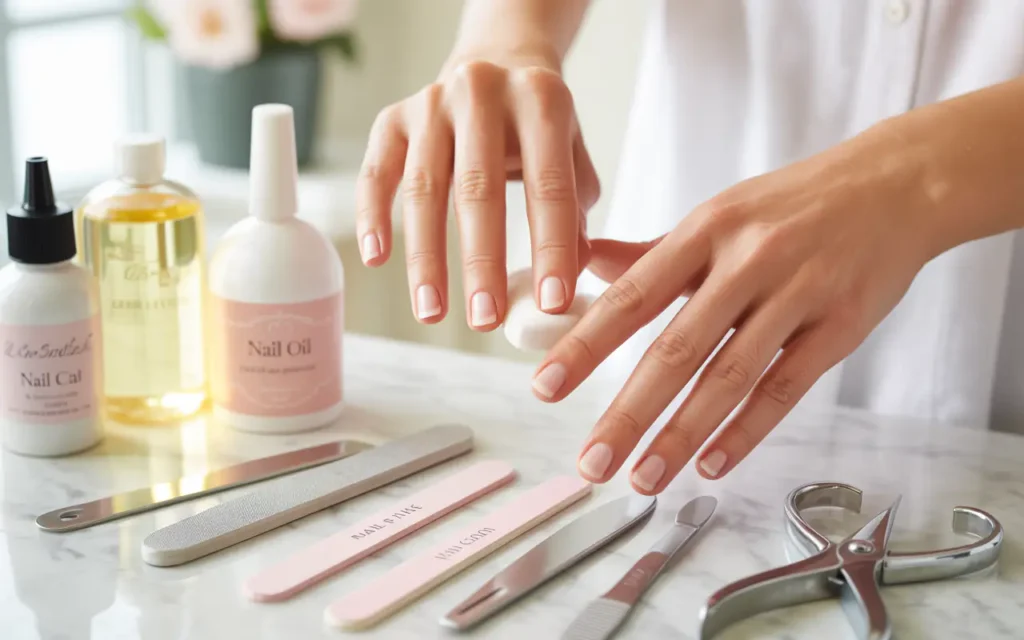
In conclusion, taking care of your hands is a rewarding habit that pays off with time. A proper nail care routine does not have to be complicated or expensive. It is mostly about being gentle, staying hydrated, and using the right tools. When you treat your nails with respect, they stay strong and look beautiful. Remember that consistency is more important than doing a lot all at once. By following these simple steps, you can enjoy healthy nails that reflect your overall well-being. Your hands do so much for you every day, so give them the care they deserve. Whether you prefer a natural look or a bright color, the foundation of health remains the same. Start your new routine today and see the difference it makes in your confidence and comfort. Happy grooming!
Related posts
 Why Pest Control Is Important at Home: Protecting Health and Property
Discover why pest control is important at home. Learn how regular pest management protects your family’s health, prevents property damage, and secures your food. Understanding why…
 How to Test a Car Ground Connection: Step-by-Step Multimeter Methods
Learn how to test a car ground connection using a digital multimeter. Follow our step-by-step guide to diagnose voltage drops, resistance, and bad grounds. A car…
 Why Do Dogs Stare at Walls? Common Causes and When to Worry
Wondering why do dogs stare at walls? Discover the sensory, behavioral, and medical reasons behind this behavior, and learn when to contact your veterinarian. When you…