
How To Avoid Nail Infections
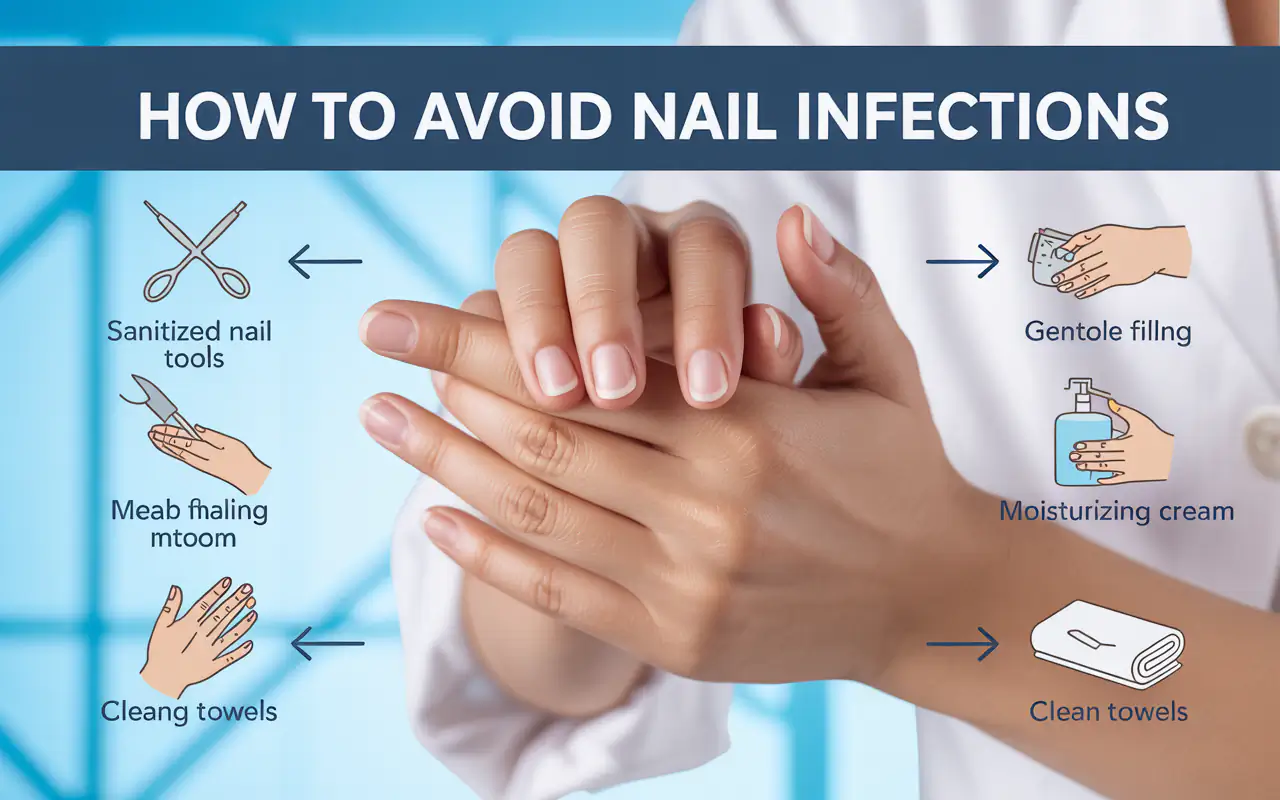
To avoid nail infections, you should keep your hands and feet dry, trim nails straight across, and never share personal tools. Focus on these simple habits to maintain healthy, fungal-free nails and skin.
Keeping your nails healthy is more than just a matter of looks. It is about protecting your body from germs that love to hide in damp or dark places. When we talk about how to avoid nail infections, we are really talking about creating a clean environment for your skin and nails to grow. Fungus and bacteria are tiny living things that thrive in moisture. If you often have wet hands or wear tight shoes, you might be giving these germs a perfect home. Most people do not realize that their daily habits can either help or hurt their nail health. By making small changes to how you wash, dry, and groom, you can keep your nails strong and clear.
Healthy nails should look smooth and have a consistent color. If you see changes like yellowing, thickening, or brittle edges, it might be a sign that germs have taken hold. Preventing these issues is much easier than treating them later. You do not need expensive products to stay safe. Most of the time, the best defense is just being mindful of hygiene. This means paying attention to the tools you use and the places where you walk barefoot. Your nails act as a shield for your fingertips and toes, so taking care of them helps your whole body stay safe from outside irritants.
Daily Habits to Avoid Nail Infections
One of the most important things you can do to avoid nail infections is to keep your feet and hands dry. Moisture is the biggest friend of fungus. After you take a shower or go for a swim, make sure you dry between your toes very well. Use a clean towel every time. If you sweat a lot during the day, consider changing your socks in the afternoon. Cotton or wool socks are better than synthetic ones because they let your skin breathe. When your feet stay dry, fungus has a hard time growing. This simple step is a major part of staying healthy and keeping your skin in great shape.
Another key habit involves your choice of footwear. Shoes that are too tight can squeeze your toes together. This creates heat and traps sweat, which is exactly what germs like. It is a good idea to rotate your shoes. Do not wear the same pair two days in a row. Giving your shoes twenty-four hours to air out helps kill off any bacteria or fungus that might be living inside. Also, always wear flip-flops or water shoes in public places like gym showers or pool decks. Walking barefoot in these areas is a common way people pick up unwanted infections.
Footwear Safety Guide
| Feature | Why It Matters | Best Choice |
| Material | Breathability prevents sweat | Leather, canvas, or mesh |
| Fit | Reduces pressure on nails | Roomy toe box |
| Rotation | Allows shoes to dry out | Switch pairs daily |
| Protection | Blocks germs in public | Flip-flops or sandals |
Proper Grooming for Strong Nails
How you cut your nails plays a big role in your health. To avoid nail infections, you should always use clean clippers. It is best to trim your nails straight across rather than rounding the corners too much. Cutting them into a deep curve can lead to ingrown nails. When a nail grows into the skin, it creates a small break where bacteria can enter. This often leads to pain, redness, and swelling. Keep your nails at a medium length. If they are too long, they can trap dirt and germs. If they are too short, you might expose the sensitive nail bed to injury.
Cleanliness is the foundation of all skin and nail health, and it starts with the tools we use every day.” — Dr. Sarah Jenkins
Never pick at or bite your nails. This habit introduces bacteria from your mouth directly into your skin. It also creates tiny tears in the tissue around the nail. These small wounds are like open doors for infections. If you have a hangnail, do not pull it. Instead, use a pair of clean nippers to clip it off at the base. Pulling a hangnail often rips the living skin, which can lead to a painful infection called paronychia. By being gentle and using the right tools, you protect the natural barrier of your skin.
Salon Safety and Professional Care
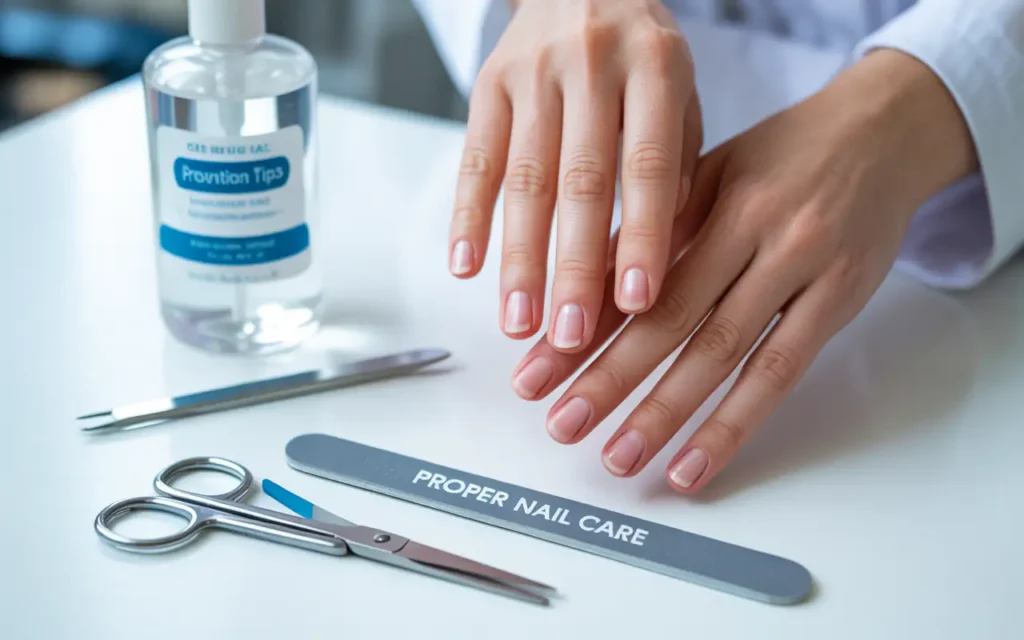
Many people love getting a professional manicure or pedicure, but you must be careful. To avoid nail infections at a salon, you should check that the business is clean and licensed. Look at how they clean their tools. Ideally, they should use an autoclave, which is a machine that uses heat and pressure to kill all germs. If they just soak tools in a blue liquid, make sure the liquid is fresh and the tools stay in there for the right amount of time. You can even bring your own set of tools to the salon to be extra safe. This ensures that no one else’s germs end up on your skin.
Do not let the technician push back or cut your cuticles. The cuticle is a natural seal that keeps germs out of the nail root. When you cut this skin, you break that seal. Most infections that start at the base of the nail happen because the cuticle was damaged. It is much safer to just have the technician gently clean the surface of the nail. Also, if you have a cut or an open sore on your hands or feet, wait until it heals before you go to the salon. Soaking a wound in a shared foot bath is a high risk for picking up a bacterial issue.
Nutrition and Internal Support
What you eat affects how your nails grow. To avoid nail infections, you need a strong immune system and healthy nail structure. Foods rich in biotin, such as eggs and nuts, help make nails less brittle. Stronger nails are less likely to crack or peel. When a nail is cracked, it is much easier for fungus to get inside. Drinking plenty of water also keeps your skin hydrated, which prevents painful cracking around the nail edges. A balanced diet provides the vitamins and minerals your body needs to fight off any germs you might encounter during the day.
Iron and protein are also vital. If you are low on iron, your nails might become thin or concave. This makes them more prone to damage. Including leafy greens, lean meats, or beans in your meals can help. When your body is healthy on the inside, it reflects on the outside. Your nails will be thicker and more resilient against the environment. Think of your diet as a way to build a better shield for your hands and feet. Simple, whole foods are usually the best choice for maintaining this natural defense system.
Common Signs of a Problem
Knowing what to look for can help you act fast. To avoid nail infections from getting worse, you should check your nails once a week. Look for any changes in color like white, yellow, or brown spots. Check if the nail feels thicker than usual or if it is starting to lift away from the skin. If the area around the nail is red, warm, or swollen, it might be a bacterial infection. Catching these signs early means you can start cleaning the area more carefully or see a doctor before the problem spreads to other nails.
Sometimes an infection can cause the nail to become crumbly or have a bad smell. This is often a sign of a fungal issue that has been there for a while. If you notice these symptoms, stop using nail polish for a while. Polish can trap moisture and hide the problem, making it harder to treat. Keeping the nail bare and dry is the first step in helping it heal. If the problem does not go away with home care, a professional can give you the right medicine to clear it up quickly.
Warning Signs Table
| Symptom | Potential Cause | Action to Take |
| Yellow or brown tint | Fungal growth | Keep dry and see a pro |
| Red, swollen skin | Bacterial infection | Keep clean and avoid irritants |
| Thick, brittle edges | Long-term fungus | Trim carefully and air out |
| Nail lifting | Injury or infection | Protect from further trauma |
Home Remedies and Prevention Tips
There are several easy ways to maintain a clean environment at home. To avoid nail infections, you can wash your hands and feet with a mild soap that has tea tree oil. Tea tree oil is known for having natural properties that discourage the growth of fungus and bacteria. Just make sure to rinse well and dry thoroughly. Another tip is to use an antifungal spray or powder in your shoes if you are prone to sweaty feet. This helps keep the environment inside your footwear less inviting for germs.
“The best way to treat a problem is to make sure it never has a space to grow in the first place.” — Martha Stewart
If you spend a lot of time with your hands in water, like washing dishes or gardening, wear gloves. Rubber gloves with a cotton lining are great because they keep the water out but also absorb any sweat from your hands. This prevents your nails from becoming soft and waterlogged. Soft nails tear easily, and those tears are where infections often start. By wearing gloves, you provide a physical barrier against both germs and harsh chemicals that can weaken your nails.
Understanding Fungal Risks
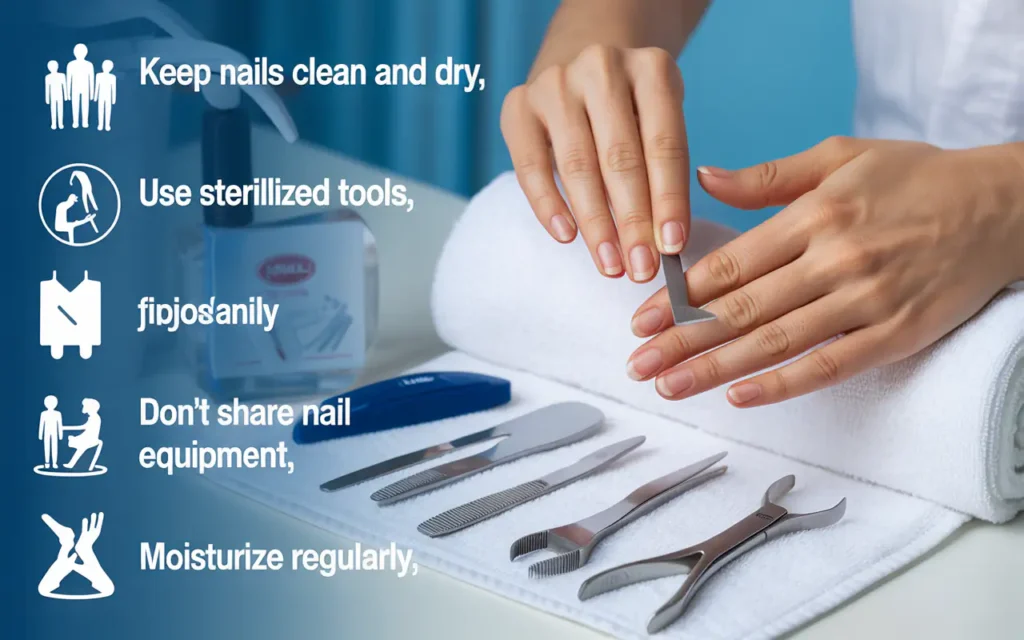
Fungal infections are very common and can be stubborn. To avoid nail infections of this type, you must be consistent with your habits. Fungus thrives on keratin, which is the protein your nails are made of. Once it starts, it can be hard to get rid of because the nail grows slowly. This is why prevention is so vital. Avoid sharing items like socks, shoes, or towels with anyone else. Even family members can pass fungus back and forth without knowing it. Having your own personal items is a simple way to stay safe and healthy.
If you go to a public gym, be mindful of the equipment. If you use your hands to steady yourself on a machine, wash them afterward. Bacteria can live on surfaces for a long time. It is also wise to keep your gym bag clean. Do not leave sweaty clothes or wet towels in the bag for days. Wash your gym gear frequently and let your bag air out. These small actions reduce the number of germs you bring into your home and help you stay free of skin and nail issues.
Protecting Your Cuticles
The skin around your nails is just as important as the nail itself. To avoid nail infections, you should keep this skin soft and intact. Use a gentle lotion or oil on your cuticles every night. This prevents them from becoming dry and cracking. Cracks in the skin are easy entry points for bacteria. When your cuticles are hydrated, they stay flexible and stay attached to the nail plate, providing a perfect seal. Avoid using harsh chemicals like acetone too often, as they can dry out both the nail and the surrounding skin.
“Your skin is your body’s largest organ and its first line of defense; treat it with kindness.” — Alexis Vogel
If you do notice a small cut near your nail, clean it right away with soap and water. You can apply a tiny bit of antibiotic ointment and cover it with a bandage. This keeps dirt and germs out while the skin heals. Being proactive about small injuries prevents them from turning into bigger health concerns. It only takes a minute to care for a small scratch, but it can save you weeks of discomfort later on.
Frequently Asked Questions
What is the best way to clean nail tools?
You should wash your clippers and files with warm soapy water after every use. For extra safety, you can wipe them down with rubbing alcohol. This kills any lingering bacteria or fungus and ensures the tools are ready for next time.
Can nail polish cause infections?
Nail polish itself does not usually cause infections, but wearing it for too long can be a problem. It can trap moisture against the nail, which fungus likes. It can also hide the early signs of an infection, so it is good to give your nails a break from polish once in a while.
Why do I keep getting ingrown toenails?
Ingrown nails often happen if you cut your nails too short or round the edges too much. Wearing shoes that are too tight can also push the nail into the skin. To avoid this, trim straight across and wear shoes with plenty of room for your toes.
Is it safe to use public showers?
Public showers are a common place to pick up fungal infections like athlete’s foot. Always wear waterproof shoes or flip-flops when using these facilities to keep your feet off the damp floor where germs live.
How long does it take for a nail infection to clear?
Bacterial infections often clear up in a week or two with proper care. However, fungal infections can take several months because the infected part of the nail has to grow out completely. Being patient and consistent with treatment is key.
Can a diet change really help my nails?
Yes, eating foods with biotin, protein, and iron can make your nails stronger. Stronger nails are less likely to break, which means there are fewer places for germs to enter and cause an infection.
Conclusion
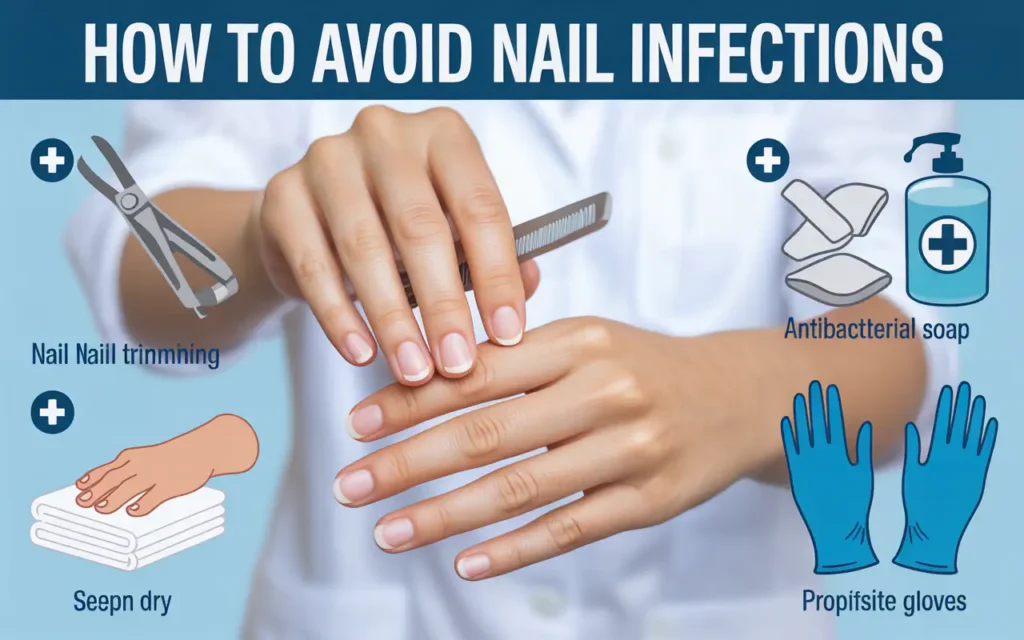
Taking care of your nails is a daily task that pays off in the long run. By learning how to avoid nail infections through simple hygiene and proper grooming, you can keep your hands and feet looking and feeling great. Remember to keep things dry, use your own clean tools, and choose shoes that let your feet breathe. These small steps build a strong defense against germs. If you stay consistent with these habits, you will find that healthy nails are easy to maintain. Your body works hard to protect you, and by following these tips, you are giving it the help it needs to stay strong and infection-free. Focus on these easy changes and enjoy the peace of mind that comes with good health.
Related posts
 How to Strengthen Weak Nails: A Practical Guide to Daily Care
Learn how to strengthen weak nails with simple daily habits, protective care, and targeted hydration. Restore your natural nail strength today. Weak, peeling, or brittle nails…
 What Sounds Do Cats Dislike? 7 Noises That Stress Your Pet
Discover what sounds do cats dislike and why. Learn how to protect your cat’s sensitive hearing from stressful household noises and high-frequency hums. Cats dislike sounds…
 Restoring Faded Black Clothing: Practical Methods and Reality Checks
Can you restore faded black clothing? Learn the difference between temporary color revival and permanent redyeing, plus how to prevent future fading. You can restore the…