
How To Store Vegetables Properly
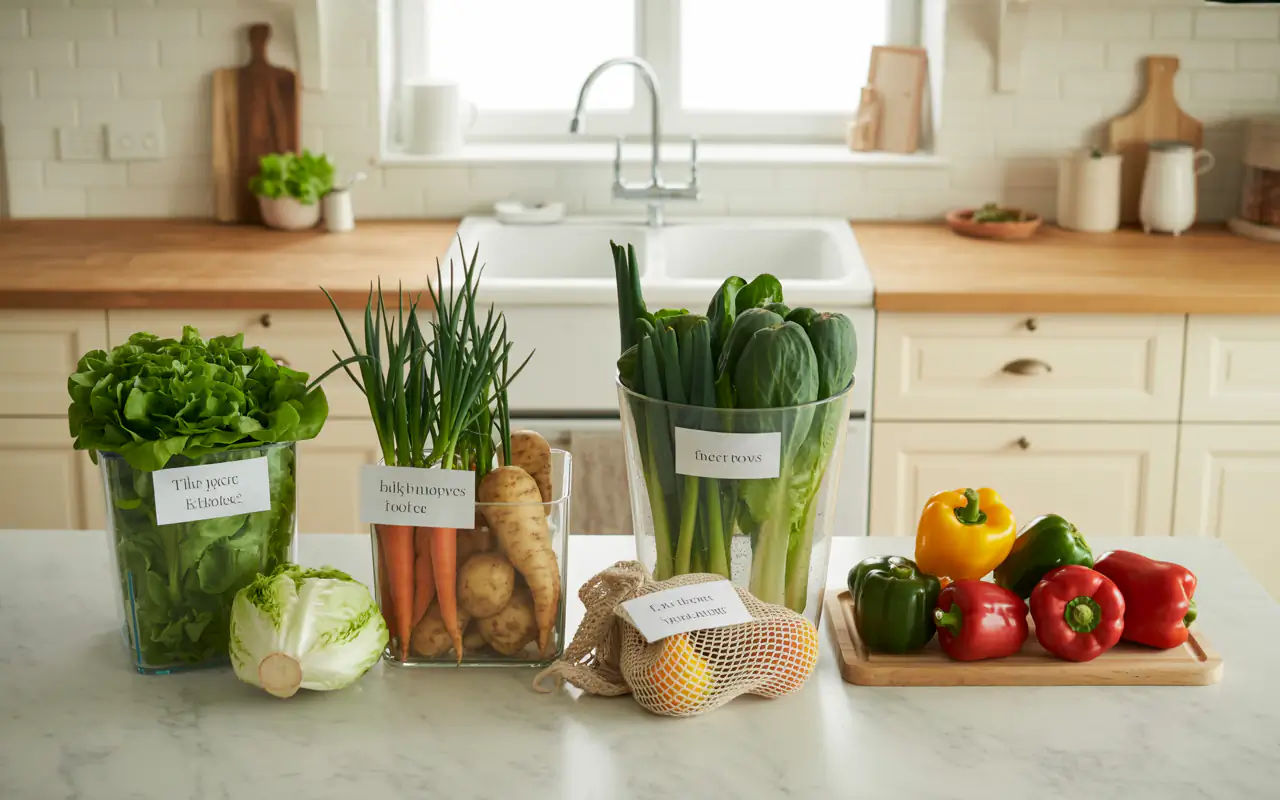
Learn to store vegetables properly and extend their life. This guide covers fridge organization, pantry storage, and freezer tips. You will waste less food and save money on groceries.
You buy fresh veggies. You put them in the fridge. Three days later, they turn soft and sad. Does this sound familiar? You are not alone. Most people waste a lot of food because they do not know how to store vegetables properly. The good news is that a few simple changes can keep your produce fresh for weeks. You will save money. You will eat better. And you will feel good about wasting less.
I have worked in restaurant kitchens and managed my own home garden for over ten years. I learned these tips through trial and error. Let me share what works. This guide gives you clear steps. Follow them, and your carrots will stay crunchy. Your lettuce will stay crisp. Your tomatoes will stay juicy.
Let us start with the basics.
Why Storage Method Matters
Every vegetable is different. Some love the cold. Some hate it. Some need air. Some need a closed bag. When you store vegetables properly, you control three things: temperature, humidity, and air flow.
Think of a potato. It likes cool and dark places. But put a potato next to an onion, and both will spoil faster. Onions release a gas that makes potatoes sprout. That is why knowing how to store vegetables properly is not just about putting them in the fridge. It is about knowing which veggies can be friends and which cannot.
“Fresh produce continues to live after harvest. The way you store it either slows down or speeds up its aging process.” – Harold McGee, food science writer
Here is a simple rule. Most vegetables from the ground (root vegetables) like cool and dark. Most vegetables from leaves (greens) like cold and moist. And fruits that we call vegetables, like tomatoes and peppers, like room temperature.
Quick Guide: Fridge vs Pantry vs Counter
Before we go deep, here is a fast look at where common vegetables go.
| Vegetable | Best Storage Place | Why |
|---|---|---|
| Lettuce, spinach, kale | Fridge (crisper drawer) | Cold and moist keeps leaves crisp |
| Carrots, beets, radishes | Fridge (crisper drawer) | Cold stops them from going limp |
| Potatoes, sweet potatoes | Cool, dark pantry (not fridge) | Cold turns their starch into sugar |
| Onions, garlic | Cool, dry pantry (away from potatoes) | Air flow prevents mold |
| Tomatoes | Counter (away from sun) | Cold kills their flavor |
| Peppers | Fridge (crisper drawer) | Cold keeps them firm |
| Cucumbers | Fridge (but not too cold) | Below 50°F makes them watery |
Now let us get into the details. If you want to store vegetables properly for the longest time, you need to treat each type with care.
How to Store Leafy Greens
Leafy greens are the hardest to keep fresh. They have high water content. They wilt fast. But you can keep them crisp for a week or more.
Step by Step for Lettuce and Spinach
First, remove any rubber bands or ties. These crush the leaves. Next, take out any leaves that look wet or slimy. One bad leaf can ruin the whole bunch.
Then take a clean paper towel. Lay it flat. Put your greens on top. Roll them loosely. Place the roll inside a plastic bag or a reusable produce bag. Do not seal the bag tight. Leave a small opening for air.
Put the bag in your fridge’s crisper drawer. Set the drawer to high humidity. Most crisper drawers have a slider. Close the vent to keep moisture in.
“Moisture is both a friend and an enemy. Too little, and greens wilt. Too much, and they rot. A paper towel strikes the perfect balance.” – Nik Sharma, cookbook author
Check the paper towel every two days. If it feels wet, swap it for a dry one. This simple trick helps you store vegetables properly without any fancy tools.
For herbs like cilantro and parsley, treat them like flowers. Trim the stems. Put them in a small glass with water. Cover the leaves loosely with a plastic bag. Store in the fridge. Change the water every two days.
Storing Root Vegetables Like a Pro
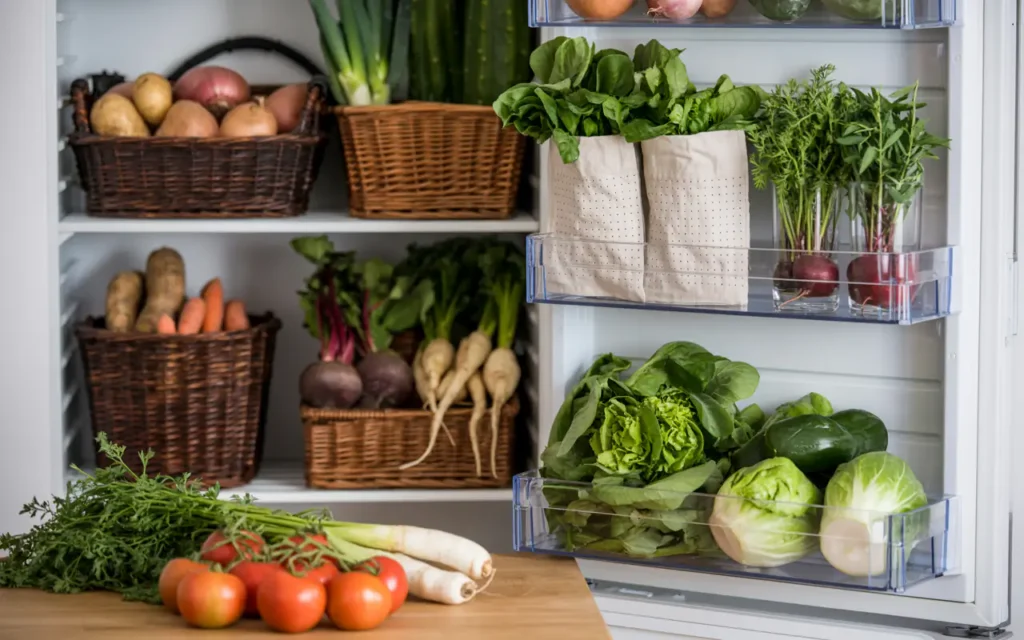
Root vegetables are tough. They grow underground. They can last a long time if you store vegetables properly. Carrots, beets, turnips, and radishes all follow the same rules.
First, cut off the green tops. The tops pull moisture from the roots. Leave about an inch of stem. Do not wash them yet. Washing adds moisture that leads to rot.
Put the roots in a plastic bag with a few small holes. You can poke holes with a fork. Or use a perforated produce bag. Place the bag in your crisper drawer. Set the drawer to high humidity.
Carrots can last three to four weeks this way. Beets can last two months. Do not store them next to apples or pears. Those fruits release ethylene gas, which makes root vegetables bitter.
Potatoes and sweet potatoes are different. Do not put them in the fridge. The cold turns their starch into sugar. This changes the taste and makes them cook weird. Instead, keep them in a paper bag or a breathable basket. Store them in a cool, dark place like a pantry or a cupboard. The ideal temperature is between 45°F and 55°F.
Keep potatoes away from onions. Onions release gases that make potatoes sprout faster. And never store potatoes near bananas or apples. The ethylene from those fruits also causes sprouting.
“What potatoes want most is darkness, cool air, and solitude. Give them that, and they will wait for you for months.” – Deborah Madison, vegetable cookbook author
Tips for Nightshades: Tomatoes, Peppers, Eggplant
Nightshade vegetables are tricky. People often store them wrong. Let me clear up the confusion.
Tomatoes should never go in the fridge if they are still firm and ripe. The cold kills their flavor. It turns their flesh mealy. Keep tomatoes on your counter, stem side down. Keep them out of direct sunlight. They will stay good for about a week.
If you have too many ripe tomatoes, then you can refrigerate them. But bring them back to room temperature before eating. The flavor will not be as good, but it is better than throwing them away.
Bell peppers and hot peppers love the fridge. Put them in a plastic bag with a few holes. Store them in the crisper drawer. They will stay crisp for two weeks. Do not wash them until you are ready to eat. Moisture causes mold.
Eggplant is also a nightshade. It does not like the cold. Store eggplant on the counter for two to three days. If you need to keep it longer, put it in the fridge for a maximum of two days. The skin will get spots, but the inside stays fine.
The Truth About Ethylene Producers and Sensitive Veggies
Ethylene is a gas. Some vegetables and fruits make a lot of it. Others are very sensitive to it. When you store vegetables properly, you must keep these two groups apart.
Here are the biggest ethylene producers:
- Apples
- Bananas
- Tomatoes
- Avocados
- Peaches and pears
- Onions
Here are the vegetables most sensitive to ethylene:
- Leafy greens (lettuce, spinach, kale)
- Broccoli and cauliflower
- Cucumbers
- Carrots
- Asparagus
- Potatoes
If you put a tomato next to lettuce, the lettuce will wilt fast. If you put an apple next to broccoli, the broccoli will turn yellow. Always separate these groups.
One smart way to store vegetables properly is to use separate crisper drawers. Put ethylene producers in one drawer. Put sensitive veggies in the other. Set the producer drawer to low humidity. Set the sensitive drawer to high humidity.
Freezing Vegetables for Long Term Storage
Freezing is the best way to keep vegetables for months. But you cannot just toss them in the freezer. You need to prepare them first. When you store vegetables properly in the freezer, they keep their taste and texture.
Here is a simple freezing table for common vegetables.
| Vegetable | How to Prep for Freezing | How Long It Lasts |
|---|---|---|
| Broccoli | Cut into pieces, blanch 3 minutes, dry well | 8 to 10 months |
| Carrots | Peel and slice, blanch 2 minutes, dry well | 10 to 12 months |
| Green beans | Trim ends, blanch 3 minutes, dry well | 8 months |
| Spinach | Blanch 1 minute, squeeze dry | 10 months |
| Peppers | Slice raw (no blanching), lay flat on tray first | 6 months |
| Corn | Cut off cob, blanch 4 minutes | 10 months |
Blanching means boiling for a short time, then putting in ice water. This stops enzymes that cause spoilage. Do not skip this step. Unblanched vegetables get tough and tasteless in the freezer.
After blanching and drying, spread the pieces on a baking sheet. Freeze for two hours. Then put them in a freezer bag. Squeeze out all the air. Label the bag with the date. This method keeps pieces from freezing into one big clump.
Common Mistakes When You Store Vegetables Properly
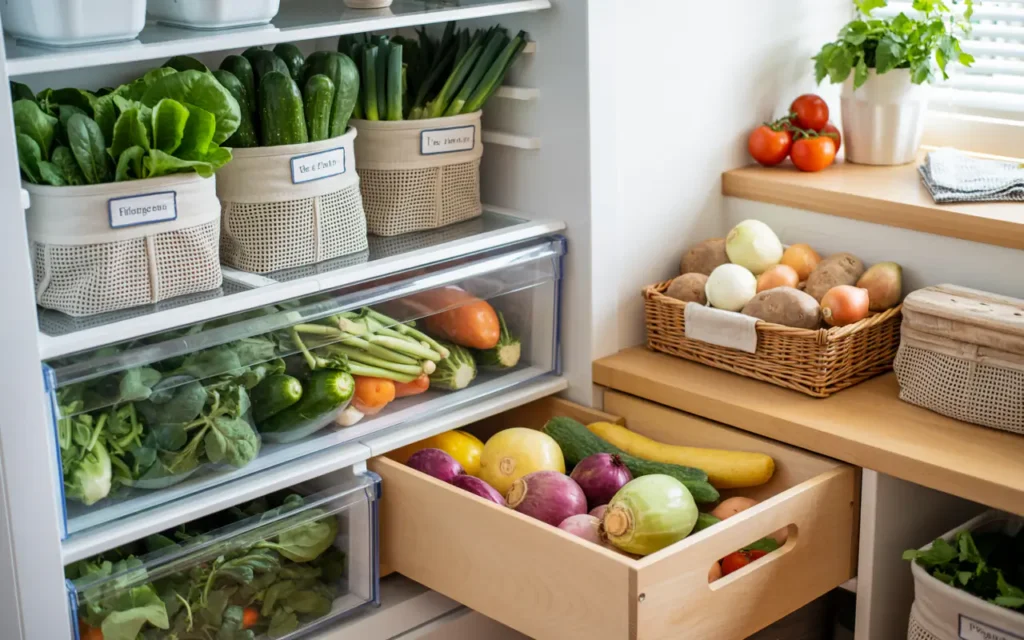
Even people who try to do the right thing make mistakes. Here are the most common errors.
Washing before storing. This adds moisture. Moisture causes mold and rot. Wait to wash until you are ready to eat. The only exception is leafy greens that have dirt. Even then, dry them completely with a salad spinner or paper towels.
Closing bags too tight. Vegetables need to breathe. If you seal a bag completely, moisture builds up. Then comes rot. Leave a small opening or poke holes.
Putting everything in the fridge. Some vegetables hate the cold. Tomatoes, potatoes, onions, garlic, winter squash, and cucumbers (if below 50°F) should stay out.
Overcrowding the crisper drawer. Air needs to flow around each vegetable. If you pack them too tight, some will rot faster. Give them space.
Ignoring damaged pieces. One bad carrot can spoil the whole bag. Check your vegetables every few days. Remove anything soft, slimy, or moldy.
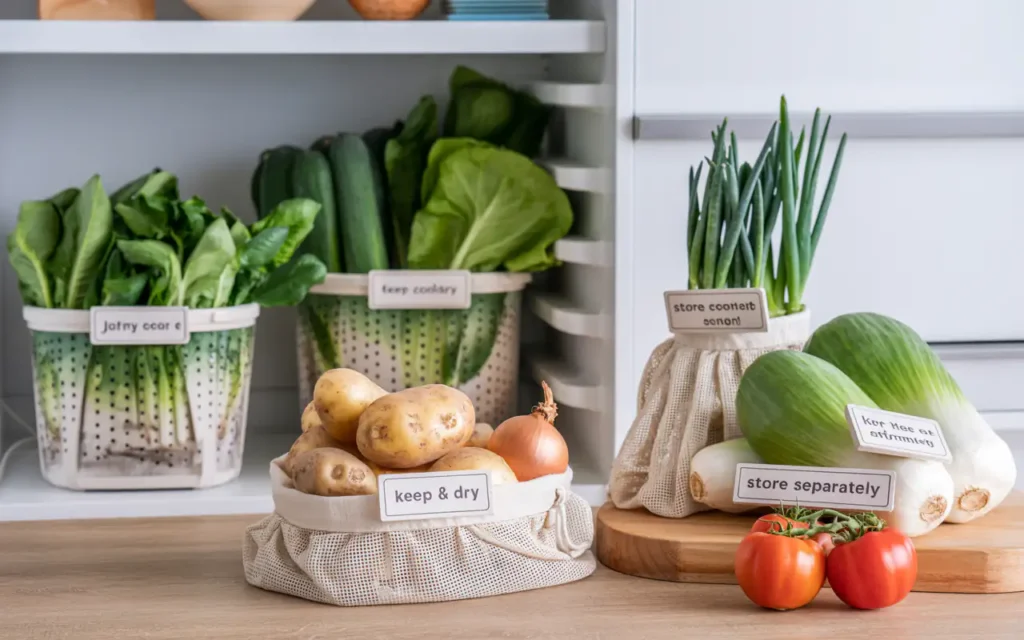
Storing onions and potatoes together. This is a classic mistake. They hurt each other. Keep them far apart.
Frequently Asked Questions
How long can most vegetables stay fresh when you store vegetables properly?
It depends on the type. Leafy greens last 5 to 7 days. Root vegetables last 3 to 4 weeks. Potatoes and onions last 1 to 2 months in a cool pantry. Tomatoes on the counter last about a week.
Should I use plastic bags or reusable produce bags?
Both work. Plastic bags keep moisture better. Reusable mesh bags allow more air flow. For leafy greens, plastic with holes is best. For mushrooms, paper bags are best. For root veggies, plastic with holes works well.
Can I store vegetables with fruits?
Only if you understand ethylene. Fruits often produce more ethylene than vegetables. Keep apples, bananas, and pears away from most vegetables. The only safe pairing is putting some fruits with avocados or tomatoes to help them ripen.
What is the best temperature for a fridge to store vegetables properly?
Set your fridge between 35°F and 38°F. The crisper drawers are slightly warmer and more humid, which is perfect for vegetables. Use a fridge thermometer to check. Many fridges are colder than they say.
How do I revive wilted vegetables?
Soak limp carrots, celery, or leafy greens in ice water for 15 to 30 minutes. The water pulls back into the cells. They will crisp up again. This works best for vegetables that are just starting to wilt, not for ones that are rotten.
Is it safe to eat vegetables after they sprout?
Potatoes with small sprouts are fine. Cut off the sprouts and any green spots. Onions and garlic with green shoots are also fine. But do not eat potatoes that are soft, wrinkled, or smell bad. Do not eat vegetables with black mold.
Conclusion
Learning how to store vegetables properly changes the way you shop and cook. You stop throwing away money. You always have fresh food ready. You waste less and feel better about your choices.
Start with one change. Pick the vegetable you waste the most. Look it up in this guide. Store it the right way. See what happens. Then move to the next vegetable.
Remember these key points:
- Keep leafy greens dry with a paper towel in a loose bag.
- Keep root veggies in high humidity with their tops cut off.
- Keep potatoes and onions in a cool, dark pantry, far apart.
- Keep tomatoes on the counter, not in the fridge.
- Keep ethylene producers away from sensitive veggies.
- Freeze extra vegetables after blanching them.
You do not need expensive containers or fancy gadgets. You just need to know a few rules. Now you know them. Go look at your fridge. Fix one drawer today. Your vegetables will thank you. And your wallet will too.
Related posts
 How to Strengthen Weak Nails: A Practical Guide to Daily Care
Learn how to strengthen weak nails with simple daily habits, protective care, and targeted hydration. Restore your natural nail strength today. Weak, peeling, or brittle nails…
 What Sounds Do Cats Dislike? 7 Noises That Stress Your Pet
Discover what sounds do cats dislike and why. Learn how to protect your cat’s sensitive hearing from stressful household noises and high-frequency hums. Cats dislike sounds…
 Restoring Faded Black Clothing: Practical Methods and Reality Checks
Can you restore faded black clothing? Learn the difference between temporary color revival and permanent redyeing, plus how to prevent future fading. You can restore the…