
Should Cats Wear Collars Indoors

Many pet owners ask: should cats wear collars indoors? The answer depends on your cat’s habits, home safety, and collar type. Learn pros, cons, and best practices to keep your indoor cat safe and happy.
I remember the day my indoor cat, Mochi, slipped past my feet and ran toward the open door. My heart stopped. For five terrible minutes, I searched everywhere. Luckily, she got scared and ran back inside. But that moment made me ask a big question: should cats wear collars indoors? After talking to vets, reading studies, and trying different collars on my own cats, I want to share what I learned. This guide will help you make a smart choice for your furry friend. No fancy words, just real talk from a fellow cat owner.
Let me start by saying there is no single right answer for every cat. Some indoor cats do great with collars. Others hate them or face real risks. The key is knowing your cat’s personality, your home setup, and the type of collar you pick. I will walk you through everything step by step.
The Big Question: Is a Collar Safe for an Indoor Cat?
Many people think indoor cats do not need collars. After all, they stay inside, right? But even indoor cats can dash out a door, slip through a window screen, or hide in a moving box. A collar with an ID tag can be a lifesaver if your cat gets lost. However, safety comes first. A bad collar can choke, snag, or hurt your cat.
So, should cats wear collars indoors? The honest answer is yes, but only with the right safety features. Let me break down the good and the bad.
Table 1: Pros and Cons of Indoor Cat Collars
| Pros | Cons |
|---|---|
| Holds ID tag for quick return if lost | Can get stuck on furniture or branches |
| May hold a bell to warn birds (and you) | Some cats find bells stressful or loud |
| Reflective strips help you see cat at night | Skin irritation from cheap materials |
| Lets others know your cat has a home | Risk of paw or jaw getting caught |
| Easy to attach a small GPS tracker | Some cats hate wearing anything |
As you can see, the benefits matter a lot. But the risks are real too. This is why vets strongly suggest using a breakaway collar. That type snaps open if too much force pulls on it. It can save your cat’s life.
“Breakaway collars are the only safe option for any cat, whether they live indoors or outdoors. A fixed buckle collar can strangle a cat if it gets caught on something.” – Dr. Emily Ross, DVM and feline safety expert.
Why a Breakaway Collar Is a Must
You might ask, why can’t I use a regular buckle collar? Imagine your cat jumps onto a high shelf. The collar catches on a hook or a branch. With a normal collar, your cat hangs there, unable to free itself. This is a scary but common accident. Breakaway collars avoid this problem. They open when your cat pulls hard, letting them escape.
Here is how they work. Two pieces of plastic clip together with a spring. Normal movement keeps them closed. But a strong tug pops them apart. Then you just snap the collar back together. Easy, safe, and smart.
So when you ask “should cats wear collars indoors?”, the follow-up question is “does it have a breakaway clip?” If the answer is no, do not use that collar. Even for indoor cats. Accidents happen inside too. Curtain cords, chair legs, table corners, even another cat’s tooth can snag a collar.
What About Bells? Good or Bad?
Many cat owners add a bell to the collar. The idea is simple. A bell warns birds and small animals. It also helps you find a hiding cat. But some people worry that bells hurt a cat’s ears. Let me clear this up.
Cat ears are very sensitive. They hear higher sounds than we do. However, most vets agree that a small, single bell at a normal volume is not painful. The sound is like a quiet doorbell. It does not damage hearing. But some cats get annoyed by the constant jingle. If your cat seems stressed, eats less, or hides more, take the bell off.
A better idea? Try a collar with a silent bell or a small reflective tag instead. Or use a bell only when you need to find your cat, like at night. I put a bell on my cat for two weeks. She did not mind it. But every cat is different. Watch your cat’s behavior closely.
How to Pick the Right Collar for Your Indoor Cat
Choosing a collar feels confusing with so many options. But you only need to look for a few key things. Let me make this simple.
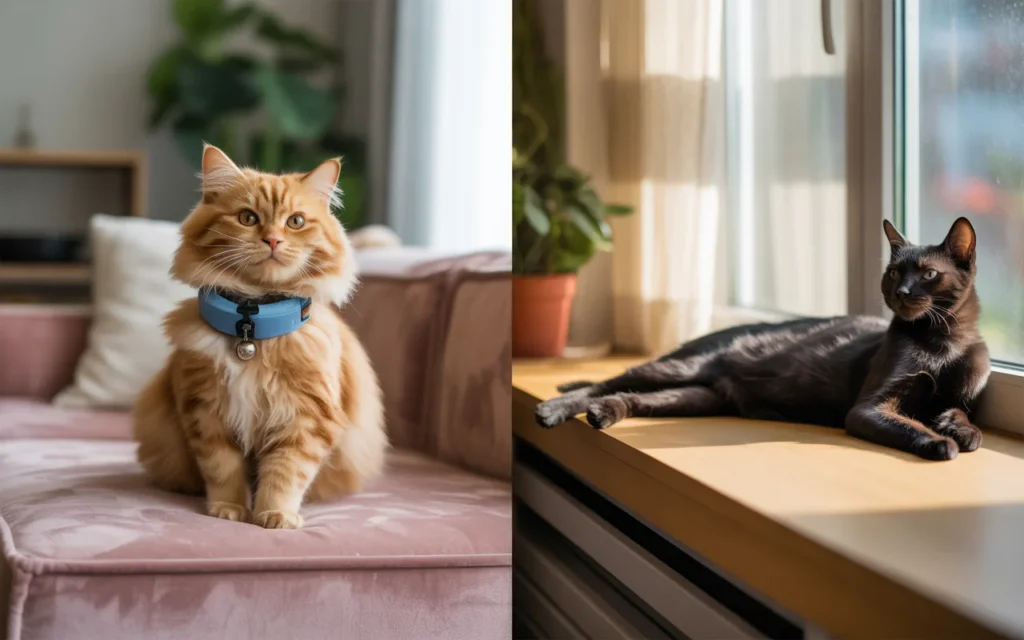
Table 2: Collar Types and Their Indoor Safety Rating
| Collar Type | Safe for Indoors? | Best For |
|---|---|---|
| Breakaway plastic clip | Yes, safest | All indoor cats |
| Elastic stretch collar | Maybe, some risk | Light cats, low climbing |
| Buckle collar (fixed) | No | Never use indoors |
| Velcro safety collar | Yes | Very small cats or kittens |
| Reflective breakaway | Yes | Cats active at dawn/dusk |
Stick to breakaway collars with a plastic clip. Avoid elastic bands that can stretch over a cat’s leg. Also avoid any collar with a fixed buckle. Those are for dogs only.
Materials to Look For
Soft nylon is common and works fine. Leather is durable but can get stiff. Biothane is waterproof and easy to clean. Whatever you pick, check the edges. Rough seams can rub your cat’s neck raw. Run your finger along the inside. If it feels scratchy, keep looking.
Weight matters too. A heavy collar bothers cats. Pick a lightweight one. Many brands make collars just for cats. They weigh almost nothing.
Fit and Size Tips
A loose collar slips off or gets caught in the mouth. A tight collar hurts and rubs skin raw. You want a fit where you can slide two fingers between the collar and your cat’s neck. Not one finger. Not three. Two is perfect.
Check the fit every month. Kittens grow fast. Adult cats gain or lose weight. A collar that fit last year may be too tight now. Also look for wear and tear. Old collars break or loosen up.
“Measure your cat’s neck with a soft tape. Add about one inch for comfort. Then test the breakaway function yourself. Pull it open. Make sure it snaps apart without too much force.” – Jackson Galaxy, cat behaviorist.
When Should You Avoid a Collar Indoors?
Even with a breakaway collar, some cats should not wear one. Here are clear cases where you should skip it.
Cats That Climb Everything
If your cat loves high places, like the top of bookshelves or curtain rods, the risk of snagging goes up. Breakaway collars usually work, but very active climbers might get caught more often. Watch your cat closely for the first few days. If you see the collar dangling from a branch or hook, take it off.
Cats With Skin Allergies
Some cats react to nylon, plastic, or metal tags. They get red, itchy skin or lose fur around the neck. If this happens, try a different material like soft cotton or leather. Also clean the collar weekly. Dirt and sweat build up and cause rashes. If the problem continues, do not use a collar.
Multiple Cats That Wrestle Hard
Two or three cats that play rough can hook a paw under a collar. A breakaway collar should pop open, but it takes a second. In that second, a cat could panic. If your cats fight or wrestle daily, collars might add risk. I have three cats. Two wear collars, but one does not because she is the one who bites collars off the others.
Kittens Under Four Months
Kittens grow fast. A collar that fits today may choke tomorrow. Also, tiny necks need extra care. Wait until your kitten is at least 4 to 6 months old. Use a very light breakaway collar made for kittens. And check the fit every few days.
So, should cats wear collars indoors in these cases? Often the answer is no. But you can use microchips and indoor tracking tags instead. More on that later.
My Personal Story With Indoor Cat Collars
I have owned cats for twelve years. My first cat, a shy tabby named Olive, never wore a collar. She hated anything on her neck. She would freeze and fall over like a toy. I tried five different collars. No luck. So I let her go without. Instead, I microchipped her and kept doors locked.
Then I got Mochi, a curious calico. She escaped twice. Both times I found her under a bush, scared and silent. No collar meant no ID. A neighbor almost took her to the shelter. After that, I put a bright pink breakaway collar with a bell and an ID tag. She adjusted in two days. Now she wears it all the time.
My third cat, Biscuit, is a different story. He wears a collar, but he loses it every week. He backs out of it, or it breaks away when he scratches his ear. I gave up. He now has a microchip and a GPS tag on his harness for outdoor walks.
What did I learn? Every cat is unique. Try a collar. If it works, great. If not, find other ways to keep your cat safe. The goal is not to force a collar. The goal is to protect your cat.
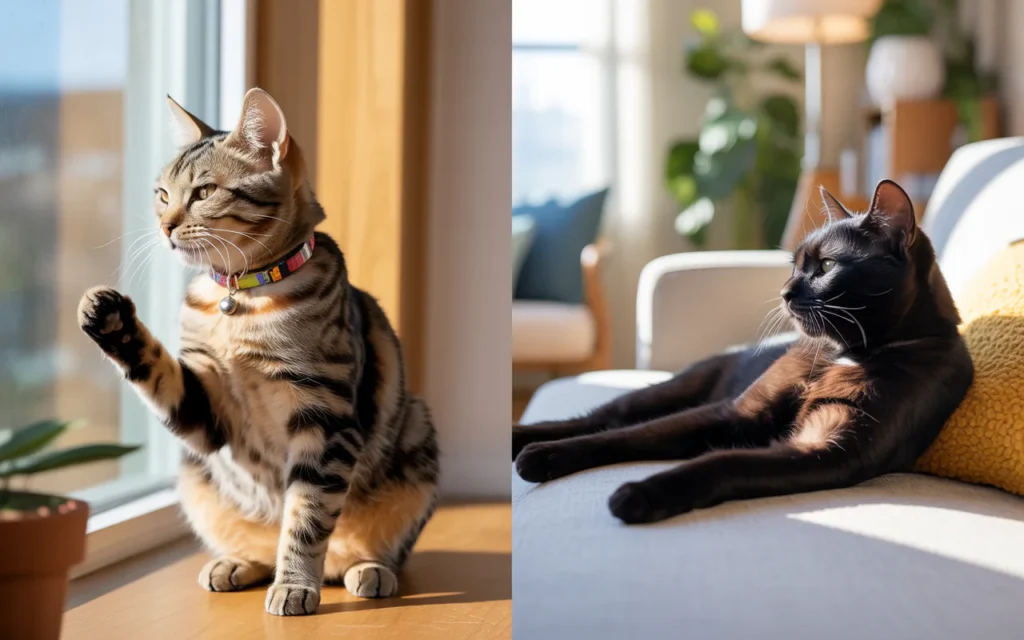
Tips for Getting Your Cat Used to a Collar
If you decide to try a collar, go slow. Do not just snap it on and walk away. Here is a simple plan.
Day 1 to 2: Let your cat sniff the collar. Leave it near their food bowl or bed. Give treats when they show interest.
Day 3 to 4: Put the collar on for five minutes. Then take it off. Give a treat. Do this twice a day.
Day 5 to 6: Increase time to 15 minutes. Watch for signs of stress like tail twitching, flattened ears, or hiding.
Day 7: Put the collar on for an hour. Then two hours. Then four. If your cat seems calm, leave it on for the day.
Always remove the collar at night for the first week. Check for red marks or hair loss. If your cat scratches a lot, try a softer fabric or a narrower band.
Never leave a collar on an unsupervised cat until you are sure they accept it. And always double check the breakaway function. Pull it open with your hands. It should snap apart with moderate force.
Alternatives to Collars for Indoor Cats
What if your cat refuses a collar? Or what if your vet says no due to health issues? You still have good options. None are perfect, but they add safety.
Microchipping
A microchip is a tiny rice-sized device put under your cat’s skin. It holds a unique ID number. If someone finds your cat and takes them to a vet or shelter, they scan the chip. Then they call you. Microchips never fall off or snag on anything. The only downside is that the finder must know to scan it. Not every person does. But most shelters and vets scan every lost pet.
GPS Trackers
Small GPS trackers attach to a collar. But if your cat does not wear a collar, you can put the tracker on a harness or a breakaway strap. Some trackers clip directly to a cat’s existing collar or to a special stretch band. They work indoors and outdoors. You see your cat’s location on your phone. The tracker needs regular charging.
Reflective or Light-Up Tags
Breakaway reflective tags stick to collars. But you can also clip a small light to a harness or a cat-safe vest. This helps you see your cat at night inside your home. It does not help if they escape, though.
Cat Harnesses
A harness wraps around the chest and belly. It is harder for a cat to slip out of a harness than a collar. Some owners put ID tags on the harness. But harnesses are bulkier. Most cats wear them only for walks, not all day.
The best plan is to use a breakaway collar plus a microchip. That gives you two ways to get your cat back. If a collar is a hard no, at least get the chip.
“The safest indoor cat is microchipped, wears a breakaway collar with an ID tag, and has a recent photo on your phone. That triple layer of protection gives you peace of mind.” – Dr. Lisa Pierson, DVM and cat nutrition specialist.
Frequently Asked Questions
1. Should cats wear collars indoors if they never go outside?
Yes, even indoor-only cats can escape. A sudden noise, a visitor leaving a door open, or a broken window screen can let your cat out. A collar with an ID tag helps bring them home fast.
2. Can a breakaway collar still hurt my cat?
Breakaway collars are very safe, but no product is 100% risk free. Check the collar weekly for damage. Make sure the clip still snaps open easily. Replace the collar every year or sooner if it looks worn.
3. My cat keeps taking off the collar. What do I do?
Some cats learn to pull the breakaway clip open with their back leg. If this happens, try a different brand. Some breakaway clips need more force to open. You can also try a collar with a shorter strap so it stays closer to the neck. Or accept that your cat is collar-free and rely on a microchip.
4. Should indoor cats wear collars with bells? Does it annoy them?
Most cats get used to a small bell within a week. If your cat acts stressed, remove the bell. You can also buy a collar with a removable bell or a “quiet bell” that makes less noise.
5. How often should I check my cat’s collar fit?
Check the fit every two weeks. Slide two fingers under the collar. If you can fit three, it is too loose. If only one finger fits, it is too tight. Kittens need a check every week.
6. Should cats wear collars indoors at night?
Yes, if they wear one during the day. But remove it if your cat is very active at night and climbs a lot. A reflective collar helps you see your cat in the dark if you get up for water or to use the bathroom.
7. What should the ID tag say?
Include your phone number and “Indoor Cat” or “Needs Medication” if true. Avoid putting your cat’s name. Some people think that makes it easier for a thief to call your cat. Also add your vet’s number if space allows.
8. My cat has no claws. Is a collar safer or riskier?
Declawed cats (though I do not recommend declawing) cannot climb as well. They may get stuck on the ground more often. A breakaway collar is still safe. But watch for snags on low furniture or carpets.

Final Thoughts: Making the Right Choice for Your Cat
So, after all this information, what is the final answer to “should cats wear collars indoors”? Here is my honest take.
For most indoor cats, a well fitted breakaway collar with an ID tag is a smart idea. It adds a layer of safety without much risk. The chance of a breakaway collar causing harm is very low. The chance of an indoor cat escaping is higher than many owners think. I learned that the hard way with Mochi.
But some cats truly cannot wear collars. Skin allergies, severe stress, or constant escaping mean you should stop trying. For those cats, get a microchip immediately. Also secure your doors and windows. Add a pet gate or a door chime so you know when someone opens the outside door.
You know your cat best. Watch their body language. Try a collar for one week. If they seem happy, keep it. If they seem scared or hurt, stop. There is no shame in letting your cat go collar free. The most important thing is that your cat feels safe and loved in your home.
My three cats have different setups. One wears a collar full time. One wears it part time. One wears nothing. And all three are happy and healthy. That is the real goal. Not to follow a rule, but to care for your unique cat.
So go ahead. Try a collar. Or don’t. Just make a choice with love and good information. Your cat will thank you with purrs and head bumps.
Related posts
 Best Beds for Large Dogs 2026: Top Comfort and Support Picks
Finding the right best beds for large dogs is essential for comfort. Compare top-rated orthopedic, elevated, and washable options for your pet in 2026. Choosing the…
 Best Pet Supplies Online: 2026 Essentials for Every Companion
Discover the best pet supplies online for 2026. We review top-rated toys, grooming tools, and walking gear to help you make the right choice for your…
 Best Pet Care Products for Beginners in 2026
Discover the best pet care products for beginners to keep your home clean and your pets comfortable. Simple, effective solutions for daily grooming and hygiene. Welcoming…