
Which Conditioner Is Best For Dry Hair
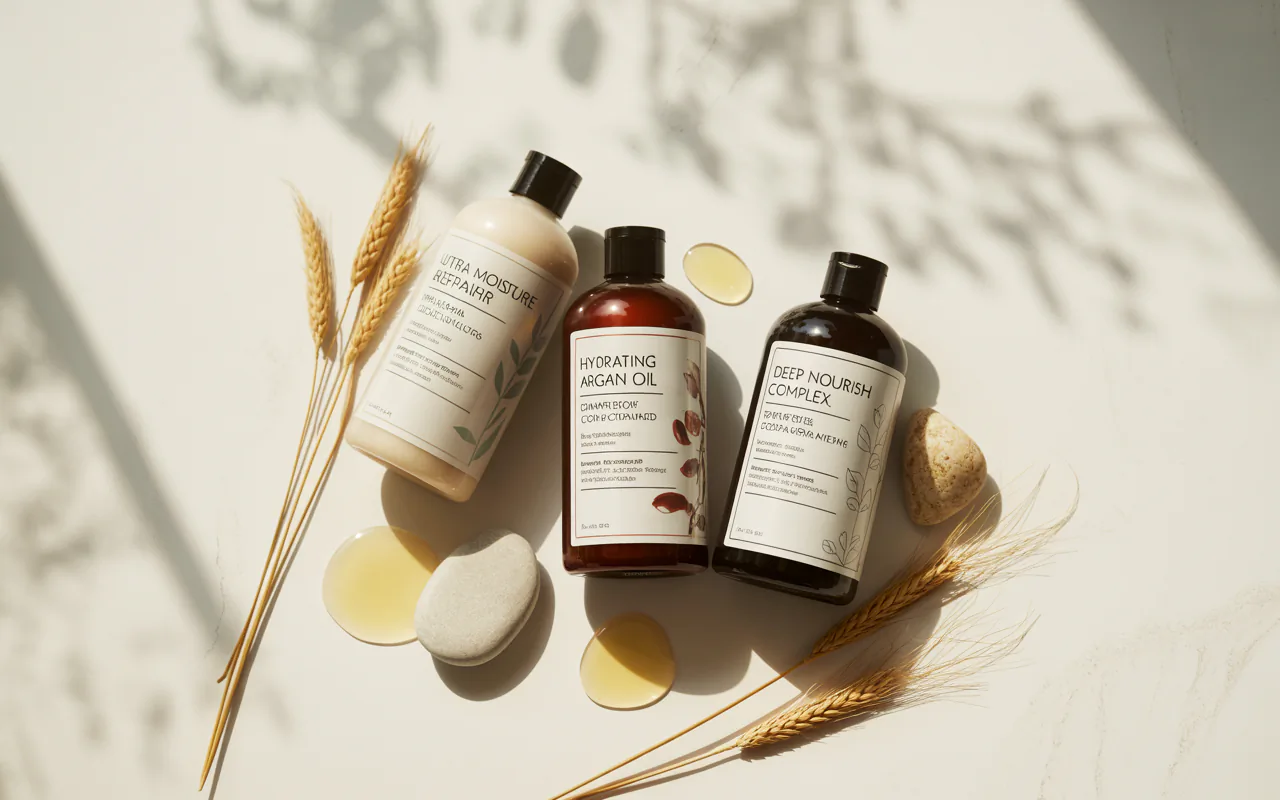
Searching for which conditioner is best for dry hair? Look for deep moisturizing ingredients like shea butter, argan oil, and glycerin. This guide gives you clear answers and top product types.
Dry hair can feel rough, look frizzy, and act difficult to style. You might have tried many products without real success. The question “which conditioner is best for dry hair” comes up often in salons and online forums. The good news is that the answer is not as hard as it seems. You just need to know what your hair is missing. Most dry hair lacks water and natural oils. A good conditioner puts both back. This article walks you through everything you need. You will learn ingredients to look for, product types to try, and daily habits that help. Let us fix that dry feeling for good.
Complete Answers for Soft, Healthy Hair
Dry hair happens for many reasons. Hot showers, sun exposure, hard water, chemical treatments, and even cold weather can strip moisture. Some people have naturally dry hair due to low sebum production. The right conditioner acts like a drink of water for your strands. But which conditioner is best for dry hair? The answer depends on your hair type and the cause of dryness. However, some universal rules apply. You want a conditioner that hydrates without weighing hair down. You want one that detangles easily and leaves a soft feel.
Quote 1: “The secret to healthy hair is moisture, not just products. Start with a conditioner that matches your hair’s porosity.” – Dr. Lisa Thompson, Trichologist
What Causes Dry Hair in the First Place?
Before picking a product, understand the root of the problem. Dry hair often lacks enough water in the hair shaft. The outer layer, called the cuticle, gets lifted or damaged. This allows moisture to escape. Here are common causes:
- Overwashing with harsh shampoos
- Using high heat tools without protection
- Swimming in chlorinated or salt water
- Living in low humidity climates
- Using hair dyes or bleaches frequently
- Brushing hair when it is wet and fragile
When you know the cause, you can better answer which conditioner is best for dry hair in your specific case. For example, heat damaged hair needs protein plus moisture. Color treated dry hair needs gentle sulfate free formulas.
Key Ingredients to Look For (And Some to Avoid)
Let us make this simple. Check the label before buying. The best conditioners for dry hair have certain ingredients. Here is a quick table to help you shop smart.
| Good Ingredients (Look For) | What They Do |
|---|---|
| Shea butter | Deep moisture, softens rough strands |
| Argan oil | Adds shine, repairs damage |
| Glycerin | Pulls water into hair |
| Aloe vera | Soothes dry scalp, lightweight hydration |
| Coconut oil | Reduces protein loss, smooths cuticle |
| Behentrimonium methosulfate | Detangles, reduces static |
| Bad Ingredients (Avoid) | Why to Skip |
|---|---|
| Sulfates (SLS, SLES) | Strip natural oils |
| Alcohol (short chain like SD alcohol) | Dries out hair further |
| Silicones (dimethicone, amodimethicone) | Build up, block moisture |
| Parabens | Possible irritation |
So when you ask which conditioner is best for dry hair, look for the first table and avoid the second one. That simple habit will change your hair health over time.
Which Conditioner Is Best For Dry Hair By Hair Type?
Different hair types need different care. Fine dry hair needs lightweight moisture. Thick curly dry hair needs heavy creams. Let us break it down.
Fine or Thin Dry Hair
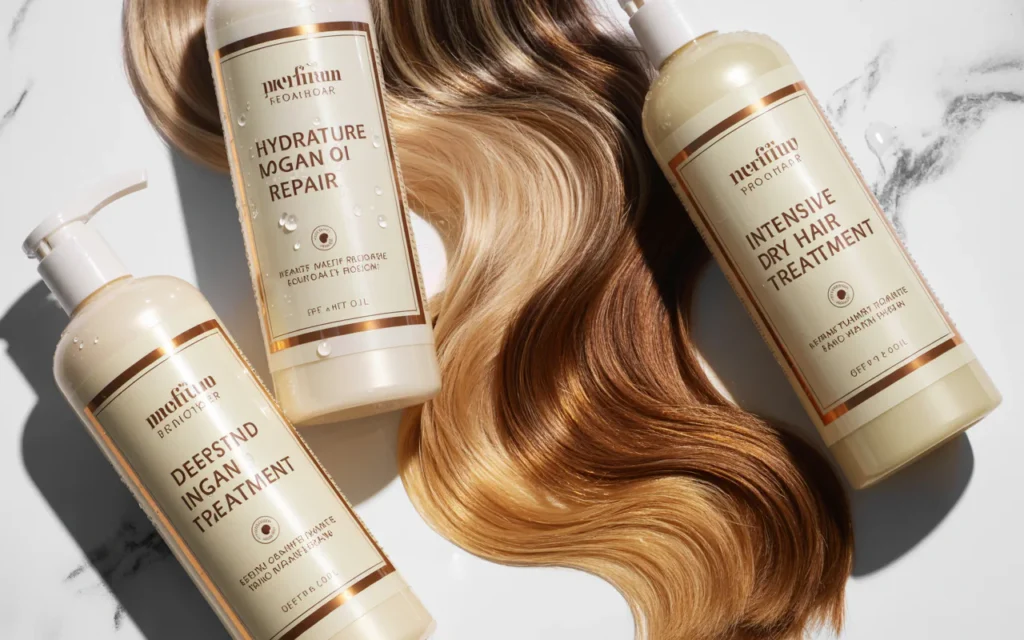
You might worry that conditioner will flatten your hair. Choose a volumizing conditioner with moisturizing ingredients like glycerin or aloe. Avoid heavy butters. Look for words like “weightless” or “daily moisturizing.” Which conditioner is best for dry hair that is also fine? Try products labeled “hydrating volume” or “moisture repair light.”
Thick, Coarse, or Curly Dry Hair
Thick hair loves rich creams. Look for shea butter, mango butter, or coconut oil. These penetrate deeper. Leave in conditioners work very well here. Coarse hair often needs both a rinse out and a leave in product. For this group, which conditioner is best for dry hair? Anything with “intense hydration” or “curl quenching” on the label.
Color Treated Dry Hair
Color strips moisture. You need a conditioner that is sulfate free and has UV protection. Ingredients like sunflower seed oil and vitamin E help. Protein is also good but not every wash. Too much protein makes hair brittle. So which conditioner is best for dry hair that has been colored? Look for “color safe” and “moisture restoring” on the same bottle.
Quote 2: “I see so many clients using the wrong conditioner for their texture. Fine hair hates heavy butters, but coarse hair needs them. Match the product to the hair.” – Carlos Mendez, Celebrity Hairstylist
Rinse Out vs Leave In vs Deep Conditioner
You do not need to buy ten products. But knowing the difference helps. Here is a simple guide.
| Type | Best For | How Often |
|---|---|---|
| Rinse out conditioner | Daily or every wash hydration | Every wash day |
| Leave in conditioner | Extra moisture between washes | After every shower |
| Deep conditioner | Intense repair for very dry hair | Once a week |
So which conditioner is best for dry hair among these three? If your hair is mildly dry, a good rinse out is enough. If your hair feels like straw, add a deep conditioner weekly. If you live in a dry climate, use a leave in daily. Many people combine a rinse out plus a leave in for best results.
How to Apply Conditioner the Right Way
Even the best product fails with bad technique. Follow these steps for real results.
First, squeeze excess water from your hair after shampooing. Soaking wet hair repels conditioner. Second, apply from mid length to ends. The roots get natural oil from your scalp. Putting conditioner on roots can cause greasiness. Third, use a wide tooth comb to spread the product evenly. Fourth, leave the conditioner on for at least 2 to 3 minutes. Five minutes is better for very dry hair. Finally, rinse with cool water. Cool water seals the cuticle and locks in moisture.
Now you know which conditioner is best for dry hair and how to use it. That combination gives real change.
5 Top Product Types That Answer Which Conditioner Is Best For Dry Hair
Let us get specific. Here are five conditioner categories that consistently work for dry hair.
1. Shea Butter Based Conditioners
Shea butter is thick and very moisturizing. It works best for coarse, curly, or very dry hair. These conditioners often come in tubs rather than bottles. Use a small amount. Warm it in your hands first. Great for winter months when indoor heating dries out hair.
2. Argan Oil Conditioners
Argan oil is lighter than shea butter. It adds shine without greasiness. This is a top answer for which conditioner is best for dry hair that is also frizzy. Argan oil smooths the cuticle. It also has vitamin E and fatty acids. Fine to medium hair types love this.
3. Glycerin Rich Conditioners
Glycerin is a humectant. It pulls moisture from the air into your hair. This works great in humid climates. But in very dry climates, glycerin can pull moisture out of your hair. So use this type with care. If you live near the coast or in a rainy area, glycerin is fantastic.
4. Protein + Moisture Balance Conditioners
Some dry hair is also damaged. Think breakage, split ends, or gummy feeling when wet. That hair needs protein. Look for hydrolyzed silk, wheat, or keratin. But do not use protein conditioners every day. Once a week is plenty. Which conditioner is best for dry damaged hair? A protein moisture blend used weekly plus a plain moisturizing conditioner on other wash days.
5. Natural Aloe Vera Based Conditioners
Aloe is very gentle. It suits sensitive scalps and fine dry hair. Aloe based conditioners are light. They work well for people who wash their hair daily. They will not build up. They also have anti inflammatory properties. Great for dry itchy scalps.
Quote 3: “I tell my patients to think of conditioner like lotion for their scalp and hair. If you would not put certain chemicals on your face, do not put them on your hair.” – Dr. Anita Roy, Dermatologist
DIY Natural Conditioners That Work
You can make effective conditioners at home. These are great if you like natural products or have allergies. Here are three simple recipes.
Coconut milk and honey conditioner: Mix half a cup of coconut milk with one tablespoon of raw honey. Apply after shampoo. Leave for 5 minutes. Rinse with cool water. Coconut milk adds fat and protein. Honey is a humectant.
Aloe vera and jojoba oil: Mix three tablespoons of pure aloe gel with one teaspoon of jojoba oil. Apply to wet hair. Leave for 3 minutes. Rinse well. This is very light. Good for fine dry hair.
Mashed avocado and olive oil: Mash half a ripe avocado. Add one tablespoon of olive oil. Apply to damp hair. Cover with a shower cap. Leave for 15 minutes. Rinse and then shampoo lightly. This is a deep treatment.
These DIY options help you understand which conditioner is best for dry hair by letting you control every ingredient. They cost very little too.
Common Mistakes That Keep Hair Dry
You might be making one of these errors. Let us fix them.
Mistake 1: Using too much shampoo. Shampoo once, not twice. Focus on the scalp only. Let the suds run through the ends.
Mistake 2: Rinsing conditioner immediately. Set a timer. Two full minutes minimum.
Mistake 3: Towel drying roughly. Rubbing causes friction and lifts the cuticle. Squeeze or blot instead.
Mistake 4: Skipping conditioner on “off days.” Even if you did not shampoo, wet your hair and apply a light conditioner. This refreshes moisture.
Mistake 5: Using very hot water. Hot water strips natural oils. Warm water to wash, cool water to rinse.
When you stop these mistakes, the question “which conditioner is best for dry hair” becomes easier to answer. Almost any decent conditioner will work better with good habits.
How Often Should You Condition Dry Hair?
Most dry hair needs conditioner every time it gets wet. That might be daily or every other day. But deep conditioner is weekly. Leave in conditioner can be daily. Here is a sample weekly schedule.
- Monday: Rinse out conditioner (light)
- Tuesday: Co wash (conditioner only wash)
- Wednesday: Rinse out conditioner
- Thursday: Co wash
- Friday: Rinse out conditioner
- Saturday: Deep conditioner (20 minutes with heat cap)
- Sunday: Leave in conditioner only (no rinse)
Adjust based on your activity and climate. People who swim or sweat a lot may need more frequent conditioning. People in humid places may need less.
So which conditioner is best for dry hair with this routine? You likely need two types. One daily lightweight rinse out and one weekly heavy deep conditioner.
Lifestyle Changes That Support Hydrated Hair
Conditioner is one part of the solution. What you eat and do also matters. Drink plenty of water. Dehydration shows in your hair first. Eat healthy fats like avocados, nuts, and salmon. These support oil production from within. Use a humidifier in your bedroom during winter. Wear a silk or satin bonnet at night. Cotton pillowcases absorb moisture from your hair. Silk does not. Also, lower your shower temperature. Hot showers feel nice but damage your hair and skin.
These habits work with any good conditioner. They make the answer to which conditioner is best for dry hair less critical because your hair becomes healthier overall.
Frequently Asked Questions (FAQ)
Q1: Can I use a regular conditioner as a leave in?
Some regular conditioners are too heavy. They can cause buildup. Look for a product that specifically says “leave in” on the label. If you must use a rinse out as a leave in, use a very small amount on soaking wet hair.
Q2: Which conditioner is best for dry hair on a budget?
Look for generic brands with shea butter or argan oil as top ingredients. Many drugstore conditioners work very well. Avoid very cheap bottles where water is the first ingredient and silicones are second. Read the label.
Q3: Should I use conditioner if I have an oily scalp but dry ends?
Yes. Apply conditioner only from the ears down. Keep it off your scalp. This gives moisture to dry ends without making your scalp greasy.
Q4: How long does it take to see results from a new conditioner?
Most people see softer hair after one wash. Real repair of very dry hair takes 2 to 4 weeks of consistent use. Take a before photo. Compare after one month.
Q5: Is expensive conditioner always better?
No. Price does not guarantee quality. Some expensive brands use cheap fillers. Some affordable brands use excellent natural oils. Always check the ingredient list first. That tells you which conditioner is best for dry hair, not the price tag.
Q6: Can I mix conditioner with hair oil?
Yes. This is a great trick. Add a few drops of jojoba or argan oil into your conditioner in your palm. Mix and apply. This boosts moisture even more.
Q7: What about 2 in 1 shampoo conditioner products?
Skip these for dry hair. They do not clean well or condition well. Use separate products for best results.
Q8: Does cold water really help conditioner work better?
Yes. Cool water closes the hair cuticle. This traps conditioner inside the hair shaft. It also adds shine. Final rinse should always be cool.
Conclusion
Finding which conditioner is best for dry hair does not have to be hard. Focus on ingredients like shea butter, argan oil, glycerin, and aloe vera. Avoid sulfates, drying alcohols, and heavy silicones. Match the product weight to your hair type. Fine hair needs light formulas. Thick hair needs rich creams. Use proper application techniques. Leave the product on for a few minutes. Rinse with cool water. Combine your conditioner choice with good habits like drinking water, using a humidifier, and sleeping on silk. And remember to deep condition once a week if your hair feels very dry.
The best conditioner for your dry hair is the one that leaves it soft, easy to comb, and shiny without feeling greasy or heavy. Try one new product at a time. Give it two weeks. Take notes on how your hair feels. You will find your perfect match. Your hair wants to be soft and healthy. You just need to give it the right help.
Now go look at the label on your current conditioner. Does it have good ingredients? If not, you know exactly what to look for next time. Happy hydrating.
Related posts
 Best Compact Powder for Women: 2026 Buyer Guide
Finding the best compact powder for women in 2026. We compare top-rated matte, mineral, and lightweight pressed powders to help you choose the right finish. Finding…
 Best Casual Wear for Women: 2026 Style and Comfort Essentials
Discover the best casual wear for women in 2026. We compare top-rated trousers and versatile tops to help you build a comfortable, stylish everyday wardrobe. Finding…
 Best Claw Clips for Thick Hair in 2026
Finding the best claw clips for thick hair requires a balance of grip and size. Explore our top 2026 recommendations for secure, stylish, and reliable styling.…