Feel tired after workout is common due to muscle repair, energy loss, and hydration changes. Learn why it happens and how to recover better.
Feeling drained after exercise can be confusing, especially when you expect to feel energized instead. Many people notice they feel tired after workout sessions, whether it is a quick home routine or a long gym session. This reaction is actually a normal part of how the body responds to physical activity. Your muscles, brain, and energy systems all work harder than usual, and that effort leaves behind fatigue.
In simple terms, your body is trying to recover, rebuild, and adapt. That process takes energy, and it can leave you feeling worn out. The good news is that this tiredness often means your body is doing exactly what it should. However, there are times when fatigue can signal something else, like poor recovery habits or lack of proper nutrition.
This article breaks down the real reasons behind post-workout fatigue, explains what is normal, and shows how to manage it so you can feel better and perform better.
What Happens in Your Body After Exercise
| Body System | What Happens | Why It Causes Fatigue |
|---|---|---|
| Muscles | Small tears form | Repair process uses energy |
| Energy Stores | Glycogen gets used up | Low fuel leads to tiredness |
| Nervous System | Signals work harder | Mental and physical fatigue |
| Hormones | Stress hormones increase | Temporary exhaustion |
When you exercise, your body goes through several changes at once. Muscles contract repeatedly, your heart pumps faster, and your breathing rate increases. All of this requires energy. That energy mainly comes from glycogen, which is stored in your muscles and liver.
As glycogen gets used up, your body starts to feel the effects. You may notice slower movement, reduced strength, and a general sense of tiredness. At the same time, tiny muscle fibers break down during exercise. This is normal and necessary for growth, but repairing those fibers takes time and energy.
Hormones also play a role. Exercise increases cortisol and adrenaline levels. These help you perform better in the moment, but once they drop, your body may feel a sudden dip in energy.
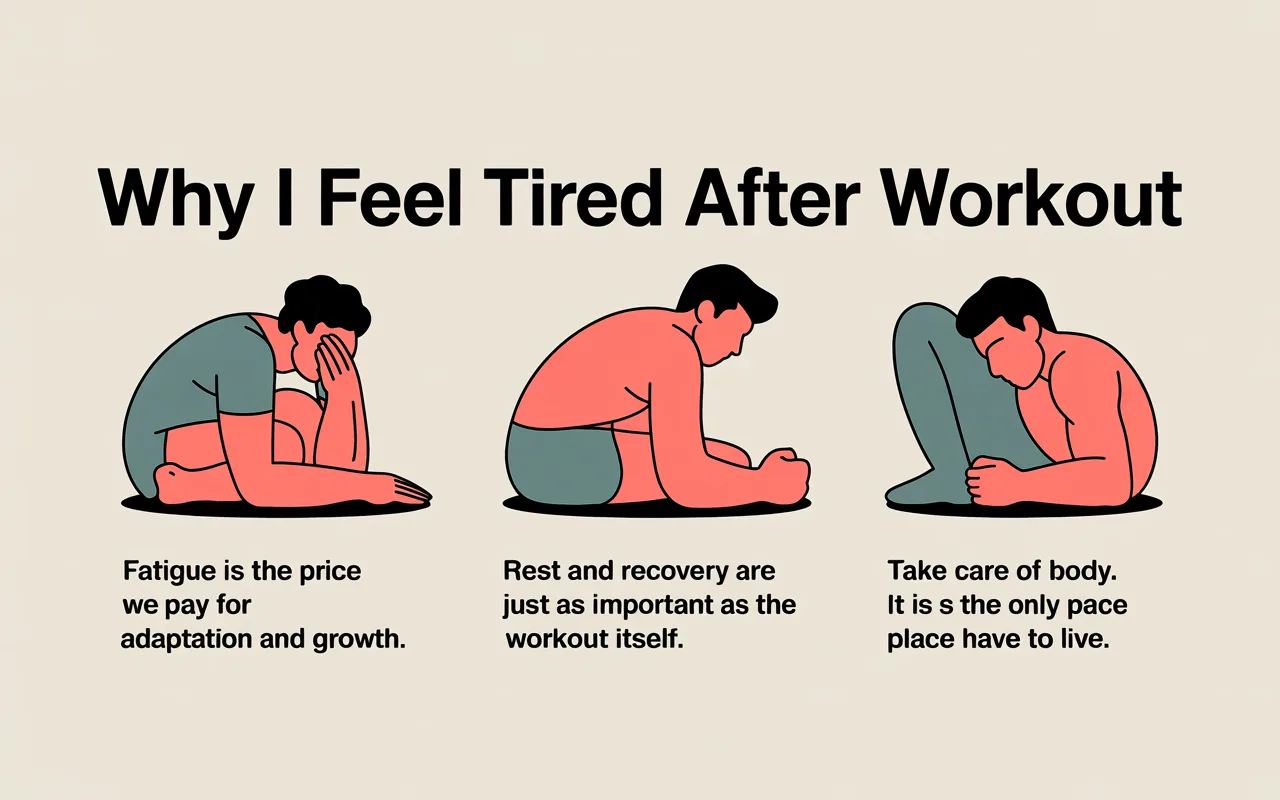
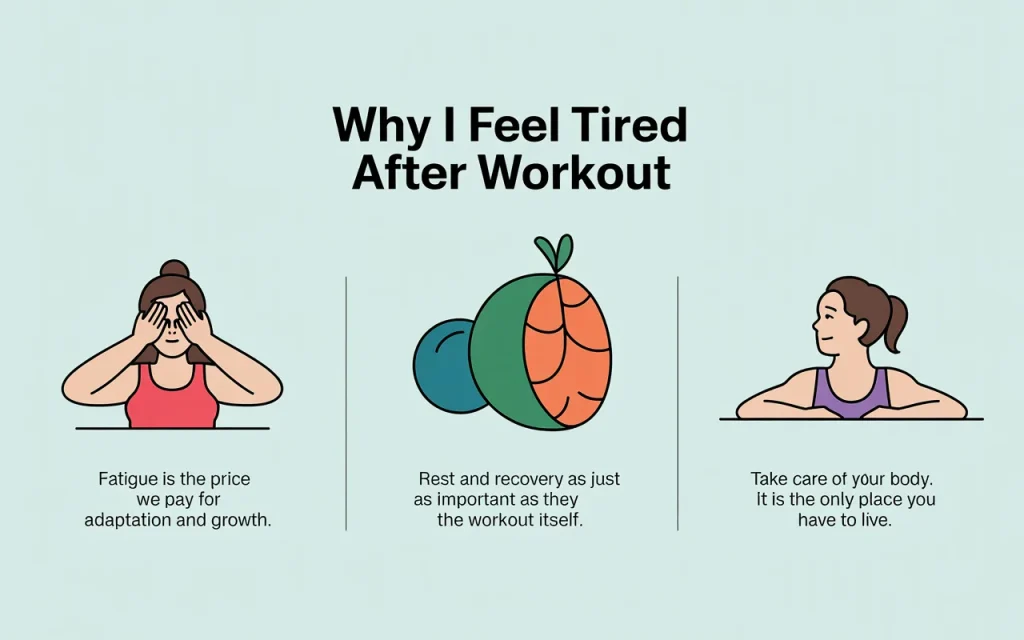
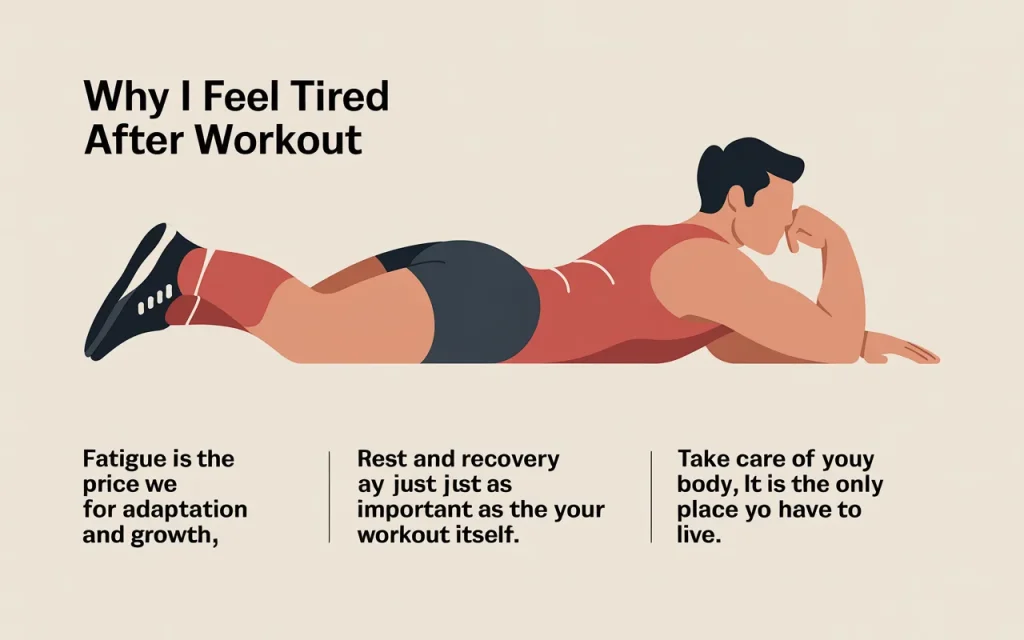
“Fatigue is the price we pay for adaptation and growth.”
James Loehr
This process explains why it is completely normal to feel tired after workout sessions, especially when trying something new or increasing intensity.
Common Reasons You Feel Drained Post-Workout
| Reason | Description | Impact Level |
|---|---|---|
| Low glycogen | Energy stores are depleted | High |
| Dehydration | Fluid loss through sweat | Medium to high |
| Poor sleep | Body cannot recover well | High |
| Overtraining | Too much exercise without rest | Very high |
There are several common reasons behind post-exercise fatigue. Understanding them helps you know whether your tiredness is normal or something that needs attention.
One of the main reasons is energy depletion. Your body burns calories during exercise, and if you do not refuel properly, you may feel weak or sluggish afterward. This is especially common in long workouts or high-intensity training.
Dehydration is another major factor. Even mild fluid loss can affect how your body functions. You might feel dizzy, tired, or even get headaches after exercising.
Sleep also plays a huge role. If you are not getting enough rest at night, your body will struggle to recover from physical activity. This leads to prolonged fatigue and reduced performance.
Overtraining is a less obvious but important reason. Exercising too often without enough rest can overwhelm your body. Instead of getting stronger, you end up feeling constantly tired.
In many cases, people feel tired after workout sessions because of a combination of these factors rather than just one.
The Role of Nutrition and Hydration
Nutrition is one of the most overlooked parts of fitness. What you eat before and after exercise directly affects how you feel.
Carbohydrates are your main energy source during workouts. If your diet lacks carbs, your body may run out of fuel quickly. Protein is also important because it helps repair and rebuild muscles. Without enough protein, recovery becomes slower and more tiring.
Hydration is just as important. Water supports every system in your body, including circulation and temperature control. When you sweat, you lose both water and electrolytes. If those are not replaced, fatigue can set in quickly.
A balanced post-workout meal can make a big difference. Foods like rice, fruits, eggs, or lean meat can help restore energy and support recovery. Drinking water or electrolyte-rich fluids also helps your body bounce back faster.
“Take care of your body. It is the only place you have to live.”
Jim Rohn
Ignoring nutrition and hydration often leads people to feel tired after workout sessions more than necessary.
When Feeling Tired Is a Warning Sign
Not all fatigue is harmless. Sometimes it signals that something is off in your routine or overall health.
If tiredness lasts longer than expected or feels extreme, it may be a sign of overtraining. This happens when your body does not get enough time to recover between workouts. Symptoms can include constant fatigue, poor performance, and even mood changes.
Another warning sign is dizziness or nausea after exercise. This can be linked to dehydration, low blood sugar, or improper breathing during workouts.
Chronic fatigue may also point to poor nutrition. If your body is not getting enough calories or essential nutrients, it cannot keep up with physical demands.
In some cases, medical conditions like anemia or thyroid issues can contribute to excessive tiredness. While this is less common, it should not be ignored if symptoms persist.
Listening to your body is key. Feeling tired after workout sessions occasionally is normal, but ongoing or severe fatigue needs attention.
How to Recover Faster and Feel Energized
Improving recovery can make a huge difference in how you feel after exercise. Small changes in your routine can help you stay energized instead of drained.
Start with proper rest. Sleep is when your body repairs muscles and restores energy. Aim for consistent, quality sleep each night.
Next, focus on nutrition. Eating a balanced meal after workouts helps replenish glycogen and support muscle repair. Including both carbs and protein is important.
Hydration should not be an afterthought. Drink water before, during, and after exercise. If your workout is intense or long, consider adding electrolytes.
Active recovery is another helpful strategy. Light activities like walking or stretching can improve blood flow and reduce soreness without adding stress.
Finally, pay attention to workout intensity. Pushing yourself is good, but doing too much too often can backfire. Rest days are just as important as training days.
With the right habits, you can reduce how often you feel tired after workout sessions and improve your overall fitness experience.
The Difference Between Good Fatigue and Bad Fatigue
Understanding the type of fatigue you feel can help you respond correctly.
Good fatigue is the kind you feel after a productive workout. Your muscles may be sore, but you still feel satisfied. This type of tiredness usually fades with rest and proper nutrition.
Bad fatigue feels different. It may include extreme exhaustion, lack of motivation, or even trouble completing simple tasks. This kind of fatigue often lingers and may get worse over time.
The key difference is recovery. Good fatigue improves after rest, while bad fatigue does not.
Recognizing this difference helps you adjust your routine before problems get worse. It also helps you maintain a healthy balance between effort and recovery.
Frequently Asked Questions (FAQ)
Why do I feel extremely tired after a short workout?
This can happen if your body is not used to exercise yet. It may also be due to low energy levels, poor sleep, or dehydration. As your fitness improves, this feeling usually becomes less intense.
Is it normal to sleep after a workout?
Yes, it is normal. Your body may need extra rest to recover, especially after intense exercise. Short naps can help, but long or frequent sleep after workouts may indicate fatigue or poor recovery habits.
How long should post-workout fatigue last?
Mild tiredness can last a few hours to a day. If fatigue lasts several days or feels overwhelming, it may be a sign of overtraining or poor nutrition.
Can dehydration make workouts feel harder?
Yes, even slight dehydration can reduce performance and increase fatigue. Drinking enough water is essential for maintaining energy levels.
Should I work out if I already feel tired?
Light exercise can sometimes help, but intense workouts may make things worse. Listening to your body is important. Rest when needed.

Conclusion
Feeling tired after exercise is a natural response to physical effort. Your body uses energy, breaks down muscle fibers, and activates several systems at once. All of this leads to fatigue, which is part of the recovery and growth process.
At the same time, not all fatigue is the same. Occasional tiredness is normal, but constant exhaustion may point to issues like poor nutrition, lack of sleep, or overtraining. Paying attention to these signs helps you stay on track and avoid setbacks.
“Rest and recovery are just as important as the workout itself.”
Arnold Schwarzenegger
By focusing on proper rest, balanced nutrition, and hydration, you can reduce how often you feel tired after workout sessions. Over time, your body adapts, and workouts start to feel more energizing than exhausting.