
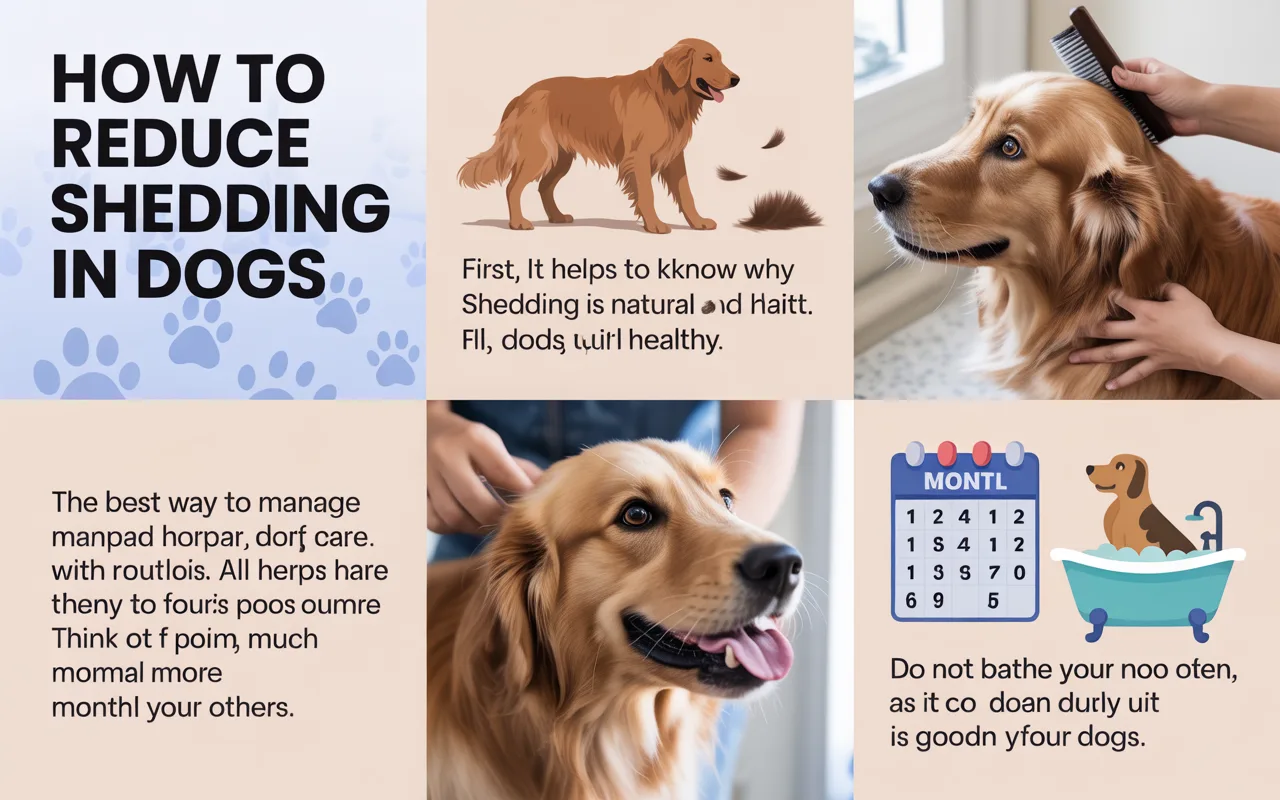
If you want to reduce shedding in dogs, you need a full plan. This guide gives real steps for less dog hair at home, from diet and tools to vet care.
Is your home covered in a fine layer of dog hair? Do you find fur on your clothes, your sofa, and maybe even in your food? You are not alone. Shedding is a normal process for dogs. It is how they get rid of old or damaged hair. But that does not mean you have to just live with it. With the right methods, you can manage it and cut down on the hair tumbleweeds rolling across your floor.
This guide will walk you through simple, effective ways to tackle dog shedding. We will talk about why dogs shed, what you can do at home, and when a vet might need to help. Let us make life with your furry friend a little less furry.
Why Do Dogs Shed So Much?
First, it helps to know why shedding happens. Shedding is natural and healthy. All dogs with hair shed, but some shed much more than others. The amount of hair your dog loses depends on a few key things.
- Breed: This is a big one. Some breeds, like Labrador Retrievers and German Shepherds, are known for heavy shedding. Others, like Poodles, shed very little.
- Health: A dog’s skin and coat health directly impacts shedding. Problems like allergies, parasites, or stress can cause more hair loss.
- Season: Many dogs shed more in spring and fall. They lose their thick winter coat when it gets warm. They grow a new one when it gets cold again. Dogs who live mostly indoors may shed a smaller amount all year because of steady indoor lights and temperatures.
- Diet: What your dog eats fuels their entire body, including their skin and hair. Poor nutrition can lead to a dry coat that sheds more.
As veterinarian Dr. Karen Becker says, “The condition of your pet’s skin and coat is a direct reflection of their overall health.” This means that managing shedding often starts with looking at your dog’s whole well being.
Your Daily Toolbox to Reduce Shedding
The best way to manage shedding is with regular care. Think of it as part of your normal routine with your dog. Here are the most effective things you can do at home.
Brushing is Your Best Friend
Brushing is the number one thing you can do to reduce shedding in dogs. It catches the loose hair before it ends up on your furniture. It also spreads natural oils through the coat, keeping it healthy.
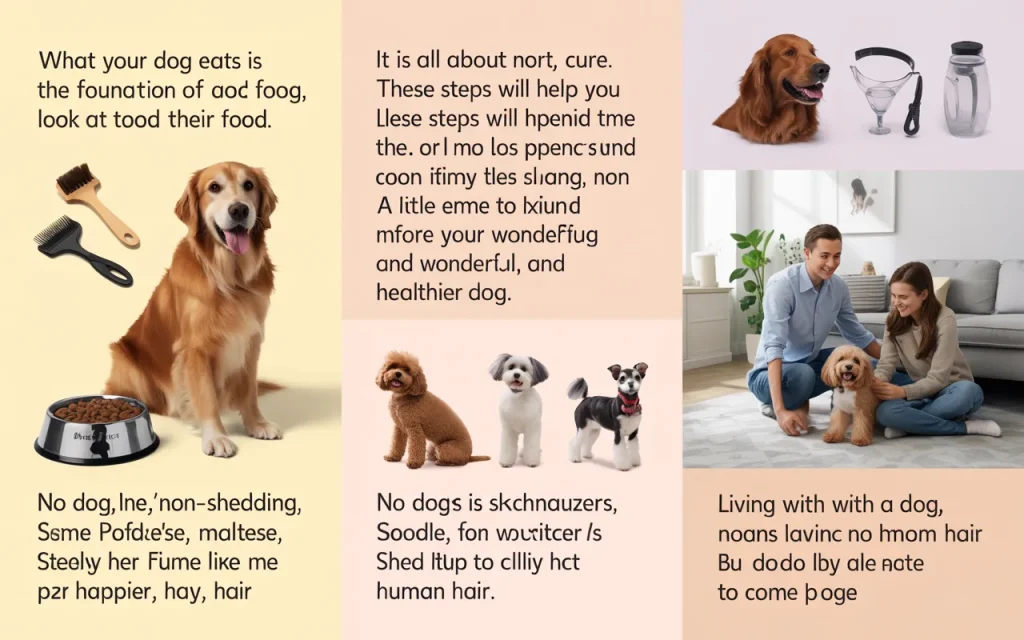
How often you brush depends on your dog:
- Long-haired or heavy shedders: Brush every day.
- Short-haired dogs: Brush 2-3 times a week.
Using the right brush is important. This table shows which tools work best for different coats.
| Dog Coat Type | Best Brushing Tools |
|---|---|
| Short, Smooth Coat (like on a Boxer) | A rubber grooming mitt or a bristle brush. These grab loose hair easily. |
| Double Coat (like on a Husky or Golden Retriever) | An undercoat rake and a slicker brush. The rake gets the soft undercoat fur. |
| Long, Silky Coat (like on a Yorkshire Terrier) | A pin brush and a wide-tooth comb to prevent tangles and mats. |
| Curly or Wiry Coat (like on a Poodle) | A slicker brush and a grooming comb for curly hair. |
Bath Time: A Secret Weapon
A good bath can wash away a lot of loose hair. Use a gentle, dog-specific shampoo. For serious shedders, a de-shedding shampoo can help. These shampoos often have ingredients like omega fatty acids or oatmeal to moisturize the skin.
Do not bathe your dog too often, as it can dry out their skin. Once a month is a good rule for most dogs. Always brush your dog before the bath. This gets rid of loose hair and stops the drain from clogging.
The Power of a Healthy Diet
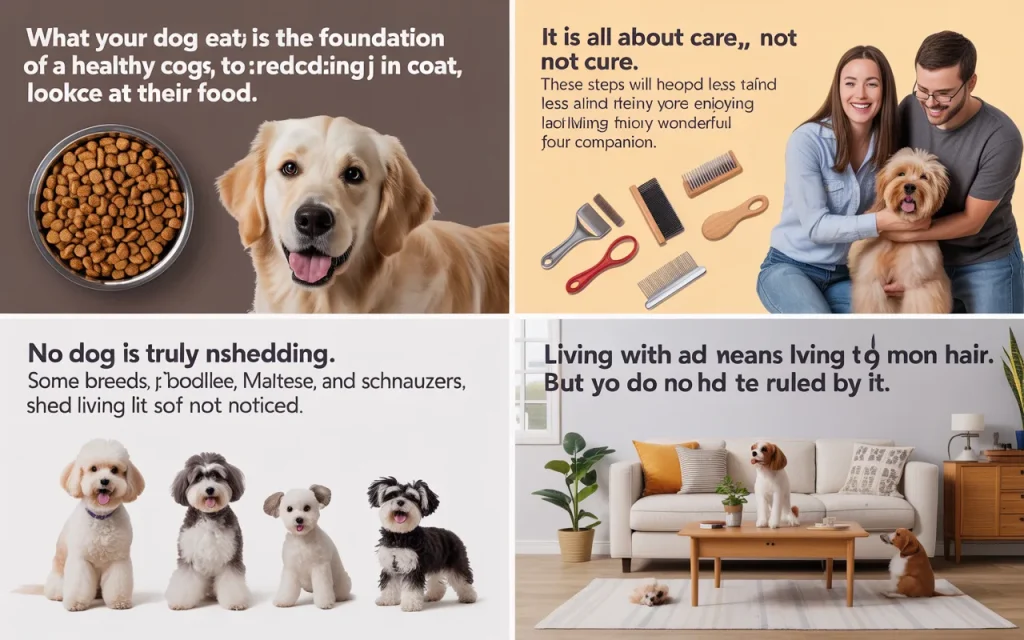
What your dog eats is the foundation of a healthy coat. To reduce shedding in dogs, look at their food.
- High-Quality Protein: Hair is made mostly of protein. Make sure your dog’s food lists a real meat source as the first ingredient.
- Omega Fatty Acids: Omega-3 and Omega-6 fats are super stars for skin health. They keep the skin from getting dry and itchy. You can find them in fish oil supplements or in foods with fish, flaxseed, or canola oil.
- Fresh Water: Always have clean water available. Hydrated skin is healthy skin.
Sometimes, a simple diet upgrade is all it takes to see less hair around the house.
When to Look for Help from Your Vet
Sometimes, extra shedding is a sign of a health problem. If you notice any of these things, it is time to call your vet:
- Bald spots or patches of thin hair.
- Skin that looks red, irritated, or scabby.
- Scratching, licking, or chewing at their skin all the time.
- A dry, dull coat or dandruff.
- A sudden, big increase in how much they shed.
Your vet can check for problems like allergies, fungal or bacterial infections, fleas, mites, or hormone issues. Fixing the health problem is the only way to reduce shedding in dogs in these cases.
As dog trainer and author Sarah Hodgson notes, “Managing shedding is less about stopping a natural process and more about partnership in care.” Working with your groomer and vet is part of that team effort.
Grooming and Other Helpful Tips
For some dogs and some owners, professional help makes a big difference.
- Professional Grooming: A groomer has powerful dryers and special tools that can remove a huge amount of undercoat. A visit every few months during heavy shed seasons can change your life.
- Supplements: If your dog’s diet is good but their coat could be better, ask your vet about a fish oil or omega supplement.
- Home Clean-Up: Fight fur at home with a good vacuum made for pet hair. Use washable throws on furniture and lint rollers on clothes.
Dog Shedding: Common Questions
Why is my dog shedding so much all of a sudden?
Sudden heavy shedding can be from stress, a recent illness, a change in food, or a skin problem. If it is very different from normal, a vet check is a good idea.
Are there any dogs that do not shed?
No dog is truly non-shedding. Some breeds, like Poodles, Maltese, and Schnauzers, shed so little it is often not noticed. Their hair may act more like human hair.
Does shaving my dog help reduce shedding in dogs?
No, and it can often hurt. For dogs with double coats, shaving can ruin their coat’s ability to regulate temperature. It can also cause skin problems. It is better to do a professional de-shedding treatment.
What is the best food for a dog that sheds a lot?
Look for a food with high-quality animal protein (like chicken, beef, or fish) as the first ingredient. Foods with added omega fatty acids are also very helpful. This table gives a simple guide.
| Nutrient | Why It Helps | Where to Find It |
|---|---|---|
| Protein | Builds strong, healthy hair strands. | Chicken, beef, fish, eggs. |
| Omega-3 Fatty Acids | Reduces skin inflammation and itchiness. | Fish oil, salmon, flaxseed. |
| Omega-6 Fatty Acids | Supports healthy skin and a shiny coat. | Poultry fat, vegetable oils. |
| Vitamins A & E | Important for skin repair and health. | Carrots, spinach, some grains. |
Can certain brushes really stop shedding?
No brush can stop the natural shedding cycle. But the right brush will manage it very well by removing the loose hair efficiently. This keeps it off your floors and furniture.
A Final Word on Living with Less Fur
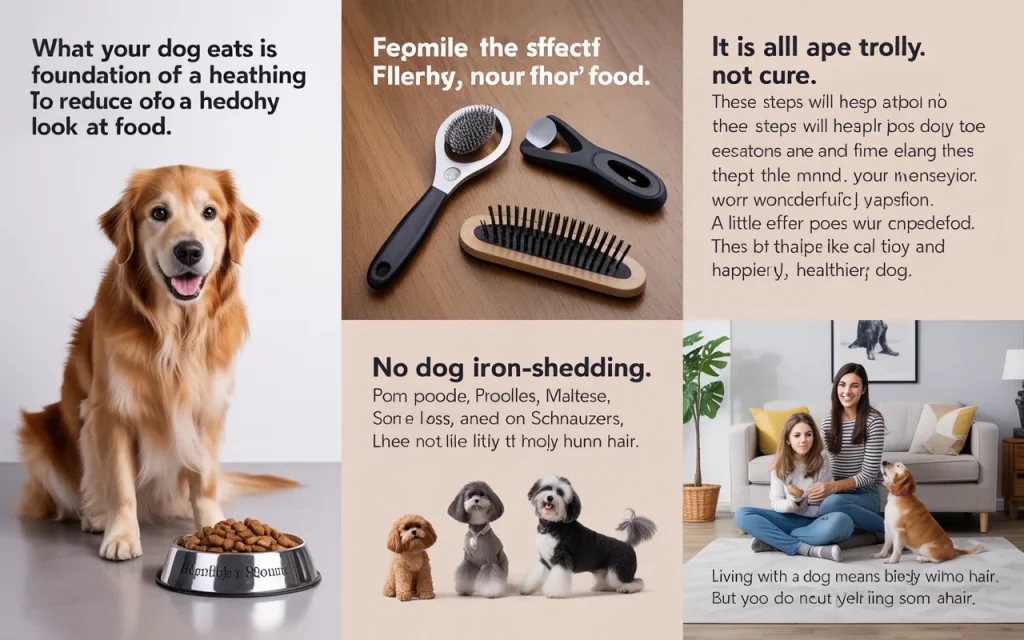
Living with a dog means living with some hair. But you do not have to be ruled by it. To truly reduce shedding in dogs, you need a mix of good habits: regular brushing with the right tool, a healthy diet full of good fats, and the occasional bath. Pay close attention to your dog’s skin and coat. It tells you a lot about how they feel. When you see a big change, your vet is there to help.
It is all about care, not cure. These steps will help you spend less time cleaning and more time enjoying your wonderful, furry companion. A little effort goes a long way to a cleaner home and a happier, healthier dog.
Remember the words of animal expert Roger Caras: “Dogs are not our whole life, but they make our lives whole.” Managing the shedding is just one small part of the big picture of love and care we give them.

One Comment