Learn how to reduce frizzy hair naturally with simple home remedies and gentle care habits. This guide gives you easy, proven ways to calm frizz for good.
Frizzy hair can feel like a daily battle. You wake up, look in the mirror, and see a halo of flyaways. Humidity makes it puff up. You might feel like you need strong products to control it. But what if the real solution was gentler? What if you could calm your hair by working with its natural state? You can. This guide will show you how to reduce frizzy hair naturally. We will use simple home methods and change a few habits. These ideas come from understanding hair science and years of trusted hair care wisdom. My own experience with curly, frizz-prone hair taught me that harsh fixes never last. Real change comes from consistent, kind care. Let us explore these gentle, effective steps together.
What Causes Frizz? The Simple Science
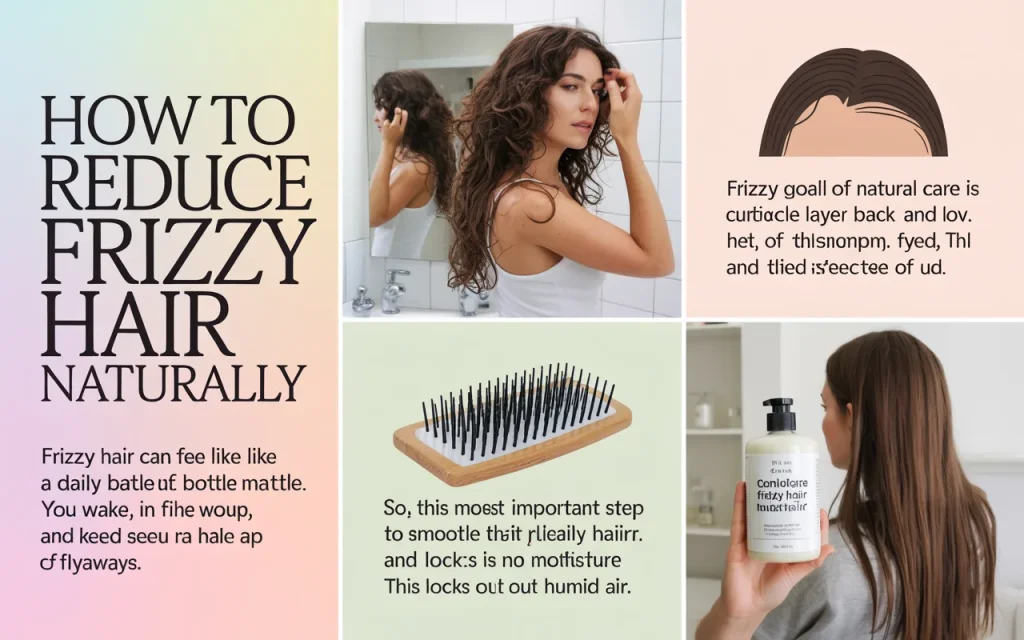
To Reduce Frizzy Hair Naturally, we need to know what causes it. Every hair strand has a protective outer layer called the cuticle. Think of it like shingles on a roof. When these “shingles” lie flat, your hair is smooth and shiny. But when they lift up, they let moisture from the air into the hair shaft. This makes the hair swell and fray, creating that fuzzy look we call frizz. Many things lift the cuticle: dryness, damage from heat or chemicals, rough brushing, and even towel drying. So, the goal of natural care is to smooth that cuticle layer back down and keep it sealed. This locks in moisture and locks out humid air.
“Healthy hair is happy hair. It starts with treating it with care, not force.” Sarah Jones, Hair Stylist
Your Natural Hair Care Routine: A Daily Plan
A good routine does not need ten products. It needs a few good steps done right. This daily plan focuses on hydration, protection, and gentle handling.
1. Wash with Care: Choose Your Cleanser
How you wash sets the stage. Shampoos with sulfates can strip your hair of its natural oils. This leaves the cuticle dry and open. Try a sulfate-free shampoo. Better yet, try co-washing. Co-washing means using a conditioner to clean your hair. It is very gentle. You can also use a diluted apple cider vinegar rinse once a week. This helps close the cuticle and add shine.
Washing Method
Best For
How Often
Sulfate-Free Shampoo
All hair types
2-3 times a week
Co-Washing (Conditioner Only)
Curly, dry, or thick hair
As needed
ACV Rinse (1 tbsp ACV to 1 cup water)
Buildup or dull hair
Once a week
2. Condition and Hydrate Deeply
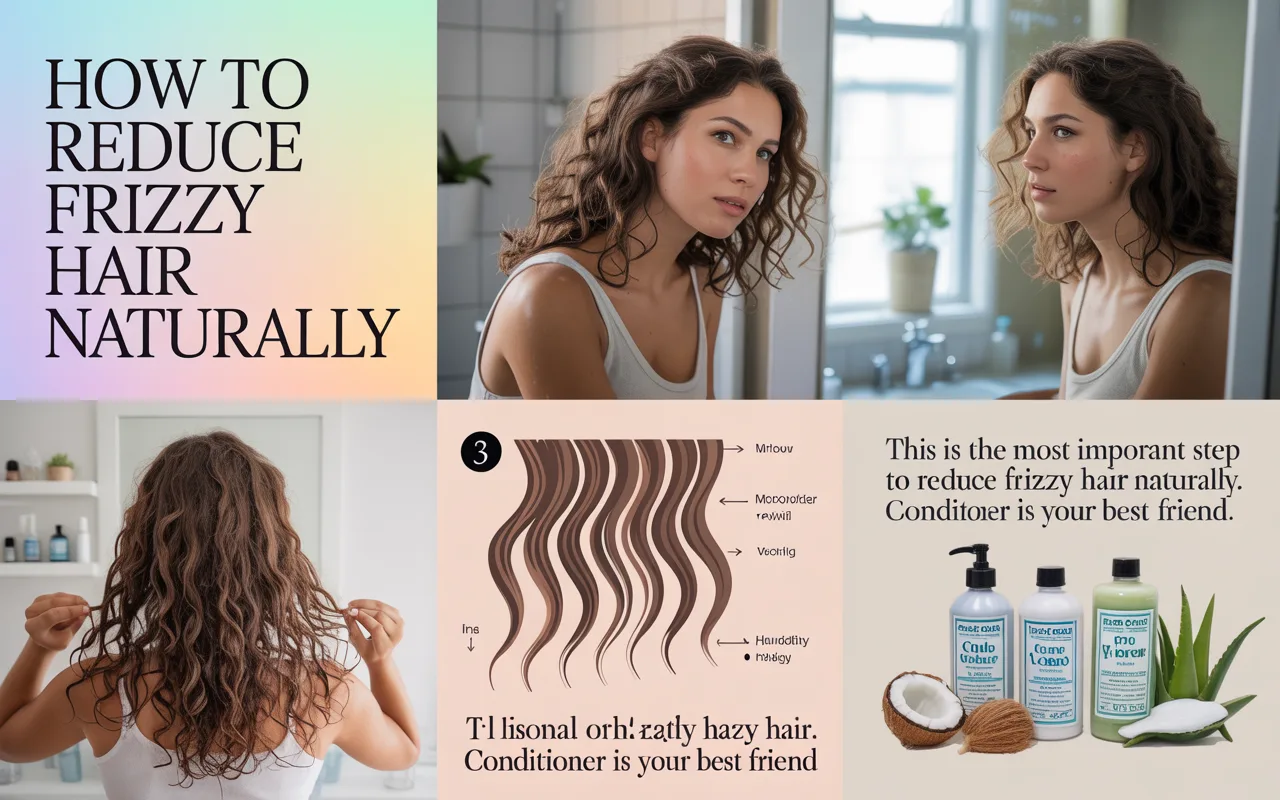
This is the most important step to reduce frizzy hair naturally. Conditioner is your best friend. It adds moisture and helps smooth the cuticle. Always use a good conditioner after every wash. Focus it on the mid-lengths and ends of your hair. Leave it on for a few minutes before rinsing with cool water. Cool water helps seal the cuticle. Once a week, use a deep conditioning treatment. You can buy one or make a natural mask at home.
3. Dry Your Hair the Right Way
Rubbing your hair with a regular towel creates friction. This roughs up the cuticle and causes frizz. Instead, use an old, soft cotton t-shirt or a microfiber towel. Gently squeeze the water from your hair. Do not twist or rub. Then, let your hair air dry as much as you can. If you must use heat, always use a heat protectant spray first. Keep your dryer on a low or cool setting.
Powerful Natural Treatments You Can Make at Home
Your kitchen has some of the best hair treatments. These natural ingredients add moisture, protein, and shine. They help smooth the hair cuticle without chemicals.
The Honey and Oil Hydration Mask
Honey is a natural humectant. This means it draws moisture into the hair. Mixed with a nourishing oil, it is a perfect frizz fighter.
Mix 2 tablespoons of raw honey with 1 tablespoon of coconut or olive oil.
Warm the mix slightly so it is easy to spread.
Apply it to damp hair, cover with a shower cap, and wait for 30 minutes.
Rinse well and then wash with a mild shampoo.
The Aloe Vera and Coconut Oil Smoothing Treatment
Aloe vera gel is amazing for calming frizz. It moisturizes and forms a light protective layer. Coconut oil can penetrate the hair shaft to prevent protein loss.
Combine 3 tablespoons of pure aloe vera gel with 1 tablespoon of melted coconut oil.
Apply from roots to ends.
Leave it on for 20 minutes before washing out.
“Nature itself is the best pharmacy. For our hair and our health.” Dr. Maya Patel, Dermatologist
Habits to Keep Frizz Away for Good
What you do between washes matters just as much. These daily habits will help you keep frizz under control.
Sleep on Silk
Cotton pillowcases absorb moisture and create friction. Switching to a silk or satin pillowcase lets your hair glide as you sleep. This prevents breakage and morning frizz. You can also use a silk bonnet or scarf.
Brush Gently and Correctly
Never brush dry hair, especially if it is curly or wavy. This snaps hair and roughs up the cuticle. Always detangle your hair when it is wet and full of conditioner. Use a wide-tooth comb or a brush made for wet hair. Start from the ends and work your way up to the roots slowly.
Protect Your Hair
Your hair needs a shield from sun, wind, and pollution. On sunny days, wear a hat. Before going out, you can use a tiny bit of natural oil (like argan or jojoba) on the ends. This acts as a barrier. Also, try to avoid touching your hair too much during the day. The oils from your fingers can make it look stringy.
Common Mistake
Why It Causes Frizz
Better Habit
Rough towel drying
Creates cuticle friction
Pat dry with a t-shirt
Brushing dry hair
Breaks hair and lifts cuticle
Comb only when wet with conditioner
High heat styling
Fries and dries out the hair shaft
Air dry, use low/cool heat with protectant
Frequently Asked Questions
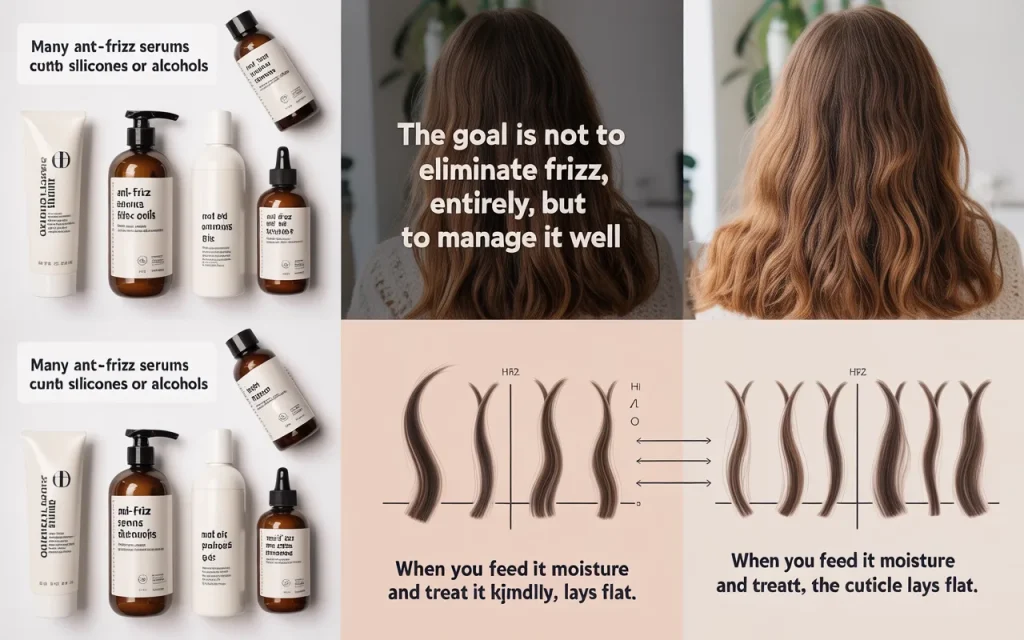
Can I ever completely get rid of frizz? The goal is not to eliminate frizz entirely, but to manage it well. Some frizz is normal, especially for textured hair. The aim is to have healthy, hydrated hair where frizz is minimal and controlled.
How long will it take to see results from natural methods? Be patient. Hair care is a process, not a quick fix. You might see some improvement after one good deep conditioning treatment. But for lasting change, give it at least 4 to 6 weeks of consistent care. Your hair needs time to heal and regain its moisture balance.
Are these methods good for all hair types? Yes, the core ideas work for everyone. But you can adjust them. If you have fine hair, use lighter oils like argan or sweet almond. Use less product so your hair does not get weighed down. If your hair is thick or coarse, you can use richer oils like coconut or shea butter more freely.
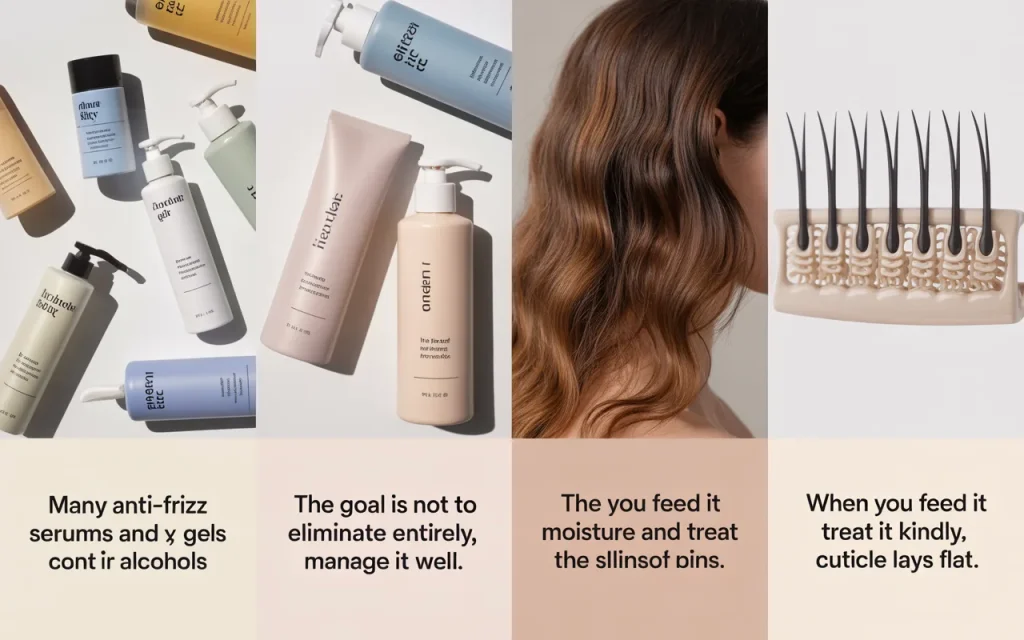
Is it okay to use regular hairspray or gel? Many anti-frizz serums and gels contain silicones or alcohols. These can build up or dry hair out over time. Look for products with natural ingredients. Or, try using a tiny drop of pure aloe vera gel as a natural styling product to hold flyaways.
“The secret to beautiful hair is not in a bottle. It is in the patience and consistency of your care.” Lisa Wong, Natural Hair Care Advocate
Conclusion: Your Path to Smoother Hair
Learning how to reduce frizzy hair naturally is a journey back to basics. It is about listening to your hair and giving it what it truly needs: moisture, gentle handling, and protection. Forget harsh chemicals and high heat. Embrace simple washes, rich conditioners, and treatments from your kitchen. Change small habits like how you dry and sleep on your hair. Remember, frizz is just your hair asking for help. When you feed it moisture and treat it kindly, the cuticle lays flat. Your hair becomes smoother, stronger, and full of its natural shine. Start with one or two tips from this guide. Be consistent. Your hair will thank you for it. You have the power to calm the frizz and love the hair you have.



6 Comments