
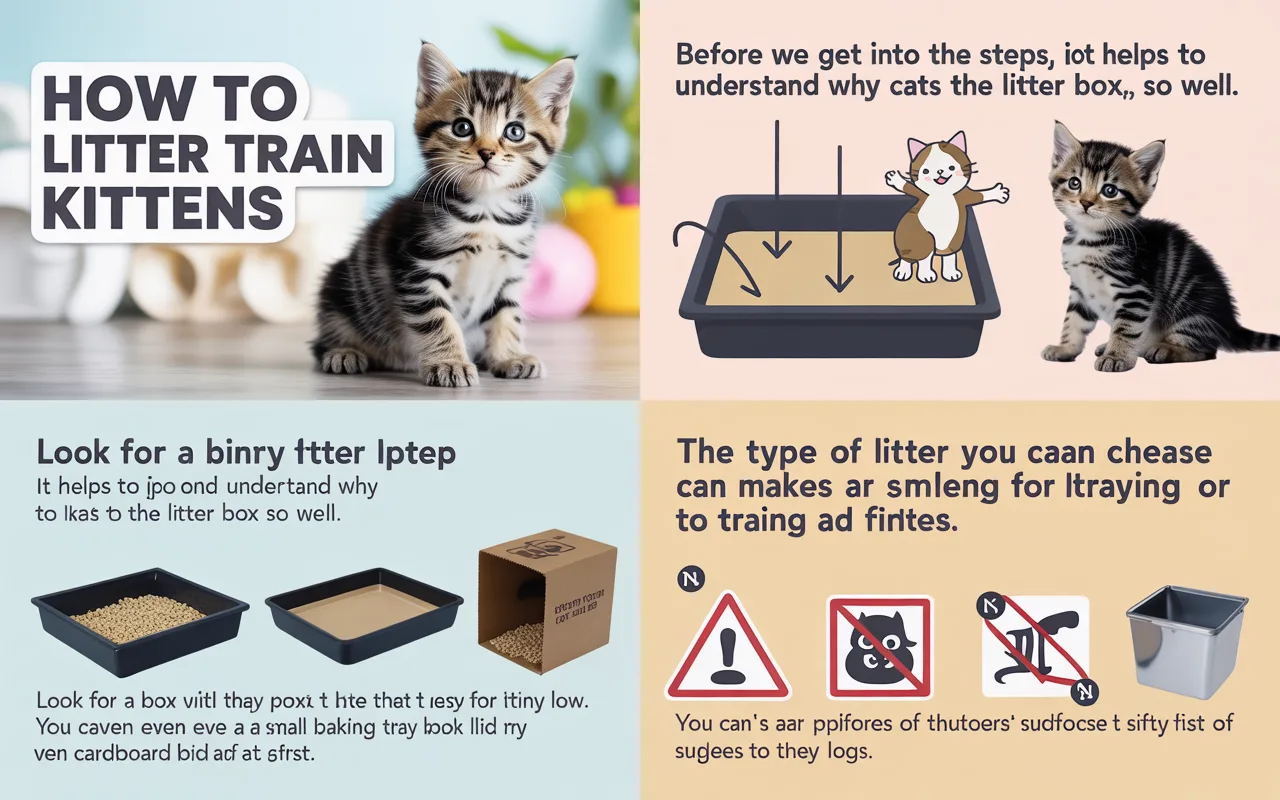
Learn how to litter train kittens quickly with this simple guide. We cover how to litter train kittens using easy steps, the best litter boxes, and solutions for common accidents.
Bringing a new kitten home is such an exciting time. They are tiny, playful, and full of curiosity. But one of the first things every new cat owner needs to figure out is how to handle bathroom duties. The good news is that mother cats often teach their kittens the basics early on. Still, you might need to guide them a little. Learning how to litter train kittens is easier than you think. With a little patience and the right setup, your kitten will know exactly where to go. This guide will show you every step to make the process smooth and stress-free.
Cats are naturally clean animals. In the wild, they hide their waste to avoid attracting predators. This instinct works in your favor. Most kittens already have the urge to dig and bury. Your job is simply to show them the right place to do it. We will cover everything from choosing the perfect litter box to fixing common accidents. By the end, you will feel confident helping your new furry friend.
Why Litter Training Comes Naturally to Cats
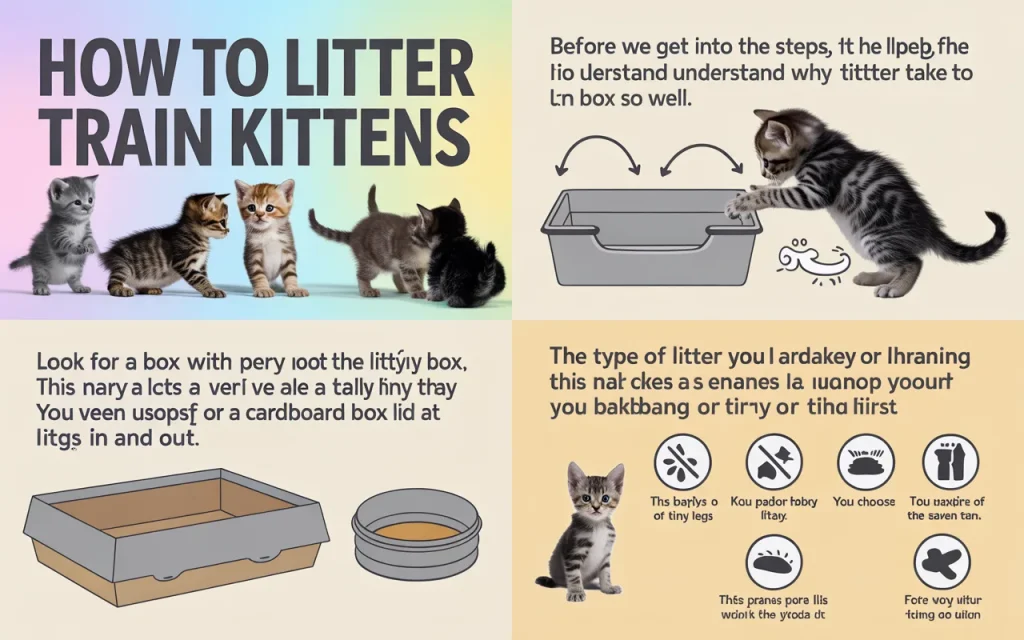
Before we get into the steps, it helps to understand why cats take to the litter box so well. It is not just magic. It is instinct. A kitten’s mother starts cleaning her babies right after birth. She stimulates them to go to the bathroom and then cleans up the mess. As the kittens grow, they watch their mother use the litter box. By the time they are four to five weeks old, they usually start copying her.
This natural instinct is your biggest advantage. You are not teaching a completely new behavior. You are just directing an existing one. When you know how to litter train kittens, you work with their instincts, not against them. You provide the tools, and they follow their nose. This makes the whole process much faster and more pleasant for both of you.
Setting Up the Perfect Bathroom for Your Kitten
Getting the setup right is half the battle. If the box is too hard to enter or the litter feels bad on their paws, your kitten might avoid it. Let us look at what you need to create a welcoming space.
Choosing the Right Litter Box
Size matters a lot for little kittens. A box with high sides might be too scary for them to climb into. A box that is too big can also feel overwhelming.
Here is what works best for kittens:
- Low sides: Look for a box with an entry point that is very low. This makes it easy for tiny legs to step in and out. You can even use a small baking tray or a cardboard box lid at first.
- Small space: The box should be just big enough for the kitten to turn around. A small, cozy space feels safer than a huge, open one.
- No hoods at first: Covered boxes can trap smells and scare kittens. They also give you less visibility. It is better to start with an open, simple pan.
Many pet stores sell kitten-specific litter boxes. These are perfect for the first few weeks. As your cat grows, you can switch to a larger, standard box.
Picking the Best Cat Litter
The type of litter you choose can make or break your training success. Kittens are curious and explore the world with their mouths. You need a product that is safe if they taste it.
Clumping clay litter is popular, but it can be dangerous if a kitten eats it. It expands in the stomach and can cause blockages. For the first few months, it is smarter to use a non-clumping, natural litter.
Good options for kittens include:
- Paper-based litter: These are soft, dust-free, and very absorbent. They are also safe if ingested.
- Wood pellets: These have a natural smell and are eco-friendly. Some kittens like the texture.
- Silica gel crystals: These are very absorbent, but some kittens do not like the feel of them on their paws.
Stay away from heavily scented litters. Kittens have sensitive noses. A strong perfume smell can actually drive them away from the box. Unscented, natural litter is always the best choice.
Finding the Best Location
Location is just as important as the box itself. Think about your kitten’s point of view. They need privacy, but they also need to feel safe.
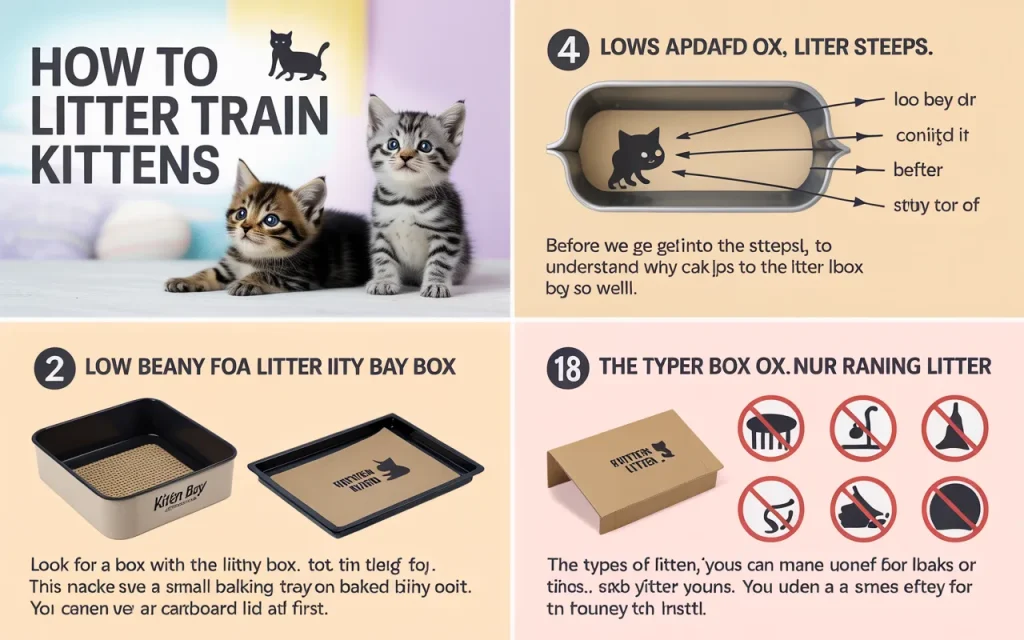
Place the litter box in a spot that is:
- Quiet: Avoid putting it next to loud machines like the washing machine or dryer. The noise can be scary.
- Accessible: Do not hide it in a hard-to-reach corner of the basement. Keep it somewhere the kitten can find easily.
- Away from food and water: Cats do not like to go to the bathroom where they eat. Keep the box in a different room or at least far away from their food bowls.
- Not in a dead-end: Make sure the kitten has an escape route. They do not like to feel trapped while using the box.
A corner of a laundry room, a quiet bathroom, or a spare bedroom corner often works well. Once you place it, try not to move it too often. Consistency helps the kitten learn.
Step-by-Step Guide: How to Litter Train Kittens
Now for the main event. You have the right box, the right litter, and the perfect spot. Here is exactly how to litter train kittens step by step.
Step 1: Introduce the Box Right Away
As soon as you bring your new kitten home, show them the litter box. Do not just assume they will find it on their own. Gently place them inside the box. Let them sniff around and feel the litter under their paws. You can even use their front paw to gently scratch the surface. This helps them understand what the box is for.
Step 2: Use Timing to Your Advantage
Kittens have small bladders. They usually need to go to the bathroom shortly after waking up, after eating, and after playing. Use these moments to your advantage.
Follow this simple routine:
- After the kitten eats a meal, wait about 10 to 15 minutes.
- Gently pick them up and place them in the litter box.
- Give them some privacy, but stay nearby.
- If they go, give them quiet praise.
This routine reinforces the connection between the feeling of needing to go and the location of the box.
Step 3: Let Them See You Scratch
Sometimes a kitten needs a little demonstration. If they seem confused, use your finger to gently scratch the litter. The sound and movement can trigger their instinct to dig. They will often start copying you. It might look funny, but it works.
Step 4: Praise, Never Punish
Positive reinforcement is key. Whenever you see your kitten use the box, offer gentle praise. You can say “good kitty” in a soft voice or give them a tiny treat right after they finish. They will start to associate the box with good things.
If they have an accident outside the box, do not yell or rub their nose in it. This only creates fear. Fear can lead to more accidents or hiding. Just clean up the mess quietly and figure out why it happened. Maybe the box was dirty, or maybe you missed their schedule.
Step 5: Keep It Clean
Cats are clean freaks. A dirty box is the number one reason cats stop using it. You should scoop the box at least once a day. A full scooping removes the solid waste and clumps.
Once a week, empty the entire box completely. Wash it with mild soap and warm water. Do not use strong chemicals like bleach or ammonia. These smells can be off-putting to a cat. Rinse well and dry it before adding fresh litter.
Step 6: Watch for Signals
As you spend time with your kitten, you will learn their signals. Some kittens start meowing. Others sniff the ground and start turning in circles. Some might scratch at the floor. When you see these signs, quickly and calmly guide them to the litter box. This proactive approach prevents accidents and speeds up learning.
Here is a quick guide to the process:
| Time of Day | Kitten’s Activity | Your Action |
|---|---|---|
| Morning | Just woke up | Place kitten in litter box |
| After meals | 10-15 minutes after eating | Guide kitten to litter box |
| After play | High energy, then settles | Watch for circling/sniffing |
| Before bed | Last activity of the day | Gently place in box one more time |
“Patience is the biggest part of training any animal. Your kitten wants to please you, but they are still a baby. Keep your cool, and they will learn much faster.” – Dr. Sarah Mitchell, Feline Behavior Specialist
Common Litter Training Problems and Solutions
Even with the best plan, problems can pop up. Do not worry. Most issues are easy to fix. Here are some common problems and how to solve them.
The Kitten Won’t Use the Box
If your kitten seems afraid of the box, go back to basics. Make sure the box is easy to get into. Try a different litter. Some kittens are picky about texture. You can also try placing them in the box several times a day, even if they do not go. Just let them get comfortable with being inside it.
Accidents Outside the Box
When accidents happen, clean them up very well. Use an enzymatic cleaner made for pet messes. These cleaners break down the proteins in urine and feces. Regular household cleaners might mask the smell for you, but a cat’s nose can still find it. If they can still smell their old accident, they might go there again.
The Kitten Eats the Litter
This is common in very young kittens. It is one reason we suggest a natural, non-clumping litter for the first few months. If you see your kitten eating litter, gently remove them from the box. Distract them with a toy. Make sure they have plenty of their own food and are eating well. If the behavior continues, talk to your vet to rule out any health issues.
“Never underestimate the power of a clean box. I tell all my clients that scooping daily is the single most important thing they can do to prevent litter box problems.” – James O’Malley, Certified Cat Trainer
When to Switch to Adult Litter and Box
Your kitten will grow fast. By the time they are around four to six months old, you can start thinking about switching to adult products.
For the litter box: If your kitten is using a small starter box, you will notice they look cramped. When they can no longer turn around comfortably, it is time for a bigger box.
For the cat litter: Around the six-month mark, you can slowly switch to a clumping litter if you want. Mix a small amount of the new litter with the old. Over the course of a week, add more new litter and less old litter. Watch your cat to make sure they accept the change. If they start having accidents, slow down the transition.
How Many Litter Boxes Do You Need?
This is a great question for new owners. The general rule for cats is one box per cat, plus one extra. So for one kitten, you should have two litter boxes.
Why two? It gives them a choice. If one box gets dirty, they have a clean backup. You can place them in different locations. Some cats like to pee in one box and poop in another. Having two boxes also helps prevent territorial issues if you ever add another cat to your home.
For a single kitten in a small apartment, two boxes are still a good idea. You might put one upstairs and one downstairs, or one in the living area and one in a quiet room. This makes it easy for the kitten to always find a bathroom.
Keeping Your Home Clean During Training
Accidents will happen. It is part of the process. The key is to be prepared. Keep a good enzymatic cleaner on hand at all times. Clean up accidents as soon as you find them.
You might also want to limit the kitten’s freedom at first. Keep them in one room when you cannot supervise them directly. Make sure that room has their litter box, food, water, and a comfy bed. As they get more reliable with the box, you can slowly give them access to more rooms.
Remember, your kitten is not having accidents to be bad. They are just learning. Your calm and consistent response will teach them much more than anger ever could.
Long-Term Litter Box Success
Once your kitten is fully trained, you still need to maintain good habits. Keep the box clean. Stick to the same type of litter if it is working. If you need to change brands, do it slowly.
Watch your cat’s bathroom habits. Changes in how often they go or the consistency of their waste can be a sign of health problems. A cat that suddenly stops using the box might have a urinary tract infection. If you notice any changes, a trip to the vet is a good idea.
Here are the key habits for long-term success:
| Habit | Why It Matters |
|---|---|
| Scoop daily | Prevents odor and keeps the cat happy |
| Wash box weekly | Removes bacteria and buildup |
| Use unscented litter | Respects the cat’s sensitive nose |
| Keep box in same spot | Provides consistency and security |
| Watch for changes | Catches health issues early |
“A clean litter box is a sign of a good cat owner. It is a simple act of care that makes a huge difference in your cat’s quality of life.” – Maria Chen, Veterinary Technician and Cat Rescue Volunteer
Frequently Asked Questions
At what age can you start litter training a kitten?
You can start as early as three to four weeks old. At this age, kittens start moving around more and watching their mother. If you have a very young orphan, you can introduce a shallow box with non-clumping litter.
How long does it take to litter train a kitten?
Most kittens pick it up very quickly, often within a few days. Since it is an instinct, they usually just need to be shown where to go. By the time they are eight weeks old, most kittens are reliably using the box.
My kitten is 8 weeks old and still having accidents. Is this normal?
Yes, it can be normal. Even at eight weeks, they are still very young. They might get distracted during play or forget where the box is. Just keep up with the routine and be patient. If accidents continue for many weeks, check with your vet.
Should I use a litter box liner?
Many cats do not like liners. Their claws can get stuck in the plastic, which scares them. It is usually better to skip the liner and just pour litter directly into the clean box.
Can I use a spray to attract my kitten to the box?
There are attractant sprays available. They contain herbs that smell interesting to cats. These can be helpful for kittens that seem confused. You spray a little on the litter. However, most kittens do not need this extra help.
What if I have more than one kitten?
The rule of one box per cat plus one extra still applies. For two kittens, you should have three litter boxes. Place them in different spots. This prevents any fighting over resources and keeps everyone happy.
Conclusion
Learning how to litter train kittens is one of the first and most rewarding tasks you will do as a new cat owner. It is a simple process built on understanding your kitten’s natural instincts. You provide a clean, safe, and accessible box. You show them where it is and use a routine based on their schedule. That is really all it takes.
Remember to be patient. Your kitten is small and the world is big. Accidents are just learning opportunities. Clean them up without fuss and keep moving forward. With the right setup and a calm attitude, your kitten will be a pro in no time. You will both enjoy a clean home and a strong, trusting bond. Enjoy these early weeks. They fly by fast. Soon, your little kitten will be a grown cat, and using the litter box will be second nature.


3 Comments