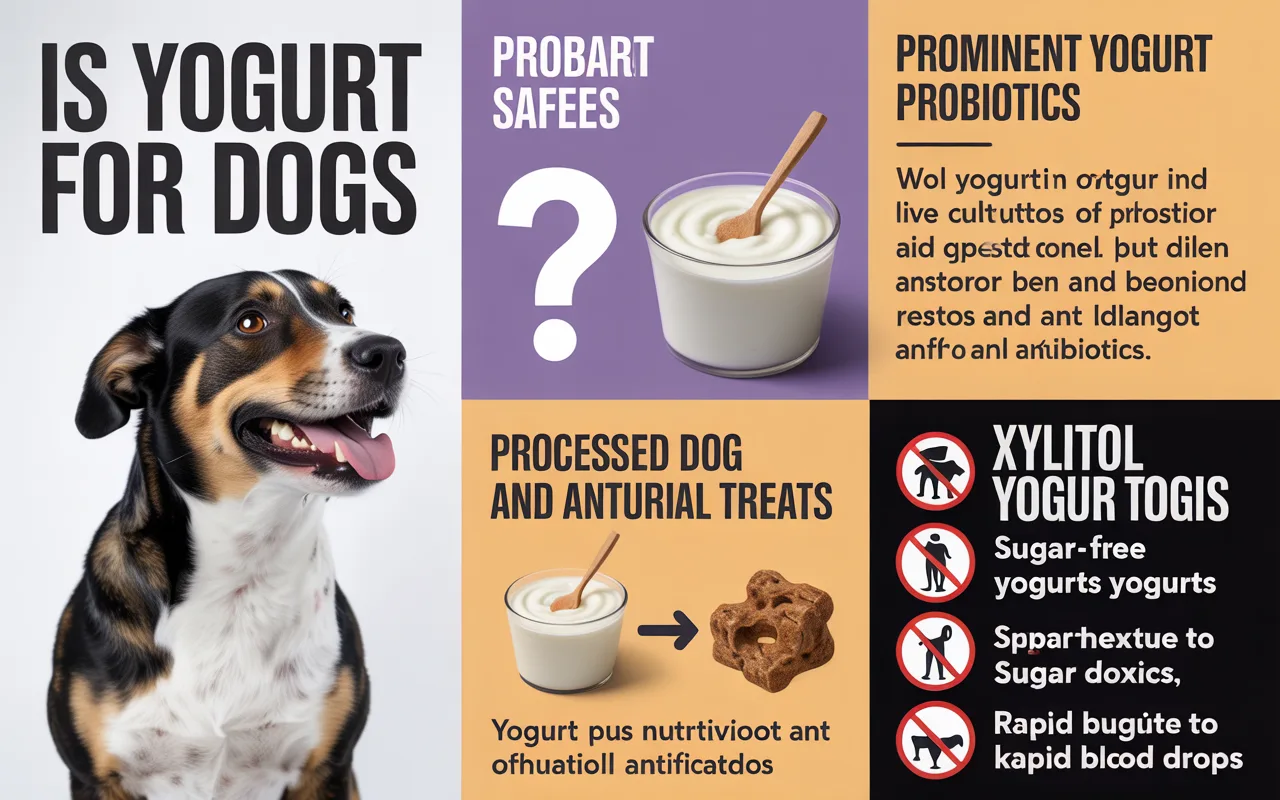
Wondering is yogurt safe for dogs? The answer is yes, but with important rules. Learn which yogurts are healthy, which to avoid, and how much to feed your pup safely.
You are enjoying a cool cup of yogurt in the morning, and your dog gives you those big, hopeful eyes. You want to share, but a question pops into your head: is yogurt safe for dogs? This is one of the most common questions veterinarians hear from pet parents. The quick answer is that plain yogurt can be a healthy snack for many dogs. However, there are specific rules you must follow. Yogurt contains probiotics, calcium, and protein. These are good for your dog. But not all yogurts are created equal. Some have ingredients that are dangerous for your furry friend. In this guide, we will explore everything you need to know. We will talk about the benefits, the risks, and how to choose the right yogurt. By the end, you will feel confident about sharing a spoonful with your canine companion.
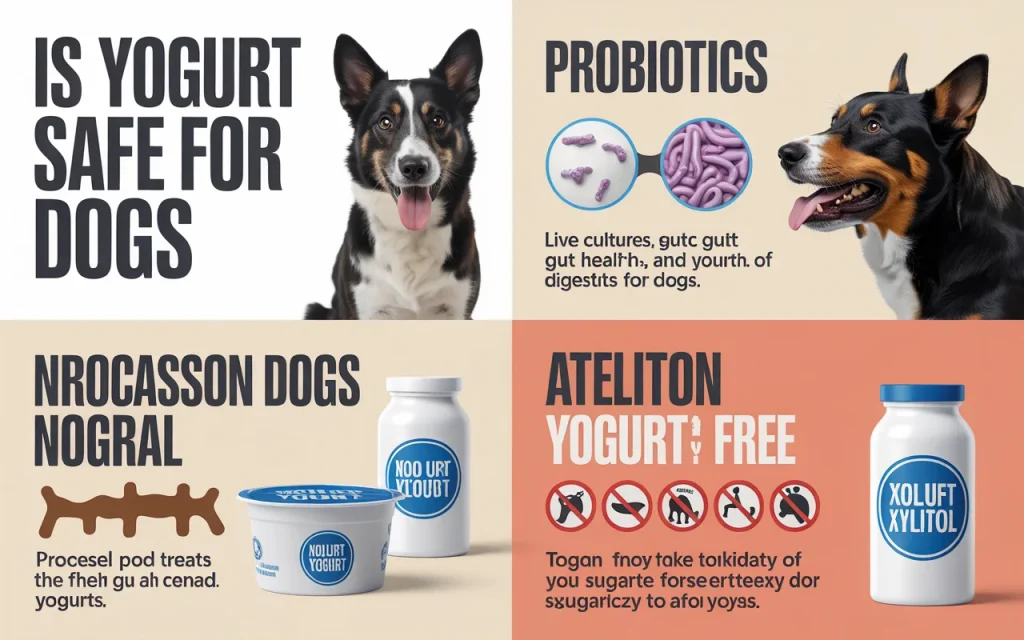
The Simple Answer: Is Yogurt Safe for Dogs?
Let us get straight to the point. Yes, plain yogurt is generally safe for dogs. It is a treat that many dogs enjoy. The key word here is “plain.” You must avoid yogurts with added sugars, artificial sweeteners, or flavors. These extras can cause serious health problems.
Dr. Sarah Thompson, a veterinarian with over 15 years of experience, says: “I often tell my clients that plain yogurt can be a wonderful addition to a dog’s diet when used correctly. It provides beneficial bacteria that support gut health. The real danger comes from added ingredients, especially xylitol.”
So, when you ask is yogurt safe for dogs, remember the answer depends entirely on the type of yogurt you choose. Plain, unsweetened yogurt is a safe bet. Fancy, flavored yogurts are a no-go.
The Great Benefits of Yogurt for Dogs
Why would you even want to give your dog yogurt? It is not just about sharing your food. Yogurt offers real health benefits when it is the right kind.
Probiotics for a Happy Tummy
Yogurt contains live and active cultures. These are probiotics. Probiotics are good bacteria that live in the gut. They help with digestion. If your dog has an upset stomach from antibiotics or dietary changes, probiotics can help restore balance. Many dogs with sensitive stomachs do well with a small spoonful of yogurt a few times a week.
Calcium and Protein Boost
Dogs need calcium for strong bones and teeth. Yogurt is packed with calcium. It also has protein, which gives your dog energy and helps build muscles. For active dogs or growing puppies, this is a nice bonus.
A Healthy Treat Alternative
Many dog treats are full of fillers and preservatives. Yogurt is a natural food. It feels like a special treat to your dog, but you are giving them something nutritious.
However, you must always ask yourself is yogurt safe for dogs before you offer it. The benefits are real, but they only apply to the right kind of yogurt.
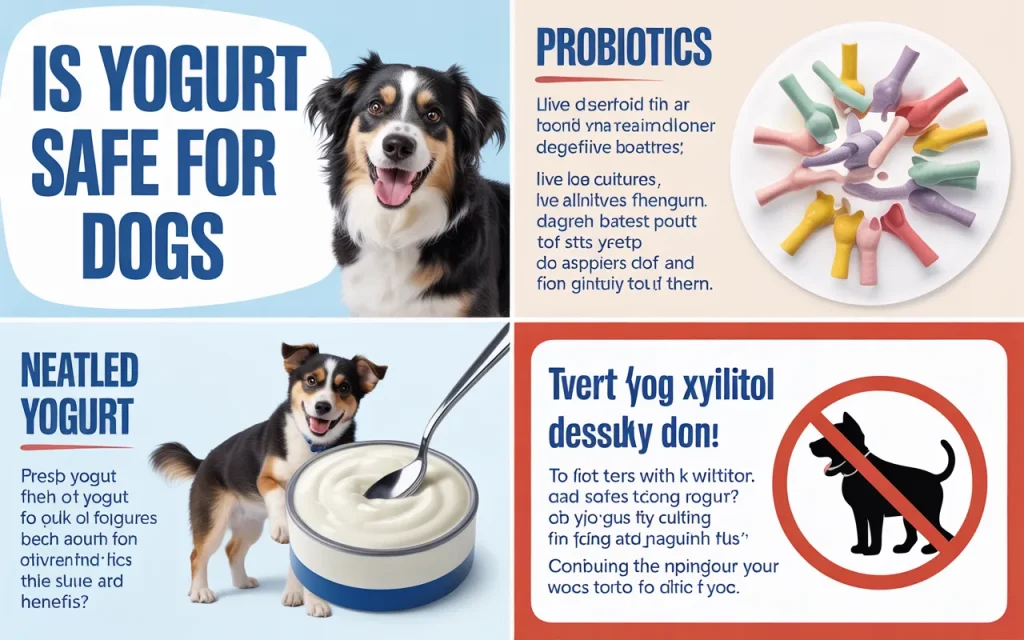
The Hidden Dangers: When Yogurt Becomes Unsafe
While plain yogurt is safe, many yogurts on the grocery store shelf are not. You need to be a smart shopper for your dog’s sake.
The Xylitol Nightmare
This is the biggest danger. Xylitol is a sugar substitute. It is found in many “sugar-free” or “low-fat” yogurts. Xylitol is extremely toxic to dogs. Even a small amount can cause a rapid drop in blood sugar. This leads to seizures, liver failure, and can be fatal. Always read the label. If you see xylitol listed, keep that yogurt far away from your dog.
Lactose Intolerance in Dogs
Dogs do not produce large amounts of lactase. Lactase is the enzyme needed to break down lactose, the sugar in milk. This means many dogs are lactose intolerant. When you ask is yogurt safe for dogs, you must consider your individual dog’s stomach. Yogurt has less lactose than milk because the culturing process breaks some of it down. However, some dogs will still get an upset stomach. Signs of lactose intolerance include gas, bloating, diarrhea, or vomiting after eating dairy.
Dr. Michael Chen, a canine nutrition specialist, explains: “Just like people, every dog is different. Some dogs can handle a bit of yogurt with no issues. Others will have loose stools immediately. Start with a very small amount to see how your dog reacts.”
Added Sugars and Fruits
Flavored yogurts are loaded with sugar. Too much sugar is bad for dogs. It can lead to weight gain, dental problems, and even diabetes down the road. Fruit-on-the-bottom yogurts might seem healthy, but they are often packed with syrup. Some fruits are also unsafe for dogs. Grapes and raisins are toxic. Stick to plain.
How to Choose the Right Yogurt for Your Dog
Choosing yogurt for your dog is simple if you follow these rules. Your main question, is yogurt safe for dogs, becomes easy to answer once you know what to look for.
Rule 1: Plain and Unsweetened
Buy plain yogurt. It should have no sugar, no artificial sweeteners, and no flavoring on the ingredient list. The only ingredients should be milk and live cultures.
Rule 2: Check for Live and Active Cultures
Look for the “Live and Active Cultures” seal. This means the yogurt actually contains the probiotics that are good for your dog’s gut. Greek yogurt is a great choice because it is strained. This process removes much of the whey, which contains lactose. So, Greek yogurt often has less lactose than regular yogurt.
Rule 3: Full-Fat or Low-Fat?
Both are usually okay. Full-fat yogurt is more calorie-dense. If your dog needs to lose weight, choose low-fat or non-fat plain yogurt. Just ensure the low-fat version does not have added sugar to make up for the taste. Many low-fat products add sugar, so read the label carefully.
Comparison Table: Safe vs. Unsafe Yogurt for Dogs
| Safe Yogurt for DogsUnsafe Yogurt for Dogs | |
|---|---|
| Plain, unflavored yogurt | Flavored yogurts (strawberry, vanilla, etc.) |
| Greek yogurt (lower lactose) | Yogurt with xylitol or artificial sweeteners |
| Yogurt with live, active cultures | Yogurt with added sugar or high fructose corn syrup |
| Organic plain yogurt | Yogurt containing grapes, raisins, or chocolate |
How Much Yogurt Can a Dog Eat?
Even though the answer to is yogurt safe for dogs is yes, you cannot give them the whole tub. Yogurt should be a treat, not a main meal. Treats should only make up about 10% of your dog’s daily calories.
Here is a simple guide for serving sizes:
- Small dogs (under 20 pounds): Start with 1 teaspoon per day.
- Medium dogs (20 to 50 pounds): Start with 1 tablespoon per day.
- Large dogs (over 50 pounds): Start with 2 tablespoons per day.
Start with these smaller amounts. Watch your dog for the next 24 hours. If you see any signs of digestive upset, stop giving yogurt. If they handle it well, you can continue with that amount a few times a week. It is not something they need every day.
Creative Ways to Serve Yogurt to Your Dog
You have the green light on is yogurt safe for dogs. Now, how do you serve it? Plain yogurt from a spoon is fine. But you can also make it more fun.
The Frozen Yogurt Treat
On a hot day, frozen yogurt is a great way to cool down your dog. You can put small spoonfuls of plain yogurt on a baking sheet lined with wax paper. Freeze them until solid. Pop one off and give it to your dog. It is a simple, healthy popsicle for your pup.
The Food Topper
If your dog is a picky eater, a dollop of yogurt on their kibble can make dinner more exciting. It adds moisture and flavor. Just mix it in well.
The Stuffed Kong
Mix plain yogurt with a few safe fruits like blueberries or small pieces of apple. Stuff the mixture into a Kong toy and freeze it. This gives your dog a long-lasting, engaging activity that is also healthy.
Dr. Emily Rivera, a holistic veterinarian, shares this tip: “Frozen yogurt treats are excellent for puppies who are teething. The cold soothes their sore gums, and the probiotics support their developing digestive system.”
Signs Your Dog Should Not Eat Yogurt
You now know the answer to is yogurt safe for dogs depends on the type and the dog. But how do you know if your dog is the one who should avoid it? Watch for these signs after they eat a small amount.
- Diarrhea or loose stool: This is the most common sign of lactose intolerance.
- Gas or bloating: If your dog seems uncomfortable or is passing a lot of gas, yogurt might not agree with them.
- Vomiting: This is a more severe reaction. Stop giving yogurt immediately.
- Itchy skin or ears: Some dogs have a food allergy to dairy proteins. Itching can be a sign of an allergic reaction.
If you see any of these signs, do not give your dog yogurt again. Every dog is an individual. Some can enjoy it, and some simply cannot.
Frequently Asked Questions
Can puppies eat yogurt?
Yes, puppies can eat plain yogurt in very small amounts. It can be good for them as they transition to solid food. The probiotics can help settle their stomachs. However, their digestive systems are still developing. Start with just a tiny lick to see how they handle it.
Is Greek yogurt better for dogs than regular yogurt?
Greek yogurt is often a better choice. It has less lactose because it is strained. This makes it easier for dogs to digest. It also has more protein than regular yogurt. Just make sure it is plain Greek yogurt with no added ingredients.
Can dogs eat vanilla yogurt?
No, you should avoid vanilla yogurt. Vanilla yogurt is a flavored yogurt. It almost always contains added sugar. Sometimes, it contains artificial sweeteners. Even if it does not have xylitol, the sugar is unhealthy for dogs. Stick to plain.
What should I do if my dog ate yogurt with xylitol?
This is an emergency. Xylitol is highly toxic. Call your veterinarian or an emergency animal hospital immediately. Time is critical. Do not wait for symptoms to appear. Tell them how much your dog ate and the brand if you know it.
Is yogurt safe for dogs with kidney disease?
This is a question for your veterinarian. Yogurt contains phosphorus and calcium. Dogs with kidney disease often need to limit these minerals. Your vet can tell you if yogurt is safe based on your dog’s specific health needs.
Conclusion
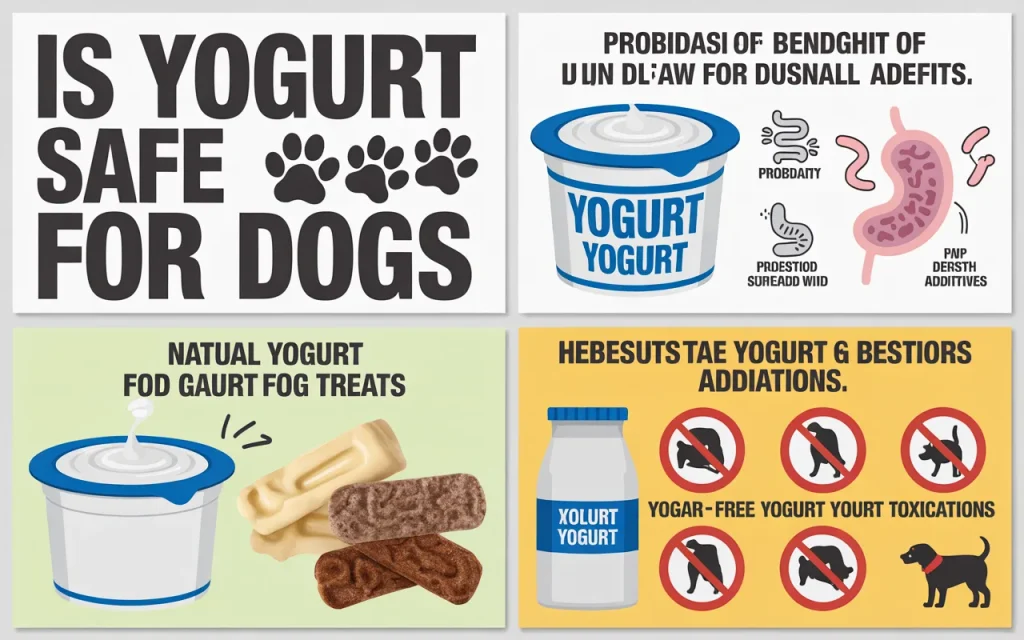
So, is yogurt safe for dogs? We have learned that the answer is a qualified yes. Plain yogurt with live and active cultures is a healthy, safe treat for most dogs. It provides probiotics, calcium, and protein. It can be a fun addition to their diet when given in moderation.
The most important takeaway is to be a label detective. Always choose plain, unsweetened yogurt. Never give your dog yogurt that contains xylitol, added sugars, or artificial flavors. Watch your dog for the first time you give it to them. Their stomach will tell you if it is a good fit.
By following these simple guidelines, you can safely share a healthy snack with your best friend. That little spoonful of yogurt can be a moment of connection and a boost to their health, all at the same time.