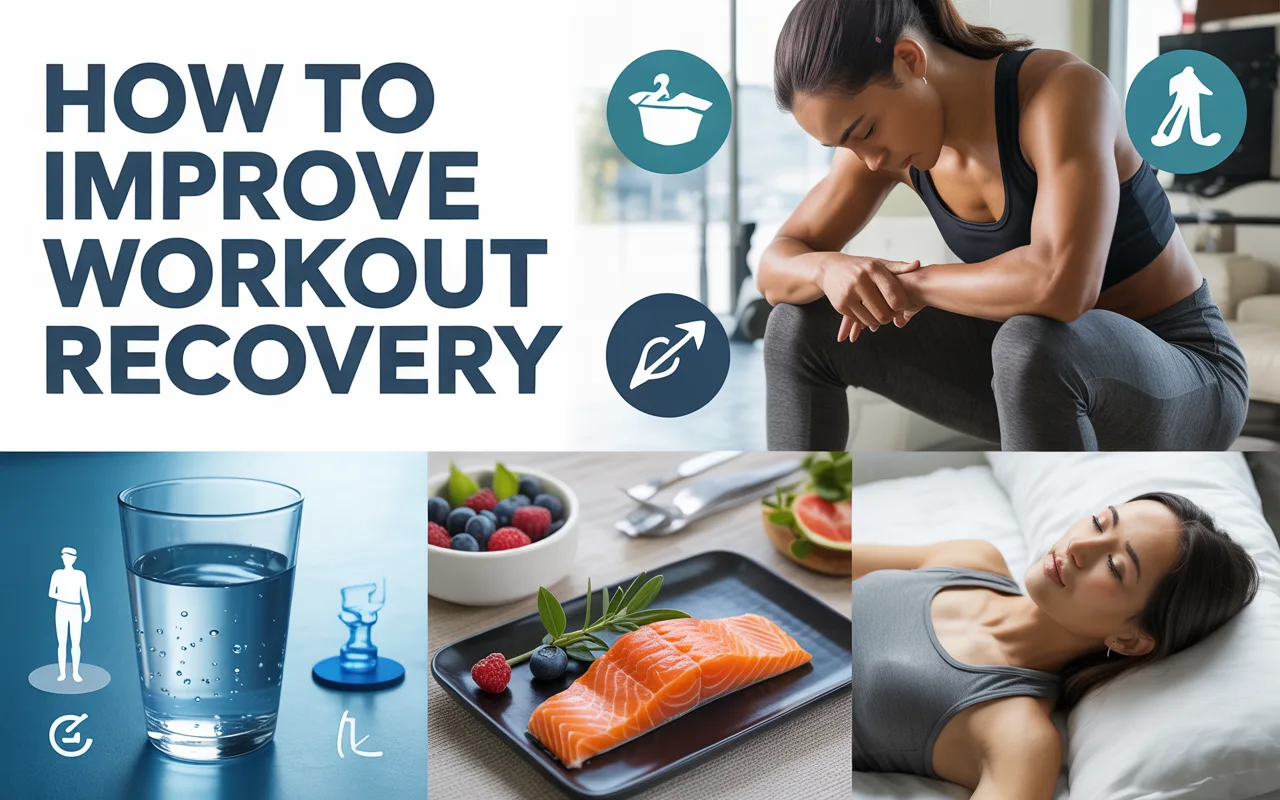
Learn exactly how to improve workout recovery with simple, science-backed methods. This guide covers sleep, nutrition, active recovery, and proven techniques to help you feel better and perform stronger.
Have you ever left the gym feeling strong, only to wake up the next morning barely able to walk down the stairs? We have all been there. That stiff, achy feeling after a good workout is normal, but it does not have to take over your life. Learning how to improve workout recovery is just as important as the exercise itself. When you recover well, you come back stronger, you avoid injuries, and you actually enjoy moving your body.
Many people focus only on the workout part. They push hard, sweat a lot, and then wonder why they feel tired all the time. The truth is simple. Your muscles do not grow during the workout. They grow after, when you rest and recover. So if you want better results, you must pay attention to what happens between your gym sessions.
In this article, we will talk about real, practical ways to improve workout recovery. No fancy gadgets needed. Just simple habits that work. Whether you lift weights, run, play sports, or just want to feel less sore after exercise, these tips are for you.
Why Recovery Matters for Your Fitness Goals
When you exercise, you create small tears in your muscle fibers. This sounds bad, but it is actually a good thing. Your body repairs these tears, and the muscles grow back stronger and bigger. But this repair process takes time and the right conditions. If you do not give your body what it needs, the repair slows down. You stay sore longer. You feel tired. And your progress stalls.
Recovery is not just about feeling less sore. It is about being ready for your next workout. When you properly improve workout recovery, you show up with more energy. You lift heavier. You run faster. You feel more motivated. Good recovery also keeps your immune system strong. Intense exercise can temporarily weaken your body’s defenses. Rest helps bring them back up.
Another big reason to focus on recovery is injury prevention. Tired muscles do not work as well. Your form gets sloppy. You might pull something or strain a joint. Taking time to recover keeps you safe and consistent. And consistency is what really brings results over time.
Sleep Is the Best Way to Improve Workout Recovery
Let us start with the most powerful recovery tool you already have. Sleep. You cannot out-train bad sleep. It is that simple. During deep sleep, your body releases growth hormone. This hormone helps repair muscle tissue and build new cells. Without enough sleep, this process gets cut short.
Most adults need between seven and nine hours of quality sleep each night. But it is not just about the hours. The quality matters too. If you wake up often during the night, your body does not get enough deep sleep. Try to make your bedroom cool, dark, and quiet. Put your phone away an hour before bed. The blue light from screens can trick your brain into thinking it is still daytime.
A simple bedtime routine helps a lot. Maybe you read a book, take a warm shower, or do some light stretching. Find what works for you and stick with it. When you consistently get good sleep, you will notice that you improve workout recovery without even trying. Your soreness goes away faster. Your energy stays higher. It is the foundation that everything else builds on.
“Sleep is the golden chain that ties health and our bodies together.” – Thomas Dekker
Nutrition Fuels Your Recovery Process
What you eat after exercise makes a big difference. Think of food as the building materials your body uses to fix muscles. If you do not give it the right materials, the repair job takes longer and might not be as good.
Protein Helps Rebuild Muscle
Protein is essential for muscle repair. When you work out, you break down protein in your muscles. Eating protein after exercise gives your body the amino acids it needs to build everything back up. Good sources include chicken, fish, eggs, Greek yogurt, beans, and tofu.
Try to eat a meal with protein within two hours after your workout. This timing is often called the recovery window. Your muscles are especially ready to use nutrients during this time. You do not need a protein shake if you prefer real food. Both work well. Just make sure you get some protein in.
Carbs Restore Your Energy
Carbohydrates are also important. During exercise, your body uses stored carbs called glycogen for fuel. After your workout, those stores are low. Eating carbs helps fill them back up. This is especially important if you do another workout the next day.
Good carb choices after exercise include rice, potatoes, oats, fruit, and whole grain bread. Combining carbs with protein is a great strategy. For example, a chicken and rice bowl, or a banana with peanut butter. This combo helps you improve workout recovery by giving your body both fuel and building blocks.
Hydration Is Non-Negotiable
Water plays a huge role in recovery. Your muscles are about 75% water. When you sweat during exercise, you lose fluids. Even mild dehydration can make you feel more tired and sore. It can also slow down the removal of waste products from your muscles.
Drink water throughout the day, not just during your workout. After exercise, keep drinking until your urine is light yellow. If you had a very sweaty workout, you might need electrolytes too. Coconut water or electrolyte drinks can help replace what you lost. But for most people, plain water works just fine.
Active Recovery Keeps You Moving
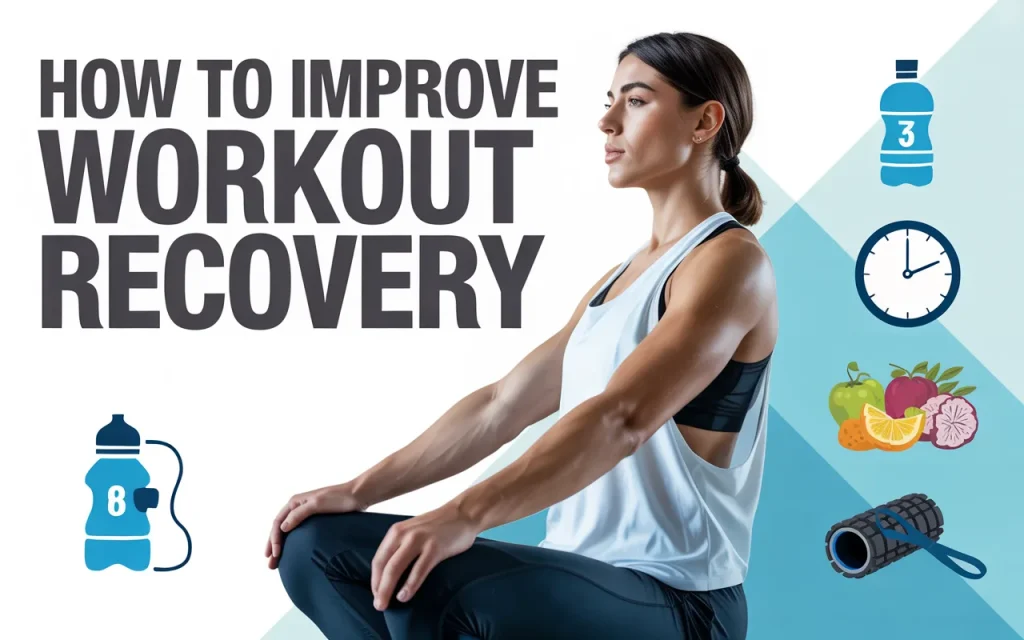
Active recovery means doing light movement on your rest days. It is different from sitting on the couch all day. The goal is to increase blood flow to your muscles without adding more stress. More blood flow brings oxygen and nutrients to the muscles. It also helps flush out waste products that build up during exercise.
Good active recovery activities include walking, gentle yoga, swimming, or cycling at a very easy pace. The key word is easy. You should not feel out of breath or tired. Just move your body enough to feel loose and relaxed.
Many people skip active recovery because they think rest means doing nothing. But light movement actually helps you improve workout recovery faster than complete rest. It reduces stiffness and keeps your joints moving well. Plus, it feels good to move without pushing hard. Your body will thank you.
Stretching and Mobility Work
Stretching often gets overlooked, but it plays a big role in how you feel after exercise. When muscles are sore and tight, they do not move as well. Stretching helps maintain your range of motion and can reduce muscle tension.
There are two good times to stretch. First, after your workout when your muscles are warm. This is a great time for static stretching, where you hold a position for 15 to 30 seconds. Second, on rest days as part of active recovery. You can do gentle stretches to keep everything loose.
Foam rolling is another tool that many people find helpful. It is like giving yourself a massage. Rolling helps release tight spots in the muscles and can improve blood flow. It might feel a little uncomfortable at first, but it should not be extremely painful. Start slowly and breathe through it.
“Take care of your body. It’s the only place you have to live.” – Jim Rohn
Listen to Your Body’s Signals
One of the best skills you can develop is learning to listen to your body. It tells you when something is wrong. You just have to pay attention. Soreness is normal. Sharp pain is not. If something hurts in a bad way, stop and rest.
Sometimes you might feel more tired than usual. Maybe you did not sleep well, or you had a stressful day at work. On those days, it is okay to take it easy. Pushing through extreme fatigue does not make you tough. It makes you more likely to get hurt or sick.
Learning the difference between good pain and bad pain takes practice. But over time, you will get better at knowing when to push and when to rest. This self-awareness helps you improve workout recovery because you catch problems early before they turn into injuries.
Table 1: Quick Guide to Recovery Methods
| Recovery Method | How It Helps | Easy Ways to Do It |
|---|---|---|
| Sleep | Repairs muscle tissue, balances hormones | Stick to a bedtime routine, keep room dark |
| Protein | Rebuilds muscle fibers | Eat eggs, chicken, or beans after workouts |
| Hydration | Transports nutrients, removes waste | Drink water all day, not just during exercise |
| Active Recovery | Increases blood flow, reduces stiffness | Take a walk or do gentle yoga on rest days |
| Stretching | Maintains flexibility, releases tension | Stretch warm muscles after your workout |
Manage Stress for Better Recovery
Stress affects your whole body, including how well you recover from exercise. When you are stressed, your body produces a hormone called cortisol. High cortisol levels can break down muscle tissue and slow down repair. It can also mess with your sleep and digestion.
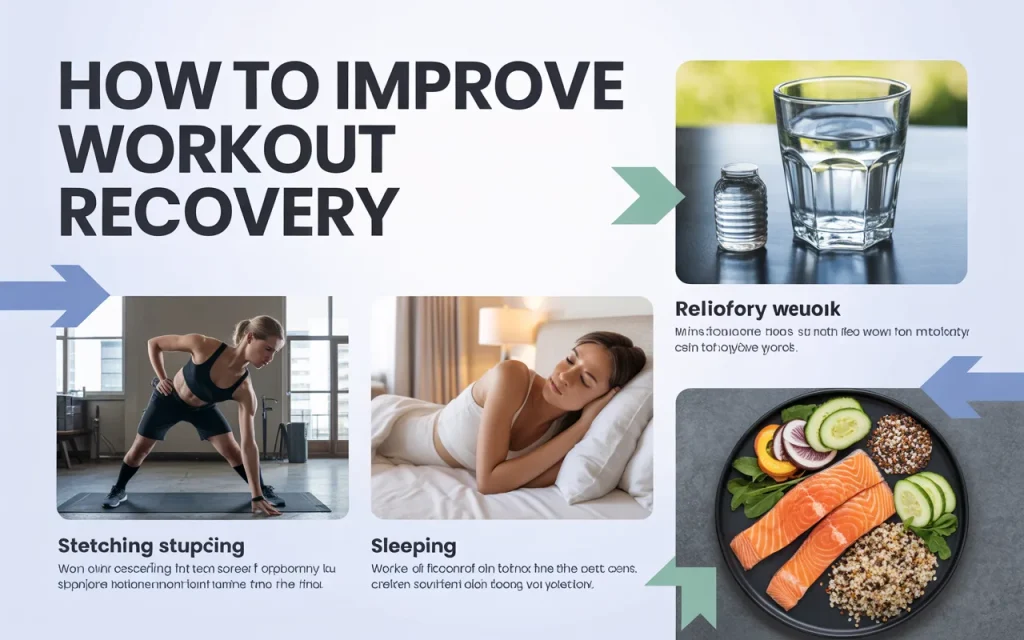
Finding ways to manage daily stress helps you improve workout recovery indirectly. This might mean taking a few minutes to breathe deeply, going for a walk outside, or talking to a friend. Even small breaks during the day can lower your stress levels.
Some people find that meditation or mindfulness helps. Others prefer reading, listening to music, or spending time on a hobby. The key is to do something that helps you relax and disconnect from pressures. Your body recovers better when your mind is calm.
Consistency Beats Perfection
When you are trying to improve workout recovery, remember that small steps add up. You do not have to do everything perfectly. Maybe you focus on getting more sleep this week. Next week, you work on drinking more water. Over time, these small habits become part of your routine.
Consistency matters more than perfection. If you miss a day of stretching or eat a not-so-great meal after a workout, it is not a big deal. Just get back on track the next day. Recovery is a long-term game. The goal is to build habits that you can keep up for years, not just for a few weeks.
Celebrate the small wins. Notice how you feel when you sleep well or eat a good post-workout meal. Pay attention to the days when you wake up feeling fresh and ready to go. These positive feelings will motivate you to keep going.
“It does not matter how slowly you go as long as you do not stop.” – Confucius
Table 2: Signs You Need More Recovery Time
| Physical Signs | Mental Signs | What To Do |
|---|---|---|
| Persistent muscle soreness | Lack of motivation | Take an extra rest day |
| Feeling tired all the time | Irritability or mood swings | Focus on sleep quality |
| Frequent minor injuries | Trouble concentrating | Reduce workout intensity |
| Getting sick often | Dreading your workouts | Try active recovery only |
| Poor workout performance | Feeling mentally drained | Check nutrition and hydration |
Frequently Asked Questions
How long should I wait between workouts for the same muscle group?
Most experts suggest waiting 48 hours before working the same muscles hard again. This gives your body time to repair and strengthen. Light activity is fine during this time.
Can I improve workout recovery without changing my diet?
You can see some improvement with better sleep and stress management. But diet plays a big role. Eating enough protein and staying hydrated will speed up your results.
Is it bad to stretch cold muscles before exercise?
Yes, stretching cold muscles can lead to injury. Save deep stretching for after your workout when muscles are warm. Before exercise, do light warm-up movements instead.
Do ice baths really help with recovery?
Some athletes find ice baths helpful for reducing inflammation after very hard workouts. For most people, they are not necessary. Gentle movement and proper nutrition work well.
How do I know if I am overtraining?
Signs include constant fatigue, mood changes, trouble sleeping, and getting sick more often. If you notice these, take a few days of complete rest and see how you feel.
Conclusion
Learning how to improve workout recovery does not have to be complicated. It comes down to a few simple things that you already have control over. Sleep well. Eat protein and carbs after exercise. Drink enough water. Move lightly on rest days. Stretch when you can. And pay attention to what your body tells you.
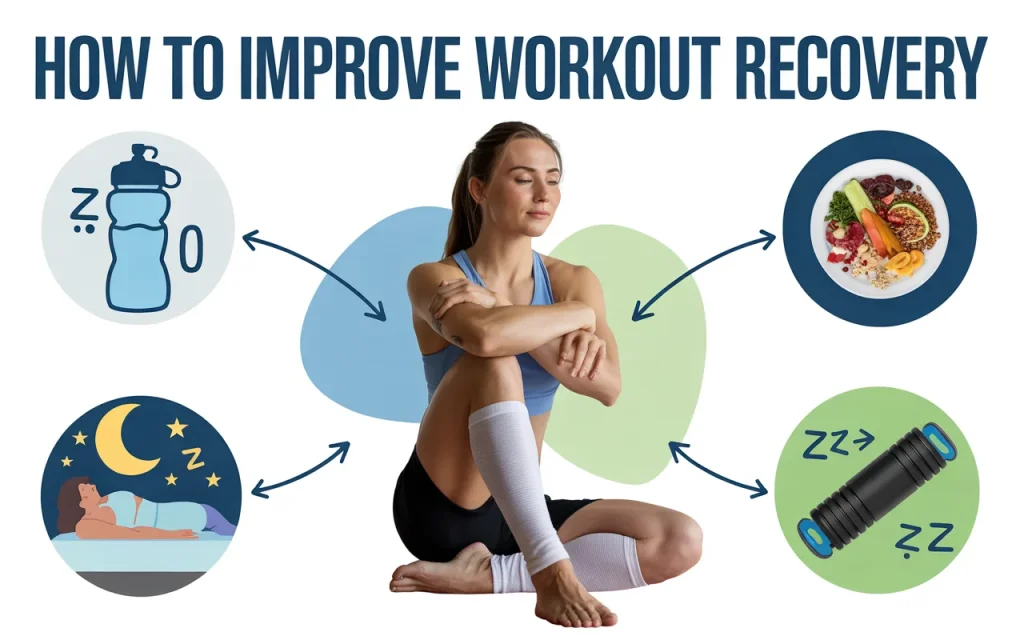
The best recovery plan is the one you can stick with. You do not need expensive gadgets or complicated routines. Just consistent, simple habits that support your body’s natural healing process. When you recover well, you feel better, perform better, and actually enjoy your workouts more.
Start with one small change today. Maybe go to bed thirty minutes earlier. Or drink an extra glass of water after your next workout. Small steps lead to big results over time. Your body works hard for you. Give it the care it deserves, and it will keep taking you where you want to go.