
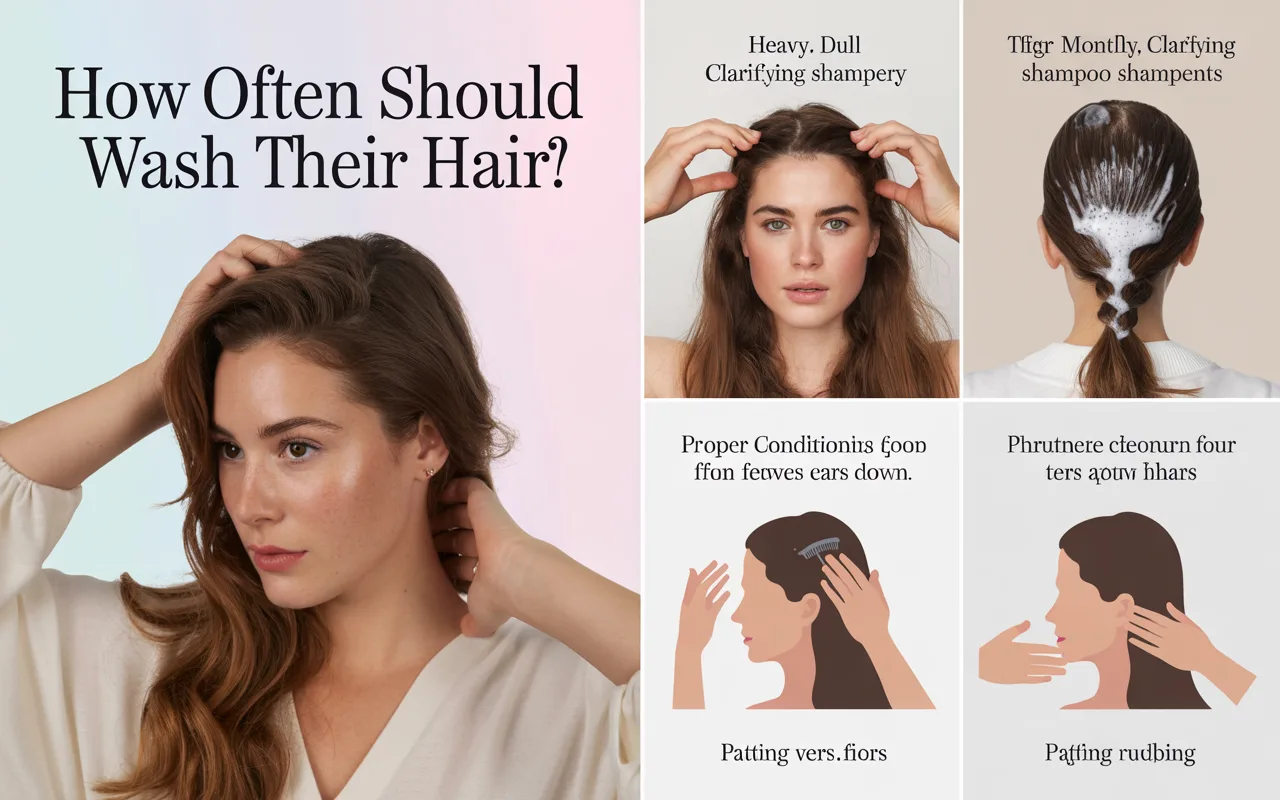
Find out how often should women wash their hair based on your hair type, lifestyle, and scalp needs. Expert tips for healthy, beautiful hair every day.
Do you ever stand in the shower staring at your shampoo bottle and wonder, “Is today the day?” You are not alone. This simple question about how often should women wash their hair causes confusion everywhere. Some people wash daily. Others go a week or more. Who is right?
The truth is, there is no single answer that works for everyone. Your hair is unique. Your life is unique. Your schedule is unique. So why would your washing routine be the same as your best friend’s?
Let’s talk about real hair. Real life. Real solutions. No complicated science words. No strict rules that leave you frustrated. Just honest help for your hair.
Why This Question Matters So Much
Your hair says a lot about you. When it looks good, you feel good. When it looks flat or greasy, your whole mood can change. Getting the washing schedule right changes everything.
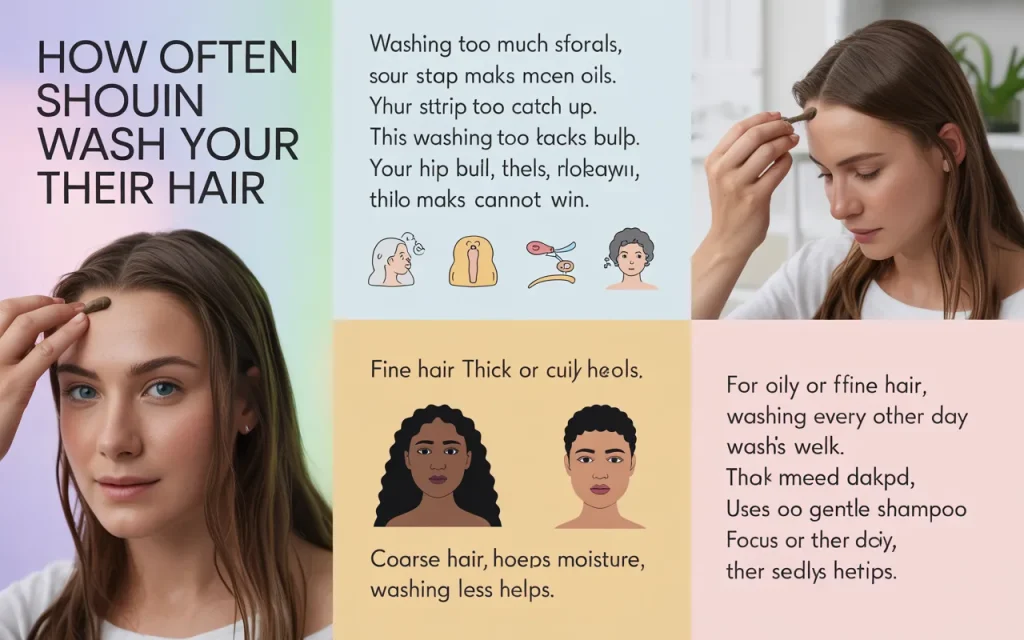
Washing too much strips natural oils. Your scalp then makes more oil to catch up. This starts a cycle you cannot win. Washing too little leaves buildup. Your hair looks dull. It feels heavy. It might even smell.
Finding your personal answer to how often should women wash their hair brings balance. Your scalp stays healthy. Your hair looks its best. You save time and money on products. Plus, you stop worrying about it. That freedom feels great.
What Really Determines Your Wash Schedule
Before we get to numbers, let’s look at what affects your hair. Four main things decide your perfect washing plan.
Your Scalp Type
Is your scalp oily, dry, or normal? Oily scalps need more washing. Dry scalps need less. This is the biggest factor of all.
Your Hair Texture
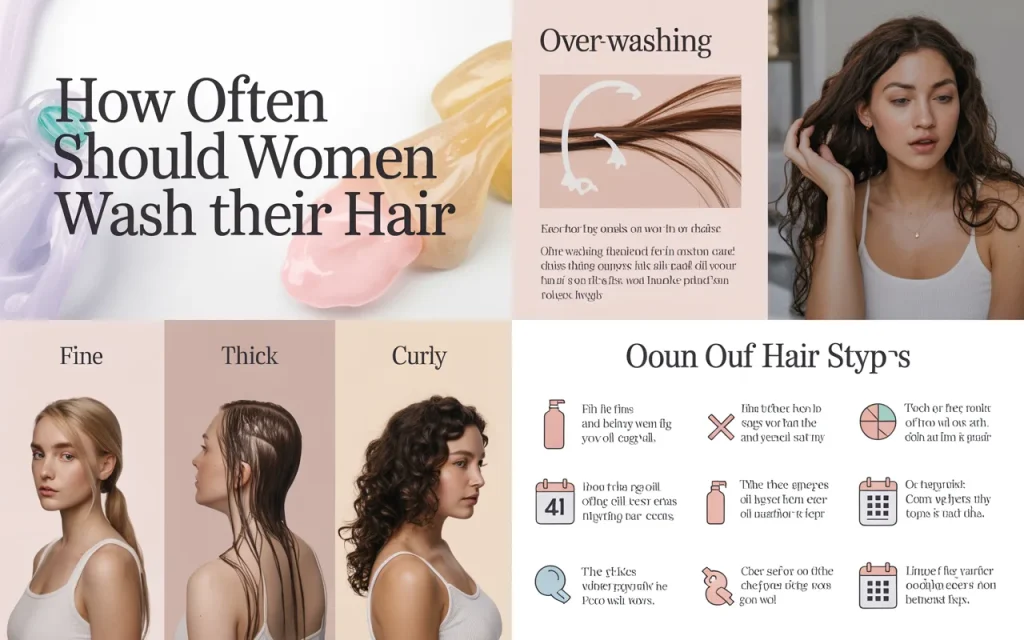
Fine hair shows oil faster. Thick or curly hair hides oil longer. Coarse hair needs more moisture, so washing less helps.
Your Lifestyle
Do you sweat at the gym? Work outside? Live in a humid place? These things matter. They push you toward more washing.
Your Styling Habits
Heat tools change your hair. So do products like gels and sprays. More products often mean more washing.
How Often Should Women Wash Their Hair by Type?
Let’s get specific. Here is a simple guide based on real hair types. Find yours and see where you land.
Oily Hair and Fine Hair
If your hair looks greasy by lunchtime on day two, you have oily hair. Fine hair also shows oil fast because the strands are thin.
For oily or fine hair, washing every other day works well. Sometimes you might need daily washing. That is okay. Use a gentle shampoo. Focus on the scalp, not the ends. The ends stay drier naturally.
Table 1: Oily and Fine Hair Washing Guide
| Hair Condition | Suggested Wash Frequency | Helpful Tips |
|---|---|---|
| Very oily | Every 24-48 hours | Use dry shampoo on no-wash days |
| Moderately oily | Every 2-3 days | Massage scalp well when washing |
| Fine with normal oil | 3 times per week | Avoid heavy conditioners near roots |
| Fine with dry ends | 2-3 times per week | Condition only the bottom half |
Curly, Coily, and Textured Hair
Curly hair needs love. The natural oils from your scalp take time to travel down curly strands. This means the ends stay drier. Washing too much makes this worse.
For curly and coily hair, washing once a week works for many. Some go up to two weeks. Listen to your hair. If it feels dry, stretch the time. If your scalp itches, wash sooner.
Dr. Jasmine Harris, Trichologist, says: “Curly hair textures need the natural oils to travel down the hair shaft. Washing too often interrupts this process. I tell my clients with type 3 and 4 hair to wait at least five to seven days between washes whenever possible.”
Straight and Wavy Hair
Straight hair shows oil fast. The oil slides right down. Wavy hair sits in the middle. It gets some oil but not as fast as straight hair.
For straight hair, washing every two to three days works. For wavy hair, three to four days between washes feels right. You can adjust based on how your hair looks and feels.
Color-Treated Hair
Color costs money. You want it to last. Washing less helps keep color bright. Each wash pulls out some color molecules.
For color-treated hair, stretch washes as long as you can. Two to three times per week is common. Use cool water when you wash. Hot water opens the cuticle and releases color. Cold water helps seal it in.
A Simple Table for Quick Reference
Table 2: Wash Frequency by Hair Type
| Hair Type | How Often Should Women Wash Their Hair? | Key Point |
|---|---|---|
| Oily or fine | Every 1-2 days | Focus shampoo on scalp |
| Normal | Every 2-3 days | Adjust for activity level |
| Dry or damaged | Every 3-4 days | Use moisturizing products |
| Curly or coily | Every 5-7 days | Co-wash in between if needed |
| Color-treated | 2-3 times per week | Cold water rinse helps |
| Thick or coarse | Every 3-5 days | Condition ends well |
What Happens Between Washes?
The days between washing matter too. This is where you keep hair looking fresh.
Dry Shampoo Is Your Friend
Dry shampoo soaks up oil. It adds volume. It gives you another day or two. Spray it at night before bed. This lets it work while you sleep. In the morning, brush through. Your hair looks clean and fresh.
Nighttime Protection
Cotton pillowcases pull moisture from hair. They cause tangles. Switch to silk or satin. Your hair slides instead of snags. In the morning, less frizz means a better hair day.
Quick Refreshes
A little water on your ends can wake up curls. A quick blow-dry on cool can lift roots. Sometimes just brushing redistributes natural oils from scalp to ends. Try these before reaching for shampoo.
Signs You Are Washing Too Much or Too Little
Your hair talks to you. You just need to listen.
Signs You Wash Too Often
- Hair feels dry or straw-like
- Ends look split or broken
- Scalp itches or feels tight
- Color fades fast
- Hair has no volume or bounce
Signs You Wash Too Little
- Scalp feels itchy or flaky
- Hair looks greasy at the roots
- Buildup makes hair dull
- Hair feels heavy or sticky
- There is a smell even after styling
Michelle Reyes, Celebrity Stylist, shares: “I ask clients to pay attention to day three hair. If it still looks fresh and moves well, you have room to stretch. If it looks flat and feels greasy, you have hit your limit. That sweet spot between clean and overwashed is different for everyone.”
How Your Life Changes Your Wash Schedule
Life happens. Your routine should flex with it.
Exercise and Sweat
Working out changes things. Sweat on your scalp needs washing. But you do not always need full shampoo. Sometimes just rinse with water. Use conditioner only. This is called co-washing. It cleans without stripping.
Seasons and Weather
Summer brings heat and humidity. You might wash more. Winter brings dry air. You might wash less. Pay attention to how your hair reacts to weather changes. Adjust as needed.
Travel and Stress
Travel messes with hair. Different water. Different climate. Stress changes oil production too. Be kind to yourself during busy times. Your hair might need different care. That is normal.
The Right Way to Wash Your Hair
When you do wash, do it right. This makes each wash count.
Start with wet hair. Warm water opens the cuticle. Put shampoo on your scalp only. Use fingertips, not nails. Scrub gently in circles. This cleans without damage.
Rinse well. Then condition. Put conditioner on ends only. Leave it a minute. Rinse with cool water to seal everything.
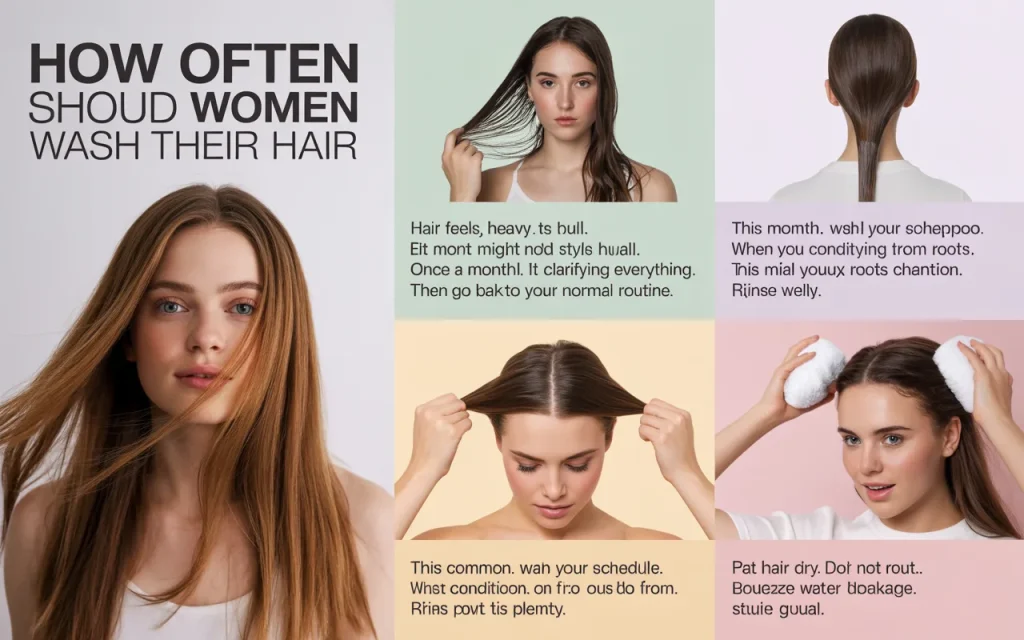
Pat hair dry with a towel. Do not rub. Rubbing causes breakage. Squeeze out water gently. Then style as usual.
Dr. Lisa Park, Dermatologist, explains: “Many women damage hair by scrubbing the entire length with shampoo. The ends are oldest and most fragile. They do not need the same cleaning as the scalp. Focus shampoo at the roots. Let the rinse water carry a small amount down as you wash it out. That is enough.”
Special Situations and Questions
Let’s cover some common questions women ask.
What About Oily Roots and Dry Ends?
This is common. Wash on your scalp schedule. When you condition, keep it away from roots. Put conditioner on from ears down. Rinse well. The small amount that runs over roots is plenty.
Can I Train My Hair to Need Less Washing?
Some say yes. Some say no. Your scalp makes oil based on hormones and genetics. But you can stretch between washes. Start adding one extra day. Use dry shampoo. After a few weeks, your scalp may adjust. It might make slightly less oil. Give it time.
How Do I Know If I Have Product Buildup?
Hair feels heavy. It looks dull. It might not hold style well. Once a month, use a clarifying shampoo. This resets everything. Then go back to your normal routine.
Should Men and Women Wash Differently?
Not really. Scalp type matters more than gender. Hair texture matters more than gender. Use the guides above no matter who you are.
Products That Help You Go Longer Between Washes
You do not need fancy things. A few basics help a lot.
Dry Shampoo – Saves the day when hair looks oily. Keep one in your bag.
Boar Bristle Brush – Moves oil from scalp down the hair. This spreads natural moisture. It makes ends look better.
Silk Pillowcase – Less friction means less frizz. Hair stays smooth longer.
Clarifying Shampoo – Use once or twice a month. Removes buildup from products and hard water.
Leave-In Conditioner – Gives ends moisture without weighing down roots.
Building Your Personal Hair Washing Plan
You have all the pieces. Now put them together.
Start with your hair type from the tables above. Try that schedule for two weeks. See how it feels. If your scalp feels good and hair looks good, keep going. If not, adjust by one day. Add a day between washes or remove a day. Small changes make big differences.
Write down what works. Your hair changes over time. Hormones shift. Seasons change. Age matters. What works at twenty might not work at forty. Keep checking in with your hair.
Frequently Asked Questions
How often should women wash their hair if they use many styling products?
More products mean more buildup. You might need to wash more often. Or use a clarifying shampoo once a week. This removes residue without overwashing daily.
Can I just rinse my hair with water on non-wash days?
Yes. Water rinsing removes some sweat and dust. It does not strip oils like shampoo. This works well between full washes. Just avoid hot water.
How often should women wash their hair after getting extensions?
Ask your stylist. Extensions change the rules. Some need less washing. Some need more care. Follow professional advice for your specific extensions.
Does age change how often I should wash?
Yes. Hormone changes affect oil production. Younger women often have oilier scalps. After menopause, many women have drier hair. Adjust your schedule as you notice changes.
How often should women wash their hair with hard water?
Hard water leaves mineral buildup. You might need clarifying washes more often. A shower filter helps. Vinegar rinses help too. Mix one part vinegar with four parts water. Use after shampoo sometimes.
What if my scalp is itchy between washes?
Itchiness means something is wrong. You might need to wash more often. Or you might have a scalp condition. Try washing sooner. If it continues, see a doctor.
How often should women wash their hair when trying to grow it long?
Long hair needs gentle care. The ends are older and more fragile. Washing less helps protect ends. Focus on scalp cleaning. Handle ends softly. Trim regularly to prevent breakage.
Conclusion
So how often should women wash their hair? The real answer is: as often as your hair needs it. Not what a friend does. Not what a magazine says. What YOUR hair tells you.
For some, that means daily washing. For others, once a week is plenty. Both are right. Both are normal. The goal is healthy hair that makes you feel good.
Start with the guides here. Pay attention to how your hair responds. Adjust as needed. Be patient with yourself and your hair. It takes time to find the perfect rhythm.
Your hair is part of you. It changes as you change. The routine that works today might shift next year. That is okay. Stay flexible. Stay curious. And enjoy having hair that feels clean, looks beautiful, and fits your real life.
You have permission to stop worrying about this now. Find your schedule. Trust it. And get on with the things that matter more. Because hair is important. But you are more important. Healthy hair starts with a healthy attitude. You have that now. Go enjoy your day.

One Comment