
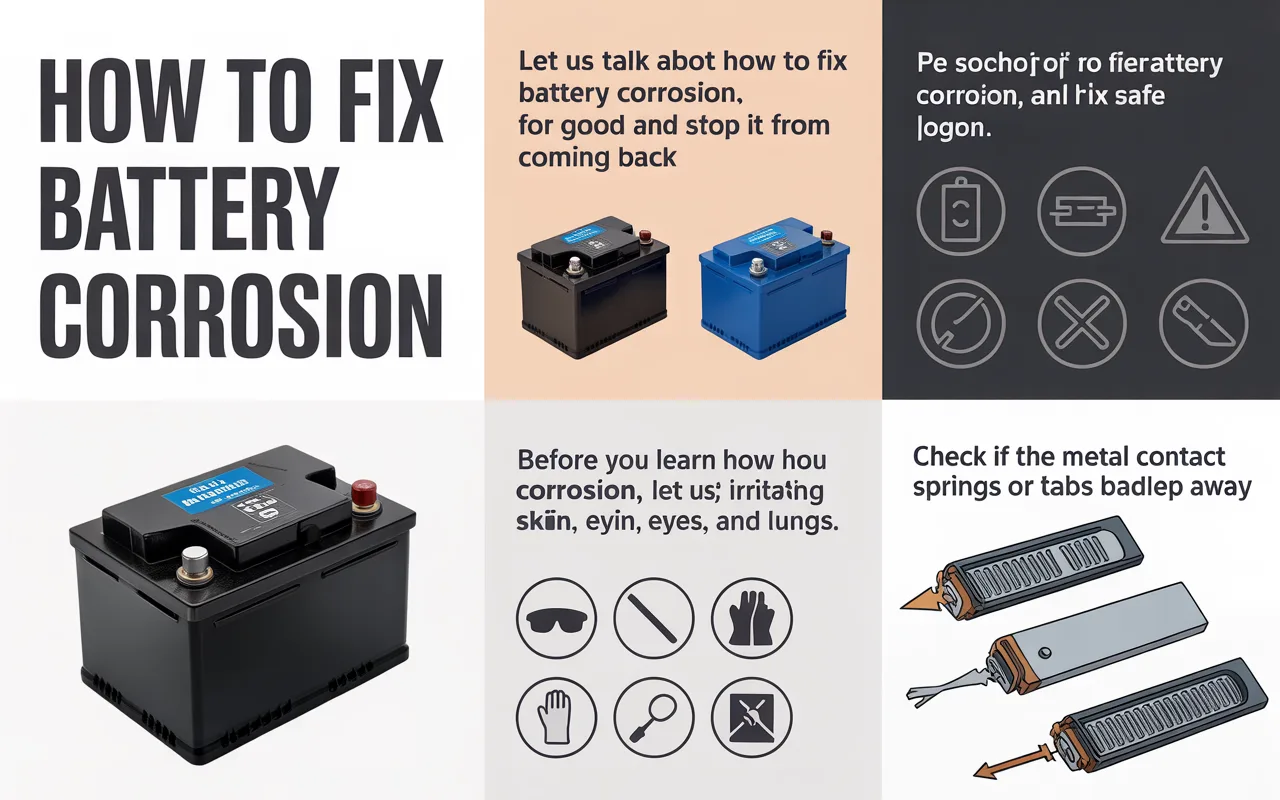
A clear guide on how to fix battery corrosion safely. Learn to clean leaky batteries in gadgets and toys with common household items. Prevent future damage with simple tips.
You open the TV remote and a crusty blue mess greets you. Or maybe the toy car won’t run and you find a white powder in the battery compartment. This is battery corrosion. It is frustrating, but do not worry. You can often fix this problem yourself. I have cleaned many leaky batteries over the years, from old flashlights to important kitchen scales. It is a common issue with a simple fix. Let us talk about how to fix battery corrosion for good and stop it from coming back.
What Is Battery Corrosion?
That crusty substance on your batteries is not just dirt. It is a chemical reaction. When a battery, especially an alkaline one, is left in a device for a long time, it can start to leak. The chemicals inside react with the air. This creates potassium carbonate. It looks like a white, bluish, or greenish fluffy powder or crust.
This gunk is bad news for your devices. It is mildly acidic and can act like an insulator. It stops electrical currents from flowing. The corrosion eats away at the metal battery contacts inside your device. This can break the circuit completely. Your device is effectively disconnected, even with new batteries.
“Preparation is the key to solving any problem well.” – Anon
The good news? If you act quickly, you can fix battery corrosion and save your device. The goal is to neutralize the acid and clean away the residue without harming the electronics.
Why Do Batteries Corrode?
Knowing why this happens helps you prevent it. Here are the main reasons:
- Old Age: Batteries have a shelf life. As they get old, the chemical reaction inside can produce gas. The battery seal breaks to release this pressure, letting chemicals leak out.
- Mixing Batteries: Never mix old and new batteries. Do not mix different brands or types, like alkaline with heavy-duty. They discharge at different rates. This can cause one battery to leak.
- Heat and Humidity: Storing devices in hot places, like a garage in summer, speeds up the chemical reactions inside a battery. This makes leaks more likely.
- Leaving Dead Batteries Inside: This is the biggest cause. A fully drained battery is more likely to leak. Always take out batteries from devices you are not using for a while.
Safety First: What You Need to Know
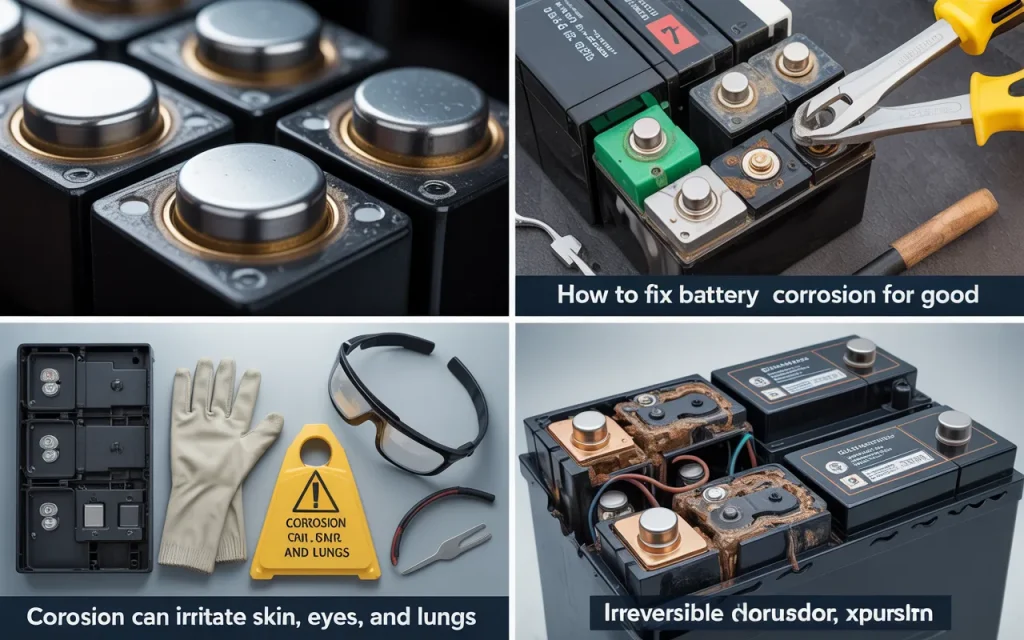
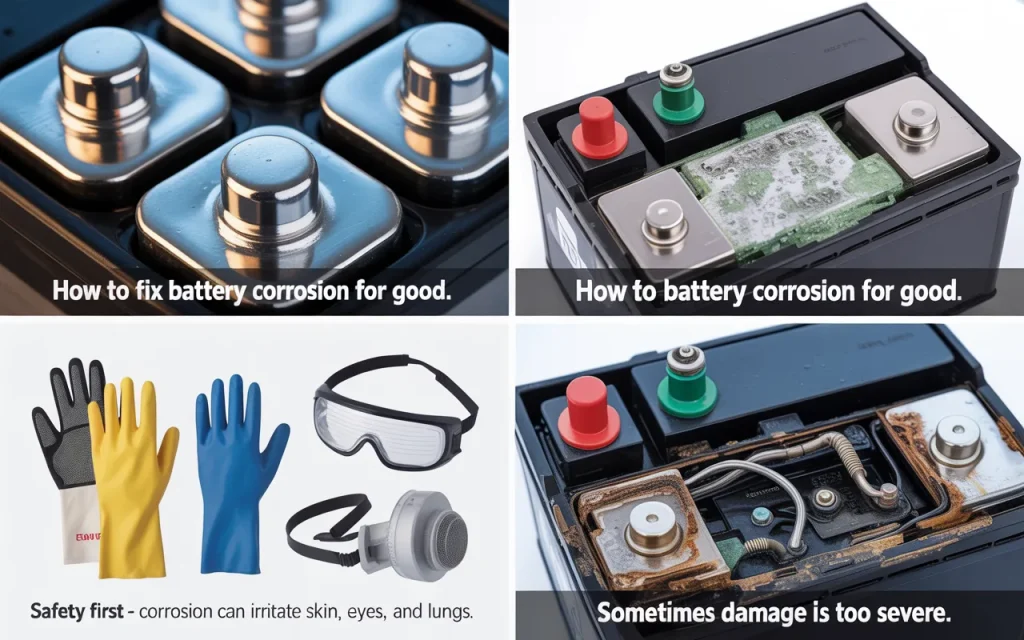
Before you learn how to fix battery corrosion, let us be safe. The corrosion can irritate your skin, eyes, and lungs.
- Wear Gloves: Use rubber or disposable gloves.
- Protect Your Eyes: Safety glasses are a good idea.
- Work in a Ventilated Area: Open a window. Do not breathe in the dust.
- Keep Kids and Pets Away: Set up your cleaning space where they cannot reach.
Tools and Materials You Will Need
You likely have most of this at home. You have two main choices for cleaning: vinegar or lemon juice for their mild acidity, or baking soda for its mild alkalinity. Both work. I often use white vinegar because it is easy to find.
Table 1: Your Cleaning Kit Options
| Item | Purpose | Notes |
|---|---|---|
| White Vinegar or Lemon Juice | Neutralizes alkaline battery leakage (common white powder). | Use a small bowl. A mild acid for a basic (alkaline) leak. |
| Baking Soda & Water | Neutralizes acidic battery leaks (less common, often from older batteries). | Make a thick paste. |
| Cotton Swabs & Old Toothbrush | Applies solution and scrubs away corrosion. | The toothbrush is great for tough spots. |
| Paper Towels | For wiping and drying. | |
| Optional: Rubbing Alcohol | Final clean to remove residue and dry fast. | Isopropyl alcohol, 70% or higher. |
Step by Step: How to Fix Battery Corrosion
Follow these steps to clean your device carefully.
Step 1: Remove the Batteries
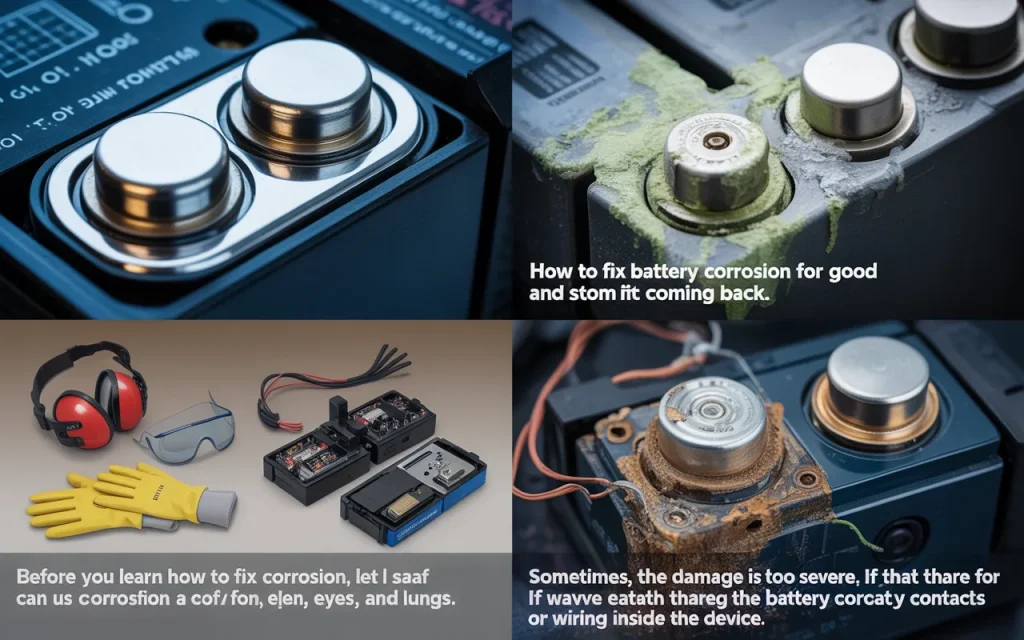
Put on your gloves and glasses. Open the battery compartment. If the batteries are stuck, gently tap the device on a table. You can also use a wooden chopstick or pencil to pry them out loose. Do not use a metal tool. Place the old, leaked batteries in a plastic bag. You will need to recycle them properly later. Do not throw them in the regular trash.
Step 2: Inspect the Damage
Look at the compartment. Is the corrosion a dry, crusty powder? Is it wet and sticky? Check if the metal contact springs or tabs are badly eaten away. If they are broken or have large holes, the repair might be harder. But mild to moderate corrosion is usually fixable.
Step 3: Neutralize and Clean
This is the main step to fix battery corrosion.
- For Standard Alkaline Leaks (White/Blue Powder): Dip a cotton swab in white vinegar or lemon juice. Dab it onto the corroded areas. You will see a little fizzing. That is good. It means the acid is neutralizing the alkaline leak. Let it sit for a minute.
- For Acidic Leaks (Rare): If you know the leak is from an older battery type, use a baking soda paste. Apply it with a swab.
Now, take your dry toothbrush and gently scrub the contacts and compartment. Loosen all the crust. Use more vinegar on your swab to wipe the gunk away onto a paper towel. Keep doing this with fresh swabs until they come out clean. Be patient.
Step 4: Dry Thoroughly
This part is very important. Any leftover moisture can cause new corrosion. Use dry paper towels to soak up extra liquid. You can use a hairdryer on a cool, low setting to help. Hold it a few inches away. For a final, sure dry, use a swab dipped in a little rubbing alcohol. Alcohol dries very fast and leaves no water behind.
Step 5: Final Check and Test
Look at the metal contacts. They should be shiny and metal-colored again. If they are dull or dark, you can gently scrape them with the edge of a butter knife or use a pencil eraser. Be very gentle. Do not break the contacts. Once everything is clean and dry, put in fresh batteries. Please use a new set from the same brand and package. Now, turn on the device. With luck, it will spring back to life.
“A little care can prevent a big problem.” – Anon
When Is a Device Beyond Repair?
Sometimes, the damage is too severe. If the corrosion has been there for years, it may have eaten through the battery contacts or wiring inside the device. If you clean it well and put in new batteries, but it still does not work, the internal circuit might be broken. For cheap items, it might be time to recycle them. For valuable items, a professional electronics repair person might be able to replace the contacts.
How to Prevent Battery Corrosion
Stopping the problem is easier than fixing it. Here are habits that work.
Table 2: Battery Care Habits
| Do This | Why It Helps |
|---|---|
| Take batteries out of devices not in use. | Stops slow leaks from damaging the device. |
| Do not mix old and new batteries. | Prevents uneven discharge that leads to leaks. |
| Use batteries from the same pack. | Ensures even performance. |
| Store batteries in a cool, dry place. | Heat and moisture ruin batteries. |
| Check device compartments every few months. | Catch a small leak before it becomes a big problem. |
Also, think about the right battery for the job. For low-drain items like wall clocks or remotes, standard alkaline are fine. For high-drain items like digital cameras or gaming controllers, consider using nickel-metal hydride (NiMH) rechargeable batteries. They are less likely to leak in the same way. Just be sure your device can use them.
Frequently Asked Questions
Can I use Coca-Cola to clean battery corrosion?
It is a common tip because Coke is acidic. But it is sticky and contains sugar. It can leave a sticky residue that attracts dirt. It is better to use plain vinegar or lemon juice, which clean and evaporate better.
Is battery corrosion dangerous to touch?
It can irritate your skin. Always wear gloves when you clean it. Wash your hands well after. Do not let it get in your eyes or mouth.
How do I dispose of corroded batteries?
Put them in a plastic bag. Take them to a battery recycling point. Many electronics stores, supermarkets, and community centers have drop-off bins. Do not put them in your regular household trash.
Will cleaning always fix my device?
Not always, but it does most of the time if you catch it early. The key is the internal contacts. If they are completely destroyed, the electrical path is broken. Cleaning cannot fix that.
Can I use aluminum foil to fix a broken battery contact?
This is a temporary fix if a contact is weak but still there. Do not wad up foil, as it could cause a short circuit. A small, smooth piece pressed in by the battery might make a connection. But for a long term fix, the contact should be replaced.
Conclusion
Finding battery corrosion does not mean the end for your favorite gadget. As you have seen, you can often fix battery corrosion with simple items from your kitchen. The process is straightforward: stay safe, neutralize the gunk, scrub it clean, and dry everything well. The real win is stopping it from happening again. Get into the habit of checking your battery powered devices. Take out batteries if you will not use the item for a month or two. Use fresh batteries from the same package. A tiny bit of care saves you money and hassle. It keeps your things working for many more years.
“The best fix is the one you never have to make.” – Anon
So next time you see that nasty white powder, do not fret. You know exactly what to do. Grab your gloves, some vinegar, and a few cotton swabs. You have the power to fix battery corrosion and bring your device back from the dead. Happy fixing.

2 Comments