
Learn clear, safe steps to fix a flat tire yourself at home or on the road. This guide explains tools, safety tips, and mistakes so you can handle a flat tire with confidence.
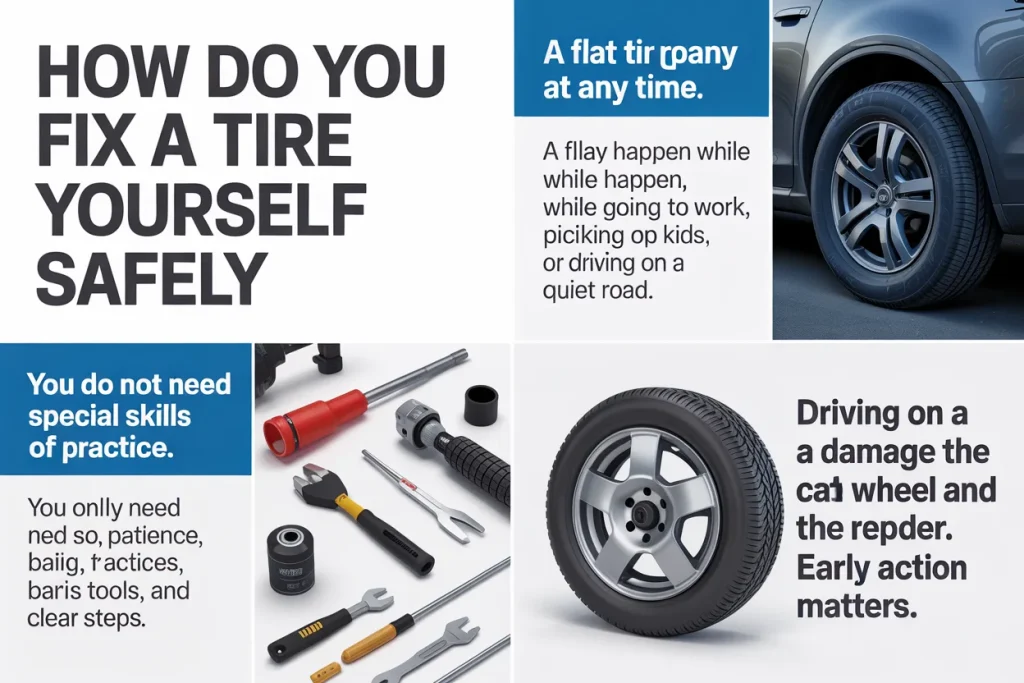
A flat tire can happen at any time. It may happen while going to work, picking up kids, or driving on a quiet road. The good news is that you can often handle the problem on your own. Learning how to fix a flat tire yourself saves time, reduces stress, and helps you stay calm in a tough moment.
This guide is written for real drivers. It uses simple words, clear steps, and real experience. You will learn how to spot the issue, choose the right method, and fix the tire safely. You do not need special skills or years of practice. You only need patience, basic tools, and clear steps.
I have helped many friends and family members fix their first flat tire. The fear is normal. The job is simpler than it looks. By the end of this article, you will know how to fix a flat tire yourself in a safe and steady way.
What Causes a Flat Tire
A flat tire happens when air escapes from the tire faster than it can be replaced. There are many reasons this can occur.
Sharp objects like nails, screws, or glass can pierce the tire. Hitting a pothole or curb can damage the sidewall. Old tires may crack and leak air. Changes in temperature can also lower tire pressure over time.
Knowing the cause helps you choose the right fix. Some damage can be repaired. Some damage means the tire must be replaced.
“Most flat tires I see are from small punctures that drivers never notice until the tire loses air.”
David Miller, Automotive Technician
Signs You Have a Flat Tire
You may feel the car pull to one side. The steering may feel heavy. You may hear a thumping sound. The ride may feel bumpy or unstable.
Sometimes the tire looks low when you stop. Sometimes a warning light appears on the dashboard. If you notice any of these signs, slow down and stop in a safe place.
Driving on a flat tire can damage the wheel and make the repair harder. Early action matters.
Safety First Before You Start
Safety always comes first. Before you try to fix a flat tire yourself, take a moment to prepare.
Pull over to a flat, solid surface away from traffic. Turn on hazard lights. Apply the parking brake. Place wheel wedges or heavy objects behind the tires to stop rolling.
Wear gloves if you have them. Keep children and pets away from the work area. Never rush. Calm steps lead to better results.
Tools You Need to Fix a Flat Tire
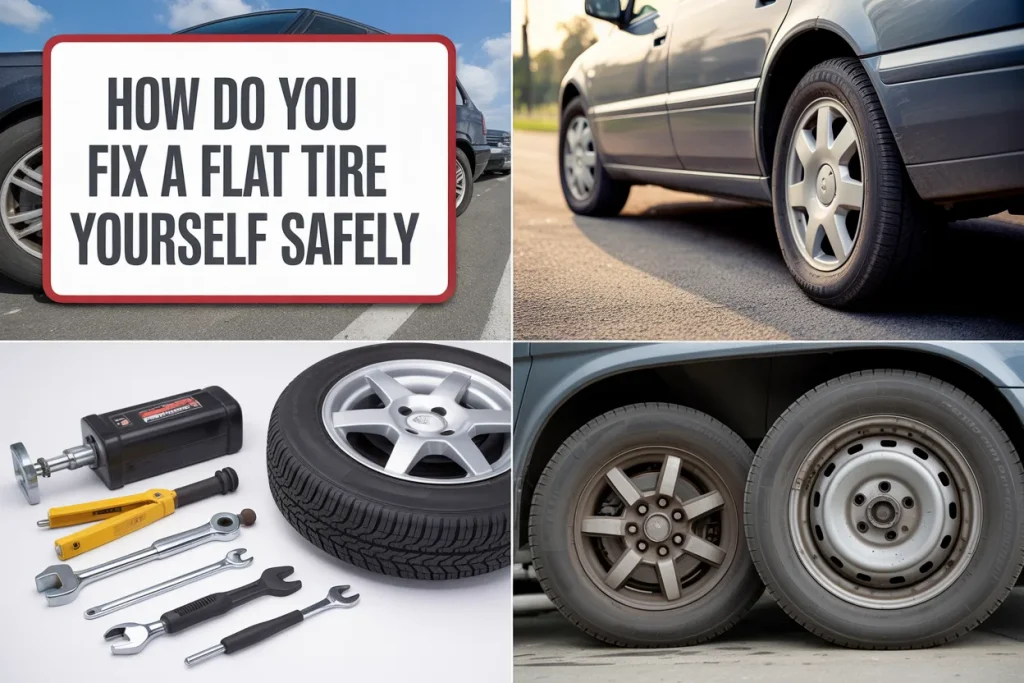
Having the right tools makes the job easier. Most cars already include basic items.
Basic tools checklist
- Spare tire or tire repair kit
- Jack
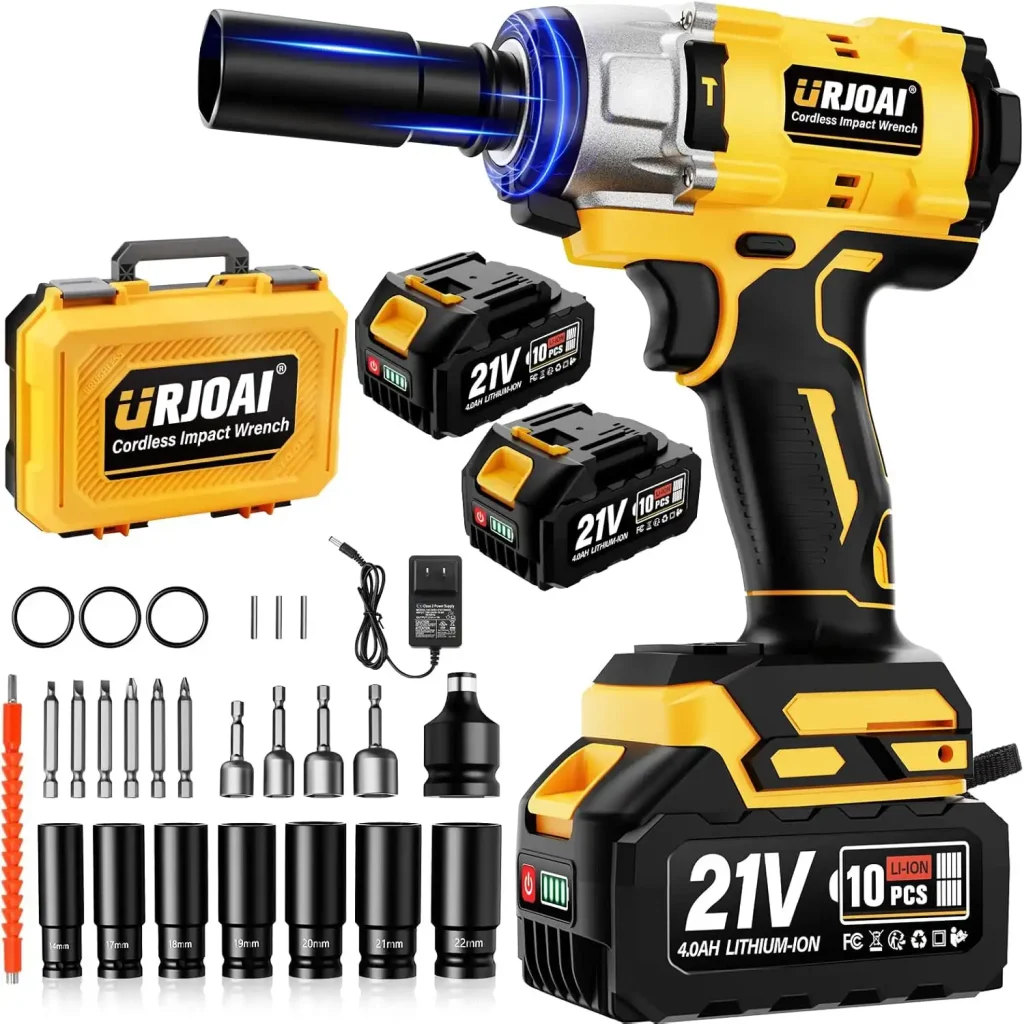
- Lug wrench
- Tire pressure gauge
- Flashlight
Some drivers also carry a plug kit or air compressor. These tools are small and easy to store.
Table 1: Common Tire Repair Tools and Use
| Tool Name | Purpose |
|---|---|
| Jack | Lifts the car safely |
| Lug wrench | Loosens and tightens lug nuts |
| Spare tire | Replaces damaged tire |
| Plug kit | Seals small punctures |
| Air compressor | Refills tire with air |
Step by Step Guide to Fix a Flat Tire Yourself
This section explains the most common method using a spare tire. Follow each step slowly.
Step 1: Loosen the Lug Nuts
Use the lug wrench to loosen the nuts slightly while the tire is still on the ground. Do not remove them yet. Turning them now prevents the wheel from spinning later.
Step 2: Lift the Car
Place the jack under the correct lifting point. This point is listed in your owner’s manual. Raise the car until the flat tire is off the ground.
Step 3: Remove the Flat Tire
Now remove the lug nuts fully. Place them in a safe spot. Pull the flat tire straight toward you and set it aside.
Step 4: Install the Spare Tire
Line up the spare tire with the wheel bolts. Push it into place. Hand tighten the lug nuts in a star pattern.
Step 5: Lower the Car
Lower the car slowly until the spare tire touches the ground. Tighten the lug nuts fully using the wrench.
Step 6: Check Tire Pressure
Use a pressure gauge to check the spare tire. Inflate if needed. Many spare tires need air before use.
This is one clear way to fix a flat tire yourself using a spare.
Using a Tire Plug Kit for Small Punctures
A tire plug kit works for small holes in the tread area. It does not work for sidewall damage.
First, find the puncture. Remove the object if present. Use the reamer tool to clean the hole. Insert the plug using the insertion tool. Trim excess material. Inflate the tire and check for leaks.
This method is quick and useful when a spare is not available.
When a Tire Sealant Can Help
Some cars come with sealant and an air pump. Sealant fills small holes and allows short distance driving.
Shake the bottle. Attach it to the valve stem. Pump air into the tire. Drive slowly to spread the sealant.
Sealant is a temporary solution. Visit a tire shop soon after.
What You Should Never Do
Never crawl under a car supported only by a jack. Never over tighten lug nuts with full body weight. Never drive fast on a spare tire.
Avoid fixing a tire on a slope or soft ground. Avoid guessing if damage looks serious. Safety always matters more than speed.
How Long Does It Take to Fix a Flat Tire Yourself
For beginners, it may take 30 to 45 minutes. With practice, many people finish in 15 to 20 minutes.
The first time feels slow. Each step builds confidence. Soon, fixing a flat tire becomes a normal skill.
Temporary Fix vs Permanent Repair
Some fixes are temporary. Some are long lasting. Knowing the difference helps protect your car.
Table 2: Temporary and Permanent Tire Fixes
| Repair Type | How Long It Lasts |
|---|---|
| Spare tire | Short distance only |
| Sealant | Few days |
| Plug repair | Medium term |
| Patch repair | Long term |
A patch installed inside the tire is the best long term fix for small punctures.
Driving After You Fix the Tire
Drive slowly at first. Listen for noise. Check handling. Stop after a few miles and recheck lug nuts.
If you used a spare tire, follow speed limits listed on the tire. Visit a tire shop soon.
Common Mistakes People Make
Many people forget to loosen lug nuts before lifting the car. Some place the jack in the wrong spot. Others forget to check spare tire pressure.
Mistakes are normal. Learning reduces stress next time.
“The biggest mistake is panic. Calm drivers do better repairs.”
Laura Chen, Road Safety Educator
How Weather Affects Tire Repairs
Rain, heat, and cold affect tire work. Wet roads reduce grip. Cold air lowers tire pressure. Hot surfaces can burn skin.
Work slowly. Use gloves. Stay aware of traffic.
Can You Fix a Flat Tire Yourself on the Highway
Yes, but only if it is safe. Pull far off the road. Use hazard lights. Stand on the side away from traffic.
If traffic is heavy or visibility is low, calling roadside help may be safer.
How Often Should You Practice Tire Changes
Practice once a year is enough. Try it in your driveway. Check that tools are complete.
Practice builds muscle memory and confidence.
Teaching New Drivers This Skill
This is a valuable skill for teens and new drivers. Show them slowly. Let them try steps.
Confidence grows through hands on learning.
“Knowing how to change a tire gives drivers real independence.”
Michael Torres, Driving Instructor
Environmental Tips for Tire Care
Keep tires properly inflated. Avoid sharp debris. Rotate tires as recommended.
Good care reduces flat tire risk.
Why Learning This Skill Matters
Learning how to fix a flat tire yourself builds independence. It saves money. It keeps you moving.
You do not need to be an expert. You only need clear steps and patience.
Frequently Asked Questions
Can I fix a flat tire yourself without a spare?
Yes, using a plug kit or sealant for small punctures. These are temporary solutions.
Is it safe to drive on a spare tire?
Yes, for short distances and low speeds. Follow tire markings.
How many times can I fix a flat tire yourself?
A tire can be repaired once or twice depending on damage and location.
What if the sidewall is damaged?
Sidewall damage means replacement is needed. Do not attempt repair.
Should I replace one tire or all?
Replacing one tire is fine if others have good tread.
Conclusion
A flat tire does not need to ruin your day. With the right steps, tools, and mindset, you can fix a flat tire yourself safely and confidently. This skill saves time, builds independence, and reduces stress during travel.
Practice once. Prepare your tools. Stay calm. The next time a flat tire happens, you will know exactly what to do.

4 Comments