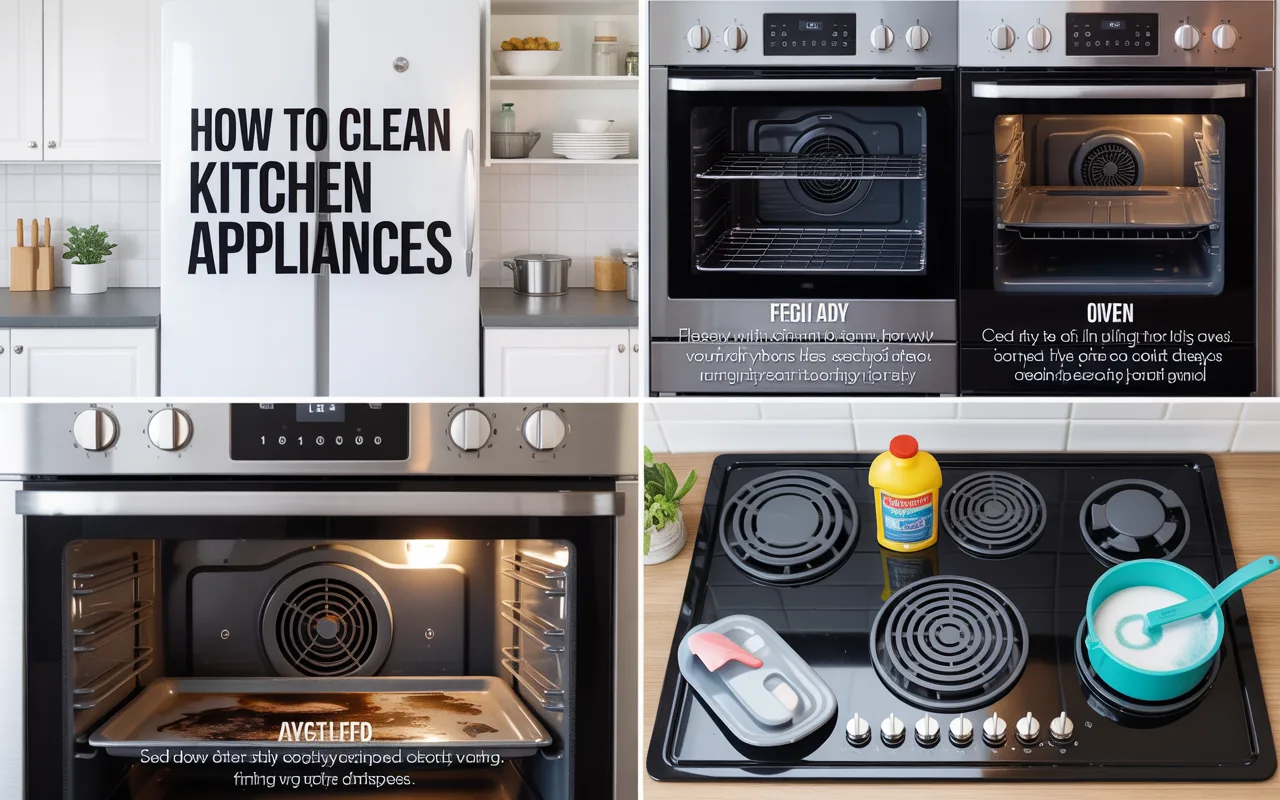
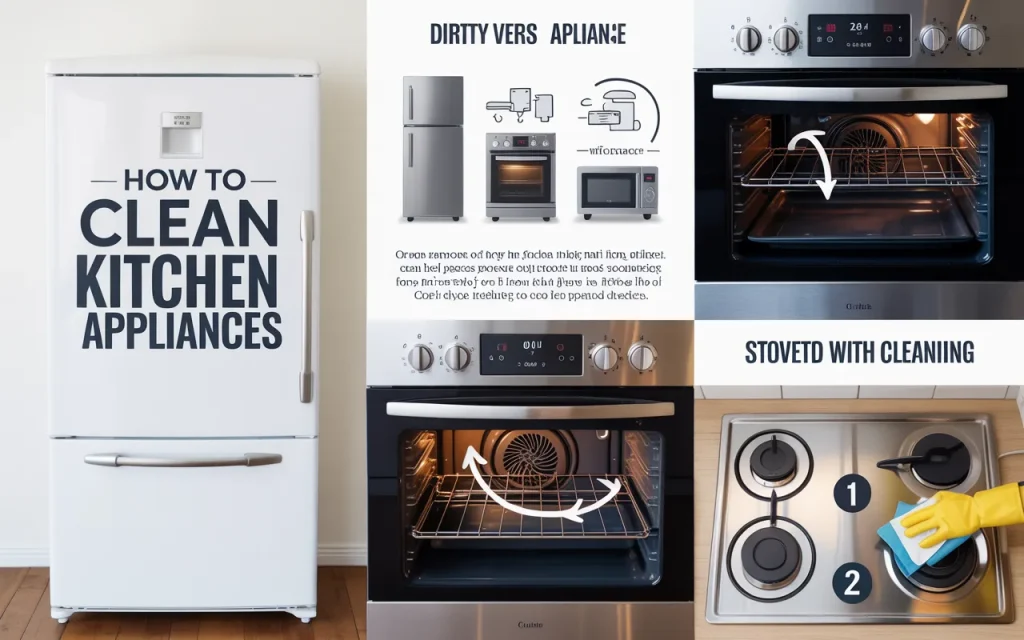
Learn exactly how to clean kitchen appliances with simple steps and everyday supplies. This guide covers ovens, fridges, microwaves, and more. Get sparkling results without harsh chemicals or hard work.
A clean kitchen feels good. It makes cooking more fun and keeps your family safe. But let us be honest. Cleaning kitchen appliances can feel like a big job. Grease builds up. Smells get trapped. Stains seem to stick forever.
I have spent years helping friends and family tackle this exact problem. I learned that the right method makes all the difference. You do not need fancy products or hours of scrubbing. You just need simple steps and a little know-how.
This guide will show you how to clean kitchen appliances using items you already own. We will cover everything from your refrigerator to your coffee maker. By the end, you will have a fresh, shining kitchen without the stress.
Why Regular Cleaning Matters
Appliances work harder when they are dirty. A dusty coil makes your fridge use more power. A greasy oven takes longer to heat. Food bits in your microwave can block waves and cook unevenly.
There is also safety. Leftover crumbs attract bugs and mice. Spills inside fridges grow mold. Even your toaster can become a fire risk if crumbs pile up.
But here is the good news. When you clean kitchen appliances on a regular schedule, you avoid these problems. Your tools last longer. Your food tastes better. And your kitchen feels like a place you want to be.
What You Will Need
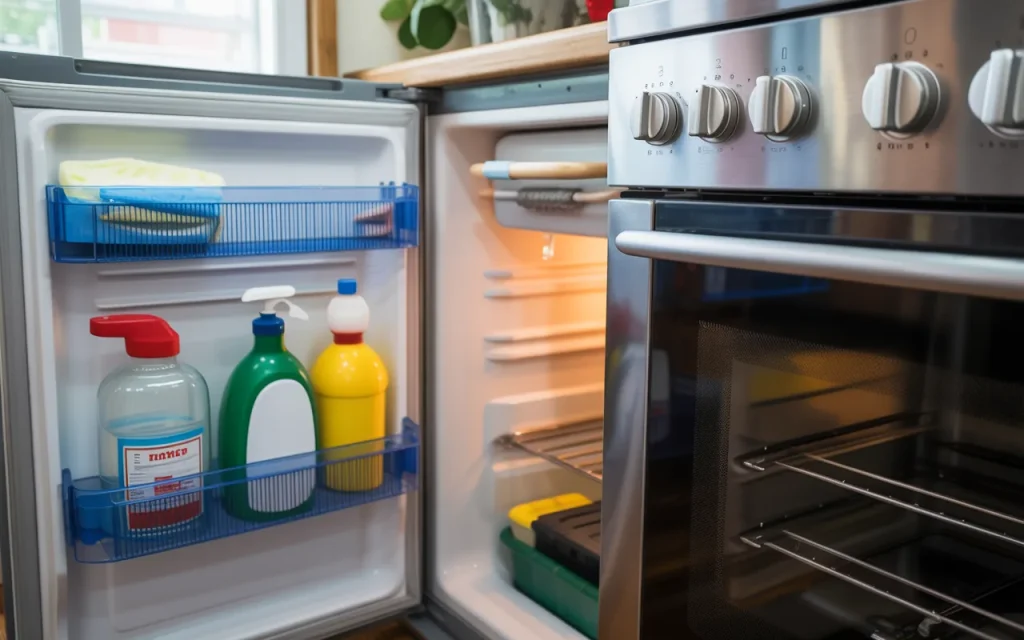
Before we start, gather these basic supplies. Most are already in your home.
Basic cleaning kit:
White vinegar
Baking soda
Dish soap
Microfiber cloths
Soft sponge
Old toothbrush
Spray bottle
Dish brush
That is it. No expensive sprays. No harsh chemicals. Just simple, safe items that work.
How to Clean Kitchen Appliances: Step by Step
I will walk you through each major appliance. Follow these steps, and you will see real results fast.
1. Oven and Stovetop
The oven is often the dirtiest appliance in the kitchen. Baked-on spills look scary, but they come off easier than you think.
For the stovetop: Let burners cool completely. Remove knobs and grates. Soak grates in hot, soapy water for 20 minutes. Wipe the surface with a vinegar-water mix. Use a toothbrush on corners. Dry with a soft cloth.
For the oven interior: Make a paste of baking soda and water. Spread it on the glass and walls. Avoid the heating element. Let it sit overnight. Spray vinegar over the paste in the morning. It will foam. Wipe clean with a damp cloth.
“I used to scrub my oven for hours until I tried the baking soda method. Now it takes ten minutes and looks brand new.” – Marta Reyes, home cook
Inside: Remove all food. Check expiration dates. Toss anything old. Wipe shelves with warm, soapy water. For sticky spots, use baking soda on a damp sponge. Rinse well. Dry completely before putting food back.
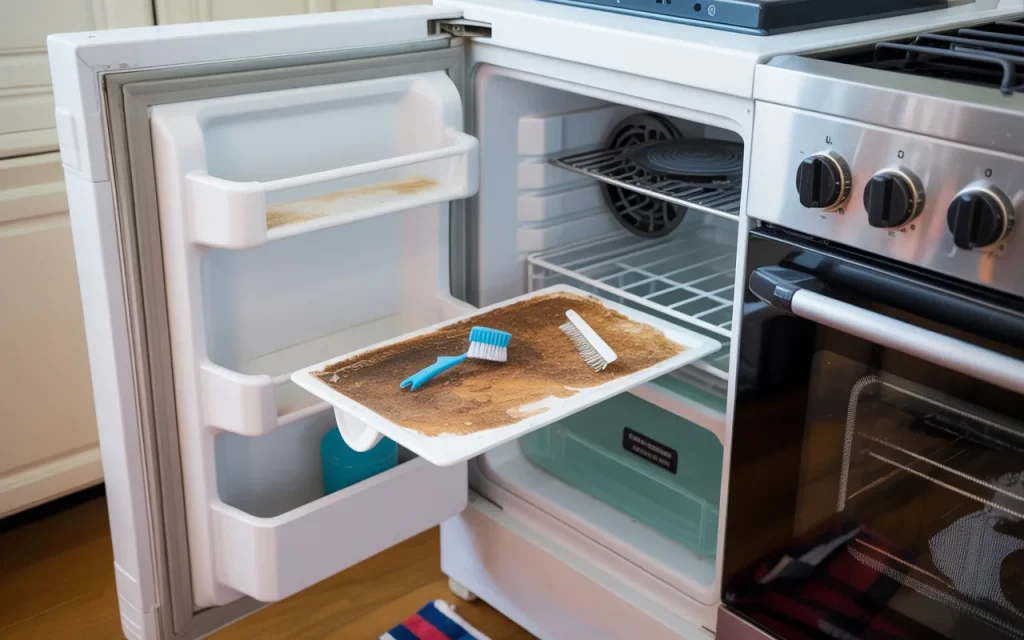
Outside and coils: Wipe handles and doors with vinegar. Dust gathers on top, so do not skip that spot. Pull the fridge out gently. Use a coil brush or vacuum to clean the back coils. This alone can lower your electric bill.
Door seals: Gently pull the rubber gasket. You will find crumbs and mold. Clean with a toothbrush and soapy water. Rinse and dry. A clean seal keeps cold air inside.
3. Microwave
Microwave messes happen fast. Food splatters and hardens like cement.
Place a bowl of water with lemon slices inside. Run the microwave for three minutes. Steam will loosen everything. Let it sit for two more minutes. Open the door and wipe clean. The turntable comes out and washes easily in the sink.
This method works every time. No scrubbing. No harsh smells.
4. Dishwasher
Your dishwasher cleans your dishes, but who cleans the dishwasher?
Pull out the bottom rack. Check the filter. Twist and lift it out. Rinse under hot water. Use a toothbrush to remove stuck bits. Wipe the door edges with vinegar. Run an empty cycle with a cup of vinegar on the top rack. This removes soap scum and odor.
5. Coffee Maker
Coffee makers grow mold and mineral scale. You cannot see it, but you taste it.
Fill the reservoir with equal parts water and vinegar. Run a brew cycle. Stop halfway and let it sit for 30 minutes. Finish the cycle. Run two more cycles with plain water. Your coffee will taste fresh again.
“I noticed my coffee tasted flat. After cleaning my machine with vinegar, the flavor came back. Now I do this once a month.” – David Chen, barista
6. Toaster and Toaster Oven
Crumbs are a fire hazard. Unplug the toaster. Shake crumbs into the sink or trash. Some models have a removable tray. Wash it in soapy water. Wipe the outside with a damp cloth. Never put metal tools inside while plugged in.
7. Blender and Food Processor
These appliances cut food into tiny pieces. Those pieces hide under the blade.
Fill the jar halfway with warm water. Add one drop of dish soap. Put the lid on. Run for 30 seconds. Rinse well. Clean the base with a damp cloth. Do not submerge the motor base in water.
Natural Cleaning Solutions vs. Store Products
You do not need a cabinet full of sprays. Most kitchen messes clean up with vinegar and baking soda.
Natural Cleaner
Best For
How To Use
White vinegar
Glass, stainless steel, deodorizing
Mix 1:1 with water in spray bottle
Baking soda
Stuck-on food, grease, odors
Make paste with water, scrub gently
Lemon juice
Cutting boards, microwaves
Heat with water or rub on surface
Dish soap
Daily spills, greasy surfaces
Few drops in warm water
Store products have strong chemicals. They work fast, but they cost more and can irritate skin. Natural cleaners are cheap, safe, and effective.
Quick Daily Habits That Save Time
You do not need to deep clean every day. But small habits keep big messes away.
Wipe spills as soon as they happen.
Run the dishwasher at night, empty it in the morning.
Keep a spray bottle of vinegar water under the sink.
Check fridge leftovers once a week.
Shake out the toaster after each use.
These tasks take less than five minutes. They also help you avoid scrubbing sessions later.
How to Clean Kitchen Appliances Made of Different Materials
Not all surfaces are the same. What works on glass can damage stainless steel. Here is a simple guide.
Stainless steel: Wipe with vinegar. Dry immediately with a soft cloth. Rub in the direction of the grain. This prevents streaks.
Glass: Vinegar spray works well. Dry with newspaper or a lint-free cloth for a streak-free shine.
Plastic: Wash with soap and water. Do not use abrasive pads. They create scratches where bacteria hide.
Ceramic and enamel: These are durable. Baking soda paste lifts stains gently. Rinse well.
“People ruin their stainless steel by scrubbing in circles. Always go with the grain. It makes a huge difference.” – Linda Park, appliance repair technician
Monthly Deep Cleaning Checklist
Set aside one hour each month for deeper work. This checklist keeps everything running well.
Appliance
Monthly Task
Time Needed
Oven
Wipe interior, check door seal
10 minutes
Fridge
Toss old food, wipe shelves
15 minutes
Microwave
Steam clean interior
5 minutes
Dishwasher
Clean filter, run vinegar cycle
10 minutes
Coffee maker
Descale with vinegar
15 minutes
Small appliances
Wipe bases, check cords
5 minutes
Stick this checklist on your fridge. It keeps you on track without feeling overwhelmed.
Common Mistakes People Make
I have seen many well-meaning cleaning efforts go wrong. Avoid these errors.
Using bleach on stainless steel. Bleach causes pitting and rust. Stick to vinegar or mild soap.
Soaking electrical parts. Never put motor bases in water. Wipe them with a damp cloth only.
Ignoring vents and filters. These parts trap grease and dust. Clean them regularly to prevent fire and keep air flowing.
Using too much soap. Soap residue builds up. It attracts more dirt. Use small amounts and rinse well.
Safe Cleaning for Homes with Kids and Pets
Your family safety matters. Strong fumes and harsh residues are not necessary.
Keep all cleaning supplies out of reach. When you clean kitchen appliances, use natural products whenever possible. Vinegar and baking soda are safe around children and animals. They leave no toxic film on surfaces where food is prepared.
Open windows while cleaning. Fresh air helps surfaces dry faster and clears any smells.
When to Call a Professional
Some jobs are too big for home cleaning. If your oven has electrical issues, call a repair person. If your fridge stops cooling, do not just clean the coils. Get help.
But for everyday dirt and grime, you can handle it yourself. You have the tools. You have the steps. You can do this.
Frequently Asked Questions
How often should I clean kitchen appliances? Wipe surfaces weekly. Deep clean ovens and fridges every three months. Clean coffee makers and microwaves monthly.
Can I use vinegar on all surfaces? Vinegar is safe for glass, stainless steel, and ceramic. Do not use it on natural stone or waxed surfaces. It can damage the finish.
What is the best way to remove bad smells from the fridge? Leave an open box of baking soda inside. Replace it every three months. Wipe spills immediately to prevent odors from forming.
How do I clean a greasy oven hood filter? Remove the filter. Soak it in hot water with degreasing dish soap. Scrub gently with a brush. Rinse and dry before putting it back.
Is it safe to put lemon peels in the garbage disposal? Yes. Lemon peels clean and deodorize the disposal. Run cold water while grinding. Do not use too many at once.
Can I clean my dishwasher with bleach? No. Bleach damages dishwasher parts. Use vinegar or a dishwasher cleaner instead.
Why does my stainless steel look streaky? You are using too much cleaner or not drying it fast enough. Use a small amount of vinegar and buff dry with a microfiber cloth.
How do I clean burnt food from a glass stovetop? Let it cool completely. Scrape gently with a razor blade tool held at a 45-degree angle. Wipe with a damp cloth. Use baking soda paste for stubborn spots.
Conclusion
Learning how to clean kitchen appliances does not require special skills or expensive products. You already have everything you need. Vinegar, baking soda, soap, and a little time are all it takes.
Start small. Clean one appliance this weekend. Notice how much better it looks and works. That feeling will encourage you to keep going.
A clean kitchen is not about perfection. It is about creating a space where you enjoy cooking and spending time. Your appliances work hard for you every day. Giving them a simple cleaning keeps them working well for years.
You now have the knowledge. You have the steps. You can confidently clean kitchen appliances without stress or confusion. Pick your first appliance and begin. You will be glad you did.