
How Do You Prevent Engine Overheating
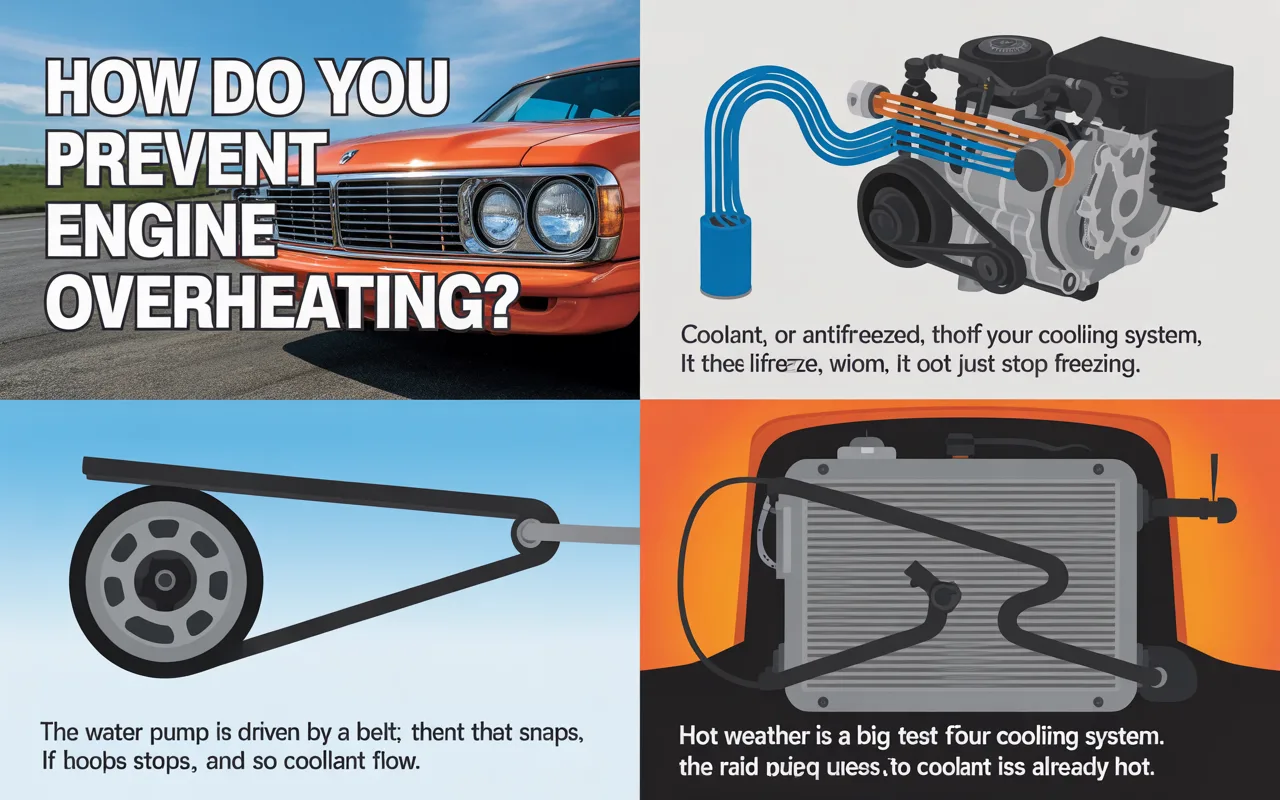
To effectively prevent engine overheating, you need a mix of routine care and knowing what to watch for. Learn the simple steps that keep your car’s temperature in the safe zone and avoid costly repairs.
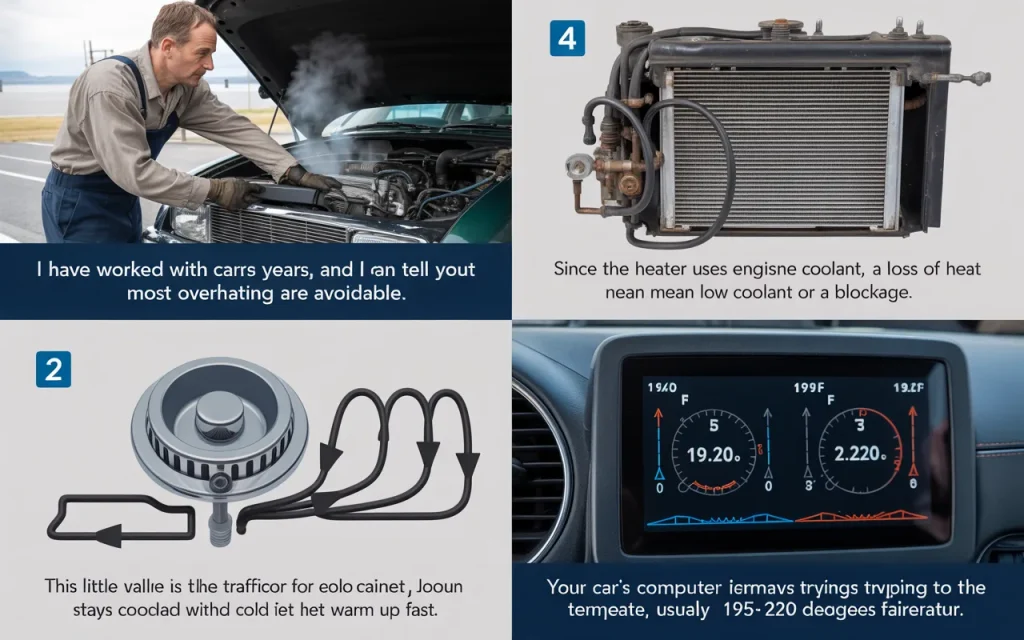
Hello there. If you have found this article, you might be worried about your car’s temperature gauge or perhaps you just want to keep your engine in top shape. That is a smart move. An overheated engine is more than a roadside hassle. It can lead to serious damage, like a warped cylinder head or a blown gasket, repairs that cost a lot. But the good news is, learning how to prevent engine overheating is mostly about simple, regular care. I have worked with cars for years, and I can tell you that most overheating problems are avoidable. Let us walk through the steps that will help you keep your engine cool, reliable, and ready for the road.
Why Do Engines Overheat? The Basic Science
Think of your engine as a powerful furnace. It creates a huge amount of heat by burning fuel. The cooling system’s job is to manage that heat. It is a partnership of parts: coolant, the water pump, radiator, thermostat, hoses, and fans. If any one part fails, heat builds up with nowhere to go. The goal is to maintain a balance. Your car’s computer is always trying to keep the engine at an ideal temperature, usually around 195 to 220 degrees Fahrenheit. When the system cannot shed heat fast enough, the needle climbs, and you get a warning light. Knowing this helps you understand why each part of your care routine matters.
“Taking care of your car is taking care of your freedom. A simple check can prevent a long wait on the side of the road.” – Anonymous Mechanic
Regular Maintenance: Your Best Defense
This is the core of how to prevent engine overheating. Think of it like going to the doctor for a check up. Catching a small issue early stops it from becoming a big one.
1. Coolant is King.
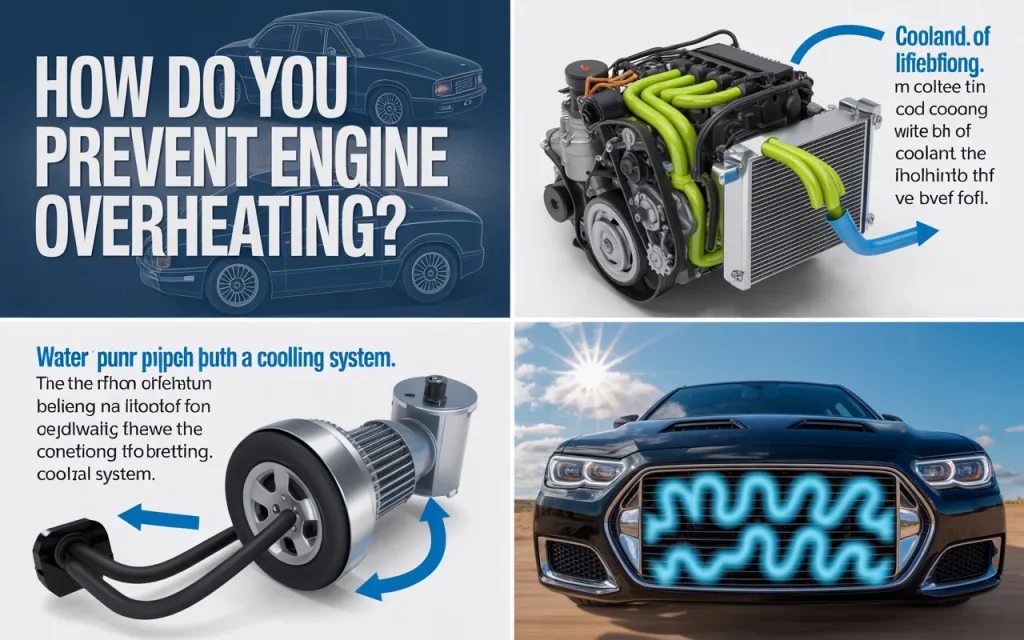
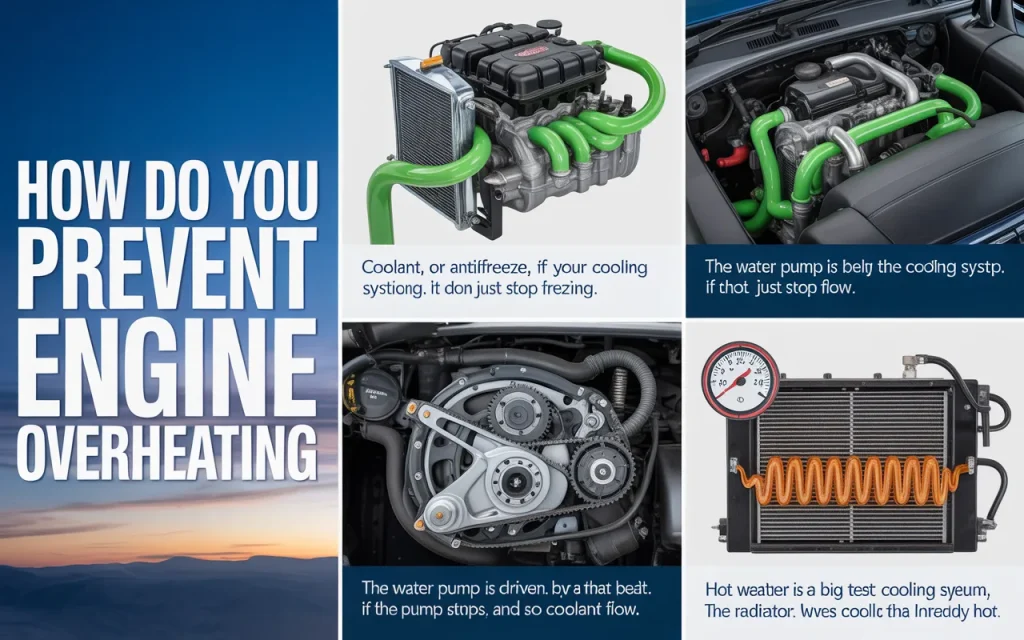
Coolant, or antifreeze, is the lifeblood of your cooling system. It does not just stop freezing. It raises the boiling point, lubricates the water pump, and fights corrosion. You should check your coolant level often. Look at the clear overflow tank when the engine is cold. The fluid should be between the “MIN” and “MAX” lines. Also, coolant gets old. It loses its protective qualities over time. Flushing and replacing it as your car’s manual suggests is a top way to prevent engine overheating.
2. The Vital Role of the Thermostat.
This little valve is the traffic director for coolant. It stays closed when the engine is cold to let it warm up fast. Then it opens to let coolant flow to the radiator. If it gets stuck closed, coolant cannot circulate, and the engine will overheat very quickly. If it sticks open, your engine never reaches its proper temperature, which is bad for efficiency and emissions. Replacing the thermostat at recommended intervals is cheap insurance.
3. Hoses and Belts: The Unsung Heroes.
The water pump is driven by a belt. If that belt snaps, the pump stops, and so does coolant flow. Those rubber hoses carry hot coolant everywhere. Over years, they get brittle and can spring leaks. A visual inspection can spot cracks, bulges, or soft spots. Squeezing a hose can tell you if it is still strong. Replacing worn belts and hoses before they fail is a classic preventive move.
| Maintenance Task | How It Prevents Overheating | Typical Interval |
|---|---|---|
| Coolant Check/Flush | Maintains boiling point, prevents corrosion | Check monthly / Flush every 2-5 years |
| Thermostat Replacement | Ensures proper coolant flow at the right time | Every 5-10 years or 60,000-100,000 miles |
| Hose & Belt Inspection | Prevents sudden leaks or pump failure | Inspect every oil change / Replace as needed |
What to Watch For While Driving
Your car talks to you. You just need to know the signs. The temperature gauge on your dash is the most direct signal. It should stay steady in the middle. If it starts climbing toward the “H,” that is your first alert. Newer cars may just show a blue “cold” light and a red “hot” light. If that red light comes on, take action. Another sign is if your heater stops blowing hot air. Since the heater uses engine coolant, a loss of heat can mean low coolant or a blockage. A sweet smell from the vents or steam from under the hood are clear warnings of a coolant leak.
Immediate Actions If Your Engine Overheats
Even with the best care, problems can happen. Knowing what to do can save your engine.
- Stay Calm. Turn off your air conditioning. Turn on your heater and fan to its highest setting. This pulls heat away from the engine into the cabin. It might be uncomfortable, but it helps.
- Safely Pull Over. Find a safe spot to pull over. Put the car in park or neutral.
- Let It Cool. Do not open the radiator cap! The system is under high pressure. Opening it will release a geyser of boiling hot coolant. Let the engine sit for at least 30 minutes.
- Check Carefully. Once it is cool, you can check the overflow tank and look for visible leaks. If you are low, you can add coolant or, in a pinch, water. Then drive slowly to a repair shop, watching the gauge closely.
“Speed is irrelevant if you are going in the wrong direction. Pull over, think, and then act when your car overheats.” – Mahatma Gandhi (adapted)
Summer and Heavy Load: Extra Strain
Hot weather is a big test for your cooling system. The air the radiator uses to cool the coolant is already hot. Sitting in traffic makes it worse because there is no moving air to help the radiator fan. If you are towing a trailer or carrying a heavy load, your engine works harder and makes more heat. Before a summer trip or big job, make those checks we talked about. Ensure your radiator fins are not clogged with bugs or debris. This is a key step to prevent engine overheating during seasonal stress.
Common Failures and Fixes
Sometimes, despite your best efforts, parts wear out. Here is a quick look at common culprits.
- Failing Water Pump: The pump has a sealed bearing. When it starts to go, it might whine or leak coolant from a small hole called the “weep hole.” A failing pump cannot move enough coolant.
- Clogged Radiator: Rust, scale, or debris inside or outside the radiator blocks heat transfer. It might look dirty on the outside, or the coolant might be brown and sludgy inside.
- Electric Fan Failure: In many cars, the radiator fan only runs when needed. If the sensor, motor, or relay fails, the fan will not turn on in traffic, causing a quick overheat.
- Head Gasket Leak: This is often a result of severe overheating, but it can also be a cause. Combustion gases leak into the cooling system, creating air pockets and overpressurizing it, which stops proper cooling.
| Symptom | Possible Cause | Likely Fix |
|---|---|---|
| Overheats in traffic only | Radiator fan not working | Check fan fuse, relay, sensor, or motor |
| Overheats all the time, heater cold | Thermostat stuck closed | Replace thermostat |
| Coolant loss, no visible leak | Internal leak or blown head gasket | Professional pressure test and diagnosis |
| Squealing noise from front of engine | Loose or broken serpentine belt | Adjust tension or replace belt |
FAQ: Your Overheating Questions Answered
Q: Can I just use water instead of coolant?
A: In an emergency, yes, you can use water to get to a shop. But water freezes, boils at a lower temperature, and causes rust and scale. You should flush the system and put in the proper coolant mix as soon as you can.
Q: How often should I really check my coolant?
A: Get in the habit of checking the overflow tank once a month when you check your tire pressure. Always check when the engine is cold for a safe and accurate reading.
Q: My temperature gauge goes up and down. Is that normal?
A: Not really. It should be stable. Fluctuations can point to a sticking thermostat, low coolant, or air trapped in the system. Have it checked.
Q: Is it safe to drive with the overheating light on?
A: No. It is very risky. Driving even a short distance can cause permanent and very expensive damage to your engine. Stop the car as soon as you safely can.
Q: What is the best way to prevent engine overheating from a leaky hose?
A: The best way is to spot it before it bursts. Look at your hoses when you get an oil change. Feel them for soft or brittle spots. Replacing coolant hoses every 4-5 years is a good practice, even if they look okay.
A Final Word on Engine Care
Keeping your engine cool is not about one big action. It is about a series of small, consistent habits. It is about listening to your car and giving it what it needs. The path to prevent engine overheating is clear: know your maintenance schedule, use your eyes and ears, and act quickly when something seems off. This care saves you money, time, and stress. It keeps you and your car safely on the road for all the trips ahead. Your car works hard for you. With this simple care, you are just returning the favor.
“The only time success comes before work is in the dictionary. Preventing car trouble is the same; the work comes first.” – Vince Lombardi
Related posts
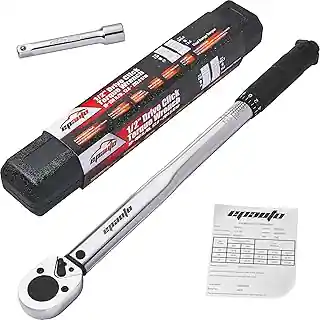 2026 Torque Wrench Reviews: Choosing the Right Tool for Precision Fastening
Explore our 2026 torque wrench reviews to find the right tool for your automotive, bike, or gunsmithing projects. Compare top models for accuracy and value. Finding…
 Top Automotive Tools for Beginners: Essential Gear for 2026
Discover the top automotive tools for beginners in 2026. Compare essential pry kits, wrench sets, and repair gear to start your DIY car maintenance journey. Starting…
 Top Rated Mechanic Tool Brands for 2026
Explore top rated mechanic tool brands for 2026. Compare reliable socket sets and hand tools to find the right equipment for your home garage or auto…