
How to Recover Faster After Workouts
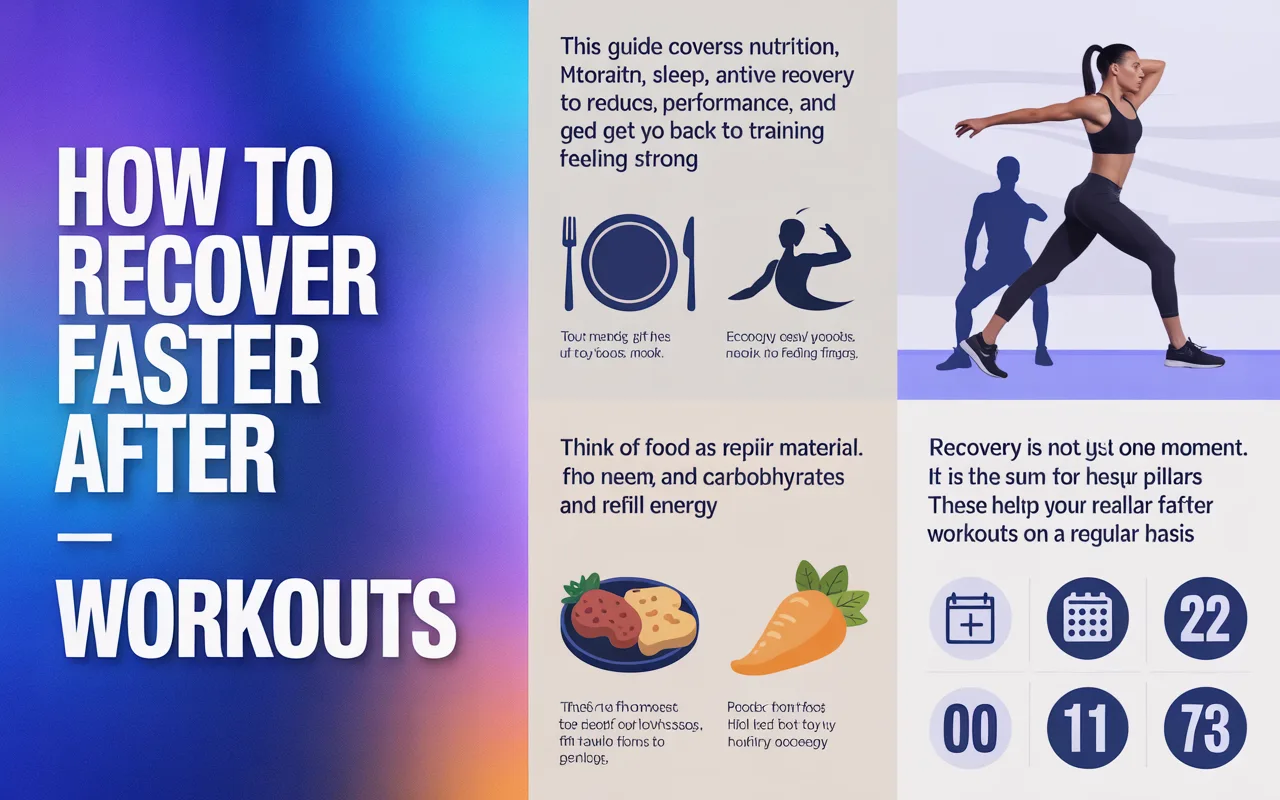
Learn proven ways to recover faster after workouts. This guide covers nutrition, sleep, and active recovery to reduce soreness, boost performance, and get you back to training feeling strong.
Let’s be honest. Sometimes the hardest part of a great workout isn’t the lift or the last sprint. It’s the sore, tired feeling that comes after. You want to get back to feeling good and training strong, but your body needs time. What if you could help it along? Learning how to recover faster after workouts is the real secret to making progress, feeling better, and staying consistent. It is not about pushing through pain. It is about smart, simple habits that give your body what it needs to rebuild.
This guide will walk you through what really works, explained in plain language. These are methods backed by science and used by athletes, but they are just as useful for anyone who exercises. We will cover what to do right after you finish, how to spend the rest of your day, and how to set up your life for better recovery. Let us get started.
Why Recovery Matters More Than You Think
When you work out, you create tiny tears in your muscles. You use up energy stores and put stress on your joints. This is normal and good. It is the signal for your body to adapt and get stronger. But that adaptation happens when you rest, not when you train. If you skip recovery, you skip the gains. You also raise your chance of injury, burnout, and feeling run down. Good recovery means you can train more effectively next time. It helps you recover faster after workouts so you can enjoy your active life without always feeling beat up.
Your Immediate Post Workout Game Plan (The First Hour)
What you do in the first 60 minutes after exercise sets the stage. Your body is ready to accept fuel and start repairs. Here is your three step plan.
Step 1: Refuel with Smart Nutrition
Think of food as repair material. You need two main things: protein to fix muscles, and carbohydrates to refill energy. A good meal or snack within an hour makes a huge difference.
- Protein: Aim for 20-30 grams. This could be a scoop of protein powder in water, a chicken breast, or some Greek yogurt.
- Carbs: Get some carbs in too. A piece of fruit, some rice, or a slice of bread works well.
A simple table to give you quick ideas:
| Post Workout Snack Ideas | What It Provides |
|---|---|
| Greek yogurt with berries | Protein + Carbs + Antioxidants |
| Protein shake with a banana | Fast protein + Quick carbs |
| Turkey on whole grain bread | Lean protein + Complex carbs |
Step 2: Rehydrate, Then Hydrate Some More
You sweat out water and electrolytes like sodium. Just drinking plain water might not be enough after a very sweaty session. Have a big drink of water right away. If you trained hard or for a long time, consider a drink with electrolytes. This helps your body hold onto the fluid and get back to normal faster.
Step 3: Gentle Movement (Active Recovery)
Do not just collapse on the couch. Five to ten minutes of very easy movement gets blood flowing. This blood delivers nutrients to your muscles and carries away waste products that cause soreness. A slow walk, easy cycling, or gentle stretching is perfect. As running legend Steve Prefontaine said, “The best way to get into shape is to recover properly from your workouts.” Active recovery is a big part of that proper process.
Your Daily Habits for Lasting Recovery
Recovery is not just one moment. It is the sum of your daily habits. These are the pillars that help you recover faster after workouts on a regular basis.
Sleep: Your Superpower
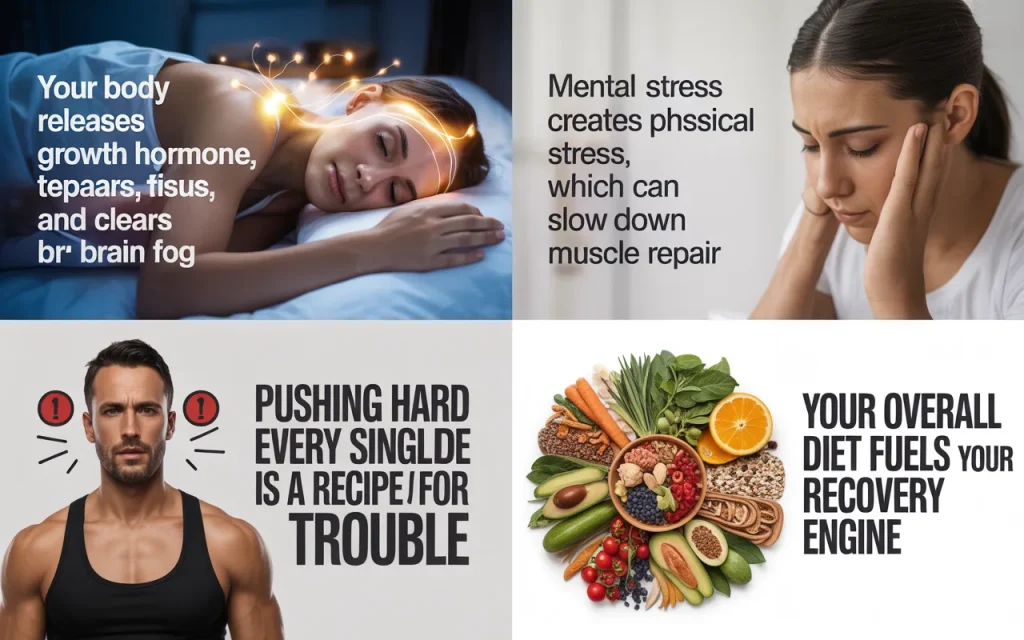
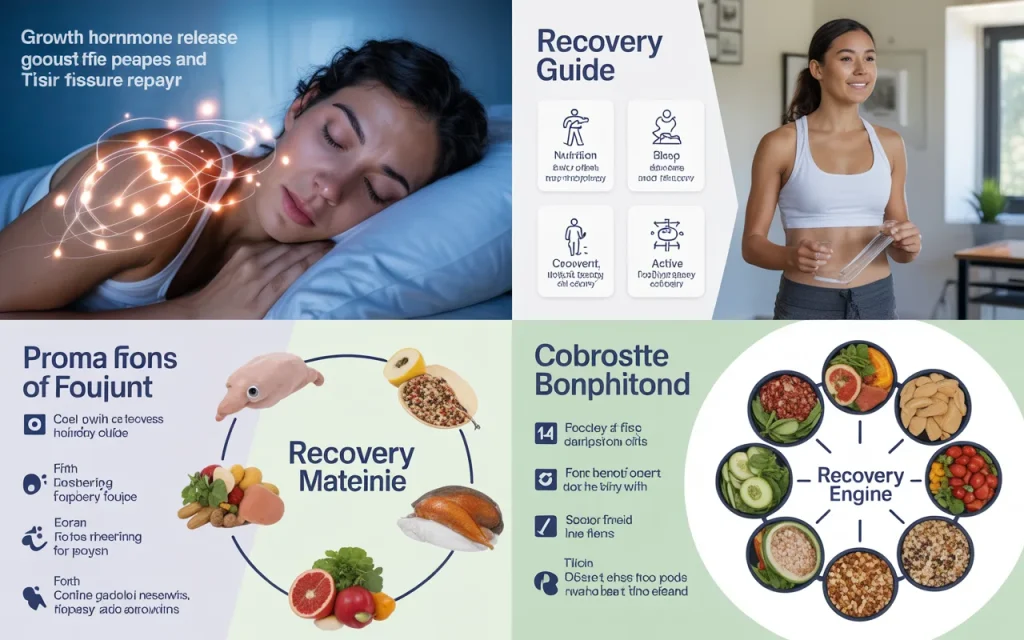
Sleep is the most powerful recovery tool you have. Your body releases growth hormone, repairs tissue, and clears brain fog. Aim for 7-9 hours of quality sleep per night. To sleep better, try keeping a cool, dark room and putting away screens an hour before bed. Being consistent with your sleep schedule, even on weekends, trains your body to rest deeply.
Nutrition: Eating for Repair
Your overall diet fuels your recovery engine. Eat enough calories to support your activity level. Include plenty of colorful fruits and vegetables for vitamins and minerals that fight inflammation. Do not fear healthy fats from foods like avocados and nuts; they help with hormone function. Every meal is a chance to help your body mend.
Stress Management: The Mind Body Link
Mental stress creates physical stress, which can slow down muscle repair. High stress keeps your cortisol levels up, which can interfere with recovery. Find what chills you out. It could be reading, deep breathing, spending time in nature, or talking with a friend. Managing life stress is a direct investment in your physical recovery. This holistic view is key. Physician and author Deepak Chopra noted, “The body is a universe of incredible organization and intelligence. It knows how to heal itself, if we listen.” Managing stress is how we listen.
Smart Training: Listen to Your Body
Pushing hard every single day is a recipe for trouble. Build lighter days into your week. This is called periodization. Some days are for hard effort, others are for moving gently or resting completely. If you feel overly tired or have nagging pains, take an extra day off. It is better to miss one workout than to be forced to miss a month from injury.
Tools and Techniques to Try
Beyond the basics, some methods can give you an extra edge. They are not magic, but they can help.
- Foam Rolling: Using a foam roller on your muscles can ease tightness and improve your range of motion. Think of it as a massage you give yourself. Spend a few minutes after your workout on the muscles you used most.
- Contrast Water Therapy: This means switching between cold and warm water. You might take a warm shower, then switch to cool for 30 seconds, and repeat a few times. The change in temperature helps pump fluids through your body, which may reduce soreness.
- Compression Gear: Some people find that compression socks or tights help them feel less sore after long runs or tough workouts. The science is mixed, but if it makes you feel better, it is a good tool.
Common Recovery Questions Answered
Let us clear up some frequent questions about how to recover faster after workouts.
How long should I rest between workouts?
It depends. A good rule is to give each muscle group 48 hours before training it hard again. If you do a full body workout, you might take the next day off or do very light activity. Listen to your body. If you are still very sore, wait.
What helps with muscle soreness?
Moving gently, foam rolling, staying hydrated, and getting good sleep are the best remedies. Soreness usually peaks 24-48 hours after exercise. It is normal and will pass.
Are ice baths good for recovery?
Ice baths or cold plunges can reduce inflammation and pain in the short term. But some research suggests they might slightly slow down the muscle building process by reducing the inflammatory signals needed for growth. They are best used after competitions or very intense sessions where the main goal is to reduce pain fast, not necessarily to build muscle the next day.
| Myth vs. Fact on Recovery | The Truth |
|---|---|
| Myth: You need expensive supplements. | Fact: Real food should be your foundation. Supplements can help fill gaps but are not required. |
| Myth: No pain, no gain. | Fact: Consistent, smart training beats extreme pain that leads to injury. |
| Myth: Sitting still is best. | Fact: Active recovery on rest days often feels better and helps more than total stillness. |
Bringing It All Together
Learning how to recover faster after workouts is a skill. It makes fitness sustainable and fun. Remember, recovery is not lazy. It is a required part of getting stronger, faster, and healthier. Start with the big three: eat well after training, prioritize your sleep, and manage your overall stress. From there, you can try things like foam rolling or contrast showers.
Be patient with yourself. Your recovery needs will change from day to day. Some days you will bounce back quickly. Other days, you might need more rest. That is okay. The goal is to support your body, not fight it. By making these habits part of your routine, you will spend less time feeling sore and more time feeling strong and ready for your next challenge. Remember the words of tennis great
Arthur Ashe: “Success is a journey, not a destination. The doing is often more important than the outcome.” The doing includes how you care for yourself after the workout is done. Make recovery your secret strength.
Related posts
 Buy Home Workout Sliders: 2026 Guide to Core Fitness Tools
Looking to buy home workout sliders? Compare top-rated gliding discs and core trainers to find the right equipment for your 2026 fitness routine. Adding core sliders…
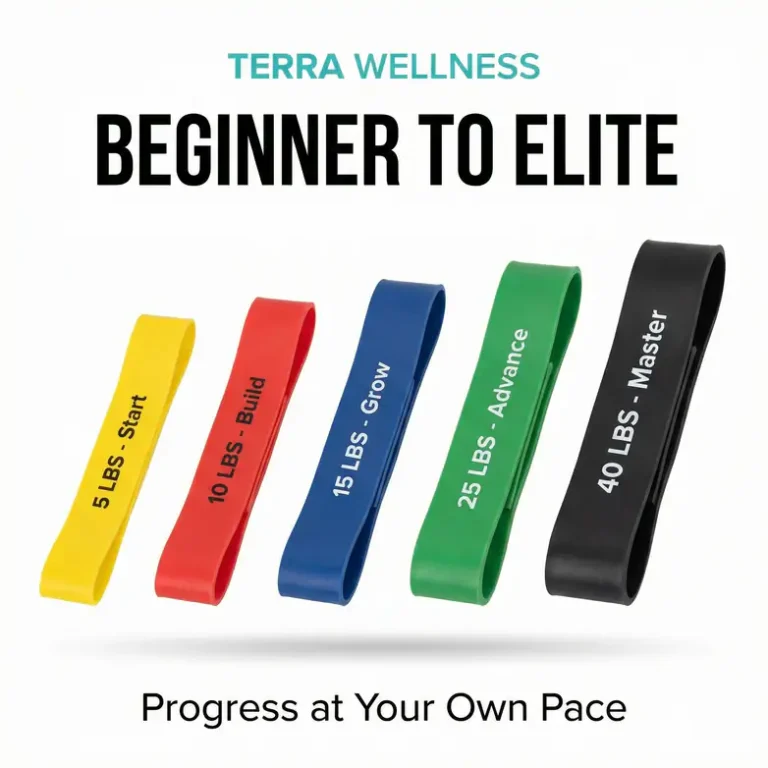 Best Resistance Bands for Beginners: 2026 Buyer Guide
Looking for the best resistance bands for beginners? Compare top-rated loop and handle sets to find the right home gym equipment for your fitness goals. Starting…
 Best Treadmill for Home Use: 2026 Buyer Guide
Finding the best treadmill for home use in 2026. Compare top-rated compact, folding, and incline models to fit your space, budget, and fitness goals. Choosing the…