
How to Keep Black Clothes from Fading: A Practical Laundry Routine
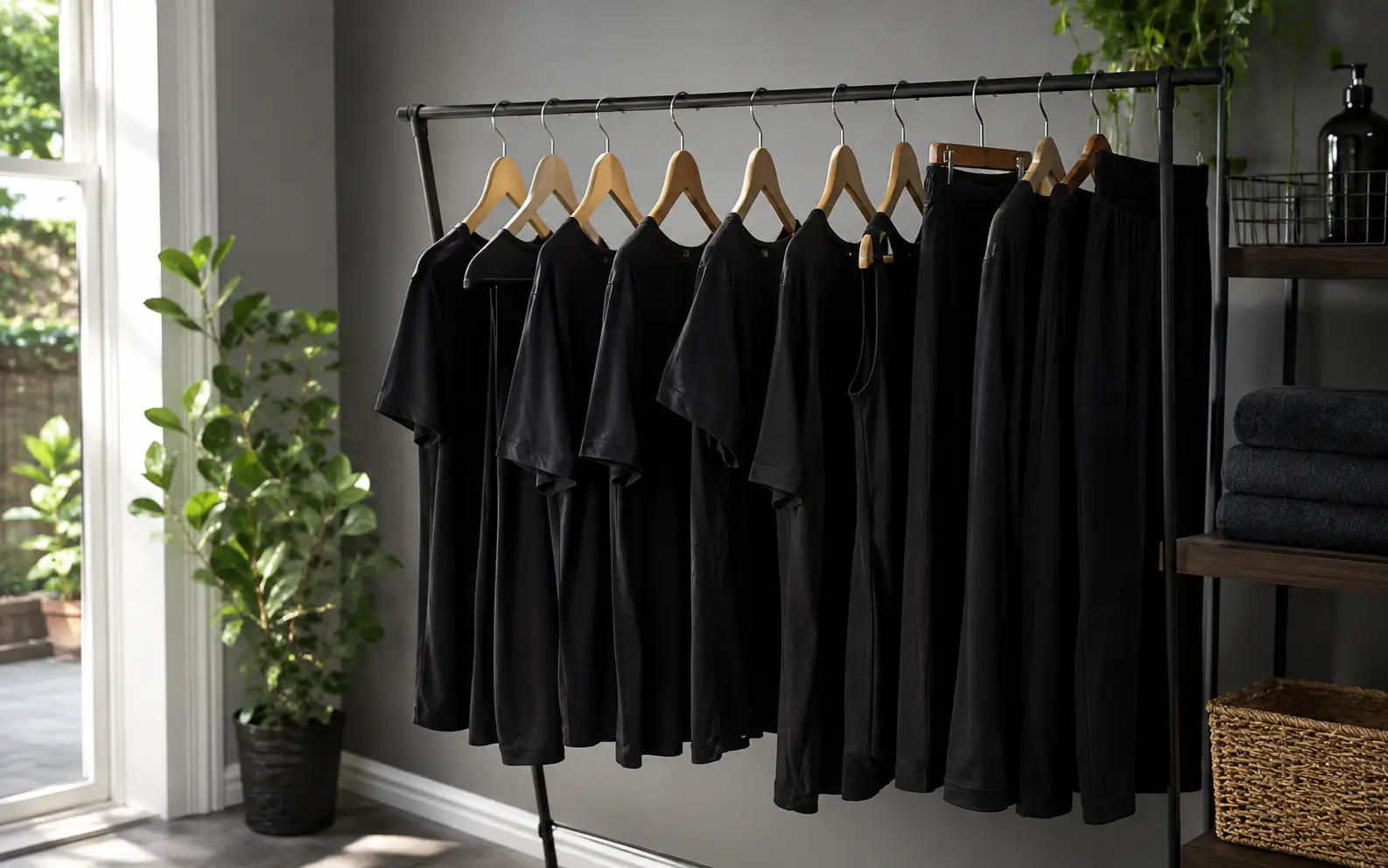
To keep black clothes from fading, you must minimize the two main culprits of dye loss: friction and heat. Every time dark fabrics rub against each other in hot water or tumble in a hot dryer, the individual fibers break down, lose their smooth texture, and release their pigment. By adjusting your washing machine settings and drying habits, you can significantly extend the life of your dark wardrobe.
The most effective routine involves turning garments inside out, washing them in cold water on a gentle cycle, and letting them air dry away from direct sunlight. Using a liquid detergent formulated for dark colors also helps keep the fibers smooth, preventing the fuzzy surface texture that makes black clothes look dusty or faded.
Washing in cold water
- Always wash black clothes in cold water to prevent dye bleeding.
- Turn garments inside out to protect the outer fibers from friction and abrasion.
- Choose a gentle or short wash cycle to minimize agitation time.
- Air dry dark clothes away from direct sunlight, or use the lowest heat setting on your dryer.
| Topic | When it helps | What to keep in mind |
|---|---|---|
| Step 1 | All dark garments, especially graphic tees, jeans, and soft cotton knits. | Ensure pockets are completely empty before turning them inside out to avoid trapping debris. |
| Step 2 | Everyday dark loads and delicate fabrics. | In extremely cold climates during winter, tap water can sometimes be too cold to dissolve certain detergents properly. |
| Step 3 | Lightly soiled everyday black clothing. | Very muddy or heavily soiled work clothes may still need a regular cycle to get clean. |
| Step 4 | Jeans, sweaters, t-shirts, and activewear. | Direct sunlight acts as a natural bleaching agent and will fade wet black clothes quickly. |
Washing machine settings water temperature
Step 1. Turn Garments Inside Out
Before tossing black clothes into the washing machine, turn every item inside out. This simple step ensures that the friction caused by agitation happens on the inside of the garment, protecting the visible outer face from wearing down and losing color.
- All dark garments, especially graphic tees, jeans, and soft cotton knits.
- Ensure pockets are completely empty before turning them inside out to avoid trapping debris.
- Make this a habit while sorting your laundry so you do not have to do it right at the machine.
- Effort – Very Low
- Impact – High
Step 2. Wash in Cold Water
Warm and hot water loosen fabric fibers, making it much easier for dyes to bleed out during the wash cycle. Cold water keeps the fibers closed and holds the dye securely inside the fabric.
- Everyday dark loads and delicate fabrics.
- In extremely cold climates during winter, tap water can sometimes be too cold to dissolve certain detergents properly.
- Set your washing machine dial to tap cold or 30 degrees Celsius for optimal dye preservation.
- Temperature – Cold (30°C or lower)
- Dye Protection – Maximum
Step 3. Select a Gentle or Short Cycle
The longer clothes spin and rub against each other, the more the fibers break down. A short, gentle cycle provides enough agitation to clean normal daily wear without causing excessive wear and tear on the fabric surface.
- Lightly soiled everyday black clothing.
- Very muddy or heavily soiled work clothes may still need a regular cycle to get clean.
- Use the express or delicate setting on your machine for quick refreshes.
- Cycle Type – Gentle / Express
- Agitation Level – Low
Step 4. Air Dry Away from Direct Sunlight
The high heat of a clothes dryer roughs up fabric fibers and bakes out moisture, leading to rapid fading and shrinkage. Hanging clothes to dry on a drying rack is the safest method, provided they are kept out of direct sun.

- Jeans, sweaters, t-shirts, and activewear.
- Direct sunlight acts as a natural bleaching agent and will fade wet black clothes quickly.
- Set up your drying rack in a well-ventilated indoor area or a shaded outdoor spot.
- Drying Method – Line dry / Flat dry
- Heat Exposure – None
Pre-Wash Preparation and Sorting Strategies
Proper sorting is the foundation of color preservation. While sorting by color is a well-known rule, sorting by fabric weight is equally important. Heavy fabrics like denim, canvas, and towels should never be washed in the same load as lightweight cottons, knits, or synthetics. The heavy fabrics act like sandpaper against delicate items during the wash cycle.
Additionally, take a moment to fasten all zippers, buttons, and hooks. Loose metal hardware can scrape against dark fabrics, physically damaging the fibers and creating micro-tears that reflect light differently, making the garment appear faded even if the dye is intact.
Washing a heavy pair of black denim jeans in the same load as a delicate black cotton t-shirt. The rough denim and metal zippers will rub against the soft t-shirt, causing the t-shirt fibers to fray and look faded.
Leaving metal zippers undone or buttons unfastened, which can snag and scrape against adjacent dark fabrics during the spin cycle.
- Group heavy items like jeans and jackets together in their own dark load.
- Wash delicate items, such as lace or thin knits, in mesh laundry bags.
- Always empty pockets to prevent paper tissues or receipts from disintegrating and leaving white lint all over your black clothes.
Choosing the Right Detergent and Additives
The type of detergent you use plays a major role in how long your black clothes stay dark. Standard powder detergents often do not dissolve completely in cold water, leaving a fine white residue on the fabric surface that mimics fading. Liquid detergents dissolve much more easily in cold water, making them a far better choice for dark loads.
You can also use specialized dark-wash detergents. These formulas are specifically designed to keep dyes locked in place and often contain enzymes that smooth down loose fibers, reducing the fuzzy texture that scatters light and makes clothes look grey.
Switching from a standard powder detergent to a mild liquid detergent to eliminate the faint, dusty white film that often remains on black jeans after a wash.

Using detergents that contain optical brighteners, which are designed to make whites look brighter but will leave a dulling residue on dark fabrics.
| Agent Type | Pros | Cons | Best Used For |
|---|---|---|---|
| Liquid Detergent | Dissolves perfectly in cold water; leaves no powdery residue. | Can be easy to accidental over-pour. | Everyday dark loads and mixed fabrics. |
| Dark-Specific Liquid | Contains enzymes to smooth fibers; lacks optical brighteners. | Typically more expensive than standard detergent. | Premium black garments, sweaters, and dark jeans. |
| Powder Detergent | Highly effective on heavy mud or clay stains. | May not dissolve in cold water; leaves white streaks. | Heavy workwear washed in warm water only. |
| White Vinegar (Rinse) | Dissolves soap buildup; naturally softens fabrics. | Does not provide heavy cleaning power on its own. | Adding to the fabric softener dispenser for a final rinse. |
The Role of White Vinegar in the Rinse Cycle
Adding half a cup of distilled white vinegar to the fabric softener compartment of your washing machine is an excellent natural alternative to commercial softeners. Vinegar helps break down detergent buildup that can make dark fabrics look dull and stiff.
Do not worry about your clothes smelling like salad dressing; the vinegar scent rinses away completely in the machine, leaving your black garments soft and residue-free.
Drying Habits That Protect Dark Fabrics
The dryer is one of the harshest environments for dark clothing. The combination of high heat and constant tumbling wears down fabric fibers quickly, leading to shrinkage, thinning, and a faded appearance. Air drying is the gold standard for keeping black clothes looking brand new.
If you must use a clothes dryer due to time constraints or space limitations, select the lowest heat setting possible, such as a delicate or tumble dry low cycle. Remove the garments while they are still slightly damp and let them finish drying on a rack to minimize heat exposure.
Hanging black t-shirts on plastic hangers in a well-ventilated laundry room or bathroom instead of tossing them into a hot dryer cycle.
Hanging wet black clothes in direct afternoon sunlight on an outdoor clothesline, which can cause noticeable fading in just a few hours.
- Use sturdy, smooth hangers to prevent shoulder bumps while air drying.
- Space garments out on a drying rack to ensure adequate airflow and prevent musty odors.
- If drying outdoors, place the drying rack in a fully shaded area to protect the fabric from UV rays.
FAQs
Does vinegar keep black clothes from fading?
Yes. Adding half a cup of white vinegar to the rinse cycle helps dissolve detergent residue that can dull dark fabrics. It also acts as a natural fabric softener without leaving a scent.
Does washing black clothes with salt keep them from fading?
Salt can help set the dye in brand-new garments during their very first wash, preventing initial bleeding. However, it is not necessary to add salt to every subsequent wash once the dye is set.
Can you restore faded black fabric?
Yes. If a garment has already faded but the fabric is still in good condition, you can restore its deep black color using a commercial fabric dye in your washing machine or a bucket.
How often should you wash black clothes?
Wash them only when necessary. Unless they are visibly dirty or sweaty, items like black jeans, sweaters, and jackets can often be worn 3 to 5 times before needing a wash, which greatly reduces fading over time.

Conclusion
Keeping your black clothes looking dark and sharp does not require expensive products or complicated routines. By focusing on reducing heat and friction during the washing and drying process, you can easily prevent the premature fading that ruins dark fabrics.
Start by making simple adjustments: turn your garments inside out, wash them in cold water, use liquid detergent, and air dry them whenever possible. These small habits will keep your favorite black jeans, shirts, and sweaters looking fresh and deep black for years to come.
Related posts
 Why Pest Control Is Important at Home: Protecting Health and Property
Discover why pest control is important at home. Learn how regular pest management protects your family’s health, prevents property damage, and secures your food. Understanding why…
 How to Test a Car Ground Connection: Step-by-Step Multimeter Methods
Learn how to test a car ground connection using a digital multimeter. Follow our step-by-step guide to diagnose voltage drops, resistance, and bad grounds. A car…
 Why Do Dogs Stare at Walls? Common Causes and When to Worry
Wondering why do dogs stare at walls? Discover the sensory, behavioral, and medical reasons behind this behavior, and learn when to contact your veterinarian. When you…