
Can I Workout While Fasting? Practical Rules for Safe Exercise
Yes, you can workout while fasting, but your safety and performance depend heavily on the intensity of your exercise and the timing of your fasting window. For most people, low-to-moderate intensity activities like walking, yoga, or light cycling are perfectly safe and can even help your body transition into fat-burning states more quickly.
However, high-intensity training or heavy weightlifting requires more caution. When you exercise fasted, your body has lower glycogen stores, which can lead to early fatigue, reduced strength, or dizziness if you push too hard. To make this combination work, you need to align your workout type with your fasting schedule and listen closely to your body’s physical signals.
Safety checks
- Working out while fasting is generally safe for low-to-moderate intensity exercise.
- High-intensity training is better suited for your eating window or shortly after a meal.
- Hydration is the most critical factor in preventing dizziness and muscle cramps.
- Listen to your body and lower your expectations for hitting personal records while fasted.
| Topic | When it helps | What to keep in mind |
|---|---|---|
| Low-Intensity Cardio | Fat burning, active recovery, and long fasting windows | Dehydration during longer sessions exceeding 60 minutes |
| Strength Training | Maintaining muscle tone and strength | Reduced explosive power and slower recovery between sets |
| High-Intensity Training | Short, efficient workouts when your fasting window is brief | Dizziness, nausea, and rapid onset of physical fatigue |
The article must cover safety
Low-Intensity Cardio. Low-Intensity Steady State (LISS) Cardio
Can I Workout While Fasting. Activities like walking, easy cycling, or swimming at a conversational pace. These rely primarily on fat for fuel, making them highly compatible with a fasted state.
- Fat burning, active recovery, and long fasting windows
- Dehydration during longer sessions exceeding 60 minutes
- Keep your heart rate low enough that you can easily speak in full sentences throughout the session.
- Fasting Compatibility – Excellent
- Primary Fuel Source – Stored Fat
- Recommended Duration – 30 to 60 minutes
Strength Training. Moderate Strength and Resistance Training
Lifting weights or performing bodyweight exercises with moderate loads and ample rest periods. This helps preserve muscle mass during a fasting regimen.
- Maintaining muscle tone and strength
- Reduced explosive power and slower recovery between sets
- Focus on form and moderate weights rather than trying to set new personal lifting records.
- Fasting Compatibility – Moderate
- Primary Fuel Source – Glycogen and Phosphagen
- Recommended Duration – 45 to 60 minutes
High-Intensity Training. High-Intensity Interval Training (HIIT)
Short bursts of all-out effort followed by brief recovery periods. HIIT relies heavily on readily available carbohydrates, which are scarce during a fast.

- Short, efficient workouts when your fasting window is brief
- Dizziness, nausea, and rapid onset of physical fatigue
- Save intense intervals for your eating window or immediately before your first meal.
- Fasting Compatibility – Poor
- Primary Fuel Source – Stored Glycogen
- Recommended Duration – 15 to 25 minutes
How Fasting Changes Your Exercise Performance
When you eat, your body breaks down carbohydrates into glucose, storing excess amounts in your muscles and liver as glycogen. During a fast, these glycogen stores gradually deplete. When you exercise in this state, your body must adapt by shifting its primary fuel source from glucose to stored fat.
This metabolic shift, often called fat oxidation, is highly efficient for low-intensity endurance activities. However, because converting fat into usable energy takes more time and oxygen than converting glucose, your peak physical power will naturally decrease. This is why sprinting or heavy lifting can feel significantly harder when you have not eaten.
A runner who easily completes a 5-mile run after breakfast might find themselves struggling at mile 3 when running fasted, due to depleted glycogen stores.
Expecting the same level of explosive energy during a fast as you would have after a high-carb meal.
- Lower insulin levels during a fast allow your body to access fat stores more easily.
- Your body preserves its remaining glycogen for essential brain and organ function.
- Oxygen demand increases slightly at higher intensities to facilitate fat metabolism.
Timing Your Workouts with Your Eating Window
The timing of your workout relative to your eating window plays a massive role in how you feel and recover. There is no single perfect time, but matching your workout intensity to your meal schedule can prevent muscle loss and extreme fatigue.
If your primary goal is muscle growth or high performance, training shortly after a meal or right before your eating window opens is ideal. This ensures that nutrients are readily available for muscle repair and recovery.
An intermittent faster who eats between 12 PM and 8 PM schedules their heavy lifting session at 11 AM, allowing them to consume a protein-rich meal immediately afterward.
Working out intensely late in a fast and waiting several hours before consuming any protein or carbohydrates.
| Workout Timing | Pros | Cons | Best Workout Type |
|---|---|---|---|
| Just Before Eating Window Opens | Excellent for immediate post-workout nutrient delivery and recovery. | Energy levels might feel low near the end of the session. | Moderate strength training or cardio |
| During the Middle of the Fast | Maximizes fat burning potential during the day. | Recovery is delayed until the eating window begins. | Low-intensity steady-state cardio |
| Inside the Eating Window | Peak energy levels and optimal performance. | Requires scheduling workouts around meal digestion times. | HIIT or heavy strength training |
Safety Rules and Warning Signs to Watch For
Exercising while fasting requires a heightened level of self-awareness. Without the immediate energy from food, your hydration status and electrolyte balance become your primary lifelines. Dehydration happens much faster during a fast because your body stores less water when glycogen levels are low.
To stay safe, prioritize water intake before, during, and after your workout. If you are fasting for longer periods, consider adding a zero-calorie electrolyte supplement to your water to maintain proper muscle function and prevent cramping.
Feeling a sudden wave of lightheadedness during a set of squats and choosing to sit down and drink water with a pinch of salt, rather than pushing through the set.
Ignoring physical warning signs like cold sweats or dizziness in an attempt to show mental toughness.
- Drink at least 16 to 20 ounces of water in the hour leading up to your workout.
- Use unsweetened, calorie-free electrolyte powders if you experience muscle cramps.
- Stop immediately if you experience dizziness, lightheadedness, or sudden nausea.
- Keep your first post-workout meal balanced with high-quality protein and complex carbohydrates.
Physical Red Flags to Watch For
Your body will tell you when a fasted workout has gone too far. If you experience any of the following symptoms, stop exercising immediately, sit down, and consider breaking your fast with a small, easily digestible snack.
- Extreme lightheadedness or feeling like you might faint
- Sudden, cold sweats that are unrelated to your workout environment
- Unusual muscle weakness or a complete lack of coordination
- A racing heart rate that does not slow down during rest periods
FAQs
Can I build muscle while fasting?
Yes, but it is more challenging. To build muscle, you must consume sufficient protein and total calories during your eating window. Timing your strength training sessions close to your meals will help maximize muscle protein synthesis.
Does exercising while fasting burn more fat?
Yes, working out in a fasted state increases fat oxidation during the session because insulin levels are low. However, total daily caloric balance and long-term consistency remain the primary drivers of overall fat loss.
What should you not do when working out fasted?
Avoid performing prolonged high-intensity workouts (over 60 minutes) without fuel, neglecting your hydration, or ignoring signs of dizziness. Do not try to hit maximum lifting limits when deep into a fast.
Will I lose muscle if I fast for 24 hours and exercise?
A single 24-hour fast is unlikely to cause significant muscle loss if you maintain a high protein intake on non-fasting days. However, you should keep workouts very light during an extended 24-hour fast to protect your muscles and energy levels.
Conclusion
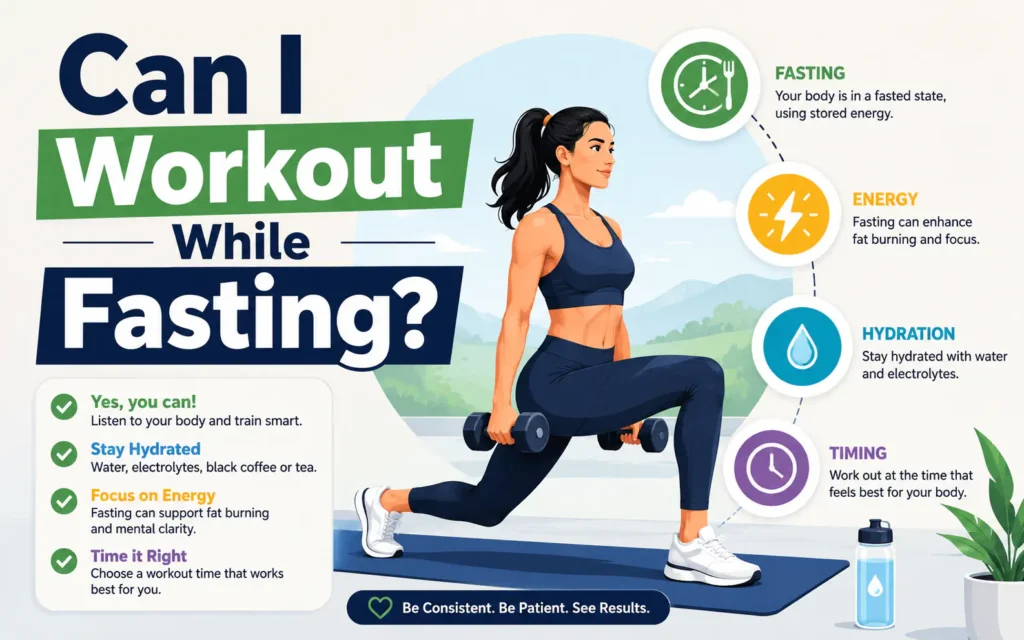
Working out while fasting is a highly customizable practice. By matching your exercise intensity to your body’s available energy and prioritizing hydration, you can successfully maintain your fitness routine without compromising your fasting goals.
Remember that consistency and safety are far more valuable than pushing through a workout when you feel unwell. Start with lower intensities, pay close attention to how your body responds, and adjust your timing as needed to find the perfect balance for your lifestyle.
Related posts
 Why Pest Control Is Important at Home: Protecting Health and Property
Discover why pest control is important at home. Learn how regular pest management protects your family’s health, prevents property damage, and secures your food. Understanding why…
 How to Test a Car Ground Connection: Step-by-Step Multimeter Methods
Learn how to test a car ground connection using a digital multimeter. Follow our step-by-step guide to diagnose voltage drops, resistance, and bad grounds. A car…
 Why Do Dogs Stare at Walls? Common Causes and When to Worry
Wondering why do dogs stare at walls? Discover the sensory, behavioral, and medical reasons behind this behavior, and learn when to contact your veterinarian. When you…