
Which Sunshade Blocks the Most Heat? Material and Fit Guide
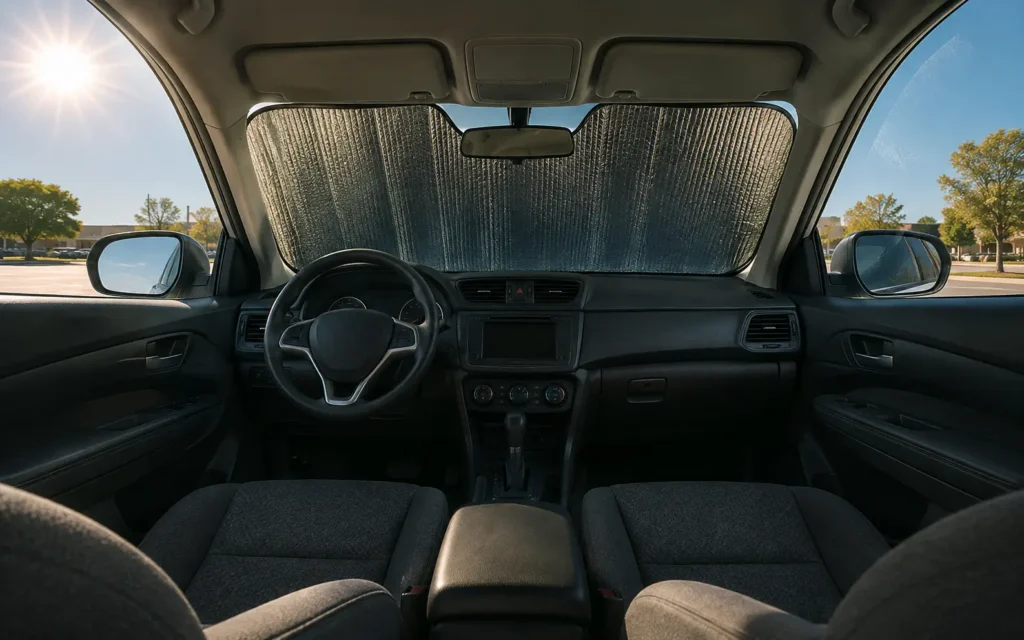
To block the most heat, the best option is a custom-fit, multi-layer reflective silver sunshade. These shades use highly reflective aluminum foil or metalized polyester film to bounce solar radiation back out through the windshield before it can warm up your dashboard, steering wheel, and cabin air.
While cheap fabric or collapsible nylon shades offer decent UV protection and are easy to store, they lack the thermal barrier needed to stop heat transfer. For maximum temperature reduction, look for a shade with a thick foam or double-bubble core sandwiched between a reflective outer layer and a soft felt backing, tailored specifically to your vehicle’s exact windshield dimensions.
| Topic | When it helps | What to keep in mind |
|---|---|---|
| 1 | Drivers in extreme heat climates who want the absolute maximum temperature reduction and interior protection. | They are bulky, do not fold down small, and usually cost more than universal options. |
| 2 | Budget-conscious buyers looking for high thermal efficiency without spending a premium. | Universal sizes often leave gaps around the rearview mirror and A-pillars. |
| 3 | Commuters with limited storage space who prioritize convenience and quick setup. | The thin fabric lacks a thermal insulation barrier, allowing heat to eventually radiate through the material. |
| 4 | Temporary side-window glare reduction for passengers, not for primary windshield heat blocking. | Using a black shade on a windshield can actually make the area directly behind the glass hotter. |
The Physics of Heat Blocking: Silver vs. Black
Which Sunshade Blocks. To understand which sunshade blocks the most heat, we have to look at how solar energy interacts with materials. When sunlight hits your windshield, it carries radiant heat. A dark or black material absorbs this radiation, heats up, and then radiates that heat directly into your car’s dashboard and cabin air.
A highly reflective silver surface works by bouncing that radiant energy back out through the glass before it can be absorbed by your car’s interior surfaces. However, reflection is only half the battle. The heat that does make it past the reflective layer must be stopped by a thermal barrier, which is why multi-layer construction is so critical.
Think of wearing a black cotton t-shirt versus a white reflective shirt on a sunny day. The black fabric absorbs the sun’s rays and feels hot against your skin, while the white shirt reflects the light, keeping you cooler.
Do not buy a dark-colored or purely decorative sunshade assuming it blocks heat just because it blocks light.
- Reflective Silver: Bounces solar radiation back out through the glass.
- Thermal Core: Slows down the conduction of heat through the shade.
- Backing Layer: Protects your dashboard from scratches and adds structural rigidity.
| Sunshade Material | Heat Reflection | Heat Insulation | Best Use Case |
|---|---|---|---|
| Multi-Layer Custom Foil | Excellent | Excellent | Maximum heat rejection in hot climates |
| Double-Bubble Silver | Very Good | Good | Great performance on a budget |
| Silver-Coated Nylon | Good | Poor | Quick daily use with easy storage |
| Black Fabric/Mesh | Poor | None | Side window glare reduction only |
Why Fit Matters More Than You Think
Even the most advanced reflective material will fail if it does not fit your windshield properly. Universal sunshades often leave large gaps around the rearview mirror, A-pillars, and dashboard edges. These gaps allow direct sunlight to hit your interior, creating hot spots that quickly heat up the rest of the cabin.

Furthermore, gaps allow hot air trapped between the windshield and the shade to escape into the rest of the car. A custom-fit sunshade acts like a sealed lid on a container, trapping the hottest air right against the glass and preventing it from circulating throughout the vehicle.
If you use a universal shade that leaves a two-inch gap on either side of your windshield, the sun will bake your dashboard in those spots, creating localized hot zones that quickly warm up the entire cabin.
Buying a ‘one-size-fits-all’ shade without measuring your windshield first.
- Edge-to-edge coverage prevents direct sunlight from touching any part of the dashboard.
- A snug fit around the rearview mirror prevents light leaks.
- Rigid custom shades stay flat against the glass, maximizing the reflective angle.
Budget notes
- Multi-layer reflective silver shades block the most heat by bouncing solar radiation back through the glass.
- Custom-fit shades are vastly superior to universal ones because they eliminate gaps where hot air can seep in.
- Black nylon shades absorb heat rather than reflecting it, making them less effective for windshields.
- A thick foam or bubble-wrap core acts as a crucial thermal barrier to slow down heat transfer.
Focus primarily on automotive windshield
1. Multi-Layer Reflective Custom-Fit Shades
Which Sunshade Blocks. These shades feature a rigid, multi-layer design starting with a highly reflective silver outer layer, a thick foam or bubble insulation core, and a soft protective backing. Because they are cut to your vehicle’s exact make and model, they cover every square inch of the glass.
- Drivers in extreme heat climates who want the absolute maximum temperature reduction and interior protection.
- They are bulky, do not fold down small, and usually cost more than universal options.
- Choose this if you park outside for long hours and have space in your backseat or trunk to store a rolled-up shade.
- Heat Blocking – Excellent
- Durability – High
- Storage Ease – Low
- Fit – Perfect
2. Double-Bubble Silver Foil Shades
A budget-friendly classic, these shades use a layer of plastic bubble wrap sandwiched between two layers of reflective silver foil. They are lightweight, flexible, and highly effective at reflecting radiant heat.
- Budget-conscious buyers looking for high thermal efficiency without spending a premium.
- Universal sizes often leave gaps around the rearview mirror and A-pillars.
- Measure your windshield carefully before buying to get the closest possible match to your car’s dimensions.
- Heat Blocking – Very Good
- Durability – Medium
- Storage Ease – Medium
- Fit – Average
3. Collapsible Fabric and Nylon Shades
These shades use a spring-wire frame wrapped in thin silver-coated nylon fabric. They twist and fold down into a tiny circle that easily fits into door pockets or glove compartments.
- Commuters with limited storage space who prioritize convenience and quick setup.
- The thin fabric lacks a thermal insulation barrier, allowing heat to eventually radiate through the material.
- Opt for a high-density weave with a silver reflective coating rather than plain colored fabric.
- Heat Blocking – Moderate
- Durability – Medium
- Storage Ease – Excellent
- Fit – Flexible
4. Black Fabric or Mesh Shades
Often sold as side-window cling shades or cheap pop-ups, these shades rely on dark colors to block light. However, black absorbs solar energy, converting it into heat that radiates directly into the vehicle cabin.
- Temporary side-window glare reduction for passengers, not for primary windshield heat blocking.
- Using a black shade on a windshield can actually make the area directly behind the glass hotter.
- Avoid these for front windshield use if your primary goal is lowering cabin temperatures.
- Heat Blocking – Poor
- Durability – Low
- Storage Ease – High
- Fit – Variable
FAQs
Are black or silver sunshades better for blocking heat?
Silver sunshades are significantly better. Silver reflects solar radiation back out through the glass, whereas black absorbs the heat and radiates it into the vehicle’s cabin.
Do custom-fit sunshades actually block more heat than universal ones?
Yes. Custom-fit shades eliminate edge gaps, preventing direct sunlight from creeping in and trapping hot air against the windshield so it cannot circulate into the cabin.
What is the difference between bubble foil and foam core sunshades?
Bubble foil shades use air pockets to slow down heat transfer and are highly flexible. Foam core shades are more rigid, offer slightly better thermal insulation, and tend to last longer without sagging.
Can a highly reflective sunshade damage my windshield?
No. While a reflective shade increases the temperature of the air trapped directly between the shade and the glass, automotive glass is designed to withstand extreme temperatures and will not damage or crack from normal sunshade use.
What type of window shade blocks the most heat for a home?
For residential windows, cellular shades (also known as honeycomb shades) block the most heat. Their unique pocket design traps air, creating a highly effective thermal barrier between the window glass and your living space.
Conclusion
When it comes to keeping your vehicle cool, material and fit are the two most important factors. A custom-fit, multi-layer reflective silver sunshade is the undisputed champion for blocking the most heat. By reflecting solar radiation back through the glass and sealing off the edges of your windshield, it keeps your cabin significantly cooler and protects your dashboard from costly UV damage.
If storage space is tight, a high-quality silver-coated collapsible shade is a decent compromise. However, if you live in a region with scorching summer temperatures, investing in a rigid, custom-fit foam or bubble-core reflective shade is well worth the extra cost and storage effort.
Related posts
 Why Pest Control Is Important at Home: Protecting Health and Property
Discover why pest control is important at home. Learn how regular pest management protects your family’s health, prevents property damage, and secures your food. Understanding why…
 How to Test a Car Ground Connection: Step-by-Step Multimeter Methods
Learn how to test a car ground connection using a digital multimeter. Follow our step-by-step guide to diagnose voltage drops, resistance, and bad grounds. A car…
 Why Do Dogs Stare at Walls? Common Causes and When to Worry
Wondering why do dogs stare at walls? Discover the sensory, behavioral, and medical reasons behind this behavior, and learn when to contact your veterinarian. When you…