
How to Calm a Cat During Travel
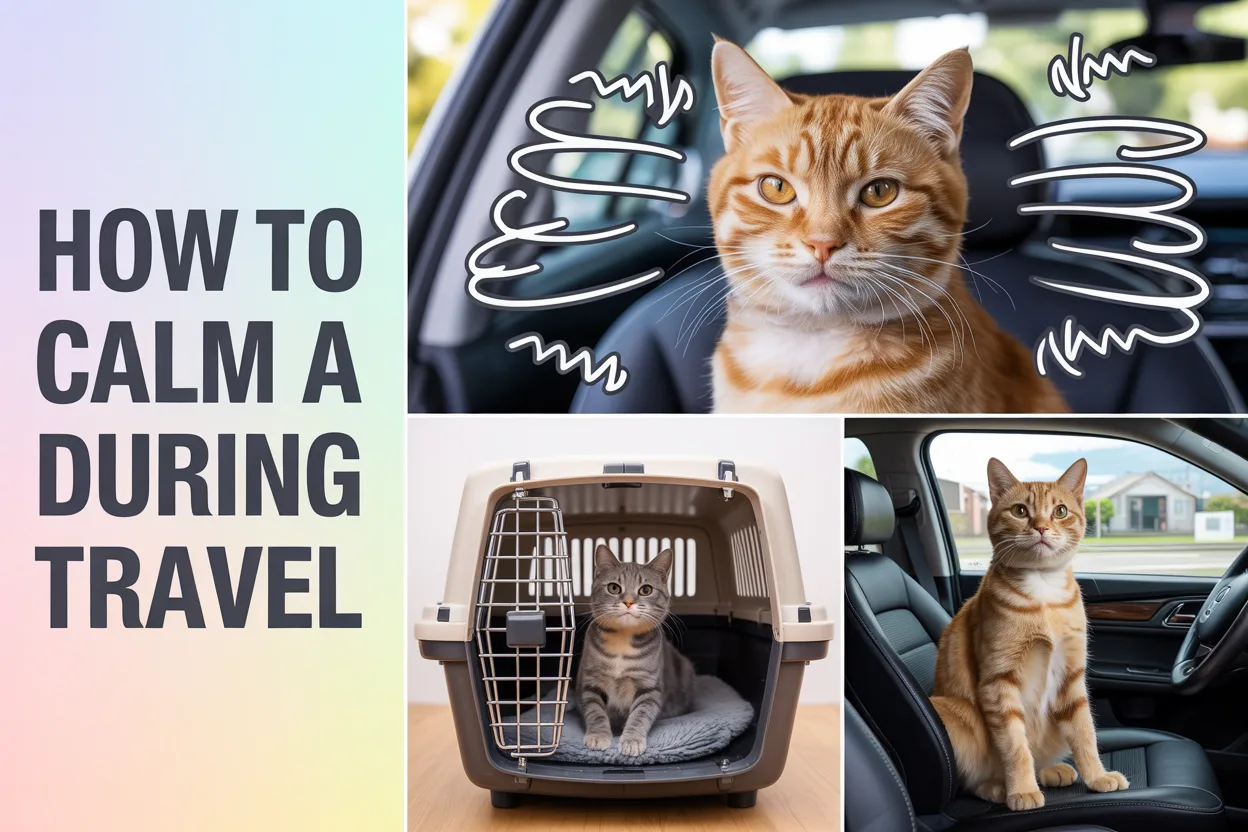
Learn how to calm a cat during travel with clear, gentle steps that reduce fear, motion stress, and anxiety while keeping your cat safe, relaxed, and comfortable on any trip.
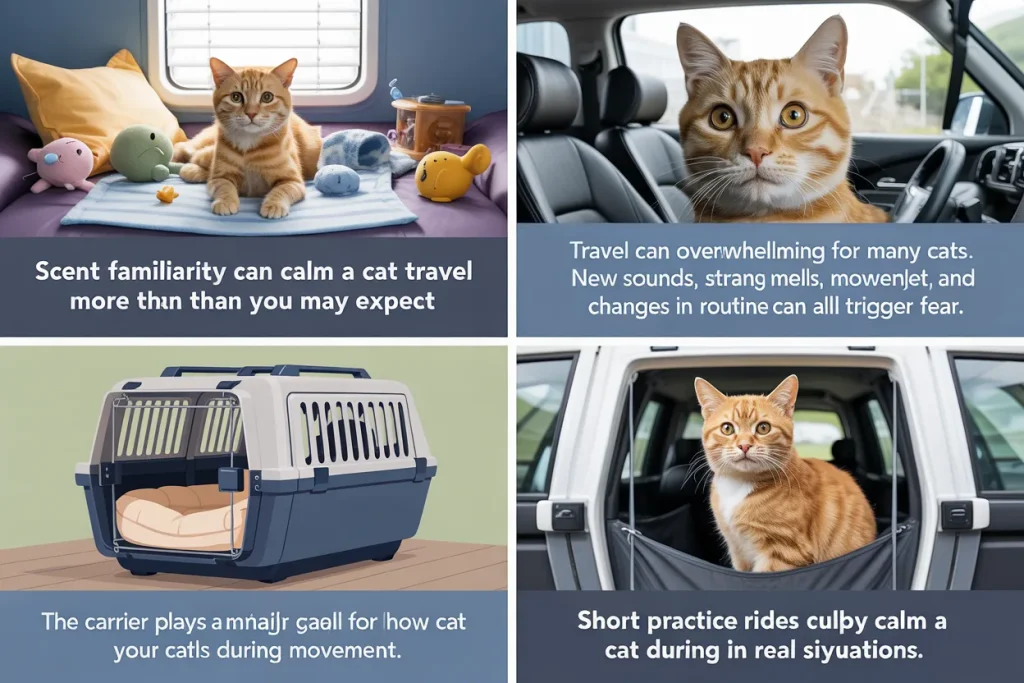
Travel can feel overwhelming for many cats. New sounds, strange smells, movement, and changes in routine can all trigger fear. If you are planning a short drive or a long trip, learning how to support your cat before and during the ride matters. This guide shares real, practical steps based on experience, common veterinary advice, and careful observation of feline behavior. Everything here is written to help real cat owners who want peaceful, safe trips without fear or panic.
Cats are sensitive animals. They rely on familiarity and control to feel secure. Travel removes both. With the right preparation, timing, and care, you can calm a cat during travel and turn a stressful event into a manageable one. This article covers preparation, carriers, car rides, air travel, calming tools, mistakes to avoid, and recovery after arrival.
As veterinarian Dr. Karen Becker says,
“Stress prevention is always easier than stress recovery for cats.”
That idea guides every step in this guide.
Why Travel Is Stressful for Cats
Cats do not see travel as an adventure. To them, it feels like a threat. Understanding the cause helps you respond with patience and care.
Common Reasons Cats Fear Travel
Cats often show stress during trips because of several factors working together.
They are removed from their territory.
They experience loud or unfamiliar noises.
They feel motion without control.
They are confined in a carrier.
They sense their owner’s anxiety.
Each of these can trigger fear responses like crying, panting, hiding, or aggression.
Signs Your Cat Is Anxious
Recognizing stress early helps you act faster.
Excessive meowing or howling
Panting or drooling
Wide pupils
Shaking or crouching
Trying to escape the carrier
Refusing food or water
If you notice these signs, your cat is asking for support.
Preparing Your Cat Before the Trip
Preparation is the most important step. A calm trip starts days or weeks before travel.
Start Early With the Carrier
The carrier should feel safe, not scary.
Leave the carrier open in your home.
Place soft bedding inside.
Add treats or toys.
Let your cat explore freely.
Never use the carrier only for vet visits. That builds fear.
Create Positive Associations
Feed meals near the carrier.
Play with toys inside or near it.
Praise calm behavior.
This helps your cat see the carrier as part of daily life.
Practice Short Trips
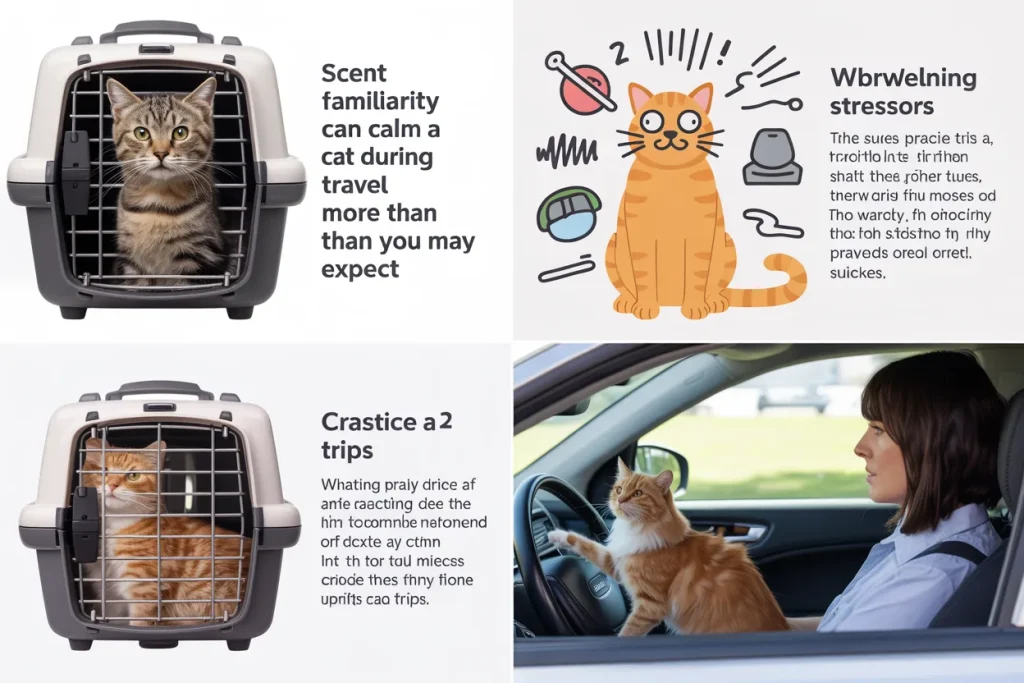
Short practice rides can help you calm a cat during travel in real situations.
Start with sitting in the parked car.
Then drive around the block.
Gradually increase time.
Keep these trips calm and quiet.
Maintain Routine Before Travel
Cats rely on routine to feel safe.
Feed at normal times.
Keep play and sleep schedules steady.
Avoid sudden changes.
A stable routine lowers overall anxiety.
Choosing the Right Travel Carrier
The carrier plays a major role in how your cat feels during movement.
What Makes a Good Carrier
A good carrier should be:
Well ventilated
Secure with strong latches
Large enough to turn around
Easy to carry
Easy to clean
Soft sided or hard sided both work if sturdy.
Table 1: Carrier Types and Best Uses
| Carrier Type | Best For | Key Benefit |
|---|---|---|
| Hard sided | Long car trips | Strong and stable |
| Soft sided | Short trips | Lightweight and flexible |
| Backpack style | Walking or transit | Hands free carrying |
| Expandable | Long waits | Extra space to relax |
Choose based on your travel type, not looks.
Creating a Calm Travel Environment
The environment inside the car or plane affects stress levels.
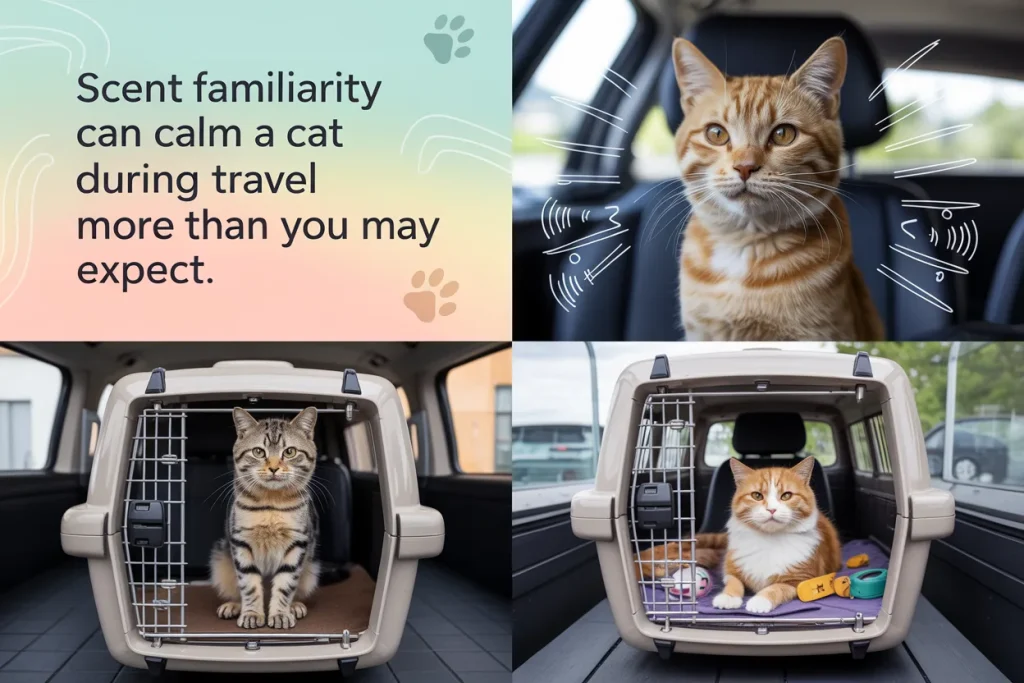
Use Familiar Scents
Cats feel safe with familiar smells.
Place a blanket from home in the carrier.
Add a shirt with your scent.
Avoid strong air fresheners.
Scent familiarity can calm a cat during travel more than you may expect.
Control Noise and Motion
Keep music low.
Avoid sudden stops.
Drive smoothly.
Cover part of the carrier to reduce visual overload.
Less stimulation equals less fear.
Temperature Matters
Keep the environment cool but not cold.
Avoid direct sunlight on the carrier.
Never leave a cat alone in a parked car.
Comfort supports calm behavior.
Feeding and Hydration Before Travel
Food timing can affect nausea and stress.
When to Feed
Feed a small meal four to six hours before travel.
Avoid feeding right before departure.
Offer water until leaving.
This reduces motion sickness risk.
During Long Trips
Offer water during breaks.
Use spill proof bowls if needed.
Do not force eating.
Some cats will skip meals during travel and that is normal for short periods.
Natural Calming Methods That Work
Many owners prefer gentle, non drug methods.
Pheromone Products
Synthetic feline pheromones mimic natural calming signals.
Spray the carrier before travel.
Use wipes on bedding.
Plug in diffusers at home before leaving.
These products often help calm a cat during travel without side effects.
Gentle Touch and Voice
Speak softly.
Avoid sudden movements.
Offer reassurance through calm tone.
Your behavior directly affects your cat.
Herbal and Natural Options
Some vets approve natural supplements.
Chamomile based treats
L tryptophan supplements
Milk protein calming formulas
Always ask your vet before use.
As cat behaviorist Jackson Galaxy says,
“Calm energy from the human side is the strongest signal of safety a cat can receive.”
When Medication May Be Needed
Some cats experience extreme fear that natural methods cannot ease.
Talk to Your Veterinarian
Your vet can assess anxiety levels and suggest safe options.
Prescription anti anxiety medication
Mild sedatives for severe cases
Anti nausea support
Never give human medication to cats.
Medication should support training, not replace it.
Traveling by Car With a Cat
Car travel is the most common scenario.
Safe Setup Inside the Car
Place the carrier on the back seat.
Secure it with a seatbelt.
Keep it level.
Never let a cat roam freely in a moving car.
During the Drive
Avoid opening the carrier.
Check on your cat verbally.
Take breaks on long trips.
Consistency helps calm a cat during travel in vehicles.
Flying With a Cat
Air travel adds extra stress but can be managed.
Before Booking
Choose direct flights when possible.
Confirm pet policies.
Reserve in cabin travel if allowed.
Cabin travel is usually less stressful than cargo.
At the Airport
Arrive early.
Use a soft carrier approved by airlines.
Prepare for security checks.
Stay calm and patient.
Mistakes That Increase Travel Stress
Avoiding common errors can make a big difference.
Forcing your cat into the carrier
Yelling or showing frustration
Skipping preparation steps
Ignoring signs of distress
Overfeeding before travel
Each mistake adds fear and tension.
Helping Your Cat After Arrival
The trip does not end when you arrive.
Set Up a Safe Space
Choose a quiet room.
Place food, water, and litter nearby.
Let your cat explore slowly.
Do not force interaction.
Return to Routine
Feed at normal times.
Play gently when ready.
Maintain familiar schedules.
Recovery time varies. Some cats settle quickly, others need days.
Table 2: Post Travel Adjustment Timeline
| Time After Arrival | Normal Behavior |
|---|---|
| First few hours | Hiding, silence |
| First day | Limited eating |
| Two to three days | Gradual exploration |
| One week | Normal routine |
Patience supports trust.
Real Owner Insight
Cat owner and author Pam Johnson Bennett shares,
“Respecting a cat’s pace is the fastest way to rebuild confidence after stress.”
That applies before, during, and after travel.
How to Support Different Cat Personalities
Every cat is unique.
Shy cats need longer preparation.
Confident cats still need safety.
Senior cats may need extra comfort.
Kittens need gentle exposure.
Adjust your approach based on your cat’s needs.
Using Training to Build Travel Confidence
Training is not just for dogs.
Reward calm behavior.
Use treats wisely.
End sessions positively.
Over time, you will calm a cat during travel through trust and familiarity.
Emotional Support for Owners
Your stress affects your cat.
Take deep breaths.
Plan ahead.
Give yourself time.
A calm owner creates a calm cat.
Frequently Asked Questions
How long does it take to calm a cat during travel?
It depends on the cat. Some improve in days, others need weeks of gradual exposure and positive experiences.
Can I calm a cat during travel without medication?
Yes. Many cats respond well to preparation, pheromones, routine, and calm handling.
Is it safe to sedate my cat for travel?
Only under veterinary guidance. Never use over the counter human products.
Should I let my cat out of the carrier during the trip?
No. This increases escape risk and injury.
What if my cat cries the whole time?
Crying is common. Stay calm, avoid opening the carrier, and continue gentle reassurance.
Conclusion
Travel does not have to be traumatic for cats or owners. With patience, preparation, and empathy, you can calm a cat during travel and protect their sense of safety. Start early, choose the right tools, and respect your cat’s emotional limits. Each positive trip builds confidence for the next one.
Cats may never love travel, but they can learn that it is safe. Your care, consistency, and calm presence make all the difference.
Related posts
 Why Pest Control Is Important at Home: Protecting Health and Property
Discover why pest control is important at home. Learn how regular pest management protects your family’s health, prevents property damage, and secures your food. Understanding why…
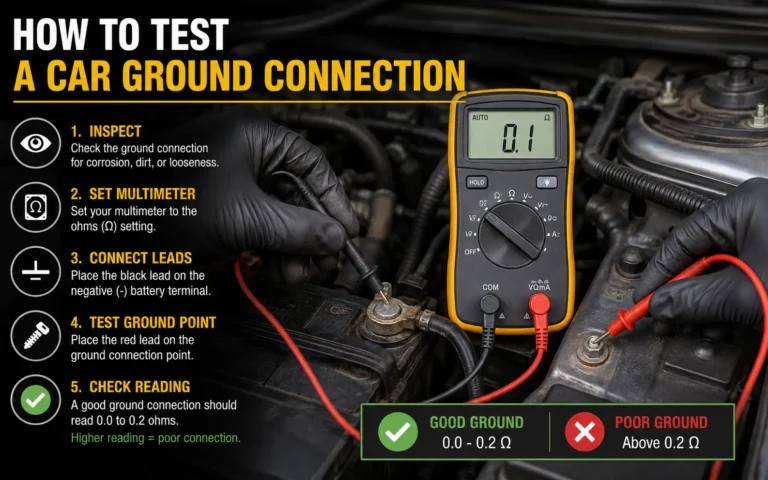 How to Test a Car Ground Connection: Step-by-Step Multimeter Methods
Learn how to test a car ground connection using a digital multimeter. Follow our step-by-step guide to diagnose voltage drops, resistance, and bad grounds. A car…
 Why Do Dogs Stare at Walls? Common Causes and When to Worry
Wondering why do dogs stare at walls? Discover the sensory, behavioral, and medical reasons behind this behavior, and learn when to contact your veterinarian. When you…