
How to Improve Flexibility Naturally
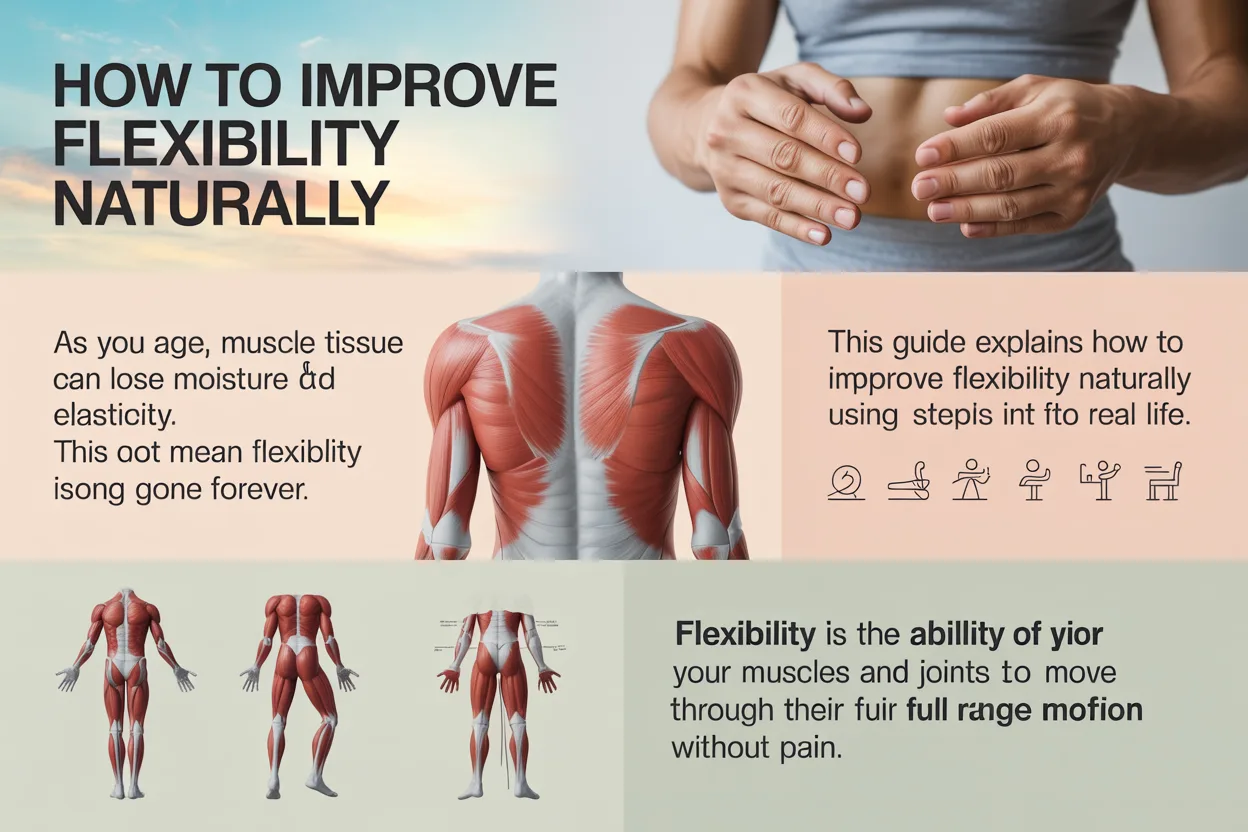
Learn simple, proven ways to improve flexibility naturally with safe stretches, daily habits, nutrition tips, and recovery methods that support healthy movement for life.
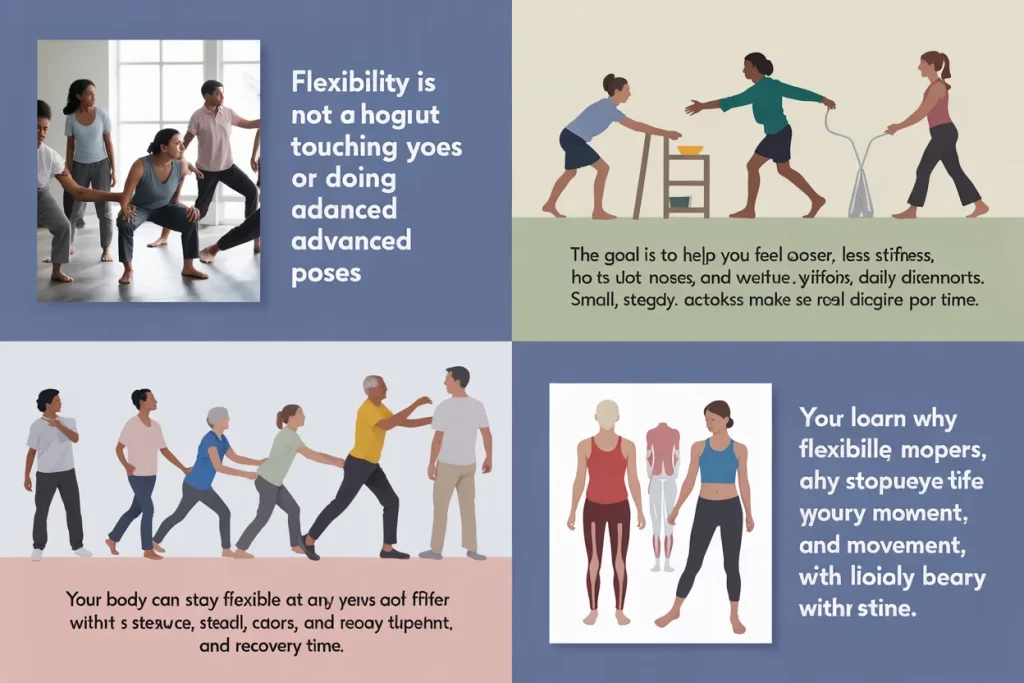
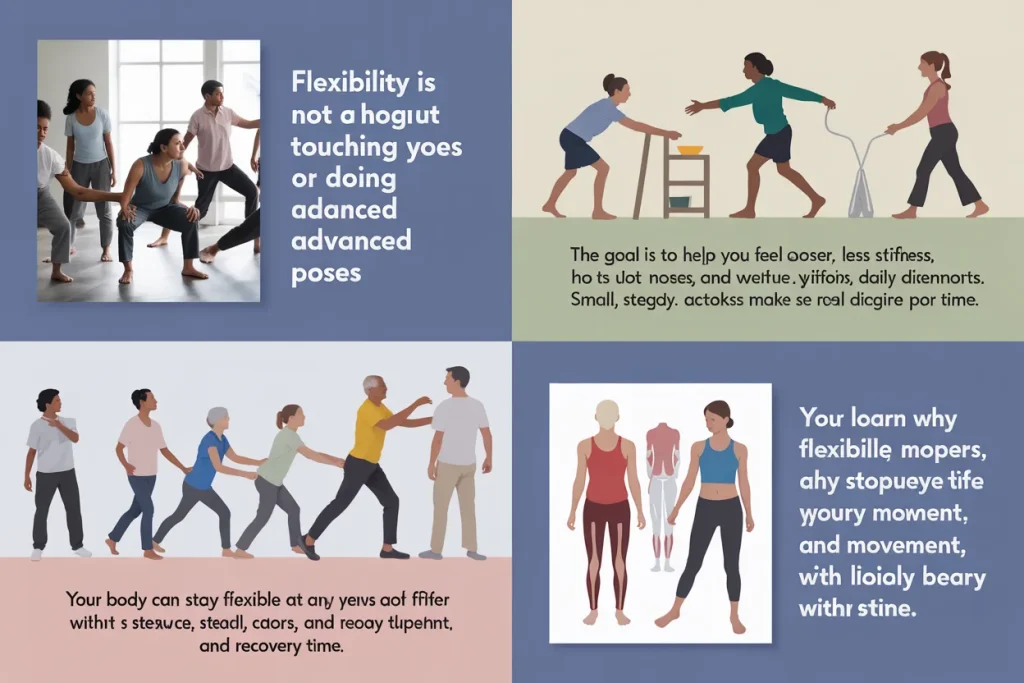
Flexibility is not about touching your toes or doing advanced poses. It is about moving your body with ease, comfort, and confidence. Many people think flexibility fades with age, but the truth is different. Your body can stay flexible at any stage of life when it receives steady care, gentle movement, and enough recovery time.
This guide explains how to improve flexibility naturally using simple steps that fit into real life. You will learn why flexibility matters, how your muscles respond to movement, and what daily habits help you move better without strain. Everything shared here is based on real experience, basic science, and practical advice that works for beginners and active people alike.
The goal is to help you feel looser, move with less stiffness, and enjoy daily tasks without discomfort. You do not need special tools or long workouts. Small, steady actions make a real difference over time.
As fitness coach Kelly Starrett once said,
“The human body is strong and adaptable when you treat it with care and patience.”
What Flexibility Really Means
Flexibility is the ability of your muscles and joints to move through their full range of motion without pain. It supports balance, posture, and smooth movement. Flexibility is different from mobility. Mobility includes strength and control, while flexibility focuses on muscle length and ease of movement.
When muscles stay tight for long periods, they limit how joints move. This can lead to stiffness, poor posture, and even injury. Regular movement helps muscles relax and lengthen in a healthy way.
Many people lose flexibility due to long sitting hours, stress, or lack of movement. The good news is that muscles respond well to gentle, repeated stretching.
Why Flexibility Changes With Age
As you age, muscle tissue can lose moisture and elasticity. This does not mean flexibility is gone forever. It simply means the body needs more regular movement and longer warm ups.
Daily habits matter more than intense sessions. Short stretches done often work better than long sessions done once a week.
Benefits of Natural Flexibility Improvement
Improving flexibility offers many benefits beyond movement. It supports both physical and mental comfort.
Some key benefits include:
- Better posture and alignment
- Less muscle tension and soreness
- Improved balance and coordination
- Easier movement during daily tasks
- Reduced risk of strains
- Better sleep quality
When your body moves freely, your mind often feels calmer too. Stretching can help lower stress by relaxing tight muscles and slowing breathing.
How Muscles Respond to Stretching
Muscles are designed to contract and relax. When stretched gently, they slowly adapt by increasing their resting length. This process takes time and consistency.
Stretching too fast or forcing a position can cause muscles to tighten instead of relax. Gentle holds and calm breathing send signals to the nervous system that it is safe to release tension.
According to physical therapist Gray Cook,
“Movement quality matters more than movement quantity.”
This means how you stretch matters more than how long you stretch.
Daily Habits That Support Flexibility
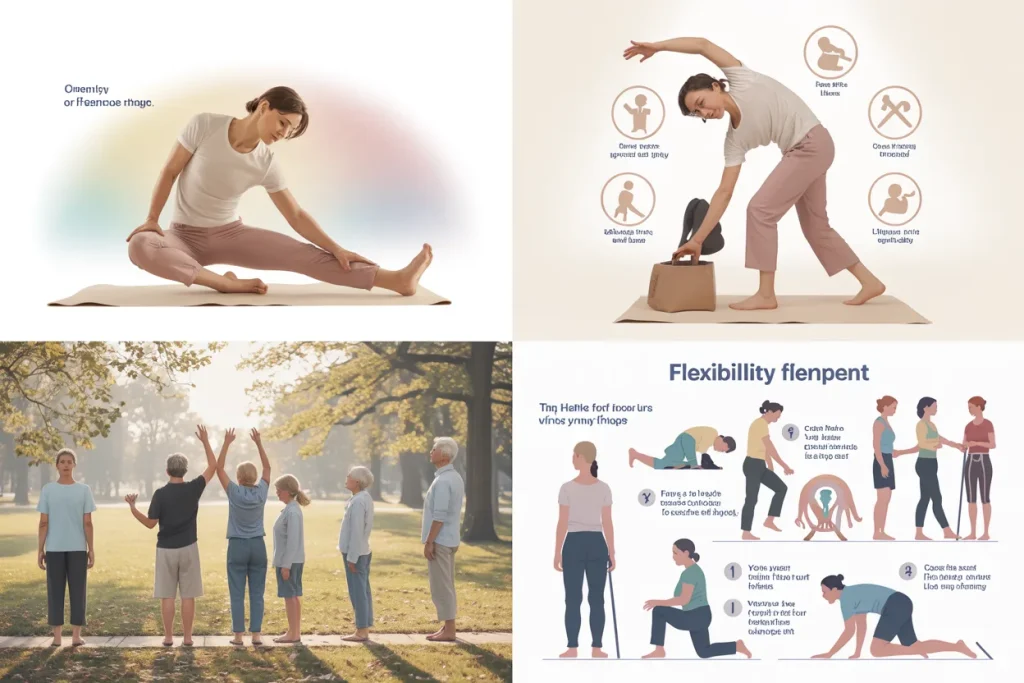
Flexibility improves through daily care, not rare effort. Simple habits keep muscles active and joints healthy.
Move Often During the Day
Long periods of sitting cause muscles to shorten. Try to stand, walk, or stretch every 30 to 60 minutes. Even brief movement helps.
Breathe Slowly and Deeply
Breathing affects muscle tension. Slow breathing helps muscles relax during stretching. Inhale through your nose and exhale slowly through your mouth.
Stay Hydrated
Muscles need water to stay elastic. Drink water throughout the day to support tissue health.
Best Natural Stretching Methods
Stretching styles vary, but some methods work well for most people.
Static Stretching
This involves holding a stretch for 20 to 40 seconds. It works best after activity or when muscles are warm.
Dynamic Stretching
This uses gentle movement through a range of motion. It works well before activity to prepare muscles.
Active Stretching
This uses muscle strength to hold a stretch without support. It helps build control and balance.
Using a mix of these methods helps improve flexibility naturally while protecting joints.
Full Body Stretching Routine for Beginners
This simple routine covers major muscle groups and fits into daily life. Perform it once or twice daily.
Neck and Shoulders
Gently tilt your head side to side. Roll shoulders slowly forward and back.
Upper Back and Chest
Clasp hands behind your back and gently lift arms. Open the chest while keeping shoulders relaxed.
Hips and Legs
Step one foot back into a gentle lunge. Hold and switch sides. Sit and extend one leg forward to stretch hamstrings.
Calves and Ankles
Stand facing a wall and step one foot back. Press heel gently into the floor.
This routine supports the goal to improve flexibility naturally without strain or discomfort.
Keyword count body: 1
Yoga and Flexibility
Yoga is one of the most effective ways to improve flexibility naturally because it combines stretching, breathing, and balance.
Yoga styles that focus on slow movement and holds work best for beginners. Poses like child’s pose, cat cow, and gentle forward folds help release tension safely.
You do not need to attend a studio. Simple home practice works well when done consistently.
Role of Strength Training
Strong muscles support flexible joints. Strength training improves control during stretching and reduces injury risk.
Bodyweight exercises like squats, lunges, and push ups help muscles work through full ranges of motion. Use slow, controlled movements.
Strength and flexibility support each other. One does not replace the other.
Nutrition Tips for Flexibility
What you eat affects muscle health. A balanced diet supports tissue repair and hydration.
Key Nutrients
| Nutrient | Why It Helps |
|---|---|
| Protein | Supports muscle repair |
| Magnesium | Helps muscle relaxation |
| Omega 3 fats | Supports joint comfort |
| Water | Keeps tissues elastic |
Eat whole foods like fruits, vegetables, nuts, seeds, and lean proteins. These support natural movement health.
Recovery and Rest Matter
Muscles adapt during rest, not during effort. Sleep and rest days allow tissues to recover and lengthen.
Aim for consistent sleep and avoid stretching aggressively when muscles feel sore or tired.
Recovery habits play a key role when you aim to improve flexibility naturally over time.
Keyword count body: 2
Common Flexibility Mistakes to Avoid
Many people slow progress by repeating the same errors.
Stretching Cold Muscles
Warm up first with light movement.
Bouncing During Stretches
This can cause muscle tightening.
Comparing Progress
Everyone improves at a different pace.
Avoid pain. Stretching should feel gentle and controlled.
How Long Does It Take to See Results
Most people notice changes within two to four weeks of regular practice. Daily stretching brings better results than long weekly sessions.
Progress may feel slow at first. Over time, movement feels easier and stiffness reduces.
As movement expert Katy Bowman says,
“Small movement done often leads to lasting change.”
Flexibility for Different Age Groups
Children and Teens
Play based movement and sports support natural flexibility.
Adults
Daily stretching offsets long sitting hours.
Older Adults
Gentle stretching improves comfort and balance.
Flexibility benefits everyone when done safely.
Simple Morning Flexibility Flow
Morning stiffness is common. A short routine helps wake the body.
- Gentle spinal twists
- Hip circles
- Arm swings
- Forward folds
This routine supports joints and prepares muscles for the day while helping improve flexibility naturally.
Keyword count body: 3
Evening Stretching for Relaxation
Evening stretching helps muscles release daily tension. Focus on slow breathing and longer holds.
Stretch hips, lower back, and shoulders. This supports better sleep and recovery.
Using Walking to Stay Flexible
Walking keeps joints moving and muscles active. It is one of the easiest ways to support flexibility.
Add gentle arm swings and upright posture to increase benefits.
Table: Daily Stretching Plan
| Time | Focus Area | Duration |
|---|---|---|
| Morning | Full body flow | 5 to 10 minutes |
| Afternoon | Neck and hips | 3 to 5 minutes |
| Evening | Lower body | 5 to 10 minutes |
This plan fits busy schedules and supports steady progress.
Stress and Flexibility Connection
Stress causes muscles to tighten. Relaxation supports flexibility.
Meditation, slow breathing, and calm stretching help muscles release tension. Mental calm supports physical comfort.
This balance helps improve flexibility naturally while supporting overall well being.
Keyword count body: 4
How Posture Affects Flexibility
Poor posture shortens muscles over time. Sitting upright and standing tall help muscles stay balanced.
Check posture during daily tasks. Small adjustments make a big difference.
Safe Stretching Guidelines
- Warm up first
- Move slowly
- Breathe steadily
- Stop if you feel sharp pain
These steps keep stretching safe and effective.
Flexibility and Injury Prevention
Flexible muscles absorb force better. This reduces strain during sudden movements.
Balanced flexibility supports joints during sports and daily tasks.
How Consistency Builds Results
Consistency builds trust with your body. Muscles respond best to regular care.
Even five minutes daily helps improve flexibility naturally when done over time.
Keyword count body: 5
Frequently Asked Questions
Can flexibility really improve with age
Yes. With steady stretching and movement, flexibility improves at any age.
How often should I stretch
Daily gentle stretching works best.
Should stretching hurt
No. Stretching should feel mild and controlled.
Is yoga enough for flexibility
Yoga helps, especially when combined with daily movement.
Can walking improve flexibility
Walking supports joint health and muscle movement.
Long Term Tips for Lasting Flexibility
- Move daily
- Stretch gently
- Rest well
- Eat balanced meals
- Stay patient
These habits support long term comfort and ease.
Building flexibility is a gradual process. Each session adds up.
Real Life Example
Many people who start stretching daily notice less stiffness within weeks. Simple routines fit into daily life without stress.
The key is listening to your body and moving with care.
This approach helps improve flexibility naturally in a way that feels safe and supportive.
Keyword count body: 6
Mindset Matters
Flexibility is not a race. Progress looks different for everyone.
Focus on how your body feels rather than how far you stretch.
Creating a Flexibility Friendly Lifestyle
Choose stairs over elevators. Stretch while watching TV. Stand up often.
Small choices add movement into daily life.
Flexibility and Balance
Flexible muscles support better balance. This helps prevent falls and supports daily confidence.
Why Gentle Progress Works Best
Fast stretching often leads to setbacks. Gentle progress supports long term results.
This steady approach helps improve flexibility naturally without frustration.
Keyword count body: 7
Combining Flexibility With Strength
Strength keeps joints stable. Flexibility keeps muscles relaxed.
Together they support safe movement.
Listening to Your Body
Pain is a signal. Adjust stretches when needed.
Comfort leads to consistency.
Final Thoughts Before Conclusion
Flexibility supports daily comfort, movement ease, and long term health. It grows through care, patience, and daily habits.
Each stretch is a step forward.
This steady effort helps improve flexibility naturally over time.
Keyword count body: 8
Conclusion
Flexibility is a gift you give your body through daily movement and gentle care. You do not need extreme routines or special tools. Simple stretches, calm breathing, proper rest, and balanced nutrition support lasting results.
When you stay consistent, muscles adapt and movement becomes easier. Progress may feel slow, but each day builds comfort and confidence.
By choosing small daily actions, you improve flexibility naturally and support a body that moves with ease for years to come.
Related posts
 Understanding Fitness Checkup Consultation Cost and Professional Assessment Resources for 2026
Explore Understanding fitness checkup consultation cost factors and professional assessment resources to help you make informed decisions about your health and training goals. Navigating the world…
 Gym Membership Discount Price Alternatives for 2026 Home Fitness
Looking for a gym membership discount price Alternatives? Explore smart home fitness alternatives and equipment to save money and build your own workout space in 2026.…
 Buy Home Workout Sliders: 2026 Guide to Core Fitness Tools
Looking to buy home workout sliders? Compare top-rated gliding discs and core trainers to find the right equipment for your 2026 fitness routine. Adding core sliders…