
How To Stop Puppy Crying At Night
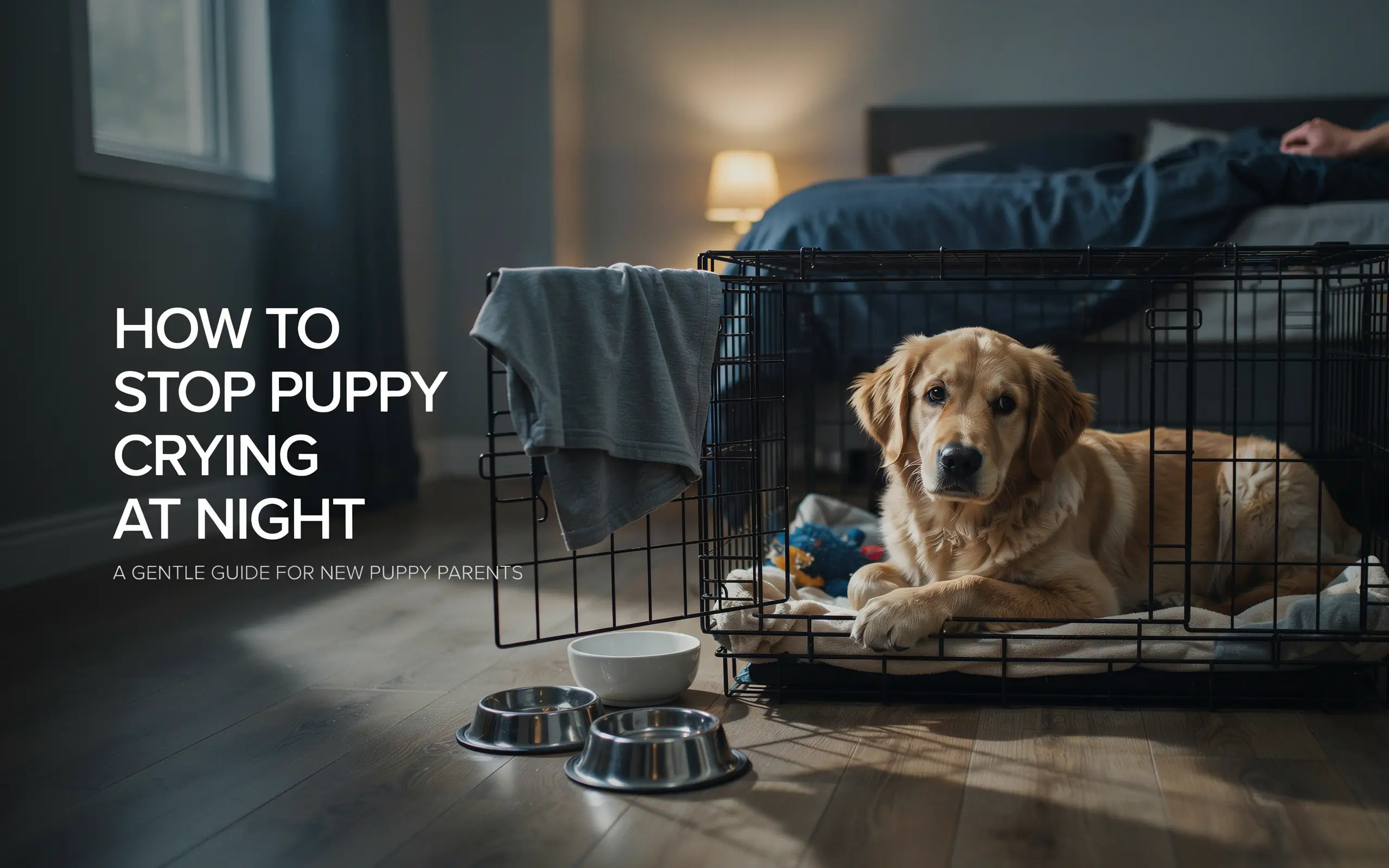
If you want to stop puppy crying at night, start by understanding why they cry. This guide covers crate training, bedtime routines, and comfort techniques to help your puppy sleep peacefully.
Bringing a new puppy home is one of the most exciting experiences. Those little paws, floppy ears, and curious eyes make your heart melt. But then night falls, and the crying begins. It starts as a small whimper, then turns into a full cry that feels impossible to ignore. You lie in bed, feeling helpless and exhausted.
This is completely normal. Almost every new puppy owner goes through this. The good news is that you can stop puppy crying at night with patience and the right approach. It does not take magic. It takes understanding, routine, and a little bit of love.
This guide will walk you through exactly what to do. You will learn why puppies cry, how to set up their sleeping space, and what to do when the crying starts. By the end, you will have a clear plan to help your puppy (and yourself) get a good night’s rest.
Why Puppies Cry at Night
Before you can stop puppy crying at night, you need to understand why it happens. Puppies are not crying to be difficult. They are crying because they are communicating something important.
They Miss Their Family
For the first eight weeks of life, puppies sleep in a pile with their mother and littermates. This is how they feel safe. They are used to warmth, heartbeats, and the comfort of others nearby. Suddenly, they are in a new home with new smells and new sounds. They are alone for the first time. This is scary for a tiny puppy.
Everything Is New
Your home is unfamiliar. The sights, the sounds, the smells are all different from what they knew. A quiet, dark room can feel overwhelming to a young puppy. They do not understand that they are safe. They only know that everything has changed.
They Have Physical Needs
Puppies have small bladders. They cannot hold their urine through the night like adult dogs can. If they need to go to the toilet, they will cry to let you know. They may also cry if they are hungry, too hot, or too cold.
They Are Seeking Comfort
Crying is a survival instinct. In the wild, a puppy’s cry would call their mother for care and protection. This instinct does not disappear just because they are in a home. Your puppy cries because they want to know you are there and that they are safe.

Should You Ignore a Crying Puppy?
This is one of the most common questions new owners ask. The answer is no. You should not leave your puppy to cry it out.
When a puppy cries, it is a cry for help. If you ignore them, they learn that help is not coming. They may stop crying, but not because they feel better. They stop because they have given up. This is called learned helplessness, and it can cause long-term anxiety.
Instead, you should respond calmly. Check if they need the toilet. Reassure them with a soft voice. Then gently settle them back down. This teaches your puppy that you will meet their needs while also encouraging them to self-soothe.
Creating a Comfortable Sleeping Space
A good sleeping environment is key to stop puppy crying at night. Your puppy needs to feel safe and secure in their bed.
Choose the Right Location
Place your puppy’s bed in a quiet area with low foot traffic. Avoid drafty spots and loud noises. The space should be comfortable and calm. Many experts suggest keeping the crate in your bedroom for the first few nights. This lets your puppy know you are close by.
Make It Cosy
Add a soft bed, a warm blanket, and a cuddly toy. A toy that mimics a heartbeat or warmth can be very comforting. You can also place an item of your clothing in the bed. Your scent will help your puppy feel secure.
Consider a Crate
Crate training can be very helpful. A crate gives your puppy a den-like space where they feel safe. However, the crate must be introduced positively. Never use it as punishment. Make it a fun place with treats and toys.
| Reason for Crying | What to Do |
|---|---|
| Loneliness and fear | Sleep near them, use comforting scents |
| Needs the toilet | Take them out calmly, then return to bed |
| Hunger or thirst | Feed a few hours before bed, limit water late |
| Too hot or cold | Adjust room temperature, check bedding |
Establishing a Bedtime Routine
Routines are powerful for puppies. A consistent schedule helps them know what to expect. This reduces anxiety and makes it easier to stop puppy crying at night.
Feed Early
Give your puppy their last meal at least three hours before bedtime. This gives them time to digest and use the bathroom. A full stomach right before bed can lead to discomfort and crying.
Limit Water
Restrict water intake about one to two hours before bed. This reduces the chance of them needing a middle-of-the-night toilet break.
Evening Exercise
A tired puppy sleeps better. Take them for a short walk or have a gentle play session in the evening. Physical activity burns energy and helps them relax. Mental exercise, like puzzle toys, is also great for tiring them out.
Final Toilet Break
Always take your puppy out for a final wee just before bedtime. This is non-negotiable. A full bladder is one of the main reasons puppies cry at night.
Calm Bedtime Activities
About 30 minutes before bed, start winding down. Avoid rough play or exciting games. Instead, have quiet cuddle time or let them chew on a toy calmly. This signals that it is time to sleep.
What to Do When Your Puppy Cries at Night
Even with the best preparation, your puppy may still cry. Here is what to do when it happens.
Respond Calmly
When you hear crying, get up calmly. Do not rush over in a panic. Your calm energy will help your puppy stay calm too. Speak in a soft, soothing voice.
Check for a Toilet Need
First, assume they need the toilet. Take them outside to their designated spot. Keep this interaction quiet and boring. No play, no excitement. Just a calm trip to the toilet and back. Once they have gone, give quiet praise and return them to bed.
Offer Brief Reassurance
If they do not need the toilet, they may just need reassurance. A gentle word or a brief touch can help. You can also place your hand near the crate so they know you are there. Keep this short. Too much attention can turn into a reward for crying.
Avoid Picking Them Up
Try not to pick your puppy up every time they cry. This can become a habit. Instead, soothe them in their bed. This teaches them that their bed is a safe place.
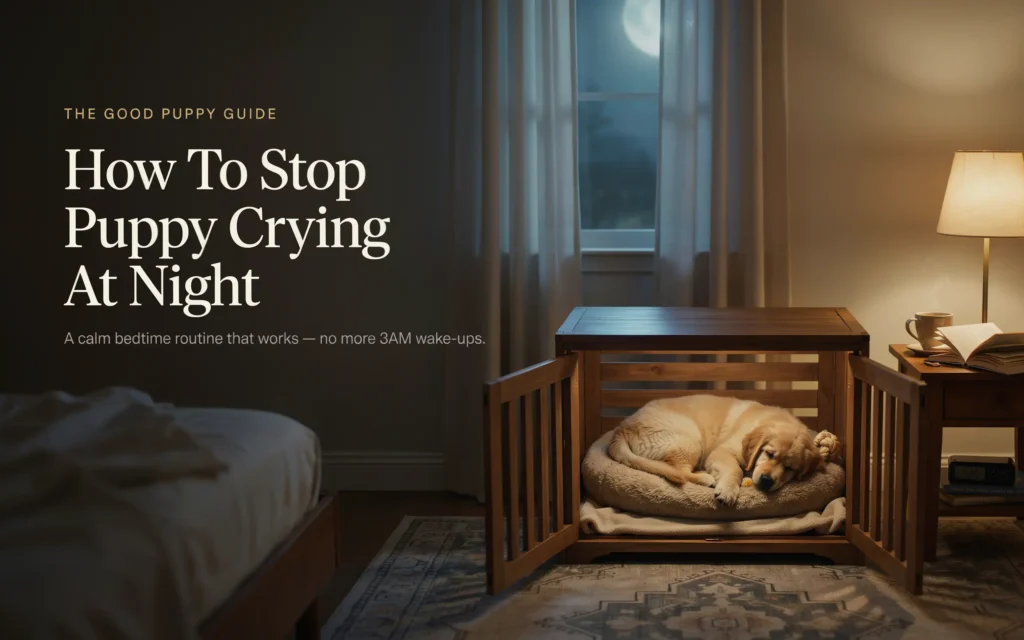
Crate Training Tips to Stop Puppy Crying at Night
Crate training is one of the most effective ways to stop puppy crying at night. But it must be done correctly.
Introduce the Crate Slowly
Do not just put your puppy in the crate and close the door. Spend time making the crate a positive place. Leave the door open during the day. Put treats and toys inside. Let your puppy explore it on their own terms.
Feed Meals in the Crate
A great way to build positive associations is to feed your puppy their meals in the crate. This helps them see the crate as a place of good things.
Start with Short Periods
Begin with short periods of crate time while you are home. Gradually increase the time. This builds their confidence.
Keep the Crate Close
For the first few nights, keep the crate in your bedroom. Your puppy needs to know you are near. As they become more confident, you can slowly move the crate to its permanent location.
Use Comforting Tools
A soft toy, a warm blanket, or a calming scent can make the crate feel more inviting. Some owners use white noise machines or gentle music to help their puppy settle.
Balancing Comfort and Independence
Your goal is to help your puppy feel secure while also teaching them to be independent. This balance is important.
Respond to Genuine Needs
If your puppy cries because they need the toilet or are scared, respond. Meeting their needs builds trust.
Do Not Reward Excessive Crying
However, you do not want to reinforce crying as a way to get attention. If you have checked their needs and they are fine, a brief reassurance is enough. Then let them settle back down.
Gradually Increase Distance
Over time, you can start to increase the distance between you and your puppy at night. Move their crate a little further from your bed each week. This helps them learn to be alone.
How Long Will the Crying Last?
This is a question every tired owner wants to know. The answer depends on the puppy.
The First Few Nights
Most puppies cry for the first few nights. This is the hardest part. They are adjusting to a huge change.
The First Few Weeks
Crying typically reduces significantly after the first week or two. With consistent training, many puppies settle within a few weeks.
Every Puppy Is Different
Some puppies are naturally more confident. Others are more anxious. Breed, temperament, and past experiences all play a role. Do not compare your puppy to others. Focus on your own progress.
By 3 to 4 Months Old
Most puppies are fully settled by the time they are three to four months old. They can sleep through the night without crying.
| Week | What to Expect |
|---|---|
| First few nights | Lots of crying, frequent waking |
| Week 1 to 2 | Crying reduces, longer sleep periods |
| Week 3 to 4 | Most puppies settle, occasional wake-ups |
| 3 to 4 months | Sleeping through the night consistently |
Common Mistakes to Avoid
When you are tired and frustrated, it is easy to make mistakes. Here are some common ones to avoid.
Punishing Your Puppy
Never punish your puppy for crying. Crying is their only way to communicate. Punishment will only make them more anxious and fearful.
Over-Stimulation Before Bed
Rough play or exciting games right before bed can make it harder for your puppy to wind down. Keep bedtime calm and quiet.
Inconsistent Routines
Puppies thrive on consistency. If you change the routine every night, they will get confused. Stick to the same schedule as much as possible.
Giving In to Every Whimper
If you run to your puppy every time they make a sound, they will learn that crying gets your attention. It is okay to let them self-soothe for a short time, as long as their needs are met.
When to See a Vet
Sometimes, crying at night can be a sign of a medical issue. If your puppy cries excessively, it is worth checking with your vet.
Signs of Illness
Excessive crying can be a sign of pain or illness. Look for other symptoms like poor appetite, vomiting, diarrhea, or lethargy. If you see these signs, call your vet.
Teething Pain
Puppies go through teething. This can be uncomfortable and cause crying. Provide safe chew toys to help soothe their gums.
Urinary Issues
If your puppy needs to go to the toilet very often, they may have a urinary tract infection. A vet can check for this.
Frequently Asked Questions
How long does it take to stop puppy crying at night?
Most puppies cry for the first few nights. Crying usually reduces after a week or two. Most puppies are fully settled by three to four months of age.
Should I ignore my puppy crying at night?
No. Ignoring a crying puppy can lead to learned helplessness. Respond calmly, check their needs, and reassure them briefly.
Can I let my puppy sleep in my bed?
It is best to avoid this. Letting your puppy sleep on your bed can lead to behavioral problems later. It is better to have them in their own bed or crate in your room.
How many times should I take my puppy out at night?
Young puppies may need one or two toilet breaks during the night. As they grow, they will be able to hold their bladder longer.
What if my puppy cries for hours in the crate?
If your puppy cries for more than 20 to 30 minutes after their needs are met, they may need more reassurance. They may also be struggling with crate training. Go back to basics and make the crate a more positive place.
Does exercise help stop puppy crying at night?
Yes. A well-exercised puppy is more likely to sleep soundly. Make sure your puppy gets enough physical and mental activity during the day.
What age do puppies stop crying at night?
Many puppies start to cry less around eight weeks old, but they are usually fully settled by three to four months.
Conclusion
Learning to stop puppy crying at night takes time, patience, and understanding. Your puppy is not crying to make you angry. They are crying because they are scared, lonely, or have a physical need. Your job is to respond with kindness and consistency.
Start by creating a comfortable sleeping space. Establish a calming bedtime routine. Respond to your puppy’s cries calmly and check their needs. Use crate training as a positive tool. And most importantly, be patient with yourself and your puppy.
This phase will not last forever. With the right approach, your puppy will learn to feel safe and sleep through the night. You will both get the rest you need. And when that happens, you will look back on these early nights and realize it was all worth it.
Your puppy is learning to trust you. Every calm response, every gentle reassurance, builds that trust. So take a deep breath, follow these steps, and know that better nights are ahead.
Related posts
 Best Beds for Large Dogs 2026: Top Comfort and Support Picks
Finding the right best beds for large dogs is essential for comfort. Compare top-rated orthopedic, elevated, and washable options for your pet in 2026. Choosing the…
 Best Pet Supplies Online: 2026 Essentials for Every Companion
Discover the best pet supplies online for 2026. We review top-rated toys, grooming tools, and walking gear to help you make the right choice for your…
 Best Pet Care Products for Beginners in 2026
Discover the best pet care products for beginners to keep your home clean and your pets comfortable. Simple, effective solutions for daily grooming and hygiene. Welcoming…