
Countertop Materials Explained
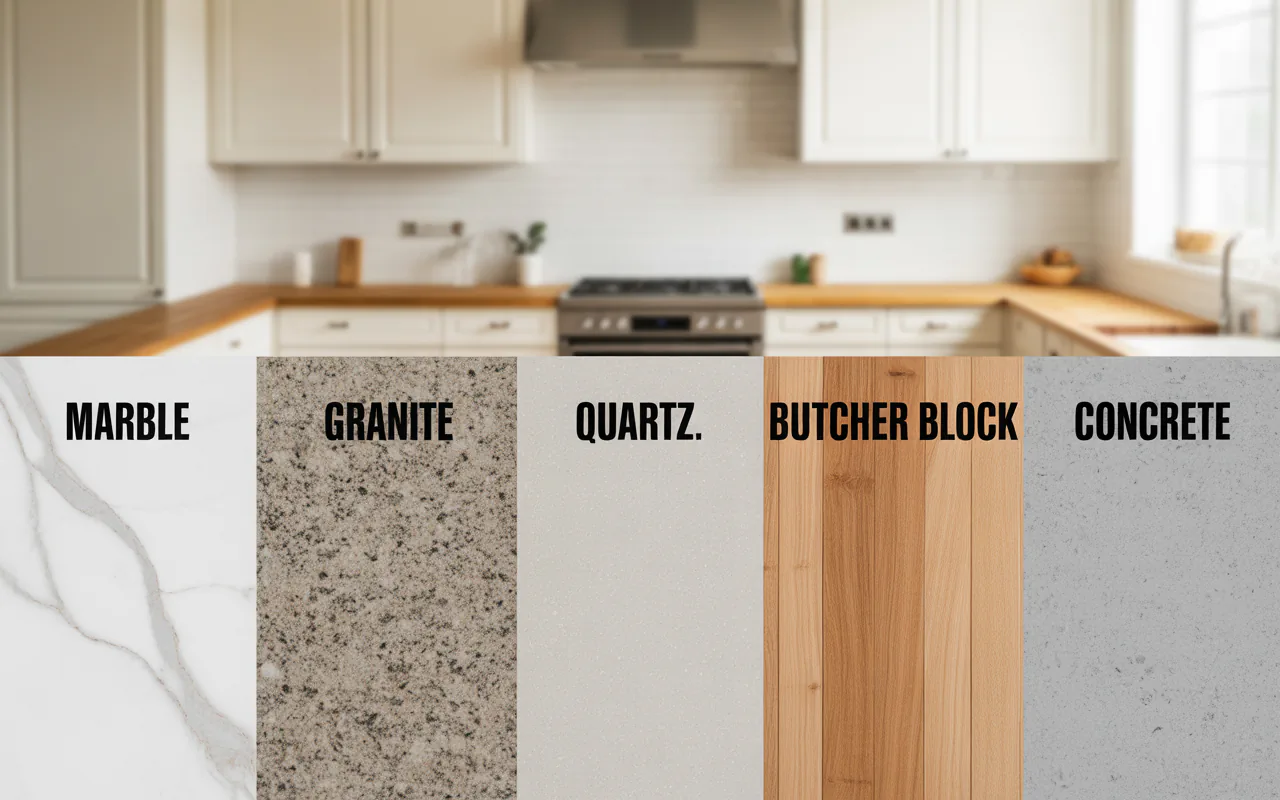
If you need countertop materials explained, this guide gives clear answers. Compare granite, quartz, laminate, marble, and solid surface for cost, durability, and daily care. Perfect for your kitchen or bath update.
Picking a new countertop can feel like a big decision. There are so many choices. Some look like natural stone. Others are man made. You want something that looks nice, works hard, and fits your money plan. That is why I wrote this guide. I have helped friends and family pick countertops for years. I also talked to local builders and shop owners. In this article, I will give you a full countertop materials explained breakdown. You will learn what each material is good for, where it falls short, and how to take care of it. Let us get started.
What Makes a Good Countertop?
Before we look at each material, let us talk about what matters most. A good countertop should handle daily life. You will put hot pans on it. You will spill wine or coffee. You might drop a knife. So think about these four things:
- Durability: Does it scratch, stain, or chip easily?
- Maintenance: Do you need to seal it often? Special cleaners?
- Cost: What is the price per square foot including installation?
- Look: Does it fit your style? Colors and patterns matter too.
Now that you know what to look for, let me walk you through each popular option. This countertop materials explained guide will help you match the right material to your home.
“The best countertop is not the most expensive one. It is the one that fits how you actually live and cook every day.” – Linda Chen, Home Renovation Coach
Natural Stone Options
Natural stone comes straight from the earth. It is cut into slabs and polished. Each piece has unique veins and spots. Here are the most common stones.
Granite
Granite is a top pick for many homes. It is very hard and resists heat well. You can put a hot pan right on it without worry. Granite also comes in many colors, from white and gray to deep black and green.
Good sides: Very durable. Heat resistant. Adds value to your home. Many color choices.
Bad sides: Needs sealing once a year to stop stains. Heavy, so cabinets must be strong. Some patterns look busy.
Granite costs between 40 and 100 dollars per square foot installed. If you want a natural stone that lasts for decades, granite is a strong choice. In this countertop materials explained series, granite is the most common natural stone used today.
Marble
Marble has a classic, elegant look. Think of white stone with soft gray veins. Many people love marble for baking because it stays cool. But marble has a soft side. It scratches easily. Acidic things like lemon juice or vinegar can etch the surface.
Good sides: Beautiful and timeless. Stays cool for pastry work. Each slab is one of a kind.
Bad sides: Soft and easy to scratch. Stains fast. Needs regular sealing. Higher cost, often 70 to 150 per square foot.
Marble works best on islands or low use areas. If you have kids who love to help cook, marble may cause you stress.
Soapstone and Slate
Soapstone feels smooth like a bar of soap. It is dark gray or black. Slate has a rougher look with green, gray, or purple tones. Both are heat resistant and do not need sealing. However, soapstone scratches easily, but you can sand out the marks.
Soapstone pros: Heat proof. No sealing. Develops a nice patina over time.
Soapstone cons: Soft, scratches. Limited colors. Costs 70 to 120 per square foot.
Slate pros: Very hard. Water resistant. Natural non slip surface.
Slate cons: Uneven surface can be hard to clean. Limited styles.
These stones are less common but perfect for a rustic or industrial kitchen.
Engineered Materials
Engineered materials are man made. They mix natural stone dust with resins or other binders. This gives you a consistent look with fewer flaws.
Quartz
Quartz is a top seller right now. It is about 90 percent crushed quartz stone mixed with resin. The result is a non porous surface. You do not need to seal it. Quartz resists stains and scratches very well.
Good sides: No sealing ever. Wide range of colors, including bright white and deep blue. Very durable. Uniform pattern.
Bad sides: Cannot take high heat. A hot pan will burn the resin. Direct sunlight may yellow some colors over time. Costs 50 to 120 per square foot.
Quartz is great for busy families. You can spill red wine on it, wipe it up, and see no stain. This countertop materials explained review shows quartz as a low maintenance hero.
“I tell my clients to choose quartz if they want beauty without the weekly worry. It is the smart choice for modern living.” – Marcus Wright, Kitchen and Bath Designer
Solid Surface
Solid surface countertops like Corian are completely man made. They are made from acrylic or polyester resins. The big plus is that scratches and small damage can be sanded out. You can also get seamless joints and built in sinks.
Good sides: Repairable. Seamless look. Many colors and patterns. Non porous.
Bad sides: Scratches more easily than quartz or granite. Not heat resistant. Can feel plastic to some people. Costs 40 to 80 per square foot.
Solid surface works well in bathrooms or laundry rooms. For a main kitchen, many people choose quartz instead.
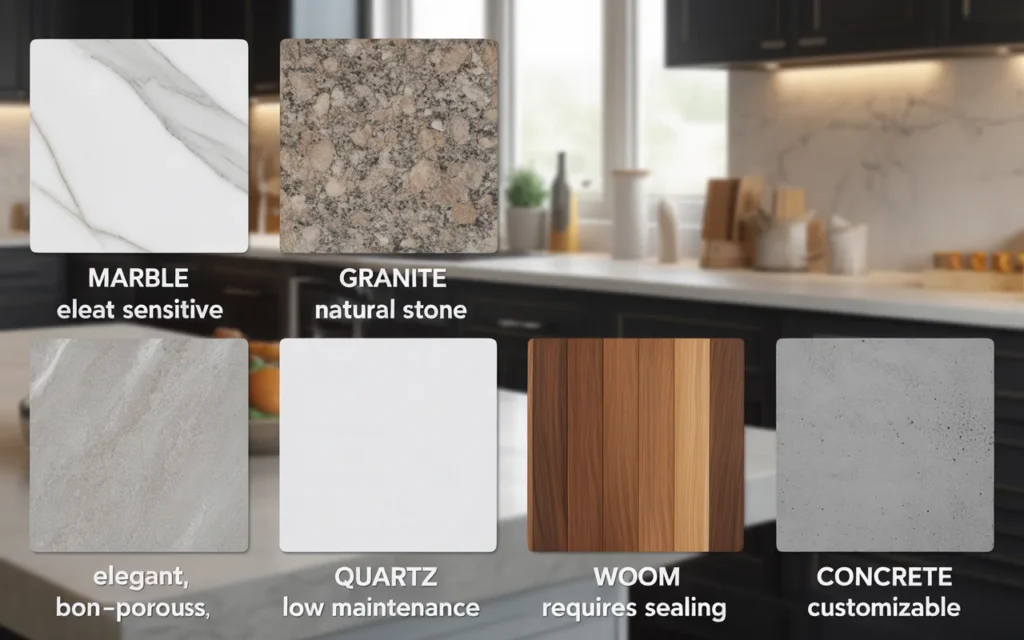
Budget Friendly Choices
You do not need to spend a lot to get a good looking and functional countertop. Here are three easy on the wallet options.
Laminate
Laminate has come a long way. Old laminate looked fake. New laminate can mimic stone, wood, or concrete very well. It is made from layers of paper soaked in resin, pressed over particle board.
Good sides: Very low cost, 10 to 30 per square foot. Easy to clean. Many patterns available. DIY friendly.
Bad sides: Scratches and burns easily. Water can seep into edges and swell the board. Cannot be repaired easily. Once damaged, you replace it.
Laminate is perfect for rental properties, craft rooms, or tight budgets. With good care, a laminate countertop can last ten to fifteen years.
Butcher Block
Butcher block is strips of wood glued together. It adds warmth and a natural feel to any kitchen. Many home cooks love it for chopping directly on the surface.
Good sides: Warm and natural look. Can be sanded and refinished. Great for food prep. Costs 30 to 60 per square foot.
Bad sides: Needs regular oiling. Can stain, scratch, and show knife marks. Water damage is a risk near sinks.
Butcher block works beautifully on an island or a small prep area. Just keep it dry and oil it every month.
Tile
Ceramic or porcelain tile countertops are another low cost option. You buy individual tiles and grout them in place. You can create fun patterns and colorful designs.
Good sides: Very heat resistant. Low material cost, 5 to 20 per square foot for tiles. DIY possible.
Bad sides: Grout lines are hard to keep clean. Tiles can crack if you drop something heavy. Uneven surface for rolling dough.
Tile is best for outdoor kitchens or as a backsplash. For a full countertop, many people find the grout cleaning frustrating.
Other Options to Consider
Here are two more materials you might see. They have special uses.
Concrete: Very industrial and modern. You can cast it into any shape. Add colors or embedded stones. But concrete cracks over time. It needs sealing and waxing. Costs 75 to 150 per square foot.
Stainless Steel: Used in restaurant kitchens. Heat proof, stain proof, and very hygienic. But it shows every fingerprint and scratch. It can dent. Costs 70 to 120 per square foot. Great for serious home chefs.
How to Pick the Right Material for You
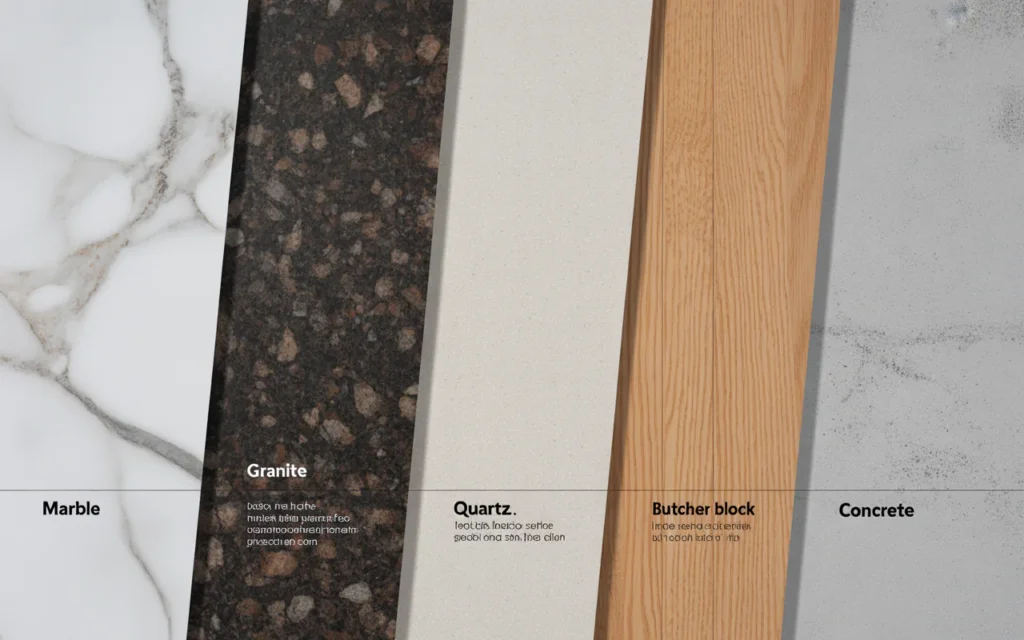
Now that we have a full countertop materials explained picture, how do you decide? Ask yourself these questions:
- How much cooking do you do every day? Heavy cooks need durable surfaces like quartz or granite.
- Do you have young children? Choose something that resists stains and cleans easily.
- What is your total budget? Remember to include installation and possible upgrades to cabinets.
- Do you want a natural look or a consistent man made look?
Here is a simple table to compare the most popular options side by side.
| Material | Cost per sq ft | Heat Safe | Stain Resistant | Needs Sealing |
|---|---|---|---|---|
| Granite | $40 – $100 | Yes | Medium | Yes (yearly) |
| Quartz | $50 – $120 | No (low heat) | Very high | No |
| Marble | $70 – $150 | Yes | Low | Yes |
| Laminate | $10 – $30 | No | Medium | No |
| Butcher Block | $30 – $60 | Yes | Low | Yes (oil) |
| Solid Surface | $40 – $80 | No | High | No |
This next table gives you a quick pros and cons summary for five top materials.
| Material | Best For | Worst For |
|---|---|---|
| Granite | Heavy cooking, high heat homes | Those who dislike sealing |
| Quartz | Busy families, low maintenance lovers | People who put hot pans anywhere |
| Marble | Baking fans, elegant looks | Homes with kids or acidic spills |
| Laminate | Tight budgets, rental units | Long term owners who cook daily |
| Butcher Block | Warm style, chopping lovers | Wet areas like sink surrounds |
“Do not just look at the upfront price. Think about twenty years of cleaning, sealing, and repairs. That changes everything.” – Elena Park, Sustainable Home Builder
Care and Maintenance Tips
Once you pick your countertop, take care of it the right way. Here is a simple guide for each type.
Granite and Marble: Wipe spills fast. Use mild soap and water. Seal granite once a year. For marble, use a stone specific cleaner. Never use vinegar or bleach.
Quartz: Use warm water and dish soap. Avoid harsh scrub pads. Always use a trivet for hot pans. No sealing needed.
Laminate: Clean with soft cloth and mild cleaner. Do not cut directly on it. Use cutting boards every time. Keep water away from seams.
Butcher Block: After each use, wipe dry. Apply food grade mineral oil once a month. Sand out stains if needed.
Solid Surface: Use a soft sponge and non abrasive cleaner. For scratches, use a fine grit sandpaper. Do not place hot cookware directly on it.
Following these steps will keep your countertop looking new for years.
Frequently Asked Questions
1. What is the most durable countertop material?
Quartz and granite are the most durable for daily use. Quartz resists stains and scratches better than almost anything. Granite handles heat without damage.
2. Which countertop is easiest to clean?
Quartz and solid surface are non porous, so they do not trap dirt or bacteria. A quick wipe with soapy water is all you need.
3. Do I really need to seal granite?
Yes, if you want to prevent stains. Unsealed granite can absorb oil, wine, or juice. Sealing takes ten minutes once a year and saves you from big problems later.
4. Is marble too high maintenance for a kitchen?
For many people, yes. Marble shows every scratch and acid mark. But if you love the look and do not mind the patina, marble can work on a low use island.
5. What is the cheapest countertop material?
Laminate is the cheapest, starting around 10 dollars per square foot. Tile can also be very low cost if you do the work yourself.
6. Can I put a hot pan on quartz?
No. Quartz contains resin that will burn or discolor. Always use a trivet or hot pad.
7. How long do countertops last?
Granite and quartz can last 20 to 30 years or more. Laminate lasts 10 to 15 years. Butcher block lasts 15 to 20 years with regular oiling.
8. Which countertop adds the most home value?
Granite and quartz are top choices for resale value. Buyers know these names and see them as upgrades.
9. Can I install countertops myself?
Laminate and tile are DIY friendly. Butcher block is possible for handy people. Granite, quartz, and marble need professional installation because slabs are heavy and require precise cutting.
10. What does non porous mean?
Non porous means no tiny holes. Liquids cannot soak in. Quartz and solid surface are non porous. Granite and marble are porous and need sealing.
Conclusion
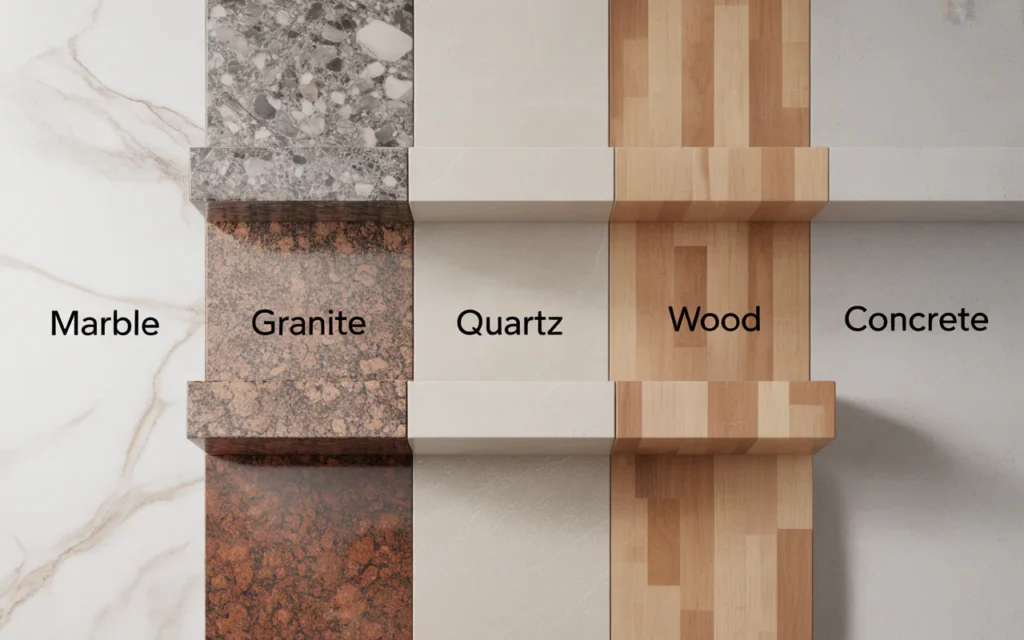
I hope this countertop materials explained guide makes your next project easier. You have many good choices. Granite gives you natural beauty and heat resistance. Quartz offers easy care and consistent style. Laminate saves money. Butcher block adds warmth. Each material has strengths and weaknesses.
Think about your daily habits. How much do you cook? Do you have kids or pets? What is your real budget, not just for today but for the next ten years? Write down your answers. Then visit a local showroom to touch and see the materials. Photos do not show the true feel of stone or the weight of a quartz slab.
Remember, there is no perfect countertop. There is only the right one for you. Take your time. Ask questions. And when you finally install that new surface, enjoy every meal you make on it. You earned it.
“A kitchen countertop is like a good friend. It shows up every day, takes the heat, and still looks good at the end of the night.” – Dave Morrison, Retired Contractor
Related posts
 Best Gas Stove Safety Devices for 2026: Child and Pet Proofing Solutions
Keep your kitchen secure with our 2026 guide to the best gas stove safety devices. Compare top-rated knob covers for child and pet proofing your home.…
 Top Water Purifier for Kitchen Choices in 2026
Looking for the top water purifier for kitchen use? Explore our 2026 guide to the best faucet-mount, pitcher, and under-sink systems for cleaner drinking water. Finding…
 Top Kitchen Tissue for Daily Cleaning: 2026 Buyer Guide
Find the top kitchen tissue for daily cleaning in 2026. We compare five popular paper towel options to help you choose the right strength and value…