
What Signs Show Dog Anxiety
Your loyal companion may act differently when stressed, and many ask what signs show dog anxiety. Watch for pacing, shaking, barking too much, hiding, or chewing things up. These clues help you know when your dog needs extra support to feel safe and happy at home. Early action makes a big difference for your pet.
You probably spend a lot of time with your dog and notice when something feels off in their usual routine. Dogs cannot tell us in words how they feel so they use their bodies and actions to show us what is going on inside. Spotting these clues early lets you step in and make things better before the stress gets worse. Many dog owners face this situation at some point and wonder exactly what signs show dog anxiety so they can respond in a helpful way. This article walks you through the clear indicators step by step with real life examples and simple explanations that any pet parent can follow. You will learn how to connect the dots between what you see and what your dog might be experiencing so you can build a stronger bond and keep your furry friend more comfortable every day.
Knowing the Basics of Dog Anxiety
Dogs experience worry and fear just like people do and these feelings can come from many everyday situations. A sudden change in the house schedule or a loud sound outside can trigger a response that lasts for hours or even days if left alone. Your dog relies on you to read the signals because they do not have other ways to ask for help. When you pay close attention to small shifts in their normal behavior you start to see patterns that point to anxiety rather than simple tiredness or playfulness. This knowledge comes from years of observing dogs in homes and clinics around the globe and it helps owners like you act with confidence. What signs show dog anxiety often appear gradually at first so the more you watch the faster you can spot them and create a calmer space for your pet.
Physical Signs You Might Notice in Your Dog
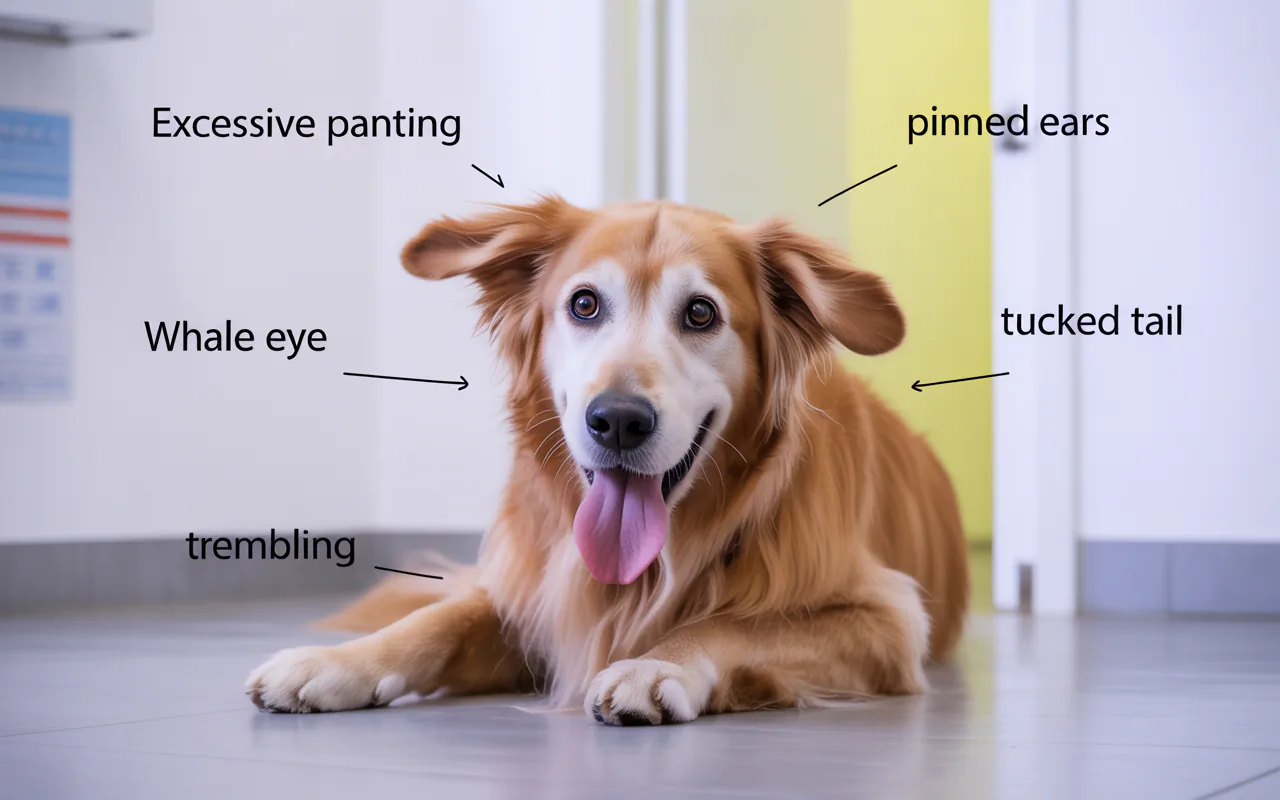
The body of your dog gives away a lot when anxiety starts to build up even if everything else in the room looks peaceful. You might see heavy panting that happens while your dog sits quietly on the floor and the temperature feels just right for them. Their muscles can tighten and cause visible shaking in the legs or whole body that has nothing to do with cold weather. Ears often pull back flat against the head and the tail tucks tightly between the legs as a way to make themselves look smaller and less noticeable. Eyes can show extra white around the edges which trainers call whale eye and this look appears when the dog feels trapped or scared. Drooling that seems out of place or repeated yawning when no nap time is near also serves as a clear message from your dog. These physical changes happen quickly and they give you a direct window into their emotional state so you can respond right away.
Table 1: Physical Signs of Dog Anxiety
| Sign | What It Looks Like |
|---|---|
| Panting | Heavy breathing in a cool calm setting |
| Trembling | Shaking or shivering without cold |
| Ears Back | Ears flattened tight to the head |
| Tail Tucked | Tail held low or between the legs |
| Whale Eye | Extra white showing in the eyes |
| Drooling | Excess saliva when no food is around |
| Yawning | Repeated yawns outside of sleep time |
Each of these physical clues deserves your full attention because they stack up fast when anxiety grows stronger. For example one owner noticed her dog panting hard while lying on the couch during a quiet evening and later learned that a neighbor had started fireworks practice nearby. The panting stopped once the sounds ended and the dog received some gentle petting and a safe spot to rest. You can use this table as a quick checklist the next time you wonder what signs show dog anxiety in the moment. Keep it handy on your phone or print a copy for the kitchen so the whole family stays on the same page. Small observations like these add up to big improvements in your dog’s daily comfort level.
Behavioral Changes That Signal Anxiety
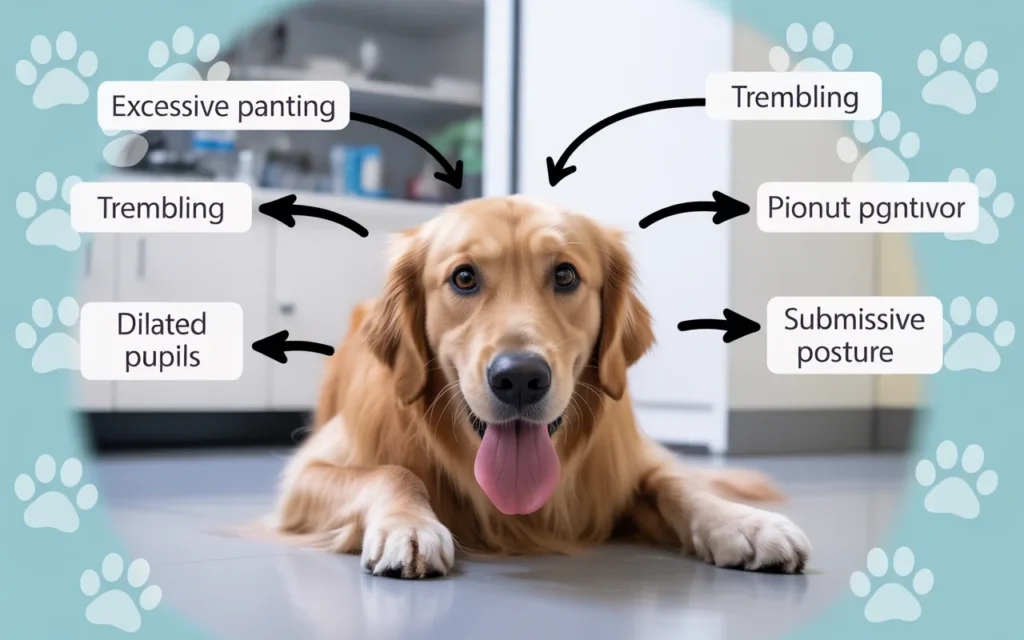
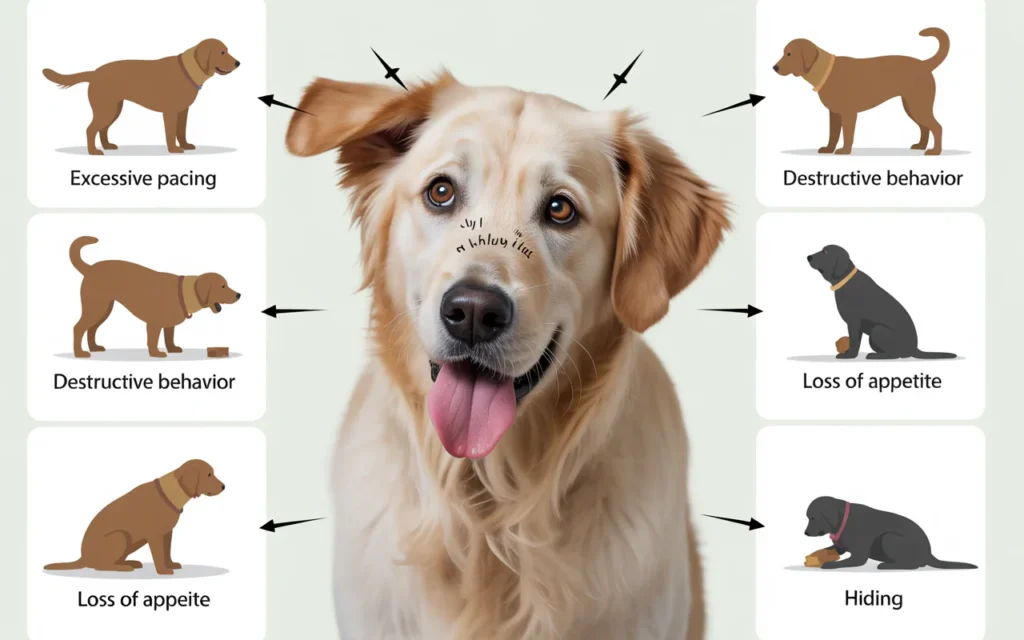
Actions your dog takes can shift in ways that feel surprising if you have not seen them before. Pacing back and forth across the same room for long stretches often means the dog cannot settle down even though nothing obvious has changed in the environment. Excessive barking or whining that starts without any clear reason and continues longer than usual points straight to inner discomfort. Some dogs turn to chewing furniture legs or digging at carpets when left alone for short periods and this destruction is not about being naughty but about trying to ease their worry. Hiding under beds or behind furniture becomes a go to move for many anxious dogs because it creates a small protected space where they feel less exposed. Clinginess that goes beyond normal affection such as following you from room to room without pause can also reveal underlying stress. These behavioral shifts happen for good reasons and they give you chances to step in with support before the pattern becomes a habit.
Table 2: Behavioral Signs of Dog Anxiety
| Sign | What It Looks Like |
|---|---|
| Pacing | Walking back and forth without purpose |
| Excessive Barking | Loud vocalizing with no clear trigger |
| Destructive Chewing | Chewing items when alone |
| Hiding | Seeking small dark spaces |
| Clinginess | Following owner constantly |
| House Soiling | Accidents inside despite training |
| Aggression | Growling or snapping at familiar people |
You see how these behaviors connect to the physical signs from the first table and together they paint a full picture. One dog owner shared how her usually calm Labrador began pacing every afternoon right before the kids came home from school and the pattern stopped after she added a short daily walk at that exact time. The table helps you track what you notice each day so you can share clear details with a vet if the need arises. What signs show dog anxiety often show up in these action based ways and catching them lets you make simple changes that bring quick relief.
What Signs Show Dog Anxiety During Separation
Leaving the house even for a quick errand can feel like a big event to some dogs and their reactions tell the story clearly. You might return to find cushions torn or trash scattered across the floor and these messes happen because the dog tried to cope with the empty house. Constant whining or howling that neighbors mention while you are gone serves as another strong clue. Some dogs scratch at doors or windows so hard they leave marks and this action shows they want to follow you outside. Accidents on the floor despite perfect house training during other times also point to separation stress. What signs show dog anxiety in these moments often include pacing in circles near the front door long before you actually leave which is a preview of the worry to come. Owners who set up a camera sometimes watch their dog freeze in place or hide the second the door closes and that frozen look speaks volumes about the fear inside.
Noise Related Anxiety and Its Clear Indicators
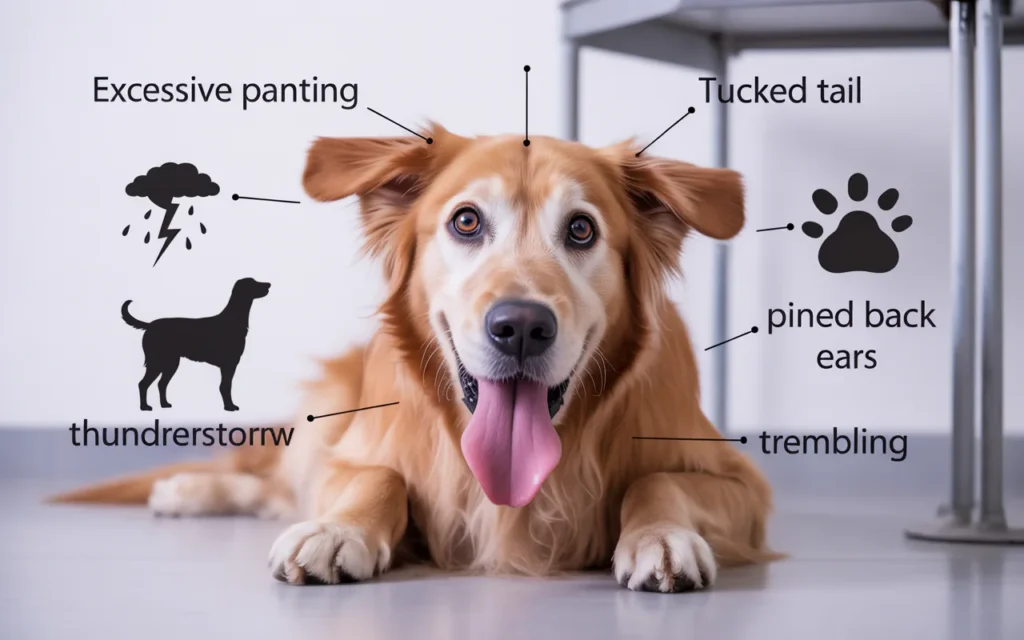
Thunderstorms fireworks or even a passing truck can set off a chain of reactions that look intense to you. Your dog may try to squeeze into the smallest corner of the closet or under the bed and stay there until the sound fades completely. Trembling combined with wide eyes and rapid panting turns the living room into a scene of quiet panic during these events. Some dogs bark nonstop at the window as if telling the noise to go away while others simply refuse to eat or drink until silence returns. What signs show dog anxiety around loud noises also include sudden attempts to climb into your lap or press against your legs for protection. These responses can start hours before the actual storm arrives because dogs hear sounds long before people do and their bodies prepare early. You can note the exact times and weather conditions when these behaviors appear so you prepare a safe quiet zone ahead of time.
How Puppy Anxiety Looks Different from Adult Dogs
Young puppies still learn about the big world around them and their anxiety often shows in short bursts of high energy followed by sudden withdrawal. A new pup might nip at your hands more than usual or cry loudly the moment you step out of sight because everything feels brand new and a bit scary. They may also refuse to explore a room they loved the day before after hearing a single loud clap. What signs show dog anxiety in puppies tends to include more play biting and zooming around the house right before they crash into deep sleep as their small bodies try to burn off extra nervous energy. Adult dogs on the other hand settle into longer lasting habits like hiding in the same spot every afternoon or avoiding certain visitors they used to greet happily. The difference matters because puppies respond quickly to gentle routines while older dogs need steady consistent support over weeks or months.
What Signs Show Dog Anxiety in Senior Dogs
Older dogs face new challenges as their bodies slow down and their senses change and these shifts can bring fresh waves of worry. You might notice a senior dog staring at walls for long minutes or waking up multiple times during the night with restless pacing. House training accidents can return even after years of perfect behavior because the dog feels confused or scared about where they are. What signs show dog anxiety in senior dogs often include less interest in favorite toys or walks that used to excite them and this withdrawal happens because joint pain or cloudy vision adds to the overall stress load. Some seniors start to follow their owners more closely than ever while others choose to stay in one room and avoid family activity altogether. Regular vet checks help separate normal aging from anxiety so you can address the emotional side with extra patience and familiar comforts.
Triggers That Often Lead to These Signs
Every dog has its own set of things that spark worry and learning yours makes all the difference. New people visiting the house strangers in uniform or even a rearranged piece of furniture can set off the chain of physical and behavioral clues you now know to watch for. Changes in daily schedule such as a family member starting night shifts or a move to a new home also push dogs toward anxious responses. Lack of exercise or sudden increases in alone time create another common pathway to stress signals. Medical issues like ear infections or arthritis pain can mix with emotional worry and make the signs appear stronger. You gain power when you keep a simple daily log of what happened right before you saw pacing or hiding because patterns emerge fast and point you toward the root cause.
“Dogs show anxiety through small changes in their daily habits that owners can learn to read with patience and care.” — Dr. Sarah Bennett, Veterinarian
What Signs Show Dog Anxiety and How to Help Right Away
Once you spot the clues the next step is to offer gentle support that fits your dog’s personality. Create a quiet corner with their favorite blanket and a toy that carries your scent because familiar smells calm many dogs quickly. Short daily walks at the same time help burn nervous energy and build confidence in the routine. Positive training sessions that reward calm behavior with treats and praise strengthen the good feelings and reduce the worry over time. Some owners play soft music or use calming pheromone diffusers that mimic mother dog scents and these tools work well alongside your attention. What signs show dog anxiety become easier to manage when you stay consistent and celebrate every small improvement you see in your pet.
When Professional Help Makes Sense
Sometimes the signs continue even after you try simple changes at home and that is the moment to reach out for extra guidance. A veterinarian can rule out health problems that mimic anxiety and suggest safe next steps that match your dog’s age and breed. Certified trainers who focus on positive methods can create a plan that feels comfortable for both of you and your dog. What signs show dog anxiety that last for weeks without easing deserve a closer look so you avoid letting the stress grow deeper roots. Many clinics now offer behavior consultations that feel supportive rather than judgmental and these sessions give you practical tools you can use immediately.
“Paying attention to body language early prevents small worries from turning into bigger problems for dogs and their families.” — Dr. Robert Kline, Certified Animal Behaviorist
“Every dog is unique and the signs they show guide us toward the exact support they need most.” — Lisa Harper, Professional Dog Trainer
Frequently Asked Questions
What signs show dog anxiety most often in the first few minutes of stress? Heavy panting tucked tail and wide eyes usually appear right away and give you the fastest clues to act.
Can diet affect the way anxiety signs appear in dogs? Yes certain foods or sudden diet changes can increase restlessness so stable meals help keep behavior steady.
How long should I wait before I worry about repeated signs? If the same behaviors happen for more than two weeks in a row it is time to talk with a vet.
Do all dogs show the exact same signs? No each dog has its own style some hide while others bark more but the tables in this article cover the most common ones.
Can puppies outgrow anxiety signs without help? Many puppies improve with steady routines but early support speeds the process and prevents habits from forming.
Conclusion
You now have a clear map of the physical and behavioral clues that reveal when your dog feels anxious and you know how to respond in ways that truly help. Keep using the two tables as quick references and check in with your pet every day so you catch shifts early. Small consistent actions from you build a sense of safety that lasts and your dog will thank you with calmer happier days. Share what you learn with other dog owners in your circle because these experiences connect us all and make every home a little brighter for the pets we love. Your attention to what signs show dog anxiety matters more than you might realize and it creates a bond that grows stronger with every passing week. Keep watching keep learning and enjoy the peaceful moments that come when you and your dog work together through the ups and downs of life.
Related posts
 Buy Dog Toys Online: Top 2026 Picks for Every Play Style
Looking to buy dog toys online? Explore our 2026 guide to the best durable chews, interactive balls, and plush favorites to keep your pup happy and…
 Buy Dog Food Online: Top 2026 Selections for Every Breed
Looking to buy dog food online? Explore our top 2026 recommendations for dry and wet formulas tailored to different breed sizes, sensitivities, and nutritional needs. Choosing…
 Buy a Dog Harness Online in 2026
Looking to buy a dog harness online? Explore our 2026 guide to finding the right fit, style, and control features for your dog's daily walks. Finding…