
Things To Consider Before Buying Kitchen Appliances
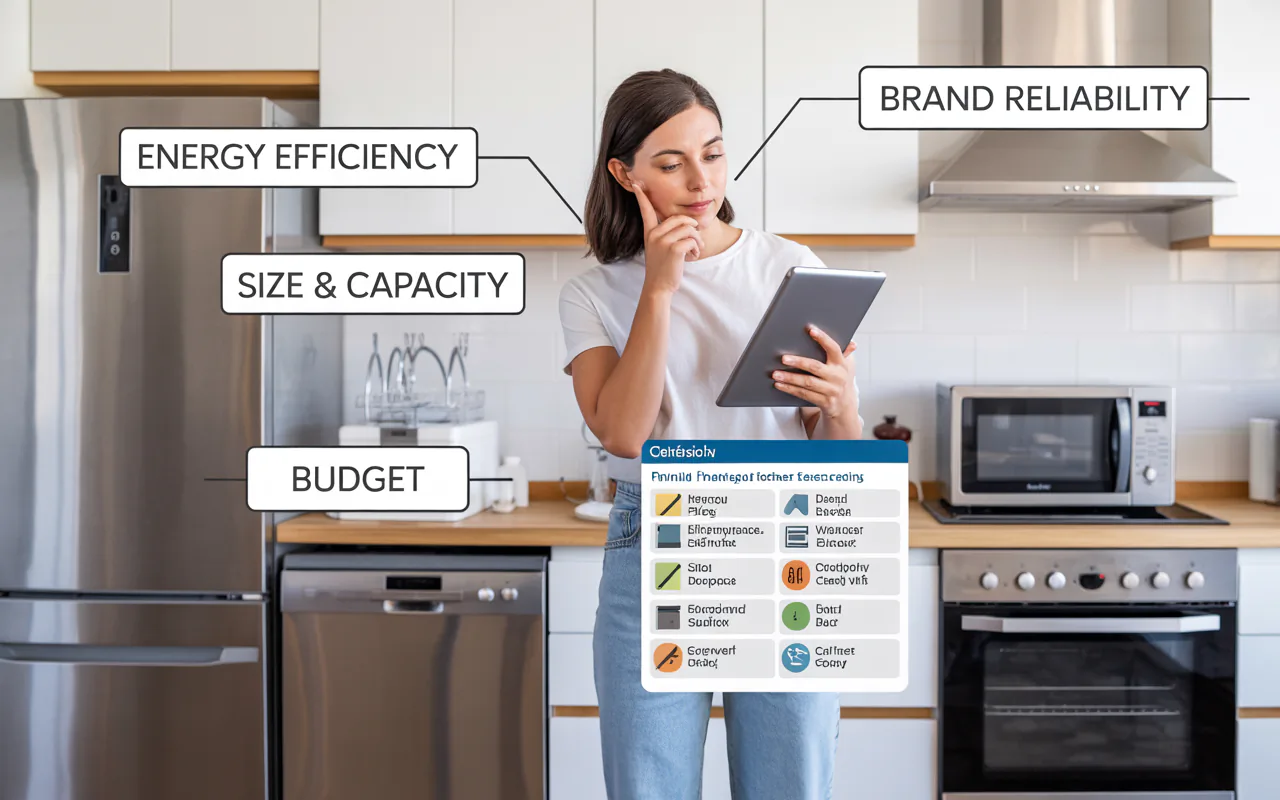
Before you shop, learn what to consider before buying kitchen appliances. Get tips on size, energy use, cost, and more for smart choices.
Buying new kitchen gear can feel exciting. You see shiny fridges, smart ovens, and quiet dishwashers. But wait. Do not rush to the store yet. There are many things you need to think about first. The right choice saves you money, time, and stress. The wrong one can cause headaches for years. So let me help you. I have bought many appliances for my own home. I also learned from mistakes. In this guide, I will share simple tips. You will know exactly what to consider before buying kitchen appliances. Let us start.
Why You Should Plan Before You Shop
Many people walk into a store and pick the first nice looking machine. That is a common error. Planning ahead stops you from buying something that does not fit your life. Think about your daily routine. Do you cook big meals? Or do you just heat up leftovers? Your answers change everything. Also, a good plan helps your wallet. You avoid paying for features you never use. You also skip the cost of repairs for bad quality items.
“Good planning turns a good purchase into a great one. Most people skip this step and regret it later.”
– Anna Reyes, home efficiency coach
So take a piece of paper. Write down what you really need. Then use the points below. Each one is a key thing to consider before buying kitchen appliances. I promise these ideas work for any budget or home size.
Key Factors to Consider Before Buying Kitchen Appliances
Let me break this down into clear parts. Read each one slowly. Think about your own kitchen. Then make your choice with confidence.
- Your Kitchen Space and Size
This is the first and most vital step. You cannot buy a large fridge if your kitchen is small. Measure your space before you look at any product. Get a tape measure. Write down the width, height, and depth of the area. Also check the doorways. Will the new machine fit through your front door? I once saw a friend buy a huge range oven. It did not go through her apartment door. She had to return it and pay a fee. So learn from her mistake.
Another thing to consider before buying kitchen appliances is the clearance space. Fridges need air flow around them. Ovens need room for the door to open fully. Dishwashers need space for the hose. So add a few extra inches to your measurements. Also think about the counter height. Some tall fridges block your view. Some microwaves are too big for small shelves. Write all numbers down. Then compare them with product specs online.
Here is a simple table to help you plan:
| Appliance Type | Minimum Space Needed | Extra Clearance |
|---|---|---|
| Refrigerator | 30 inches wide | 2 inches on sides and back |
| Dishwasher | 24 inches wide | 1 inch for hose and door swing |
| Oven or Range | 30 inches wide | 4 inches for door opening |
| Microwave | Depends on model | 3 inches for air vents |
Measure twice. Buy once. That is a good rule to follow.
- Energy Efficiency and Running Costs
The price tag on the box is not your only cost. Every appliance uses electricity or gas. That adds up on your monthly bill. So look for the energy star label. It means the machine uses less power. A fridge that saves energy can lower your bill by fifty dollars each year. Over ten years, that is five hundred dollars. Not a small amount.
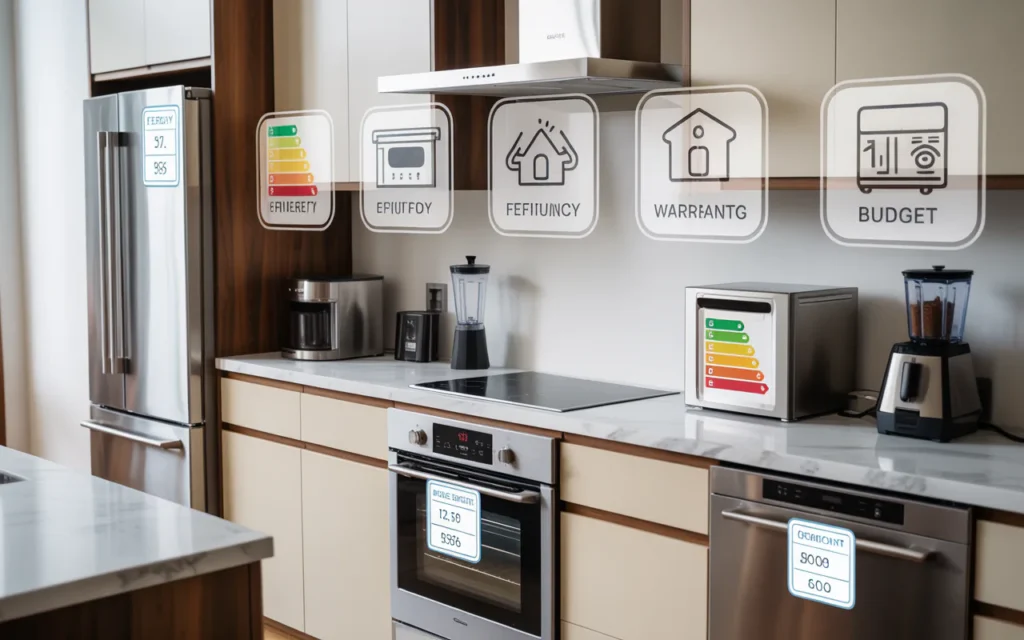
Another point to consider before buying kitchen appliances is the water use. Dishwashers and washing machines use water. Some models use half the water of older ones. That helps the planet and your pocket. Check the yellow energy guide sticker. It shows the yearly cost. Compare two similar models. Pick the one with lower running costs. Also think about gas versus electric. Gas ovens heat faster but need a gas line. Electric ones are easier to install but cost more to run in some areas.
“Energy efficiency is not just good for the earth. It is good for your bank account. Always check the yearly cost before you buy.”
– David Chen, energy savings expert
- Your Cooking and Eating Habits
Be honest with yourself. Do you bake bread every weekend? Or do you mostly order takeout? Your habits decide what you need. A big six burner stove is useless if you only cook eggs. A double oven is overkill for a single person. So think about your real life. Do not buy for the person you wish to be. Buy for the person you are today.
For example, a family of four that cooks daily needs a large fridge and a strong oven. A student living alone can use a small fridge and a microwave. Also think about special diets. If you make smoothies often, get a good blender. If you love frozen pizza, a large freezer is helpful. One more thing to consider before buying kitchen appliances is the speed of cooking. Induction cooktops heat very fast. But they need special pots. Regular electric coils are slower but work with any pan. Choose what fits your cooking style.
- Budget Beyond the Price Tag
Set a budget before you shop. But do not just look at the sale price. Add extra costs. Delivery fees can be forty to one hundred dollars. Installation might cost more. Some fridges need a water line hookup. That can add two hundred dollars. Also think about new pots or pans. An induction stove needs magnetic cookware. That could be an extra cost if your current pans do not work.
Another thing to consider before buying kitchen appliances is the warranty. Most new items have a one year warranty. Some have five years on the motor or compressor. Read the fine print. Does the warranty cover parts only? Or also labor? Labor can cost more than the part. Also check the return policy. Can you bring it back if it does not fit? Some stores charge a restocking fee of fifteen percent. That is money lost.
Here is a quick budget table for a typical fridge:
| Cost Type | Amount |
|---|---|
| Fridge price | $800 |
| Delivery fee | $50 |
| Old fridge removal | $30 |
| Water line install | $150 |
| Total cost | $1030 |
See how the final cost is much higher? Always calculate the full price.
- Noise Levels and Placement
Some appliances are loud. A noisy dishwasher can ruin a quiet evening. A loud fridge can keep you awake if your bedroom is near the kitchen. So check the decibel rating. Look for a number like 45 dB or lower for quiet models. Anything above 60 dB is loud. You can find this info online or on the box.
Also think about where you will place the appliance. A blender is noisy but you use it for one minute. A fridge runs all day. So quiet is more important for fridges and dishwashers. Another point to consider before buying kitchen appliances is the vibration. Some washing machines shake the whole house. Put a rubber mat under them to reduce noise. Ask the sales person for a demo. Turn on the machine in the store. Listen carefully. Your ears will thank you later.
- Ease of Cleaning and Maintenance
No one likes scrubbing for hours. So choose appliances that are easy to clean. Look for smooth surfaces without many cracks. Stainless steel looks nice but shows fingerprints. White or black finishes hide marks better. For ovens, self cleaning models are great. They burn off food at high heat. Then you just wipe the ash. For fridges, avoid handles with many grooves. Flat handles are easier to wipe.
Another thing to consider before buying kitchen appliances is how to fix them. Can you buy replacement parts easily? Are there videos online for common repairs? Some brands have good customer service. Others do not. Read reviews from real owners. They will tell you if the machine breaks often. Also check if the filter is easy to clean. Dishwashers and range hoods have filters. If you cannot reach them, you will not clean them. Then they stop working well.
“Simple cleaning leads to longer life for your appliances. Pick designs that you can wipe with one cloth.”
– Maria Lopez, home care specialist
- Brand Reputation and Warranty
Not all brands are equal. Some make great fridges but poor dishwashers. Do your homework. Read online reviews from multiple sites. Look for common problems. Does the ice maker break often? Does the oven heat unevenly? Also ask friends and family. Real stories help more than ads.
A good warranty gives you peace of mind. Most new appliances have a one year parts and labor warranty. But some offer longer coverage for the compressor or motor. That part is expensive to replace. So a five year warranty on the compressor is very good. Also check what is not covered. Light bulbs, filters, and plastic parts often are not included. Another thing to consider before buying kitchen appliances is the service network. Does the brand have repair centers in your area? If not, you will wait weeks for a fix. Choose a brand with local support.
Smart Shopping Tips
You now know the key factors. Here are extra tips to make your purchase smooth.
First, shop at the right time. Sales happen on holidays like Black Friday and Labor Day. Also new models come out in September and October. That is when old models go on sale. Second, read the return policy before you pay. Keep the receipt and the box for at least thirty days. Third, ask for a price match. Many stores will match a lower price from a competitor. Just show them the ad on your phone.
One final thing to consider before buying kitchen appliances is the smart features. Some fridges have wifi and touch screens. Do you really need that? Those features add cost and can break. Simple models often last longer. Only buy smart features if you know you will use them.
Frequently Asked Questions
Q1: How long should kitchen appliances last?
Most fridges last 10 to 15 years. Dishwashers last about 9 years. Ovens and ranges last 13 to 15 years. Microwaves last 7 to 9 years. Good care helps them live longer.
Q2: Is it better to buy a set or separate appliances?
Buying a matching set looks nice. But you might pay for items you do not need. Separate buying lets you pick the best brand for each machine. So separate is often better for quality and price.
Q3: What is the most important thing to consider before buying kitchen appliances?
The most important thing is size and fit. A great machine that does not fit your space is useless. Always measure first. Then check energy use and noise level.
Q4: Should I buy an extended warranty?
Usually no. Most appliances last past the extended warranty period without issues. Put the money you would spend on the warranty into a savings account. Use it for repairs if needed. That is cheaper.
Q5: How do I know if an appliance is energy efficient?
Look for the Energy Star label. Also check the yellow Energy Guide sticker. It shows the yearly cost. Compare numbers between models. Lower is better.
Q6: Can I install the appliance myself?
Some small items like microwaves are easy. But fridges, dishwashers, and ovens need care. Water and gas connections are risky. Hire a professional. It is safer and protects your warranty.
Q7: What should I do with my old appliance?
Many stores offer removal for a small fee. Some recycling centers take them for free. Do not just leave it on the curb. Parts can be reused or recycled. Ask your city about appliance recycling programs.
Conclusion
Buying new kitchen gear does not have to be hard. You just need to slow down and think. Start with your space. Measure everything. Then think about your daily habits. Do not buy features you will never use. Check the energy cost and noise level. Look at the warranty and brand reputation. And always add delivery and install fees to your budget.
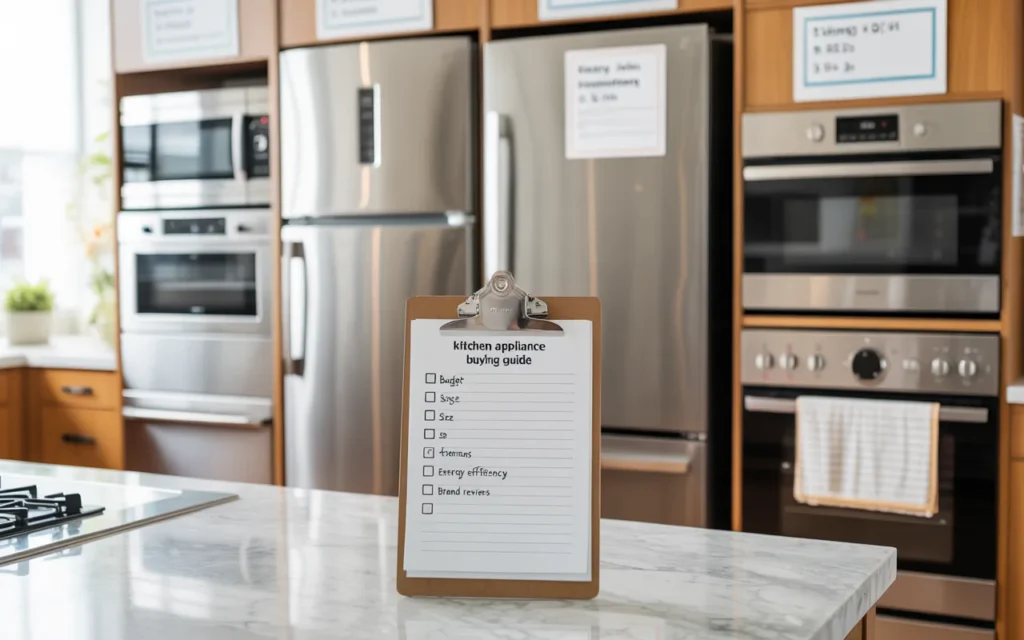
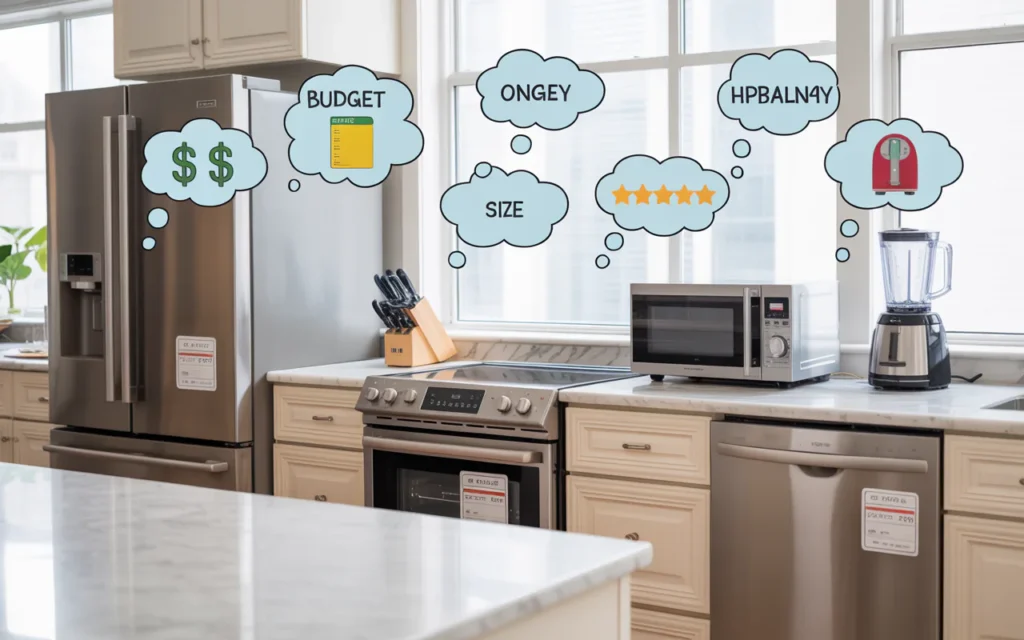
Remember these key things to consider before buying kitchen appliances: size, energy, habits, full budget, noise, cleaning ease, and warranty. Write them on a note. Take it to the store. Ask questions. Read reviews. And do not let a sales person rush you.
“Smart buyers ask many questions before they open their wallet. Be that buyer.”
– Tom Harris, consumer rights advocate
You have the power to make a great choice. Your kitchen will work better. Your bills will be lower. And you will feel proud of your smart purchase. So go ahead. Measure that space. Compare those models. And buy the appliance that truly fits your life. Happy cooking.
Related posts
 Best Under Sink Organizers Kitchen 2026: Practical Storage Solutions
Find the best under sink organizers kitchen in 2026. Compare top-rated pull-out bins, L-shaped racks, and protective mats to maximize your cabinet space. The space under…
 Best Kitchen Cabinet Storage Solutions for 2026
Organize your kitchen efficiently with our Best Kitchen Cabinet Storage Solutions. Compare the best organizers for lids, pans, and spices to maximize your space. A cluttered…
 Top Rated Kitchen Shelf Organizers for 2026
Discover the top rated kitchen shelf organizers for 2026. Compare durable racks, magnetic shelves, and tiered storage to maximize your pantry and counter space. A cluttered…