
How To Choose The Right Shoes For Daily Wear
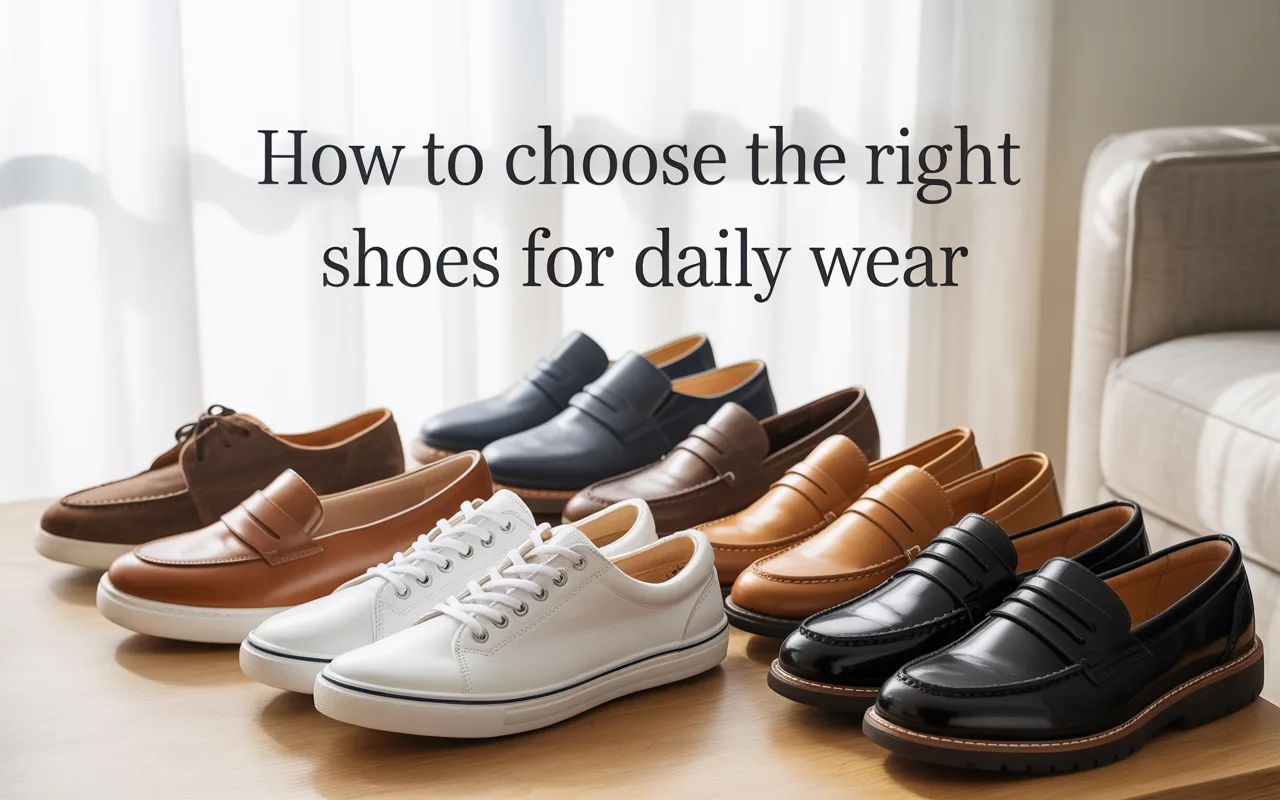
Do you want to choose the right shoes for daily wear but feel confused by all the options? This guide explains fit, support, materials, and arch type to help you find the perfect pair for all-day comfort.
We all have that one pair of shoes we reach for when we know we will be on our feet for a long time. But finding that perfect pair is not always easy. With so many brands, styles, and technologies on the market, it is simple to feel lost. I have spent years helping friends and family find footwear that does not hurt, and I have learned that the process is actually very simple once you know what to look for.
When you want to choose the right shoes for daily wear, you are not just picking a color or a brand. You are making a choice that affects your posture, your energy levels, and your long-term joint health. A good shoe should feel like a natural extension of your foot. It should support you without you having to think about it. Let us walk through exactly how to find that pair.
Why Your Daily Shoes Matter More Than You Think
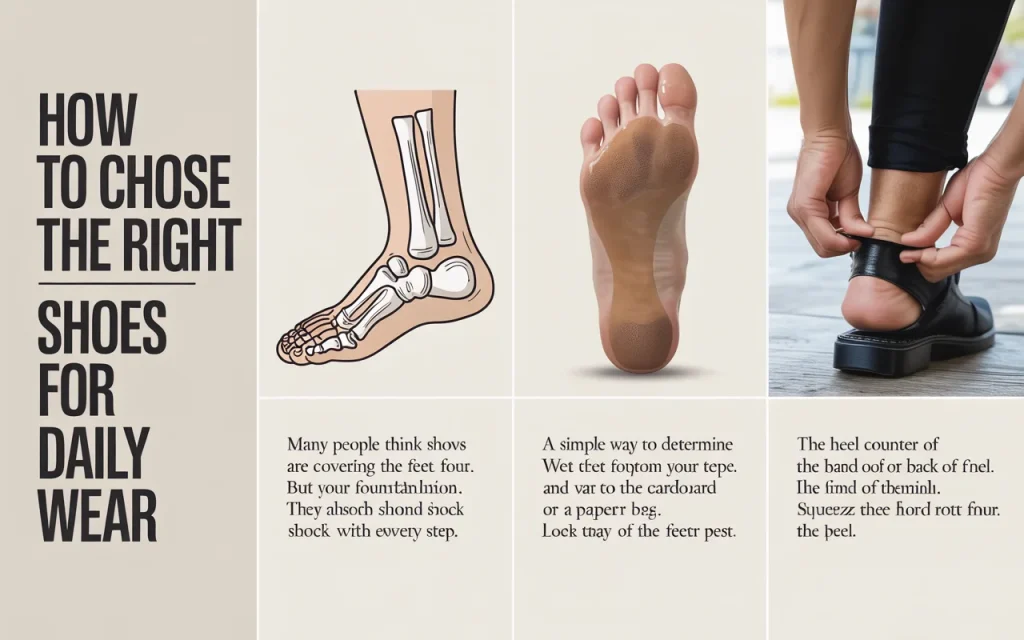
Many people think shoes are just for covering the feet. But your feet are the foundation of your body. They absorb shock with every step. If your foundation is unstable, it affects your ankles, knees, hips, and even your lower back. Wearing the wrong shoes for a few hours might seem harmless, but doing it every day can lead to long-term problems.
A study published by the American Podiatric Medical Association notes that most adults spend a significant portion of their day on their feet. The footwear you choose directly influences your comfort and productivity. A good shoe helps your body move the way it was designed to move. It reduces fatigue and keeps your muscles from working overtime to compensate for poor support.
“The foot is the foundation of the body. If you have a poor foundation, you will have problems up the kinetic chain, including the knees, hips, and lower back.” – Dr. Emily Splichal, Podiatrist and Human Movement Specialist
When you prioritize comfort and support, you are investing in your overall well-being. It is not about spending a lot of money. It is about spending your money on the right features.
Know Your Foot Type Before You Shop
Before you even look at a shoe display, you need to understand your own feet. Everyone’s feet are different. Some people have high arches. Some have flat feet. Some have neutral arches. Knowing your foot type is the first step to knowing what kind of support you need.
The Wet Test
A simple way to determine your arch type is the wet test. Wet the bottom of your foot and step onto a piece of cardboard or a paper bag. Look at the shape of the footprint.
- Flat Foot: If you see almost the entire outline of your foot with little to no curve on the inside, you have flat feet. You likely overpronate, meaning your foot rolls inward when you walk. You need shoes with stability and motion control.
- High Arch: If you see only a thin strip connecting your heel and the ball of your foot, you have high arches. You likely underpronate (supinate), meaning your foot rolls outward. You need shoes with extra cushioning and flexibility.
- Neutral Arch: If you see a clear curve about halfway across your foot, you have a neutral arch. You can wear a wide range of shoes but generally do well with moderate support and stability.
Matching Shoes to Your Arch
Once you know your arch type, you can narrow down your search. Trying to wear a shoe designed for a different foot type will lead to discomfort.
| Foot Type | Arch Shape | Best Shoe Feature |
|---|---|---|
| Flat Feet | Low or No Arch | Motion control, stability, firm heel counter |
| Neutral Arch | Moderate Curve | Balanced support, moderate cushioning |
| High Arch | High Curve | Extra cushioning, flexible soles, soft midsole |
The Essential Features of a Quality Daily Shoe
Now that you know your foot type, let us look at the specific parts of a shoe. A good daily shoe is made up of several components. Each one plays a role in your comfort. When you learn to evaluate these parts, you will be able to choose the right shoes for daily wear with confidence.
The Heel Counter: The Back of the Shoe
The heel counter is the part of the shoe that wraps around the back of your heel. It should feel firm but not painful. Squeeze the back of the shoe. If it collapses easily under pressure, it will not hold your heel in place. A firm heel counter prevents your foot from sliding around. This is especially important for those with flat feet who need stability. A loose heel counter can cause blisters and instability.
The Midsole: The Cushioning Layer
The midsole is the layer between the outsole (bottom) and the upper (the fabric that covers your foot). This is where the cushioning lives. Different brands use different materials like EVA foam or polyurethane. When you press on the midsole, it should feel springy, not hard. It should also not feel like a marshmallow. Too much softness can make your feet work harder to stabilize.
The Outsole: The Bottom Grip
The outsole is the part that touches the ground. Look for rubber or a durable compound that offers good traction. If you walk on city sidewalks, you need something with some grip but not heavy lugs. If you walk on varied terrain, you might need a deeper tread. The outsole should also be slightly flexible at the forefoot, where your foot bends naturally.
The Upper: The Covering Material
The upper is the fabric or leather that covers the top of your foot. For daily wear, breathability is key. Mesh uppers allow air to circulate, keeping your feet cool and dry. Leather can be durable and supportive but may not breathe as well. Look for uppers that are seamless around the toe box to prevent rubbing. You want a material that is flexible enough to move with your foot but sturdy enough to hold its shape.
The Insole: The Removable Layer
Most shoes come with a removable insole. This is a good sign. A removable insole allows you to replace it with a custom orthotic if you need one. Even if you do not use orthotics, you should check the insole. It should offer some arch support and not just be a flat piece of foam. If the insole is glued in and cannot be removed, you have less flexibility to adjust the fit.
The Importance of Proper Fit
Fit is the most critical factor. You can have the most expensive shoe with all the best technology, but if it does not fit, it is worthless. Fit is not just about length. It involves width, depth, and volume.
Measure Your Feet Every Time
Your foot size changes over time. It can change with age, weight changes, and pregnancy. Do not assume you are the same size you were five years ago. Have your feet measured at the end of the day when they are slightly swollen. This ensures you buy a size that will accommodate your feet when they are at their largest.
The Thumb Rule
When you try on a shoe, there should be about a thumb’s width of space between your longest toe and the end of the shoe. Your longest toe is not always your big toe. Sometimes it is your second toe. The shoe should be wide enough that your toes can spread out naturally. They should not feel cramped. If you can wiggle your toes freely, that is a good sign.
Try Shoes with Your Socks
Always try on shoes with the type of socks you plan to wear daily. If you wear thick athletic socks, bring them to the store. Trying on shoes with thin dress socks when you intend to wear thick wool socks will lead to a tight, uncomfortable fit.
Walk Around in Them
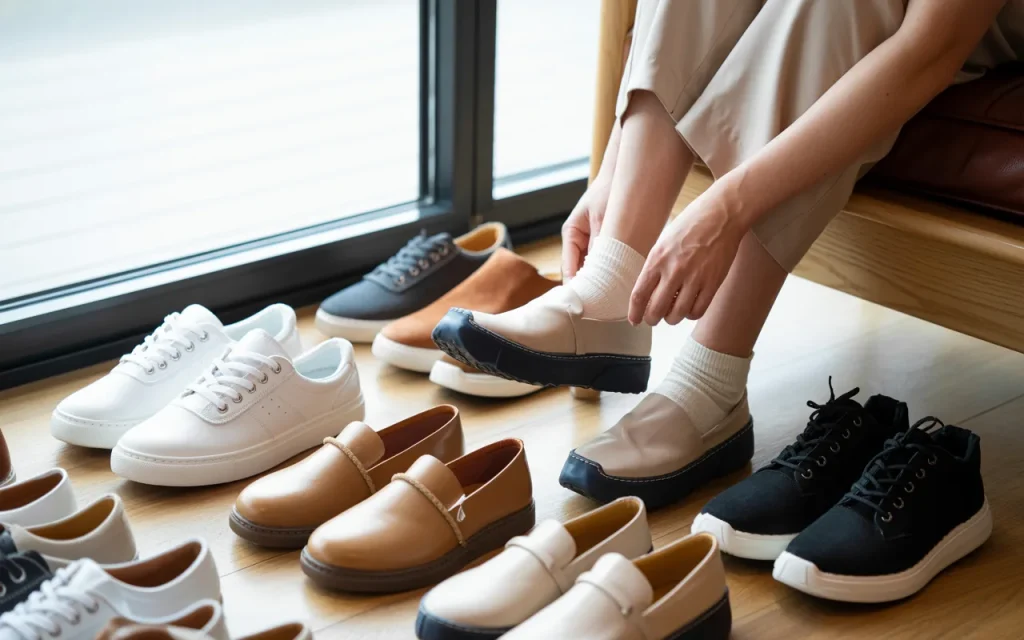
Do not just stand still. Walk around the store. Walk on a hard surface if possible. Pay attention to any pressure points. Does the heel slip? Do the sides pinch? A shoe should feel comfortable immediately. Do not buy a shoe hoping it will “break in.” While some materials may soften slightly, a shoe that hurts in the store will hurt at home.
“Never buy a shoe based on the size marked inside. Sizes vary by brand. Always go by how the shoe feels on your foot.” – Tanya Brown, Certified Pedorthist
Shoe Rotation: Why One Pair Is Not Enough
Many people think they only need one pair of shoes for everything. But wearing the same pair every day is actually hard on your feet and on the shoes. Shoes need time to decompress. The foam in the midsole needs time to bounce back after a day of compression. If you wear the same pair every day, the foam breaks down faster, and your feet lose support sooner.
Having two or three pairs that you rotate is a smart strategy. You can choose the right shoes for daily wear by having specific shoes for specific activities. You might have one pair for long walks, another for casual errands, and another for standing at work. Rotating your shoes allows each pair to dry out and recover. This extends the life of the shoes and provides more consistent support for your feet.
Matching Shoes to Your Daily Activities
What you do every day should influence what you wear on your feet. A person who works at a standing desk all day needs different features than someone who walks five miles a day.
For Standing All Day
If your job requires you to stand on hard floors for hours, look for shoes with excellent shock absorption. You want a thick, resilient midsole. Look for terms like “energy return” or “high rebound.” A rocker bottom sole can also be helpful. This type of sole encourages a natural rocking motion that reduces stress on the feet and lower legs. Avoid completely flat, rigid soles if you stand all day.
For Walking Commutes
If you walk a lot as part of your daily routine, you need a shoe that balances cushioning with flexibility. The shoe should bend at the ball of the foot. It should have a secure fit in the heel to prevent slipping with each step. Look for a durable outsole that can handle the abrasion of pavement. Walking shoes are typically lighter than running shoes but offer similar levels of support.
For Casual Errands and Leisure
For light daily wear around town, comfort is still key, but style can come into play. There are many options now that combine casual style with athletic support. Look for sneakers or casual shoes that have a supportive footbed. Brands that focus on foot health often offer stylish options with built-in arch support. You do not have to sacrifice looks for comfort.
Materials Matter: Breathability vs. Durability
The materials used in your shoes affect both comfort and longevity.
Leather and Synthetic Leather
Leather is durable and often provides good support. It can mold to the shape of your foot over time. However, leather is not very breathable. It is a good choice for cooler weather or for shoes where you need a stiffer structure. Synthetic leather can be a vegan option but may not last as long as high-quality genuine leather.
Mesh and Knit Fabrics
Mesh is highly breathable. It allows air to flow freely, which helps prevent sweat and odor. Knit fabrics, like those used in many modern sneakers, offer a sock-like fit. They are very flexible and lightweight. The downside is that they may not provide as much structure or durability as leather. For hot climates or intense daily walking, mesh is often the best choice.
Combination Uppers
Many shoes combine materials. They might use mesh in the forefoot for breathability and synthetic overlays in the midfoot for structure. This combination often offers the best of both worlds: support where you need it and ventilation where you need it.
How to Choose the Right Shoes for Daily Wear on a Budget
You do not need to spend a fortune to get a good shoe. However, you should be cautious about buying the cheapest option available. Very inexpensive shoes often use low-quality foam that compresses after a few weeks. They may also have glued-on soles that separate quickly.
Here is a simple table to help you decide where to invest your money.
| Shoe Component | What to Look For | What to Avoid |
|---|---|---|
| Heel Counter | Firm, rigid, holds shape | Soft, collapses when squeezed |
| Midsole | Responsive foam, slight spring | Hard plastic, overly soft marshmallow feel |
| Outsole | Dense rubber, deep tread pattern | Thin plastic, smooth surface with no texture |
| Insole | Removable, contoured arch support | Flat, glued-in foam insert |
| Upper | Breathable mesh or quality leather | Stiff plastic, rough seams over toes |
Look for last season’s models. Shoe brands update styles every year, and the previous year’s model is often sold at a significant discount. The technology inside is usually the same. This is a great way to get a high-quality shoe without paying full price.
Signs It Is Time to Replace Your Daily Shoes
Even the best shoes do not last forever. Most daily-wear shoes need to be replaced every 300 to 500 miles of walking. If you wear them every day, that often means every 6 to 12 months. Pay attention to these signs that it is time for a new pair.
- Worn-out tread: If the bottom of the shoe is smooth in some spots, you have lost traction and cushioning.
- Creased or compressed midsole: Look at the foam on the side. If it is heavily wrinkled or feels hard, it is no longer absorbing shock.
- Pain after wearing: If your feet, knees, or back start to hurt after wearing shoes that used to feel comfortable, the support has likely broken down.
- Uneven wear: If the shoe leans to one side when you set it on a flat surface, the structure is compromised.
“Wearing worn-out shoes is like driving on bald tires. You lose traction, stability, and the ability to handle uneven surfaces safely.” – Dr. Rock G. Positano, Director of the Non-surgical Foot and Ankle Service at Hospital for Special Surgery
Taking Care of Your Shoes for Longer Life
To get the most out of your investment, take care of your shoes. Let them air out after wearing. Do not put them in a closed gym bag. Remove the insoles to let them dry separately if they get sweaty. Clean the uppers with a gentle soap and water. Do not put leather or high-quality athletic shoes in the washing machine, as this can break down the adhesives. Rotating your shoes, as mentioned earlier, is the single best thing you can do to extend their life.
Frequently Asked Questions
How do I choose the right shoes for daily wear if I have wide feet?
Look for brands that offer specific wide sizes (2E, 4E, etc.). Do not simply buy a longer shoe to get more width. Focus on shoes with a wide toe box that allows your toes to splay naturally. Many brands now offer “natural fit” or “foot-shaped” lasts that accommodate wider feet.
Can I wear the same shoes for walking and running?
While you can, it is not ideal. Running shoes are designed for forward motion and impact absorption. Walking shoes are designed for more flexibility and a different gait cycle. If you walk daily, a walking shoe or a versatile cross-trainer is often better. If you run, you should use a dedicated running shoe.
Should I buy shoes that are slightly bigger to accommodate swelling?
It is wise to have a little extra space. Aim for the thumb’s width of space at the end. If you know your feet swell significantly, buy the size that fits comfortably when your feet are swollen. Always try shoes on later in the day for this reason.
What is the most important feature in a shoe for daily wear?
The fit. No feature matters if the shoe does not fit your unique foot shape. Once the fit is perfect, focus on arch support and cushioning that matches your activity level.
Are expensive shoes always better?
Not always. Price often reflects brand name, style, or marketing. A moderately priced shoe from a reputable brand with good materials and proper fit is better than an expensive shoe that does not fit your foot type.
Conclusion
Finding the perfect shoe is not about chasing trends. It is about understanding your feet and what they need to carry you through your day. You have to choose the right shoes for daily wear by paying attention to fit, support, and the materials that match your lifestyle. It is worth taking the time to get it right.
Your feet do a lot for you. They carry you to work, to your favorite places, and through your daily routines. Giving them a stable, comfortable foundation is one of the best things you can do for your overall health. Remember to check your arch type, look for a firm heel counter, test the flexibility, and always prioritize how the shoe feels over how it looks. When you do this, you will find a pair that feels less like a piece of clothing and more like a partner in your daily life. Take care of your shoes, rotate them, and replace them when they show signs of wear. Your body will thank you with less pain and more energy.
Related posts
 Best Compact Powder for Women: 2026 Buyer Guide
Finding the best compact powder for women in 2026. We compare top-rated matte, mineral, and lightweight pressed powders to help you choose the right finish. Finding…
 Best Casual Wear for Women: 2026 Style and Comfort Essentials
Discover the best casual wear for women in 2026. We compare top-rated trousers and versatile tops to help you build a comfortable, stylish everyday wardrobe. Finding…
 Best Claw Clips for Thick Hair in 2026
Finding the best claw clips for thick hair requires a balance of grip and size. Explore our top 2026 recommendations for secure, stylish, and reliable styling.…