
Why Do Muscles Feel Sore After Workout
Why do muscles feel sore after workout? Learn the real causes, how long it lasts, and simple ways to reduce soreness safely.
Muscle soreness after exercise is something most people experience, whether they are new to working out or returning after a break. If you have ever wondered why do muscles feel sore after workout sessions, the answer is tied to how your body adapts to physical stress. This article explains what causes that soreness, how long it typically lasts, and what you can do to recover faster. You will also learn when soreness is normal and when it might signal a problem. Understanding this can help you train smarter, avoid unnecessary discomfort, and stay consistent with your fitness routine.
What Causes Muscle Soreness After a Workout
The soreness you feel after exercise is commonly known as delayed onset muscle soreness, or DOMS. It usually appears several hours after a workout and peaks within one to two days.
When you exercise, especially with new movements or higher intensity, your muscles go through small amounts of stress. This stress leads to tiny tears in the muscle fibers. These are not injuries in the harmful sense. They are a normal part of how muscles grow stronger.
Your body responds to these micro-tears by repairing them. During this repair process, inflammation occurs, and fluid builds up in the muscle tissue. This combination creates the feeling of stiffness, tenderness, and soreness.
Common Triggers of Soreness
| Activity Type | Why It Causes Soreness |
|---|---|
| Strength training | High load creates muscle fiber stress |
| Eccentric exercises | Muscle lengthens under tension |
| New workout routines | Muscles are not adapted yet |
| High intensity cardio | Repeated strain on muscle groups |
Eccentric movements are especially important here. These happen when your muscle lengthens while under tension, such as lowering a weight slowly. This type of movement tends to create more soreness than lifting or pushing.
Is Muscle Soreness a Sign of a Good Workout
Many people believe that soreness means a workout was effective. That is not always true.
Soreness can indicate that your muscles were challenged in a new way. However, it is not the only or best measure of progress. You can have an effective workout without feeling sore, especially as your body adapts over time.
What matters more is consistency, gradual progression, and proper form. If you rely only on soreness as a signal, you might push too hard or overlook better ways to track improvement.
Better Signs of Progress
- Increased strength or endurance
- Improved exercise form
- Ability to handle more reps or weight
- Faster recovery between workouts
How Long Does Muscle Soreness Last
Muscle soreness usually follows a predictable pattern.
- Starts within 6 to 12 hours after exercise
- Peaks around 24 to 48 hours
- Gradually improves over 3 to 5 days
For beginners or after a very intense workout, soreness may last a bit longer. As your body adapts, the intensity and duration of soreness tend to decrease.
Typical Soreness Timeline
| Time After Workout | What You Feel |
|---|---|
| 0 to 6 hours | Little or no soreness |
| 6 to 24 hours | Mild stiffness begins |
| 24 to 48 hours | Peak soreness and tightness |
| 48 to 72 hours | Gradual relief |
| 3 to 5 days | Mostly recovered |
If soreness lasts more than a week or feels severe, it may be worth paying closer attention.
How to Reduce Muscle Soreness Safely
You cannot completely avoid soreness, especially when trying new exercises. But you can reduce how intense it feels and recover faster.
1. Stay Active
Light movement helps improve blood flow to sore muscles. Activities like walking or gentle stretching can ease stiffness.
2. Warm Up Before Exercise
A proper warm up prepares your muscles for activity. It reduces the shock to your system and may lower the chance of severe soreness.
3. Cool Down After Workouts
Slowing down gradually after exercise helps your body transition and supports recovery.
4. Hydration Matters
Drinking enough water supports muscle function and recovery. Dehydration can make soreness feel worse.
5. Eat Balanced Meals
Protein helps repair muscle tissue, while carbohydrates restore energy. A balanced diet supports the recovery process.
6. Try Gentle Recovery Methods
Some people find relief from techniques like foam rolling or light massage. These methods may help reduce tightness.
7. Get Enough Rest
Muscles repair and grow during rest. Poor sleep can slow recovery and make soreness linger longer.
Common Mistakes That Make Soreness Worse
Sometimes soreness becomes more intense because of avoidable habits.
- Skipping warm ups or cool downs
- Increasing workout intensity too quickly
- Poor exercise form
- Not allowing enough recovery time
- Ignoring pain and pushing through severe discomfort
Progress should be gradual. Sudden jumps in intensity often lead to unnecessary soreness or even injury.
When Muscle Soreness May Be a Problem
Most soreness is normal. However, there are situations where you should be cautious.
Warning Signs to Watch
- Sharp or stabbing pain instead of dull soreness
- Swelling that does not improve
- Severe weakness in the muscle
- Dark urine or extreme fatigue
These symptoms may indicate a strain or a more serious condition. In such cases, it is safer to rest and seek medical advice if needed.
Should You Work Out When You Are Sore
In most cases, light to moderate soreness is not a reason to stop exercising completely.
You can continue working out by adjusting your routine. Focus on different muscle groups or reduce intensity. For example, if your legs are sore, you can train your upper body instead.
If soreness is severe, it is better to rest or choose very gentle activity. Listening to your body is important for long term progress.
FAQ
Why do muscles feel sore after workout the next day
Soreness often peaks the day after exercise due to delayed inflammation and muscle repair processes.
Is muscle soreness necessary for muscle growth
No, muscles can grow without soreness. Progress depends more on consistent training and proper recovery.
Can stretching prevent muscle soreness
Stretching may help with flexibility and comfort, but it does not fully prevent soreness.
Does drinking water reduce soreness
Staying hydrated supports recovery and may reduce how intense soreness feels.
Should I take painkillers for muscle soreness
Occasional use may help, but it is better to focus on natural recovery methods unless advised by a professional.
Why do beginners feel more soreness
New exercisers experience more soreness because their muscles are not yet adapted to the stress of exercise.
Conclusion
Understanding why do muscles feel sore after workout sessions helps you approach fitness with more confidence. Soreness is a natural response to muscle stress and part of how your body becomes stronger. It does not always mean you had a better workout, and it should not be your only measure of progress. Focus on consistency, gradual improvement, and proper recovery habits. If you want to keep improving safely, consider exploring more guides on workout recovery and training basics as your next step.
Related posts
 Gym Membership Discount Price Alternatives for 2026 Home Fitness
Looking for a gym membership discount price Alternatives? Explore smart home fitness alternatives and equipment to save money and build your own workout space in 2026.…
 Buy Home Workout Sliders: 2026 Guide to Core Fitness Tools
Looking to buy home workout sliders? Compare top-rated gliding discs and core trainers to find the right equipment for your 2026 fitness routine. Adding core sliders…
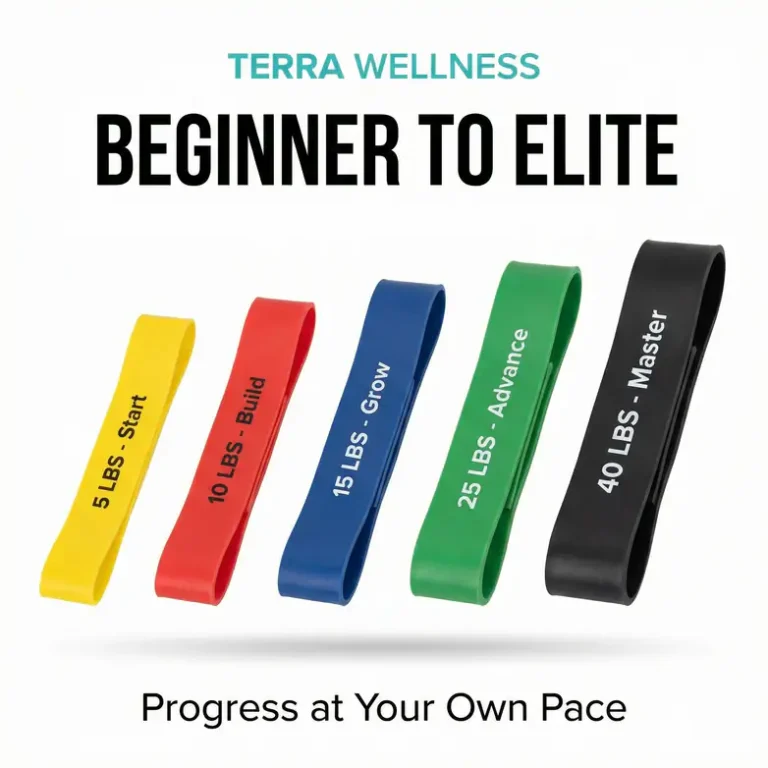 Best Resistance Bands for Beginners: 2026 Buyer Guide
Looking for the best resistance bands for beginners? Compare top-rated loop and handle sets to find the right home gym equipment for your fitness goals. Starting…