
How to Choose Kitchen Tools for Everyday Cooking
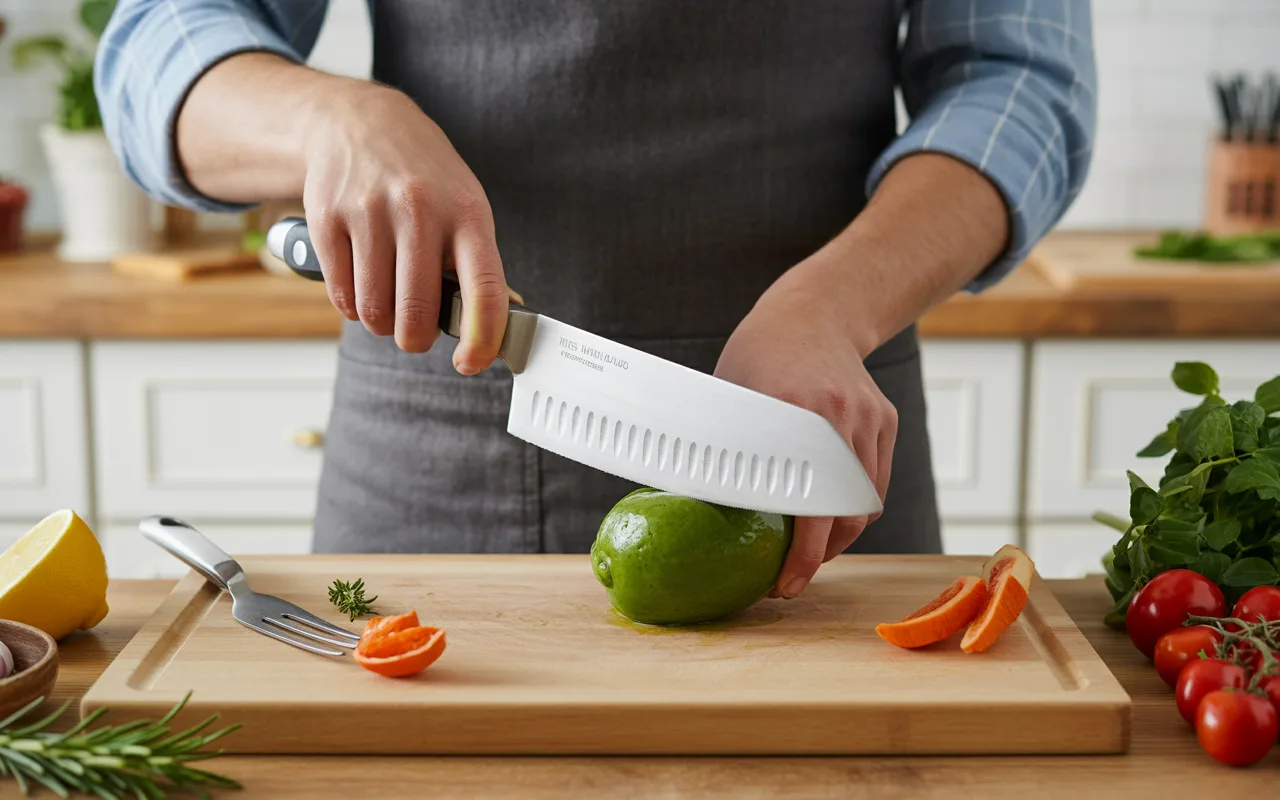
choose kitchen tools wisely so cooking stays efficient, safe, and enjoyable. Learn how to select durable, practical tools that match your cooking habits and kitchen space.
Cooking becomes easier and more enjoyable when the right tools are within reach. A well planned kitchen setup saves time, reduces frustration, and helps produce better meals. Many people buy utensils and gadgets without thinking about how often they will use them, how durable they are, or whether they truly support everyday cooking. Learning how to choose kitchen tools carefully prevents clutter and helps build a kitchen that works smoothly.
A thoughtful selection of kitchen tools supports both beginner cooks and experienced home chefs. The goal is not to fill drawers with every gadget available. Instead, the focus should stay on reliable tools that handle daily tasks such as chopping vegetables, stirring sauces, flipping food in a pan, and measuring ingredients accurately. Simple, well made tools often perform better than complicated gadgets that promise too much but rarely get used.
The process of selecting kitchen tools also connects to cooking confidence. Good knives cut cleanly. Comfortable utensils reduce strain. Durable materials last longer and keep food safe. Each decision shapes the way a kitchen functions day after day. With a little knowledge and planning, anyone can choose kitchen tools that support efficient cooking without overspending or overcrowding the kitchen.
“You don’t have to cook fancy or complicated masterpieces, just good food from fresh ingredients.”
Julia Child
Her words highlight a simple truth. Cooking success often depends more on basic tools and ingredients than on complicated equipment. A thoughtful kitchen setup supports creativity, comfort, and consistency in daily cooking.
Why Quality Kitchen Tools Matter
Kitchen tools affect every step of food preparation. The knife used to slice vegetables, the pan used to cook eggs, and the spatula used to stir soup all influence cooking results. Poor quality tools wear out quickly, perform unevenly, and sometimes create safety risks.
Quality tools provide several clear benefits:
First, they improve efficiency. A sharp chef’s knife cuts vegetables quickly and evenly. A strong cutting board stays stable while chopping. A sturdy pan heats food more evenly. These small improvements reduce time spent preparing meals.
Second, good tools support safety. Cheap utensils can break, melt, or slip during use. Reliable tools stay stable in your hands and withstand heat, pressure, and repeated use.
Third, quality tools last longer. Instead of replacing broken items every year, durable tools remain useful for many years. Over time this saves money and reduces waste.
Another advantage is comfort. Cooking often involves repetitive movements such as chopping, stirring, and flipping food. Tools with comfortable handles and balanced weight make these actions easier on hands and wrists.
A kitchen filled with reliable essentials feels organized and calm. Instead of searching for replacements or struggling with broken gadgets, cooking becomes a smoother experience.
Core Principles to Choose Kitchen Tools
Anyone learning how to choose kitchen tools should focus on a few simple principles. These guidelines help prevent unnecessary purchases and support smarter decisions.
Function Over Appearance
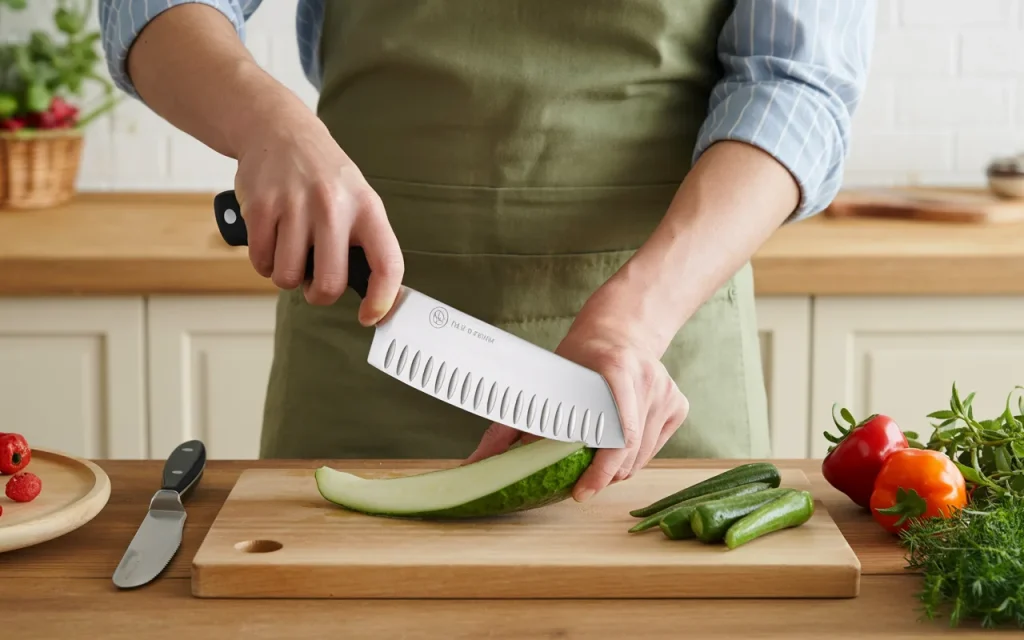
A beautiful utensil that performs poorly does not belong in a working kitchen. Tools should first meet practical needs. Weight, grip, durability, and balance matter more than color or decoration.
Frequency of Use
Some tools get used daily while others appear only occasionally. Items like knives, cutting boards, measuring cups, and spatulas deserve careful attention because they support everyday cooking.
Specialty tools such as avocado slicers or decorative cutters may be useful for specific tasks, but they should not take priority over essential equipment.
Ease of Cleaning
Kitchen tools must stay hygienic. Tools that are difficult to clean often become neglected or unsafe. Stainless steel, silicone, and smooth wood surfaces are easier to maintain than tools with many small parts.
Storage and Space
Kitchen space is limited in many homes. Before buying a new tool, consider where it will be stored. Drawers, cabinets, and countertop space should remain organized.
Durability
Durable tools resist heat, pressure, and frequent washing. Strong construction ensures the tool performs consistently over time.
These simple principles help anyone choose kitchen tools that support daily cooking rather than create unnecessary clutter.
Essential Kitchen Tools for Most Homes
A well equipped kitchen does not require hundreds of utensils. A small group of versatile tools can handle most cooking tasks. Understanding these essentials helps people choose kitchen tools that truly support everyday meals.
Basic Kitchen Tool Essentials
| Tool | Primary Use | Why It Matters |
|---|---|---|
| Chef’s Knife | Cutting vegetables, meat, herbs | The most frequently used kitchen tool |
| Cutting Board | Food preparation surface | Protects counters and keeps chopping safe |
| Measuring Cups | Measuring ingredients | Ensures consistent cooking results |
| Wooden Spoon | Stirring sauces and soups | Gentle on cookware and durable |
| Spatula | Flipping or turning food | Useful for eggs, pancakes, and sautéing |
These five tools cover a wide range of cooking tasks. A well balanced chef’s knife alone can replace many specialized cutting gadgets. A solid cutting board protects the knife edge and keeps food preparation stable.
Beyond these basics, a few additional tools expand cooking possibilities. Tongs help handle hot food. A whisk blends sauces and batters smoothly. A ladle serves soups or stews. These items remain simple yet versatile.
Choosing multipurpose tools keeps kitchens organized. Instead of filling drawers with rarely used gadgets, a few reliable utensils support most recipes.
Materials and Durability Guide
The material used in kitchen tools influences durability, safety, and maintenance. Selecting the right materials helps ensure tools perform well over many years.
Common Kitchen Tool Materials
| Material | Strengths | Considerations |
|---|---|---|
| Stainless Steel | Durable, rust resistant | Can feel heavy in some utensils |
| Silicone | Heat resistant, flexible | Quality varies between brands |
| Wood | Gentle on cookware | Requires occasional oiling |
| Plastic | Lightweight and affordable | May warp under high heat |
Stainless steel remains one of the most trusted materials in kitchen tools. It resists rust and holds up well under frequent washing. Many professional kitchens rely on stainless steel utensils because they remain strong and reliable over time.
Silicone tools have also become popular because they tolerate high temperatures and protect nonstick cookware from scratches. They are flexible yet durable when made with good quality materials.
Wooden utensils offer a traditional feel and remain gentle on cookware surfaces. They work especially well for stirring sauces or sautéing vegetables. However, wooden tools require occasional care to prevent cracking or drying.
Plastic tools appear in many kitchens due to their affordability, but they often wear out faster. High heat can warp plastic utensils, and sharp edges may damage them easily.
“Tools should feel like an extension of your hands.”
Alton Brown
His observation highlights an important idea. The material and design of a kitchen tool influence how naturally it fits into daily cooking routines.
Budget and Space Planning to Choose Kitchen Tools Wisely
A thoughtful budget helps people choose kitchen tools that balance quality with affordability. Spending wisely ensures that essential tools receive proper attention without wasting money on unnecessary gadgets.
Setting Priorities
The first step is identifying which tools deserve the highest investment. Knives, pans, and cutting boards experience heavy use. These tools should receive more attention because they affect daily cooking performance.
Items used occasionally can be purchased at a moderate price without sacrificing function.
Avoiding Gadget Overload
Many stores promote tools designed for a single task. While some specialty tools are useful, buying too many leads to crowded drawers and wasted space. A versatile tool often replaces several specialized gadgets.
Kitchen Space Planning
Space planning matters just as much as budgeting. Kitchens should remain comfortable and organized. Before buying a new tool, consider whether storage space already exists for it.
Smart Spending Guide
| Priority Level | Examples | Buying Advice |
|---|---|---|
| High Priority | Chef’s knife, cutting board | Invest in quality and durability |
| Medium Priority | Whisk, tongs, ladle | Choose reliable mid range options |
| Low Priority | Specialty gadgets | Buy only if regularly needed |
Careful planning helps households choose kitchen tools that truly support cooking habits rather than filling cabinets with unused items.
Maintenance and Safety Tips After You Choose Kitchen Tools
After people choose kitchen tools, proper care ensures those tools remain safe and effective. Maintenance habits extend the life of kitchen equipment and protect food quality.
Knife Care
Knives require regular attention. Washing and drying immediately after use prevents corrosion. Sharpening the blade occasionally maintains clean cutting performance.
A dull knife forces extra pressure and increases the risk of slipping. A sharp blade actually improves safety because it cuts smoothly.
Cutting Board Maintenance
Cutting boards should be cleaned thoroughly after each use. Wooden boards benefit from periodic oiling to prevent drying or cracking.
Using separate boards for raw meat and vegetables also helps maintain kitchen hygiene.
Heat Safety
Utensils exposed to high temperatures should match the cookware used. Silicone and stainless steel tolerate heat well, while plastic tools may melt.
Storage Habits
Organized storage protects tools from damage. Knife blocks, drawer inserts, and hanging racks keep utensils separated and easy to access.
Consistent maintenance ensures that the effort spent to choose kitchen tools wisely continues to pay off for years.
Frequently Asked Questions
What are the most important kitchen tools for beginners?
Beginners should focus on a chef’s knife, cutting board, measuring cups, wooden spoon, and spatula. These tools support most everyday cooking tasks such as chopping, stirring, and measuring ingredients.
How many kitchen tools does a home cook really need?
Most home cooks can prepare a wide range of meals with 10 to 15 basic tools. The key is choosing versatile items rather than collecting specialized gadgets that serve only one purpose.
Is it better to buy kitchen tools individually or as a set?
Individual purchases often provide better quality. Sets sometimes include tools that are rarely used. Buying tools one at a time allows cooks to focus on items that match their real cooking habits.
Which kitchen tool materials last the longest?
Stainless steel and high quality silicone typically last the longest. These materials resist heat, moisture, and frequent washing, making them dependable choices for everyday cooking.
How often should kitchen tools be replaced?
Durable tools may last many years. Replacement becomes necessary when tools crack, warp, or lose structural strength. Regular inspection helps ensure safety and performance.
Conclusion
A well planned kitchen begins with thoughtful decisions about the tools used every day. Learning how to choose kitchen tools carefully helps cooks avoid clutter, reduce frustration, and build a reliable cooking environment.
Reliable tools support comfort, safety, and efficiency. A sharp knife speeds up food preparation. Durable utensils withstand repeated cooking sessions. Easy to clean materials maintain proper hygiene. Each of these small factors shapes the daily cooking experience.
Quality matters more than quantity. A handful of dependable tools performs far better than drawers filled with unused gadgets. Careful planning also protects kitchen space and household budgets.
“Good food and good cooking are about respect for ingredients and tools.”
Anthony Bourdain
His words reflect an important principle. Cooking success depends on the relationship between the cook, the ingredients, and the tools used to prepare them.
By focusing on durability, practicality, and everyday usefulness, anyone can choose kitchen tools that support years of enjoyable cooking. A thoughtful kitchen setup encourages creativity, consistency, and confidence in every meal prepared at home.
Related posts
 Best Gas Stove Safety Devices for 2026: Child and Pet Proofing Solutions
Keep your kitchen secure with our 2026 guide to the best gas stove safety devices. Compare top-rated knob covers for child and pet proofing your home.…
 Top Water Purifier for Kitchen Choices in 2026
Looking for the top water purifier for kitchen use? Explore our 2026 guide to the best faucet-mount, pitcher, and under-sink systems for cleaner drinking water. Finding…
 Top Kitchen Tissue for Daily Cleaning: 2026 Buyer Guide
Find the top kitchen tissue for daily cleaning in 2026. We compare five popular paper towel options to help you choose the right strength and value…