
Modern Kitchen Essentials
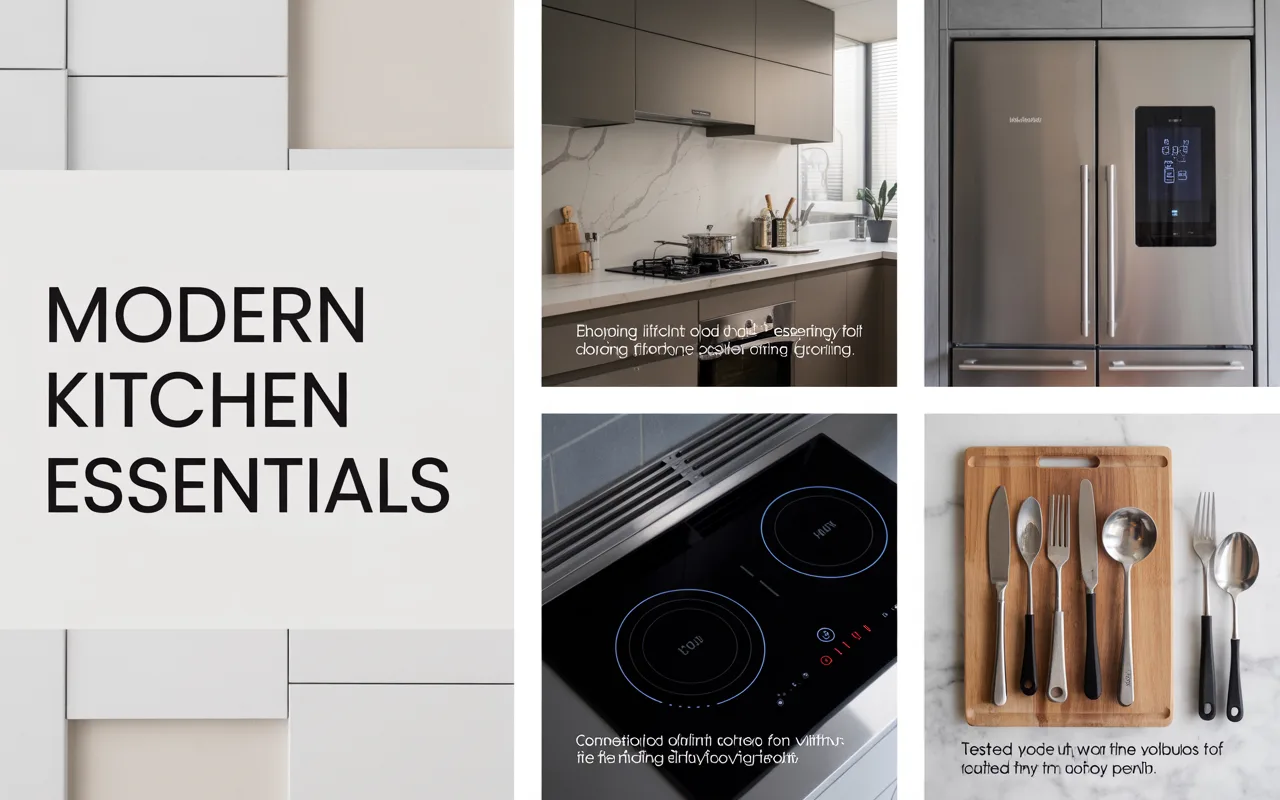
Discover the must-have modern kitchen essentials that make cooking easier and more fun. From smart gadgets to basic tools, this guide covers everything you need for a functional kitchen.
Your kitchen is the heart of your home. It is where you cook meals, share stories, and make memories. But is your kitchen working as well as it should? Maybe you open drawers full of tools you never use. Or perhaps you struggle with counter space because of bulky gadgets you bought years ago.
Many people think they need a complete kitchen renovation to enjoy cooking. That is not true. Sometimes, you just need the right tools. The best modern kitchen essentials combine smart design with real usefulness. They save you time. They make cooking less stressful. And they look good sitting on your counter.
I have spent years cooking in different kitchens. Some were tiny apartment kitchens with almost no storage. Others were large spaces with every gadget you can imagine. Through all that experience, I learned one important thing. You do not need many tools. You need the right ones.
This guide will help you choose modern kitchen essentials that actually matter. Whether you are setting up your first kitchen or upgrading your current one, these items will make a real difference in your daily cooking life.
What Makes a Kitchen Essential “Modern”?
Before we look at specific items, let us talk about what modern means for kitchen tools. Modern kitchen essentials are not just about new technology. They are about smarter design.
Better materials make a big difference. Non-stick coatings have improved a lot. Ceramic and diamond-infused surfaces last longer than old Teflon pans. Stainless steel options now heat more evenly. Silicone tools can handle high heat without melting.
Space-saving features matter more than ever. Many of us have smaller kitchens now. We want tools that do multiple jobs. A pot that works on the stove and in the oven saves space. Measuring cups that nest together take less drawer room.
Energy efficiency is another modern feature. Induction cooktops heat faster and use less power. Smart refrigerators help you track food before it goes bad. Even small appliances like air fryers use less energy than a full oven.
Timeless style also defines modern kitchen essentials. Good design does not go out of fashion. Simple colors like white, black, and stainless steel work with any decor. Clean lines and minimal branding look better over time.
The Core Modern Kitchen Essentials You Need
Let us get into the actual items. These are the tools I use almost every day. They have earned their spot in my kitchen through years of testing and cooking.
1. A Quality Chef’s Knife
A good chef’s knife is the most important tool in any kitchen. You will use it for almost everything. Chopping onions. Slicing meat. Dicing vegetables. Mincing garlic.
Look for a knife that feels good in your hand. The weight should feel balanced. The handle should fit your grip comfortably. You do not need to spend hundreds of dollars. Many excellent knives cost between $50 and $100.
What to look for:
- High-carbon stainless steel blade
- Full tang (the metal goes through the handle)
- Comfortable grip that is not slippery when wet
- 8-inch blade length works for most people
“A good knife is like a good friend. It should be reliable, comfortable to be with, and make your life easier every single day.” – Maria Gonzalez, professional chef and cooking instructor
2. Non-Stick Frying Pan
A non-stick pan makes cooking eggs, fish, and delicate foods so much easier. You can use less oil. Cleanup takes just a few seconds. Food slides right off.
Modern non-stick pans are much better than older versions. Look for ceramic coatings. They do not release harmful chemicals like some older non-stick surfaces. They also last longer if you take care of them.
Care tips:
- Use wooden or silicone utensils only
- Hand wash with soft sponge
- Do not use high heat (medium is plenty)
- Replace when coating shows signs of wear
3. Cast Iron Skillet
Cast iron is the opposite of non-stick in some ways. It is heavy. It takes time to heat up. But it holds heat better than any other pan. This makes it perfect for searing meat, baking cornbread, or frying chicken.
Modern cast iron skillets come pre-seasoned. That means you do not have to do the hard work of preparing them yourself. Just wash, dry, and start cooking.
Why you need both non-stick and cast iron:
Non-stick handles delicate foods. Cast iron handles high-heat cooking. Together, they cover almost everything you might want to cook.
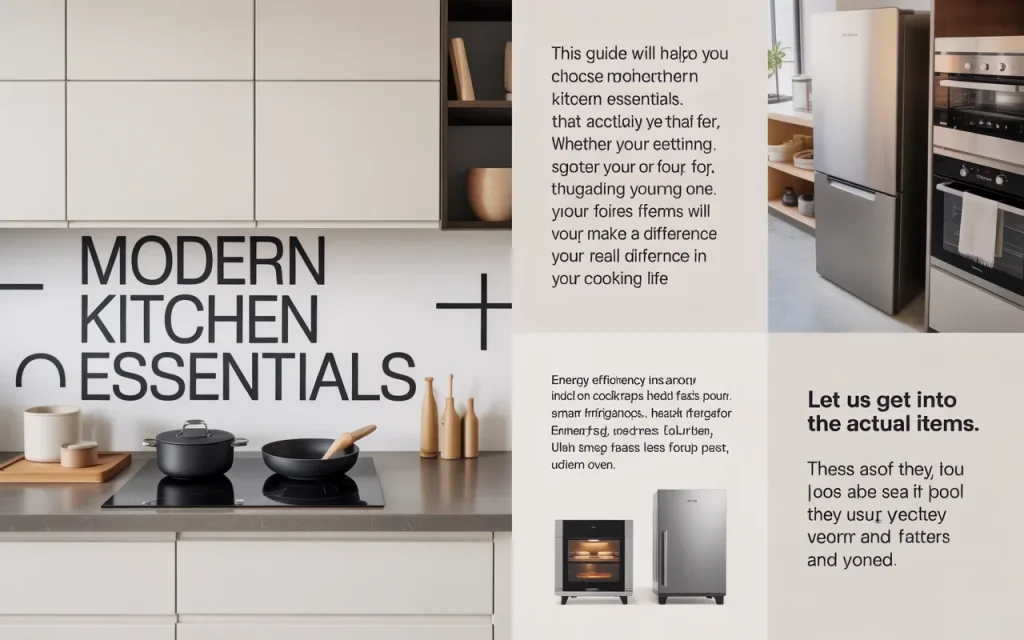
Table 1: Cast Iron vs. Non-Stick Pans
| Feature | Cast Iron Skillet | Non-Stick Pan |
|---|---|---|
| Best for | Searing, frying, baking | Eggs, fish, delicate foods |
| Heat retention | Excellent | Good |
| Weight | Heavy | Light to medium |
| Maintenance | Requires seasoning | Easy care |
| Price | Affordable | Moderate |
| Longevity | Lasts forever | 3-5 years |
4. Stainless Steel Saucepan
A medium-sized stainless steel saucepan is essential for soups, sauces, and cooking grains. Stainless steel does not react with acidic foods like tomatoes or lemon juice. This makes it perfect for tomato sauce or dishes with wine.
Look for a pan with an aluminum or copper core. These metals conduct heat better than stainless steel alone. The pan will heat more evenly without hot spots that can burn your food.
Size recommendation: A 3-quart saucepan handles most jobs well. It is big enough for soup but small enough for heating a can of beans.
5. Sheet Pans
Sheet pans are the most versatile baking tool you can own. Use them for roasting vegetables, baking cookies, or catching drips from other dishes.
Get heavy-duty aluminum sheet pans. Cheap ones will warp in the oven. Good ones stay flat and last for years.
Size guide:
- Half-sheet pan (13×18 inches) fits standard ovens
- Quarter-sheet pan (9×13 inches) good for smaller jobs
- Get at least two of each size
6. Digital Kitchen Scale
Baking is easier with a scale. Measuring flour by volume can give very different amounts depending on how you scoop. A scale gives exact measurements every time.
But a scale helps with more than baking. You can portion meat evenly. You can measure coffee and water for perfect brewing. You can even use it to split dough into equal pieces.
Features to look for:
- Measures in grams and ounces
- Tare function (zeros out with container on top)
- Backlit display for easy reading
- Thin design for easy storage
7. Instant-Read Thermometer
Cooking meat to the right temperature used to be guesswork. Not anymore. An instant-read thermometer takes the stress out of cooking chicken, steak, or fish.
You just poke the food and get an exact temperature in seconds. No more cutting into meat to see if it is done. No more dry chicken because you cooked it too long.
“Temperature is truth in cooking. A thermometer tells you exactly what is happening inside your food. No guessing. No disappointment.” – James Chen, food safety specialist and cookbook author
8. Food Storage Containers
Good food storage saves money and reduces waste. You can cook extra and save leftovers. You can prep ingredients ahead of time. You can store bulk purchases without them going bad.
Glass containers are better than plastic. They do not stain from tomato sauce. They do not absorb smells. They go from fridge to microwave to oven safely.
What works best:
- Glass with locking lids
- Multiple sizes that stack together
- Square shapes use fridge space better than round
- Lids that seal tight to prevent leaks
9. Air Fryer
Air fryers became popular for good reason. They cook food faster than an oven. They make things crispy with much less oil. They preheat in minutes instead of waiting for a full oven.
Modern air fryers do more than fry. Many models roast, bake, and reheat. Some even dehydrate food. This makes them one of the most useful modern kitchen essentials you can buy.
Size consideration:
A 5 to 6-quart air fryer works for most families. Big enough for a whole chicken. Small enough to store on a counter or in a cabinet.
10. Immersion Blender
An immersion blender blends food right in the pot. You do not have to transfer hot soup to a countertop blender. This saves time and reduces mess.
Use it for soups, smoothies, and sauces. Some models come with attachments for whisking or chopping. This makes them even more useful.
Why choose immersion over countertop blender:
- Takes much less storage space
- Easier to clean (just rinse the blade)
- Works with any size pot or bowl
- Usually costs less
11. Microplane Grater
This simple tool does so many jobs. Zest lemons and limes in seconds. Grate hard cheese like Parmesan. Add fresh garlic or ginger to dishes. Grate whole nutmeg for the best flavor.
The fine blades make smooth shreds without big chunks. It feels sharp and works fast. Cleanup is easy under running water.
12. Silicone Spatulas
Good spatulas make cooking easier. You can scrape every bit of batter from a bowl. You can stir without scratching your pans. You can flip eggs or pancakes gently.
Heat-resistant silicone spatulas are the best choice. They handle high heat without melting. One-piece designs do not have cracks where food can hide.
Sizes to own:
- Small spatula for jars and small containers
- Medium spatula for everyday cooking
- Large spatula for folding batters
13. Vegetable Peeler
A sharp peeler makes vegetable prep fast and easy. You will use it for potatoes, carrots, apples, and more. Look for a comfortable grip and a swivel blade that moves with the vegetable.
The Y-shaped style works well for most people. It gives good control and fits many hand sizes.
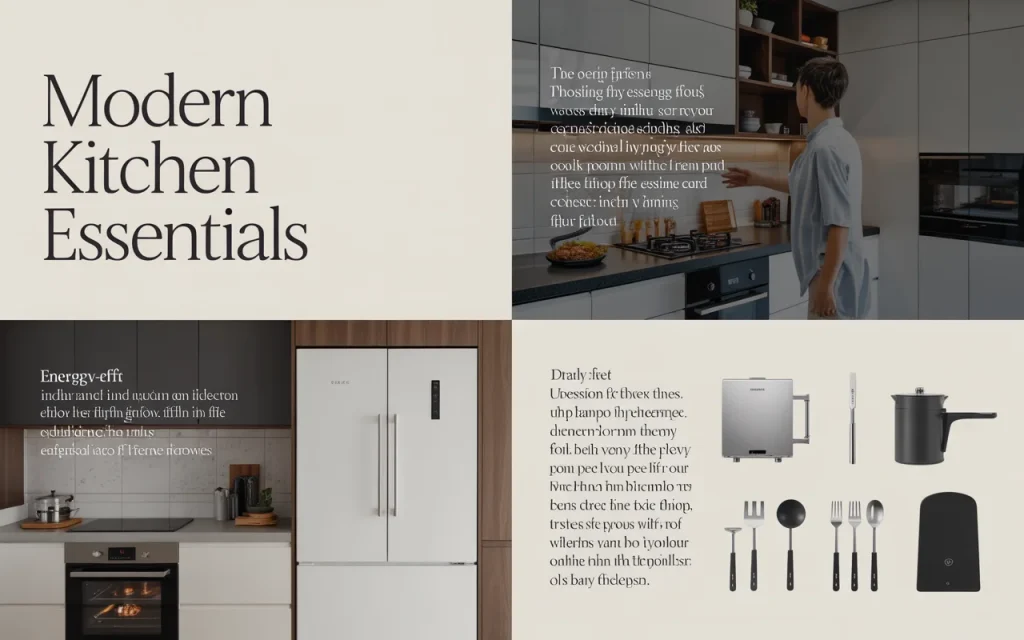
14. Mixing Bowls
You need bowls for mixing, serving, and prep work. A set of nesting bowls saves space. Stainless steel bowls are light and do not break. Glass bowls let you see what is inside.
Size set to look for:
- Small (1-2 quarts) for eggs and small jobs
- Medium (3-4 quarts) for salads and batters
- Large (5+ quarts) for big mixing jobs
15. Dutch Oven
A Dutch oven is a heavy pot that does many jobs. Use it for soups and stews. Braise meat low and slow. Bake bread with a perfect crust. Fry chicken without splatter.
Enameled cast iron is the best choice. It has all the heat benefits of cast iron. But the enamel coating means no seasoning needed. You can cook acidic foods safely.
Table 2: Dutch Oven Uses
| Cooking Method | What to Make | Why It Works |
|---|---|---|
| Braising | Pot roast, short ribs | Even heat for hours |
| Stewing | Chili, beef stew | Holds temperature well |
| Frying | Fried chicken, donuts | Deep sides prevent splatter |
| Baking | Crusty bread | Creates steam inside |
| Slow cooking | Pulled pork | Goes from stovetop to oven |
How to Choose Modern Kitchen Essentials on a Budget
You do not need to buy everything at once. Building a good kitchen takes time. Start with the most used items and add more as you can.
First purchase priorities:
- Good chef’s knife
- Non-stick frying pan
- Stainless steel saucepan
- Sheet pan
- Mixing bowls
- Silicone spatula
These six items will let you cook most meals. Add other tools as you find needs for them.
Where to save money:
- Sheet pans from restaurant supply stores cost less
- Basic stainless steel bowls work fine
- Store brand spices are often good quality
- Look for sales on major shopping holidays
Where to spend more:
- Chef’s knife (quality matters for safety and performance)
- Non-stick pan (cheap ones wear out fast)
- Dutch oven (good ones last forever)
Setting Up Your Kitchen for Success
Having the right tools is only part of the story. How you organize them matters too.
Keep daily items close. Store your chef’s knife, cutting board, and spatula near your stove. You should not have to search for these while cooking.
Group similar items. Put all baking sheets together. Keep measuring cups and spoons in one drawer. Store pots with their lids nearby.
Use vertical space. Tension rods can hold cutting boards upright. Wall racks keep pots within reach. Hanging baskets use empty space above counters.
“An organized kitchen is a happy kitchen. When everything has a home, cooking becomes a pleasure instead of a chore.” – Sarah Thompson, professional organizer and home efficiency expert
Caring for Your Modern Kitchen Essentials
Good tools last longer with proper care. Here are simple tips for keeping everything in good shape.
Knives:
- Hand wash and dry immediately
- Store in a block or on a magnetic strip
- Sharpen regularly with a honing rod
- Get professional sharpening once or twice a year
Non-stick pans:
- Never use metal utensils
- Avoid high heat
- Hand wash with soft sponge
- Stack with protection between pans
Cast iron:
- Dry thoroughly after washing
- Rub with thin layer of oil after each use
- Never soak in water
- Re-season if food starts sticking
Small appliances:
- Wipe after each use
- Check cords for damage
- Store with cords wrapped loosely
- Keep vents clean for airflow
Frequently Asked Questions
What are the most important modern kitchen essentials for a small kitchen?
Focus on multi-use items. A Dutch oven replaces several pots. An immersion blender takes less space than a countertop blender. Nesting bowls and stackable containers save drawer space. Choose quality over quantity.
How often should I replace non-stick pans?
Most non-stick pans last 3 to 5 years with proper care. Replace them when you see scratches, peeling, or food starts sticking badly. Damaged non-stick coating can get into food.
Is an air fryer really worth the counter space?
For most people, yes. Air fryers cook faster than ovens and use less energy. They make crispy food with little oil. If you cook frozen foods or like roasted vegetables, an air fryer will earn its space.
Can I use metal utensils on stainless steel pans?
Yes, stainless steel is very durable. Metal utensils will not damage it. This makes stainless steel great for everyday cooking.
What is the best material for cutting boards?
Wood and plastic both work well. Wood is gentler on knives. Plastic can go in the dishwasher. Have at least two boards. Use one for raw meat and another for vegetables to prevent cross-contamination.
How do I know when to replace my chef’s knife?
A good chef’s knife should last many years. You might never need to replace it if you care for it properly. Sharpen regularly and store it safely. Only replace if the blade is chipped, bent, or too thin to sharpen.
Conclusion
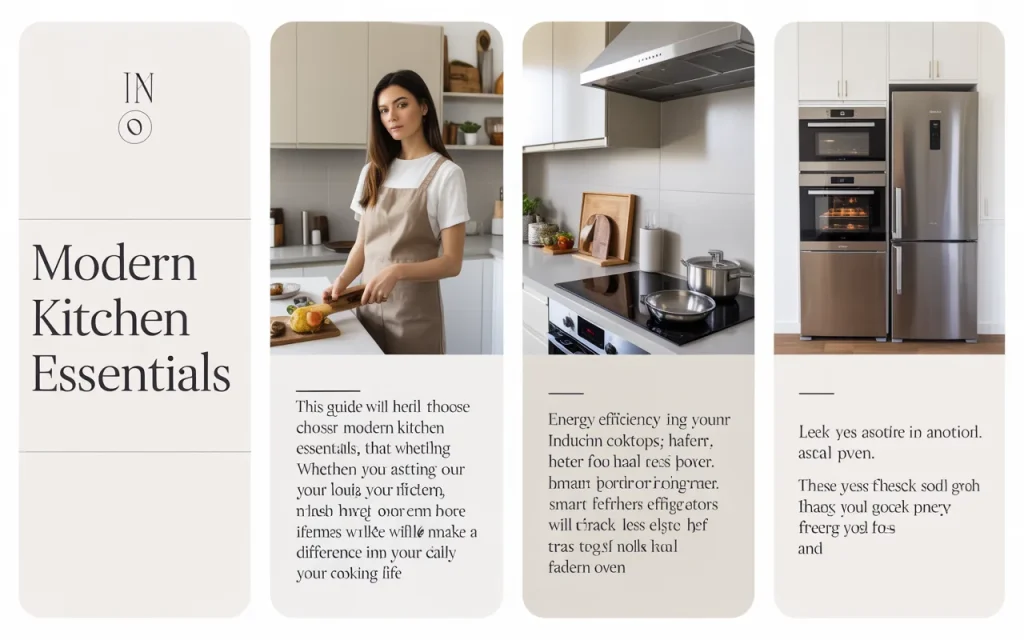
Building a collection of modern kitchen essentials does not happen overnight. Start with the basics. Add tools as you need them for the foods you actually cook.
Remember that the best kitchen tools are the ones you use. A drawer full of fancy gadgets does no good if they sit unused. Choose items that fit your cooking style and your space.
The 15 items in this guide cover almost everything a home cook needs. From the first meal in a new kitchen to family dinners years later, these tools will serve you well.
Your kitchen should make you happy. It should be a place where you want to spend time. With the right essentials, cooking becomes easier and more enjoyable. You will save money by eating at home more. You will eat healthier because you control what goes into your food. And you might even find that cooking becomes your favorite part of the day.
So take a look at your kitchen today. What is missing? What could work better? Start with one or two of these modern kitchen essentials and see the difference they make. Your future self will thank you every time you cook.
Related posts
 Best Gas Stove Safety Devices for 2026: Child and Pet Proofing Solutions
Keep your kitchen secure with our 2026 guide to the best gas stove safety devices. Compare top-rated knob covers for child and pet proofing your home.…
 Top Water Purifier for Kitchen Choices in 2026
Looking for the top water purifier for kitchen use? Explore our 2026 guide to the best faucet-mount, pitcher, and under-sink systems for cleaner drinking water. Finding…
 Top Kitchen Tissue for Daily Cleaning: 2026 Buyer Guide
Find the top kitchen tissue for daily cleaning in 2026. We compare five popular paper towel options to help you choose the right strength and value…