
How To Crate Train An Adult Dog
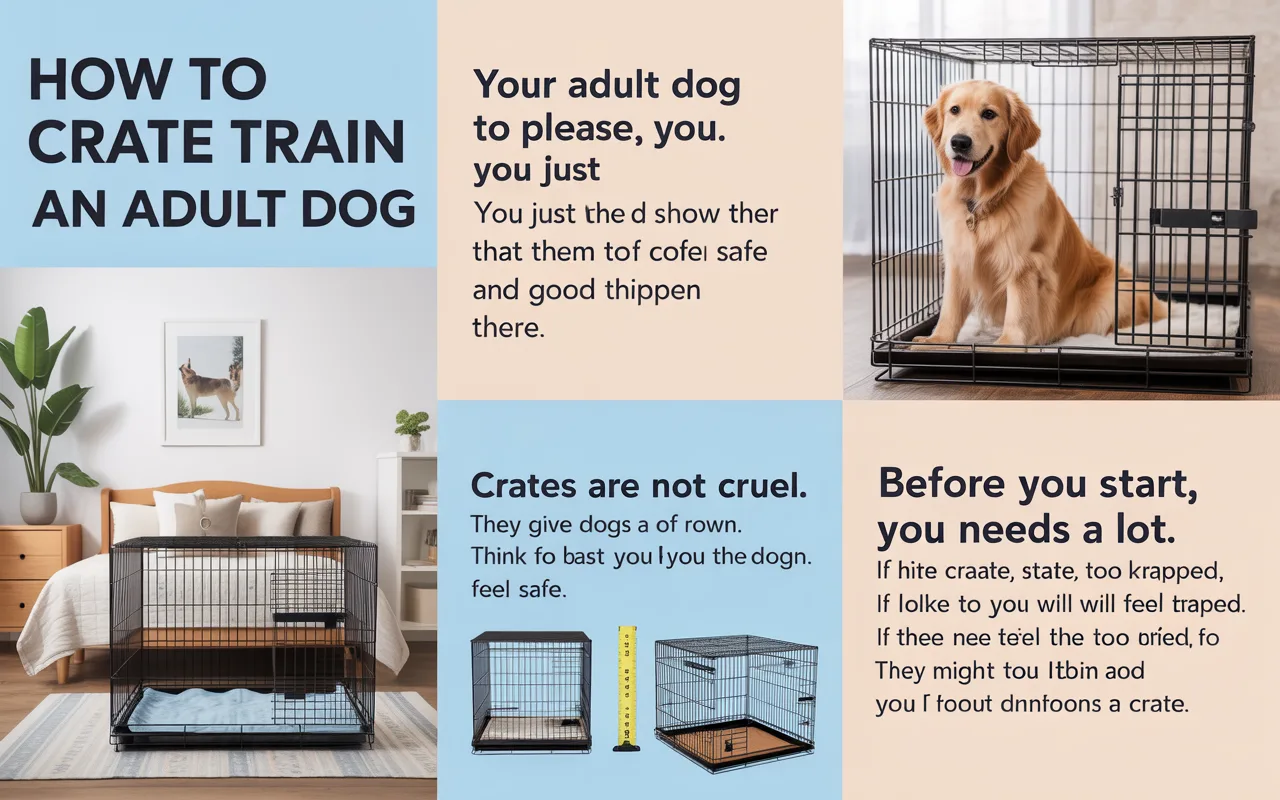
Learn the best way How To Crate Train An Adult Dog with patience and positive methods. This guide helps older dogs feel safe and calm in their crate without stress or fear.
So you have an adult dog who has never used a crate before. Maybe you just adopted an older rescue dog. Perhaps your living situation changed and now you need your dog to stay in a crate sometimes. You might think crate training only works for puppies. That is simply not true.
How To Crate Train An Adult Dog. Adult dogs can learn to love their crate just like young puppies. It takes a little more patience. Older dogs have habits already set. But with the right approach, you can crate train an adult dog successfully. I have helped many adult dogs adjust to crates over the years. The key is going slow and making the crate a happy place.
Many people worry that their dog is too old to learn. Dogs are smart animals. They can learn new things at any age. Your adult dog wants to please you. You just need to show them that the crate is safe and good things happen there.
Why Crate Train an Adult Dog?
Crates are not cruel. They give dogs a space of their own. Think of it like your bedroom. You go there to rest and feel safe. Dogs feel the same way about a crate.
How To Crate Train An Adult Dog? A crate keeps your dog safe when you cannot watch them. It stops them from chewing things they should not. It helps with house training. Dogs do not like to soil where they sleep. A crate can give your dog a routine and structure.
Some people feel bad putting a dog in a crate. But dogs are den animals. In the wild, they sleep in small, safe spaces. A crate meets that natural need. Your dog will learn to see it as their personal den.
“Dogs are not our whole life, but they make our lives whole. Giving them a safe space like a crate shows them we care about their comfort and security.” – Dr. Sarah Mitchell, Veterinary Behaviorist
Choosing the Right Crate for Your Adult Dog
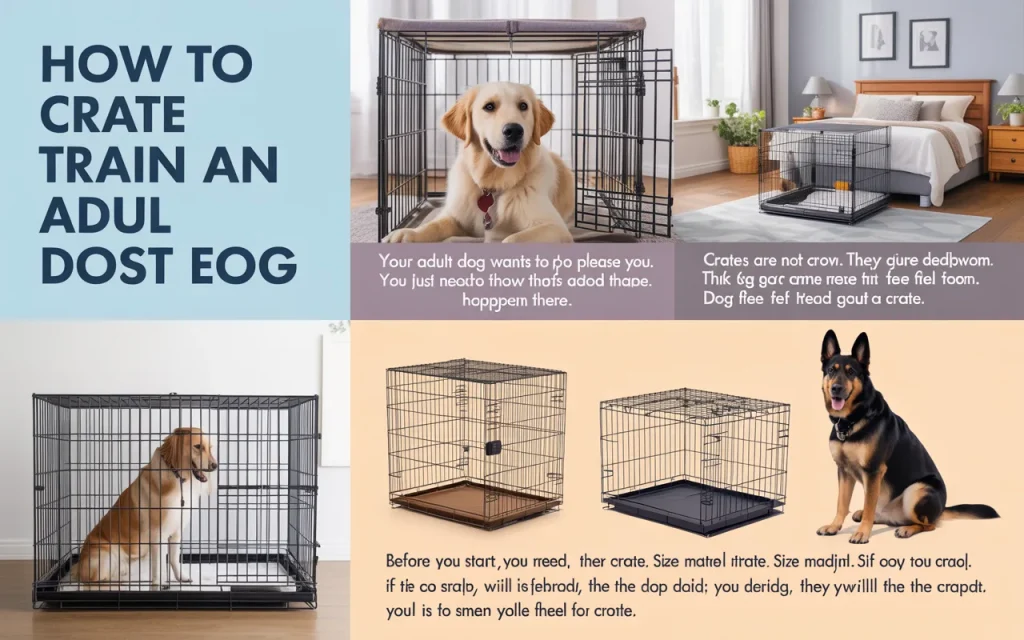
Before you start, you need the right crate. Size matters a lot. If the crate is too small, your dog will feel trapped. If it is too big, they might use one end as a bathroom.
Measure your dog. Have them stand up. Measure from the floor to the top of their head. Add a few inches. That is how tall the crate should be. Measure from their nose to the start of their tail. Add a few inches. That is how long the crate should be.
Here is a quick guide to help you pick:
| Dog Size | Crate Type | Good For |
|---|---|---|
| Small dogs (under 25 lbs) | Plastic or fabric | Easy to move, cozy feel |
| Medium dogs (25-50 lbs) | Wire metal | Good airflow, folds flat |
| Large dogs (50-90 lbs) | Heavy wire | Strong, divider panels useful |
| Extra large (90+ lbs) | Extra large wire | Room to stand and turn |
Wire crates are great for adult dogs. They let your dog see out. This helps them feel less alone. Many wire crates come with a divider. You can make the space smaller at first. As your dog gets used to it, you can give them more room.
Plastic crates feel more like a den. They are darker inside. Some dogs like this better. They are also good for car travel. But they do not have as much airflow.
Fabric crates are light and easy to carry. But they are not for dogs who like to chew. A strong dog can tear through fabric fast.
Where to Put the Crate
Location matters when you crate train an adult dog. Do not hide the crate away in a basement or garage. Put it where the family spends time. The living room is often best.
Your dog wants to be near you. If the crate is in a busy room, they will feel part of the action. They can watch TV with you or see you cook dinner. This makes the crate feel like part of the home.
Make sure the spot is not too hot or cold. Keep it away from drafts. Do not put it right next to a loud heater or air conditioner.
At night, you might move the crate near your bed at first. This helps dogs who feel scared in the dark. They can hear you breathe and know you are close. Once they love their crate, you can move it back to the living room if you want.
How to Make the Crate Comfortable
Would you want to sleep on a hard plastic floor? Neither does your dog. Add a soft bed or thick blanket. Make sure it fits well inside.
Some dogs like to have a blanket over part of the crate. This makes it feel like a cozy cave. Leave one side open so they can see out. Watch your dog to see if they like it covered or open.
Put a few safe toys inside. Chew toys are great. Kong toys stuffed with treats work well. Do not put anything in there that your dog might tear up and eat.
“The crate should be the dog’s favorite room in the house. Make it so appealing that your dog chooses to go there on their own.” – Patricia McConnell, Animal Behaviorist
Step 1: Let Your Dog Explore
How To Crate Train An Adult Dog? Do not lock your dog in the crate on day one. That will scare them. Start by letting them check it out on their own.
Leave the crate door open. Throw some treats inside. Let your dog walk in and out freely. Praise them when they go near it. Give them a treat just for sniffing it.
Do this for a few days. The goal is for your dog to think the crate is no big deal. It is just another piece of furniture.
Some dogs will walk right in. Others will be shy. If your dog is scared, go slower. Put treats just outside the door. Then put them at the door. Then just inside. Let your dog set the pace.
Step 2: Feed Meals in the Crate
How To Crate Train An Adult Dog? Food is a great motivator. Start feeding your dog their meals near the crate. Then move the bowl to the crate door. Finally, put the bowl all the way inside.
Keep the door open at first. Let your dog eat in peace. Do not close the door while they eat. This might scare them.
Once your dog is happy eating inside, you can close the door for a few seconds. Open it before they finish eating. Then slowly make the time longer. Close the door for a minute. Then two minutes. Always open it before they get worried.
If your dog stops eating or looks stressed, you went too fast. Go back to leaving the door open. Try again later with shorter time.
Step 3: Use Treats and Praise
Every time your dog goes in the crate, give them a treat. Use special treats they do not get any other time. Small pieces of chicken or cheese work well.
Say a happy word when they go in. “Crate” or “kennel” are good words to use. Say it in a cheerful voice. Then give the treat.
You want your dog to think “When I go in the crate, good things happen.” This builds a positive link in their mind.
Here are some treat ideas for crate training:
| Treat Type | Why It Works |
|---|---|
| Small soft treats | Easy to eat fast |
| Peanut butter in Kong | Takes time to lick, keeps them busy |
| Freeze-dried liver | Strong smell dogs love |
| Cheese cubes | High value, most dogs love it |
| Carrot sticks | Healthy crunch for chewers |
Step 4: Close the Door for Short Times
Now it is time to close the door with your dog inside. But only for a few seconds at first.
Give your dog a treat and close the door. Stay right there. Open the door after five seconds. Give another treat. Do this many times.
Slowly make the time longer. Ten seconds. Thirty seconds. One minute. Always stay close. Talk to your dog in a calm voice. Let them know you are right there.
If your dog whines, do not let them out right away. Wait for a quiet moment. Even one second of quiet is enough. Open the door when they are calm. This teaches them that being quiet gets them out.
If they keep whining and get upset, you went too fast. Go back to shorter times. Build up more slowly.
Step 5: Leave the Room
Once your dog stays calm with the door closed, start leaving the room. Go out of sight for a few seconds. Then come back. Give a treat.
Slowly make the time longer that you are gone. Start with 30 seconds. Then one minute. Then five minutes. Work up to longer times.
Always come back before your dog gets worried. Watch for signs of stress. Pacing, whining, or pawing at the door means you need to slow down.
When you come back, stay calm. Do not make a big deal about it. A simple “good dog” and a treat is enough. If you get too excited when you return, your dog might get too excited too.
Step 6: Practice at Different Times
Dogs learn best when you practice at different times of day. Do not only practice when you are leaving the house. Practice when you are home and relaxing.
Put your dog in the crate while you watch TV. Give them a chew toy. Let them settle down. This teaches them that the crate is for calm time, not just when you leave.
Practice after walks when your dog is tired. A tired dog is more likely to relax in their crate. Practice before meals when they are hungry for treats.
The more you practice, the faster your dog will learn. Short, happy practice sessions work better than long ones. Five minutes, three times a day is great.
“Patience is not just about waiting. It is about how we behave while we wait. With crate training, our calm patience teaches the dog that waiting is safe.” – Marc Goldberg, Dog Trainer
Common Problems and How to Fix Them
My dog whines in the crate
Whining is normal at first. Your dog is telling you they want out. Do not give in right away. Wait for a quiet moment. Then let them out.
If the whining gets worse, you might have left them too long. Go back to shorter times. Make sure they have gone to the bathroom before crating.
Some dogs whine because they are bored. Give them something to do. A frozen Kong toy keeps them busy. A safe chew bone helps too.
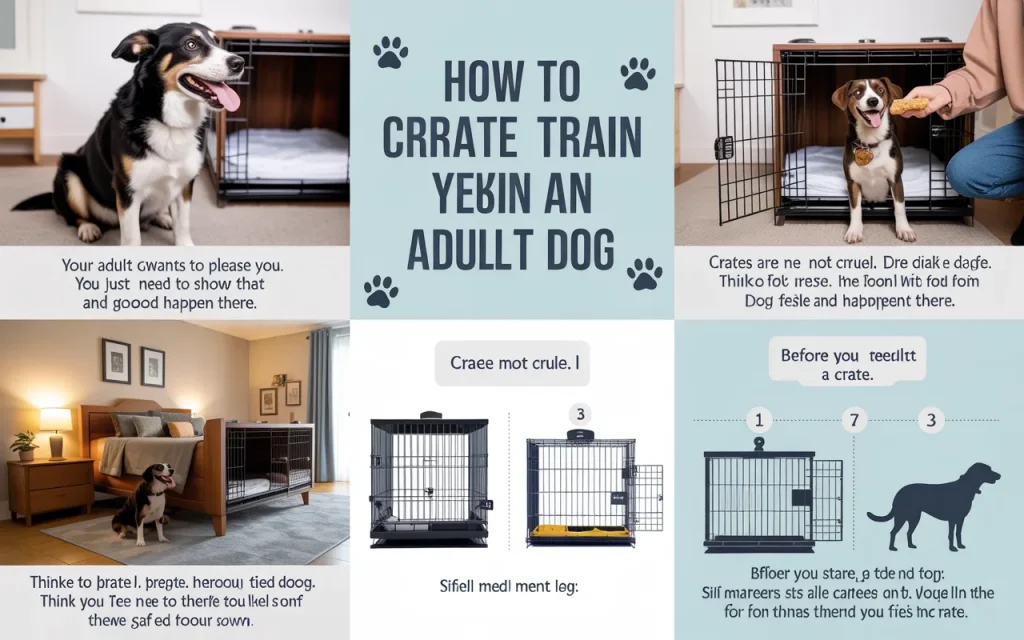
My dog tries to escape
This is scary for both of you. Your dog might hurt themselves trying to get out. If this happens, you went too fast.
Go back to step one. Let your dog explore the crate with the door open. Feed all meals in the crate with the door open. Build positive feelings before closing the door again.
Check that the crate is safe. Remove anything they might use to escape. Make sure there are no sharp edges.
If your dog keeps trying to escape, talk to a trainer. Some dogs have high anxiety and need extra help.
My dog will not go near the crate
Some dogs are very afraid of new things. That is okay. Go slower. Put treats near the crate. Then closer. Do not force them.
Try a different type of crate. Some dogs do not like wire floors. Some want more privacy. A plastic crate might work better.
Put a worn t-shirt that smells like you inside. Your smell comforts them. Do not wash the shirt first. Your scent helps them feel safe.
My dog is fine until I leave the house
This is separation anxiety. Your dog is fine with the crate when you are home. But when you leave, they panic.
Start by practicing leaving for very short times. One minute. Two minutes. Build up slowly. Always come back before they get upset.
Leave special toys they only get when you go out. A stuffed Kong works well. It gives them something good to focus on.
If the problem is bad, ask your vet for help. Some dogs need more support to feel safe alone.
How Long Can an Adult Dog Stay in a Crate?
Adult dogs can hold their bladder longer than puppies. But they still need breaks.
A good rule is no more than four hours at a time during the day. Some dogs can handle six hours. But that is the limit for most. Overnight is different. Most adult dogs can sleep eight hours without a bathroom break.
Think about your dog’s needs. Do not crate them all day while you work and all night while you sleep. That is too much. They need time to move and play.
If you work long hours, get help. A dog walker can take them out midday. Dog daycare is another good choice. Your dog needs exercise and social time.
Here is a simple schedule to think about:
- Morning: Walk, play, breakfast
- Crate time: 3-4 hours
- Lunch break: Walk, potty, play
- Crate time: 3-4 hours
- Evening: Walk, dinner, family time
- Night: Sleep in crate or bed
Every dog is different. Older dogs might need more bathroom breaks. Very active dogs need more exercise before crating.
When Not to Use the Crate
Crates are great tools. But they are not for every situation.
Do not use the crate as punishment. If you put your dog in there when you are mad, they will learn to hate it. The crate must always be a happy place.
Do not leave your dog in a crate all day. They need exercise and human time. If you are gone 10 hours a day, the crate is not the answer for all that time.
Do not crate a dog with medical issues without talking to your vet first. Some health problems mean they need to go out more often.
If your dog is very sick or has diarrhea, do not crate them for long. They cannot help having accidents. Being stuck in a dirty crate is awful for them.
Making the Crate a Happy Place Forever
Once your dog loves their crate, keep it that way. Keep putting treats in there sometimes. Keep the door open so they can go in when they want.
Some dogs will start going to their crate on their own. That is the best sign. They see it as their safe spot. When they are tired or stressed, they choose to go there.
Keep the crate comfortable. Wash the bedding. Keep toys fresh. Make sure it stays a nice place to be.
You can stop closing the door when you are home. Let your dog come and go. But keep using the crate when you leave. It keeps them safe and stops bad habits.
Frequently Asked Questions
Is it too late to crate train my older dog?
No, it is never too late. Adult dogs can learn new things. They might take a little longer than puppies. But with patience and treats, most dogs learn to love their crate.
My dog was abused before. Will crate training work?
Be extra gentle with dogs who have had hard lives. Go very slow. Let them set the pace. If they show fear, take a step back. Some rescue dogs need weeks or months to feel safe. That is okay. Work with a trainer if you need help.
Should I put water in the crate?
For short times, no. They might spill it and get wet. For longer than two hours, yes, they need water. Use a bowl that clips to the crate door. This stops spills.
What if my dog has an accident in the crate?
Do not get mad. They did not do it on purpose. Clean it well so the smell is gone. Then think about why it happened. Was your dog in there too long? Are they sick? Do they need more potty breaks? Fix the cause, not just the mess.
Can I crate train two dogs together?
Some dogs like to share a crate. Others do not. Watch how they act. If they are calm together, it might be okay. But many dogs do better with their own space. Two crates side by side can work well.
My dog is calm in the crate but barks at noises. What do I do?
Try a white noise machine or fan. This blocks outside sounds. Covering the crate can help too. Leave a radio on low when you go out. Calm music helps some dogs relax.
Conclusion
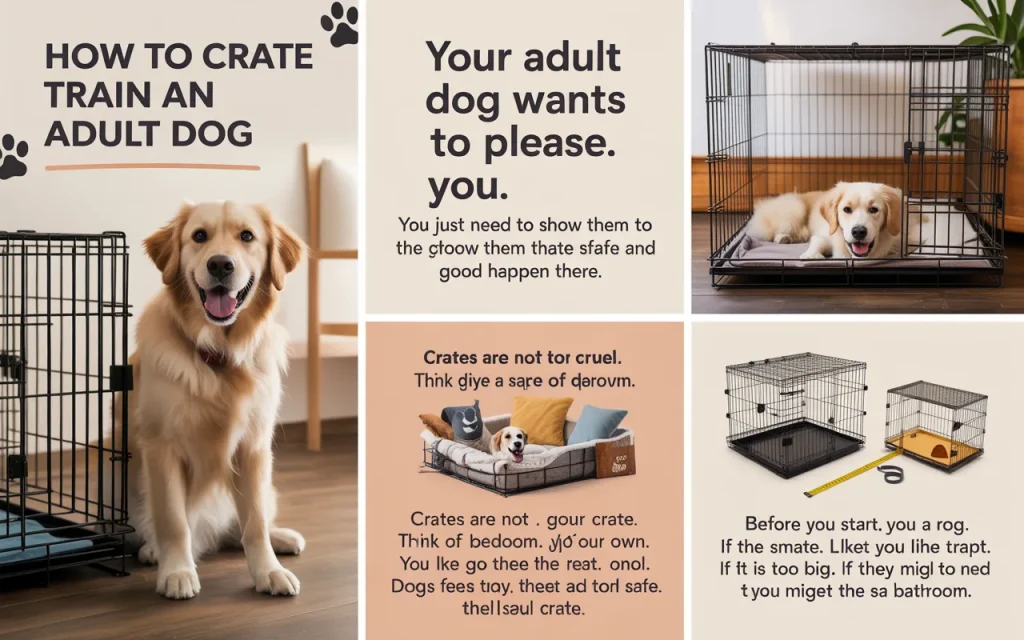
Crate training an adult dog takes time. But it is worth it. Your dog gets a safe space of their own. You get peace of mind knowing they are safe when you cannot watch them.
Remember to go slow. Let your dog get used to the crate step by step. Use lots of treats and praise. Never force them inside. Make the crate the best place in the house.
Every dog learns at their own speed. Some get it in a few days. Others take weeks. That is normal. Keep practicing and stay positive. Your dog wants to make you happy. Show them how.
The crate is not just a tool for you. It becomes your dog’s special place. A spot where they feel safe and calm. When your dog chooses to nap in their crate with the door open, you will know you did it right. You helped them find a place to call their own.
Start today. Get the right crate. Find the perfect spot. Make it cozy. Then let your dog discover their new favorite place in your home.
Related posts
 Best Pet Supplies Online: 2026 Essentials for Every Companion
Discover the best pet supplies online for 2026. We review top-rated toys, grooming tools, and walking gear to help you make the right choice for your…
 Best Pet Care Products for Beginners in 2026
Discover the best pet care products for beginners to keep your home clean and your pets comfortable. Simple, effective solutions for daily grooming and hygiene. Welcoming…
 Best Pet Care Kit for Home Use: 2026 Grooming Essentials
Find the best pet care kit for home use in 2026. Compare top-rated clippers, grooming vacuums, and scissor sets to keep your pets clean and comfortable.…