
How To Stop Dog Barking At Night
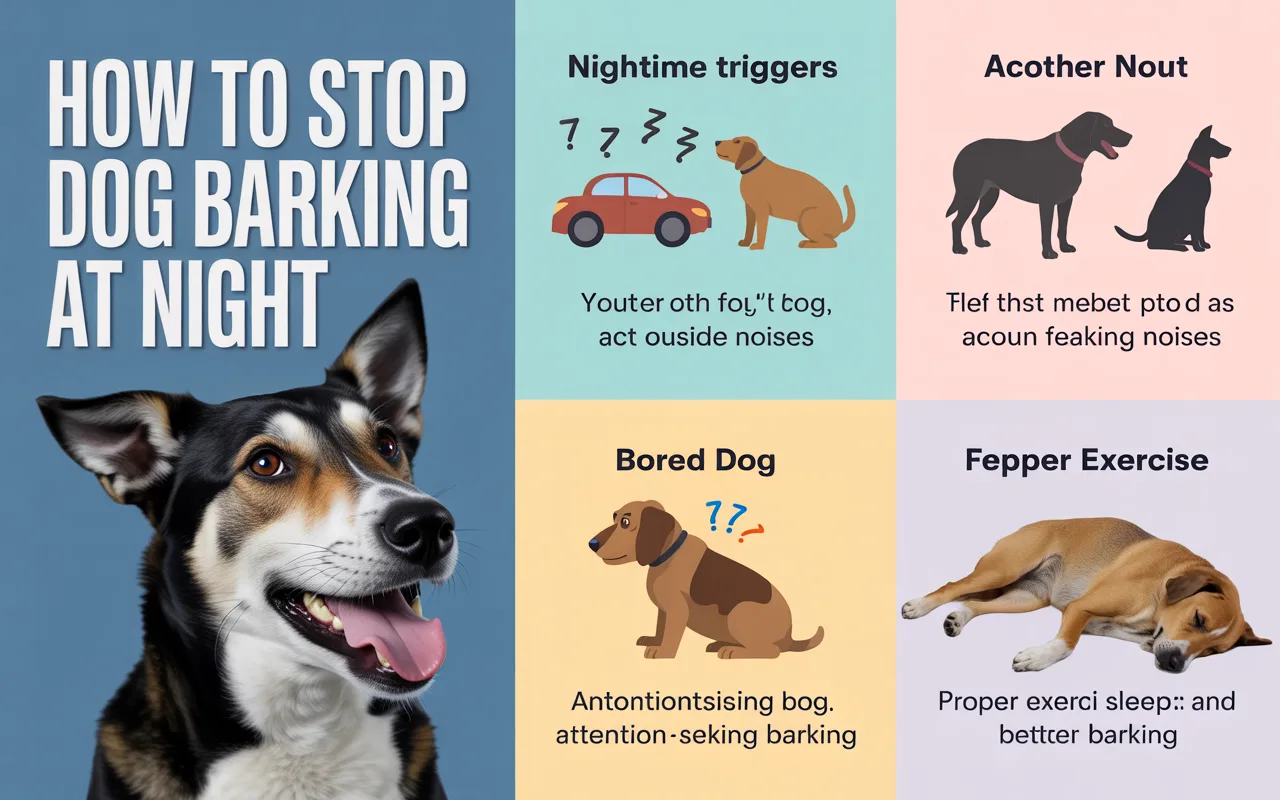
Learn simple and kind ways to stop dog barking at night. Find out why your dog barks and how to help them sleep quietly. Expert tips for peaceful nights.
Does your dog bark when the sun goes down? You are not alone. Many dog owners face this problem. The sound can wake your family. It can upset your neighbors. It can make you feel tired and frustrated. The good news is that you can fix this. Learning how to stop dog barking at night is possible with the right steps. Dogs do not bark without reason. They try to tell you something. Your job is to listen and help them feel safe. This guide will show you simple and kind ways to bring peace to your home at night.
Dogs bark at night for many reasons. It is their way to talk to you. They might feel scared. They might hear sounds you cannot hear. They might have too much energy. Some dogs feel lonely when everyone sleeps. Older dogs can get confused in the dark. Young dogs might not know night is for sleep. Understanding the cause is the first step. When you know why your dog barks, you can fix the problem. Your dog is not trying to be bad. They just need your help to feel calm.
Common Triggers for Nighttime Barking
Many things can wake your dog at night. Noises outside are a big trigger. A car door closing. Another dog barking. A cat walking by. These sounds can make your dog alert. They bark to warn you or scare the sound away. Other dogs bark because they need something. Maybe their water bowl is empty. Maybe they need to go outside. Some dogs bark from boredom. If they slept all day, they might be awake at night. Medical issues can also cause barking. If your dog feels pain, they might cry out. Pay attention to when and how your dog barks. This helps you find the reason.
Is Your Dog Bored or Scared?
Dogs feel emotions just like we do. Boredom is a big reason for barking. A dog with nothing to do might bark for fun. They want your attention. They want to play. Fear is another common cause. Thunderstorms scare many dogs. Fireworks can make them shake and bark. Dark rooms can feel scary to some dogs. They might bark at shadows they see. Your dog looks to you for safety. If you stay calm, they learn to feel calm too. Watch your dog’s body language. A scared dog might tuck their tail. A bored dog might pace around. Knowing the difference helps you choose the right fix.
How to Stop Dog Barking at Night Fast
You want peace now. That makes sense. There are quick things you can try tonight. These steps help calm your dog right away. They do not take much time. They do not cost much money. Small changes can make a big difference. Your dog just needs to feel safe and settled. Try these ideas and see what works for your dog.
Give More Exercise During the Day
A tired dog is a quiet dog. This is true for most dogs. When dogs get enough exercise, they sleep better. Take your dog for a long walk in the evening. Let them run and play. Throw a ball in the yard. Play fetch inside if you have space. Physical activity uses up their energy. A dog who played hard will want to rest at night. They will be too tired to bark at small noises. Make sure the exercise fits your dog’s age and health. Older dogs might need gentler play. Young dogs might need more running. Try to tire them out before bedtime.
Create a Calm Bedtime Routine
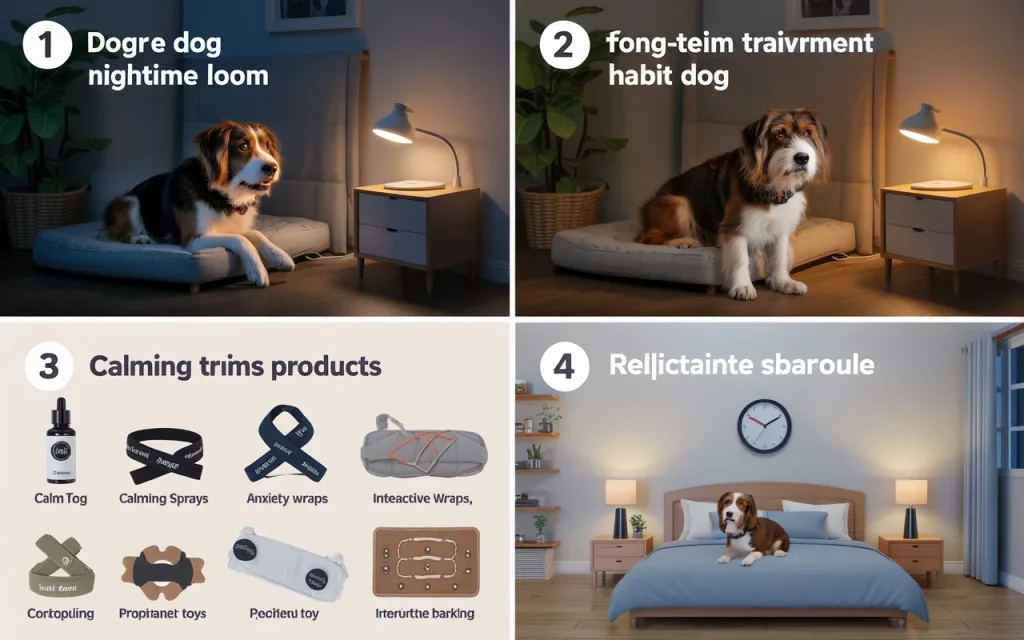
Dogs like routines. They feel safe when they know what comes next. Create a quiet routine before bed. Start about 30 minutes before sleep time. Turn off loud TVs or music. Speak in a soft voice. Give your dog a small treat. Brush their fur gently. Take them out for one last potty break. This tells your dog it is time to wind down. The routine should be the same every night. Your dog will learn that these steps mean sleep time soon. They will feel calm and ready for bed. A calm dog is less likely to bark at night.
Check Their Sleeping Area
Where does your dog sleep? Is it comfy? Is it too hot or cold? Is it too bright? Make their bed a cozy place. Use soft blankets they like. Put the bed in a quiet spot. Away from windows where they see things. Away from doors where they hear noises. Some dogs like a crate with a blanket over it. This feels like a den. It feels safe and small. Make sure they have water nearby. Check that the room is not too warm. A comfy dog sleeps better. A sleeping dog does not bark.
Long Term Solutions to Stop Dog Barking
Quick fixes help tonight. But you also want a quiet home for good. Long term solutions take a little time. They teach your dog new habits. They build trust between you and your dog. These steps work well over weeks. Be patient with your dog. Be patient with yourself. Every dog learns at their own speed. Keep going even if you have bad nights. Good habits take time to build.
Teach the Quiet Command
You can teach your dog to be quiet on purpose. This is a useful skill. Start when your dog barks during the day. Say “quiet” in a calm voice. Wait for them to stop. Even one second of quiet counts. When they stop, give a treat right away. Do this many times. Your dog learns that quiet brings treats. Practice this during the day first. Then try it at night. It takes time but it works well. Your dog will learn what you want. They will learn that being quiet is good.
“Dogs are not our whole life, but they make our lives whole. Teaching them with patience brings peace to both ends of the leash.” – Roger Caras
Use White Noise or Calming Music
Sound machines help many dogs. They block outside noises that trigger barking. A fan works well. So does a white noise machine. You can also play soft music. Some music is made just for dogs. Look for classical music or reggae. Studies show these calm dogs. Play the sound at a low volume. It should not be too loud. Just loud enough to cover small sounds outside. Your dog will hear the steady noise instead. This steady sound helps them relax. It tells their brain that all is calm. Give it a try for a few nights and see the change.
Make Sure All Needs Are Met
Sometimes dogs bark because they need something. Check these things before bed. Is the water bowl full? Did they eat enough dinner? Did they have a last potty break? Did they get enough love and play? When all needs are met, dogs settle easier. Think of it like a checklist. You do this for yourself before bed. You brush teeth and lock doors. Do the same for your dog. Meet their needs and they will rest well.
| Need | Check Before Bed |
|---|---|
| Water | Bowl is full and fresh |
| Food | Ate dinner at least 2 hours ago |
| Potty | Had a last walk or yard time |
| Comfort | Bed is soft and in a good spot |
| Attention | Got some calm pets and love |
Block Their View of Outside
Dogs bark at what they see. A passing car. A walking person. A squirrel in the yard. If your dog sees these things at night, they will bark. Close the curtains or blinds. Use shades that block the view. If you do not have curtains, put up a temporary sheet. You can also move your dog’s bed away from the window. Put it in a spot where they cannot see out. When they cannot see triggers, they will not bark at them. This simple fix helps many dogs stay quiet.
When to Call a Professional
Most dogs get better with your help. But some need extra support. This is okay. Asking for help is a smart thing to do. A professional can see things you might miss. They have training and experience. They can give you a plan that fits your dog. Do not feel bad if you need help. You are doing the right thing for your dog.
Signs You Might Need Help
Watch for these signs. Your dog barks for hours every night. Nothing you try seems to work. Your dog seems scared or anxious all the time. They pace or pant a lot at night. They seem to be in pain when they move. They do not want to eat or play. These signs might mean something deeper. A vet can check for medical problems. A trainer can help with behavior issues. A veterinary behaviorist is an expert in dog emotions. Any of these can help you and your dog.
“The greatness of a nation and its moral progress can be judged by the way its animals are treated.” – Mahatma Gandhi
Types of Help Available
You have choices for help. Start with your vet. They check for pain or illness. They might suggest calming treats or medicine. Next, find a dog trainer. Look for one who uses kind methods. They should not use punishment. Punishment makes fear worse. Ask friends for names. Read reviews online. A good trainer will watch you with your dog. They will teach you new skills. Some trainers come to your home. Others meet you at a park. Pick what works for you.
Common Mistakes Owners Make
We all make mistakes. That is how we learn. Knowing common mistakes helps you avoid them. You can save time and stress. Your dog will thank you for doing things right.
Do Not Yell at Your Dog
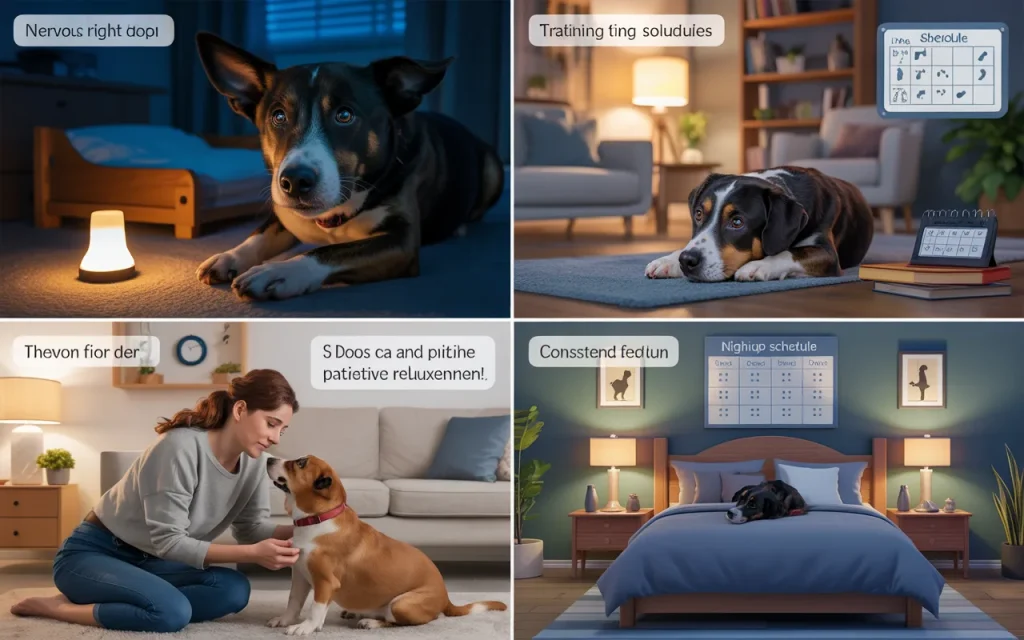
Yelling does not help. It might seem to work for a second. Your dog stops because they are scared. But they do not learn to be quiet. They learn that you are scary. This can make things worse. A scared dog might bark more after you leave. They might hide from you. They might lose trust in you. Stay calm instead. Use a quiet voice. Show them what you want. Kindness works better than anger every time.
Do Not Give Attention for Barking
This is a trap many owners fall into. Your dog barks. You go to them. You talk to them. You give them a treat to be quiet. Your dog learns that barking brings you. They learn barking gets treats. So they bark more next time. Even scolding is attention to a dog. The best move is to wait for quiet. Then go to them. Then give a treat. This teaches them that quiet brings you. It takes patience but it works.
| What You Do | What Dog Learns |
|---|---|
| Go to dog when they bark | Barking brings you |
| Give treat when they bark | Barking brings treats |
| Yell at dog | You are scary sometimes |
| Wait for quiet, then go | Quiet brings you |
Do Not Change the Routine Too Much
Dogs like things the same. Changing bedtime every night confuses them. They do not know when to sleep. They might bark from confusion. Try to keep bedtime the same. Keep your routine the same. Keep the sleeping spot the same. This helps your dog feel safe. When they feel safe, they sleep better. When they sleep better, they bark less.
Products That Help Stop Night Barking
Some products can help your dog. They are tools to use along with training. They do not fix everything alone. But they can make nights easier for both of you. Always pick safe products. Read reviews before you buy. Watch how your dog reacts to new things.
Calming Treats and Chews
Many dogs like calming treats. These have natural ingredients. Things like chamomile and melatonin. These help the body relax. Give them about 30 minutes before bed. Watch to see if they help your dog. Some dogs love them. Others do not notice a change. Start with a small amount. See how your dog does. Talk to your vet before trying new treats. They can tell you what is safe for your dog.
Compression Wraps and Calming Vests
Some dogs feel better with gentle pressure. This is like a hug for your dog. Compression wraps fit around their body. The pressure helps them feel calm. Many dogs wear them during storms. They work for nighttime too. Your dog might relax faster with one on. Make sure it fits right. It should be snug but not too tight. Let your dog get used to it slowly. Put it on for short times at first.
“Until one has loved an animal, a part of one’s soul remains unawakened.” – Anatole France
Night Lights for Anxious Dogs
Some dogs fear the dark. They cannot see well at night. Shadows look scary to them. A night light can help. Plug one in near their bed. It gives soft light all night. Your dog can see that nothing is there. They will feel less scared. They will bark less at shadows. Pick a light that is not too bright. You want it soft and calming. This small change helps many dogs sleep better.
Frequently Asked Questions
Q: Will my dog grow out of barking at night?
Some young dogs grow out of it. But many do not. If you do not teach them, they keep barking. It is best to help them learn now. Do not wait for them to change on their own.
Q: How long does it take to stop night barking?
Every dog is different. Some get better in a few days. Others take weeks. The key is to be consistent. Do the same things every night. Your dog will learn faster this way. Keep going even if you have setbacks.
Q: Should I let my dog sleep in my bed?
This is your choice. Some dogs sleep better with you. Others get too excited and bark more. Try it and see. If your dog sleeps quietly with you, that is great. If they still bark, the bed is not the fix.
Q: Is it okay to use a bark collar at night?
Most experts say no to shock collars. They hurt your dog and break trust. They do not fix the reason for barking. Your dog might get more scared. Kind methods work better and last longer. Stick to positive training.
Q: My dog only barks at 3 am. Why?
This might be a noise you do not hear. A neighbor leaving for work. A animal outside. A noise in the house. It could also be a habit now. Your dog learned to bark at that time. Use white noise to block sounds. Change their routine to break the habit.
Conclusion
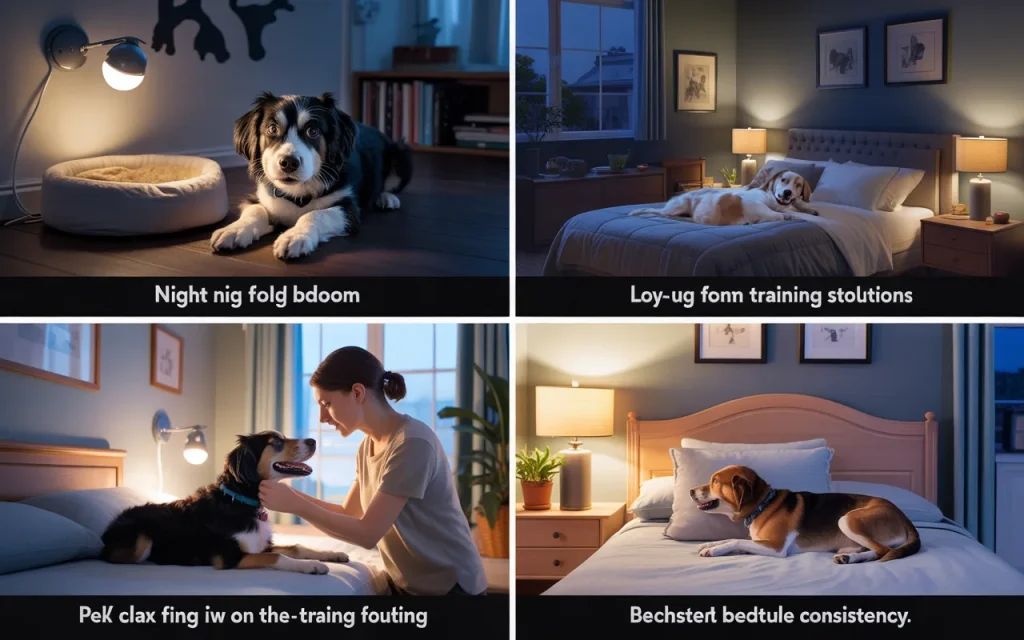
Learning how to stop dog barking at night takes time and love. Your dog wants to please you. They just need your help to learn. Start with exercise and a calm routine. Make their bed comfy and safe. Block their view of outside noises. Use white noise to help them relax. Teach them the quiet command with treats. Be patient and kind every step of the way. If you need help, ask your vet or a trainer. They can give you more ideas that fit your dog.
Remember that every small win counts. A slightly quieter night is progress. Your dog is learning. You are learning too. Soon your home will be peaceful at night. You and your dog will both sleep better. A well-rested dog is a happy dog. A well-rested owner is a happy owner. You can do this. Start tonight with one small change. Your quiet nights are waiting.
Related posts
 Buy Dog Toys Online: Top 2026 Picks for Every Play Style
Looking to buy dog toys online? Explore our 2026 guide to the best durable chews, interactive balls, and plush favorites to keep your pup happy and…
 Buy Dog Food Online: Top 2026 Selections for Every Breed
Looking to buy dog food online? Explore our top 2026 recommendations for dry and wet formulas tailored to different breed sizes, sensitivities, and nutritional needs. Choosing…
 Buy a Dog Harness Online in 2026
Looking to buy a dog harness online? Explore our 2026 guide to finding the right fit, style, and control features for your dog's daily walks. Finding…