
How Long Do Brake Rotors Last
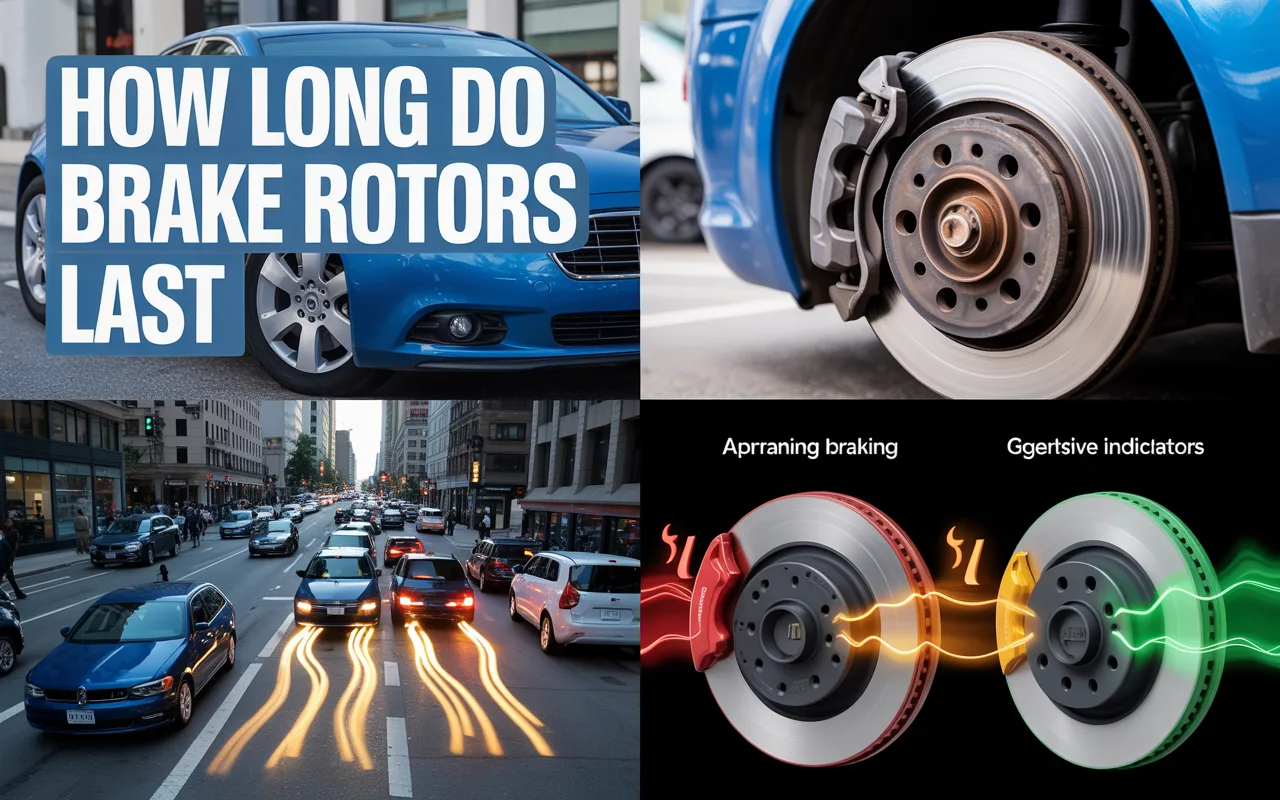
Learn how long do brake rotors last based on your driving habits and vehicle type. Discover the 30,000 to 70,000 mile average and the signs that mean it is time for a replacement.
Have you ever pressed your brake pedal and felt something just feel off? Maybe a little shake or a strange noise? That feeling usually points to your brake rotors. These flat metal discs are the parts your brake pads grab onto to stop your car. They work hard every time you drive.
So, how long do brake rotors last? It is a common question with no single number answer. Some drivers get 30,000 miles from a set. Others go 70,000 miles or more. The truth depends on you. Your driving style, where you live, and the parts you buy all play a role. Let’s look at what affects rotor life and how you can tell when yours are done.
I have worked with brakes for many years. I know that catching problems early saves money and keeps you safe. This guide will help you understand your rotors better. You will learn what to watch for and when to act. No complicated jargon here, just straight talk about one of your car’s most important safety parts.
What Exactly Are Brake Rotors and What Do They Do?
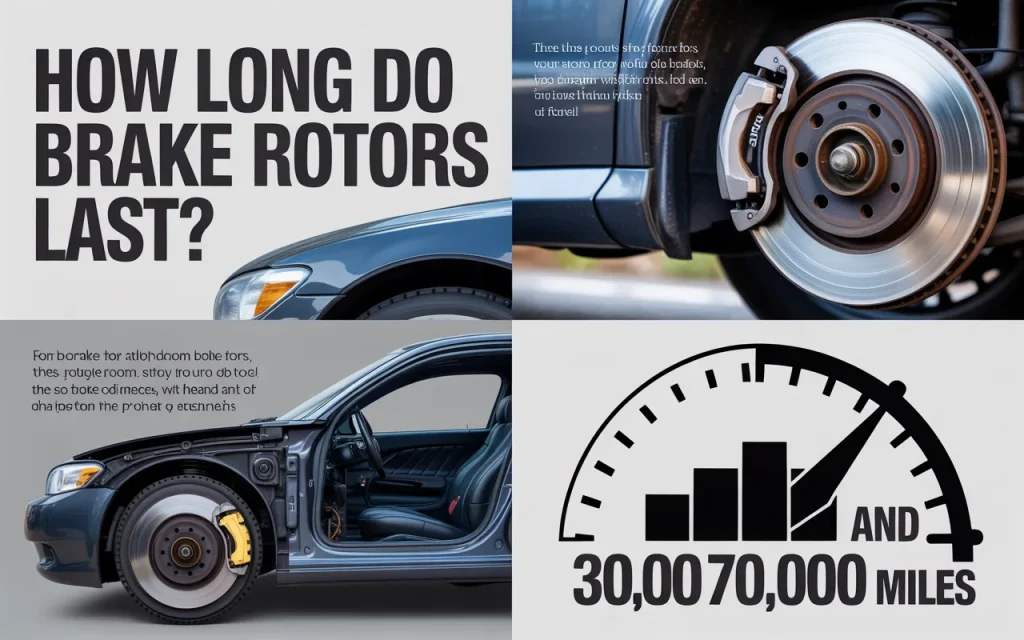
Before we answer how long do brake rotors last, we need to understand what they are. Think of your brake rotor as a heavy steel plate attached to your wheel. It spins along with the tire as you drive down the road.
When you hit the brakes, your caliper squeezes two brake pads against that spinning rotor. The friction between the pads and the rotor slows the wheel down. That friction stops your car. It also creates a lot of heat. Rotors must handle that heat thousands of times without failing.
Most cars use simple steel rotors. They work fine for daily driving. Some performance cars use fancy carbon-ceramic rotors that cost more but last longer. Unless you drive a supercar, you likely have standard steel rotors. Those are the ones we will focus on here.
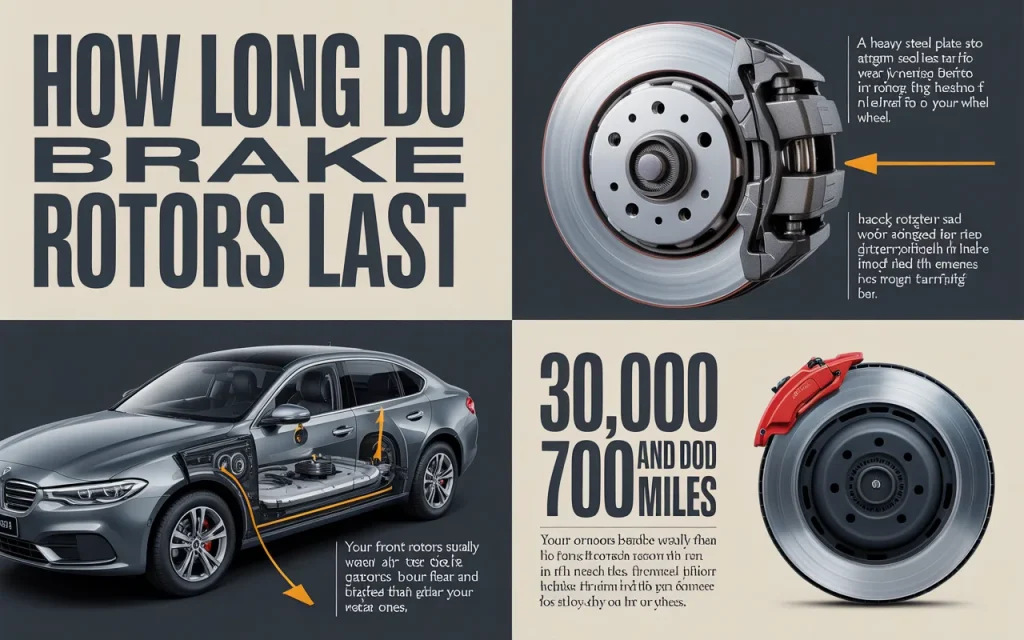
Your front rotors usually wear out faster than the rear ones. The front of your car does most of the stopping work. When you brake hard, weight shifts forward. That puts extra stress on the front brakes. Keep that in mind as we talk about lifespan.
How Long Do Brake Rotors Last on Average?
Now to the main question: how long do brake rotors last? Most drivers can expect their rotors to last between 30,000 and 70,000 miles . That is a wide range because everyone drives differently.
Here is a simple breakdown of what affects that number:
| Driving Condition | Expected Rotor Lifespan |
|---|---|
| Mostly highway driving with gentle stops | 50,000 – 70,000 miles |
| Mixed city and highway driving | 40,000 – 60,000 miles |
| Heavy city traffic with constant stop-and-go | 30,000 – 45,000 miles |
| Aggressive driving or towing heavy loads | 20,000 – 35,000 miles |
Newer cars often have thinner rotors than older models. Car makers try to save weight to improve gas mileage. Thinner rotors can mean shorter lifespans . They just do not have as much metal to wear away over time.
The good news is that rotors usually last longer than brake pads. You might go through two or three sets of pads before you need new rotors. But that depends on how you treat them.
“Brake rotors tend to wear longer than brake pads, commonly at a rate of two-to-one, but should be checked at every maintenance and service your car receives.” – Annie, Hawk Performance
Five Big Factors That Change How Long Brake Rotors Last
Your Driving Style Matters Most
The single biggest factor in how long do brake rotors last is you. Drivers who brake hard and late wear out parts fast. If you wait until the last second to stop, you create extra heat. Heat is what damages rotors over time.
Smooth driving is easier on your whole brake system. Look ahead at traffic. Let off the gas early. Brake gently when you can. Your rotors will thank you by lasting longer.
How Long Do Brake Rotors Last. Riding the brakes down a long hill also hurts them. That constant light pressure builds heat without letting things cool. If you live in a hilly area, try using lower gears to help control your speed. That takes some load off the brakes.
Where You Drive Changes Everything
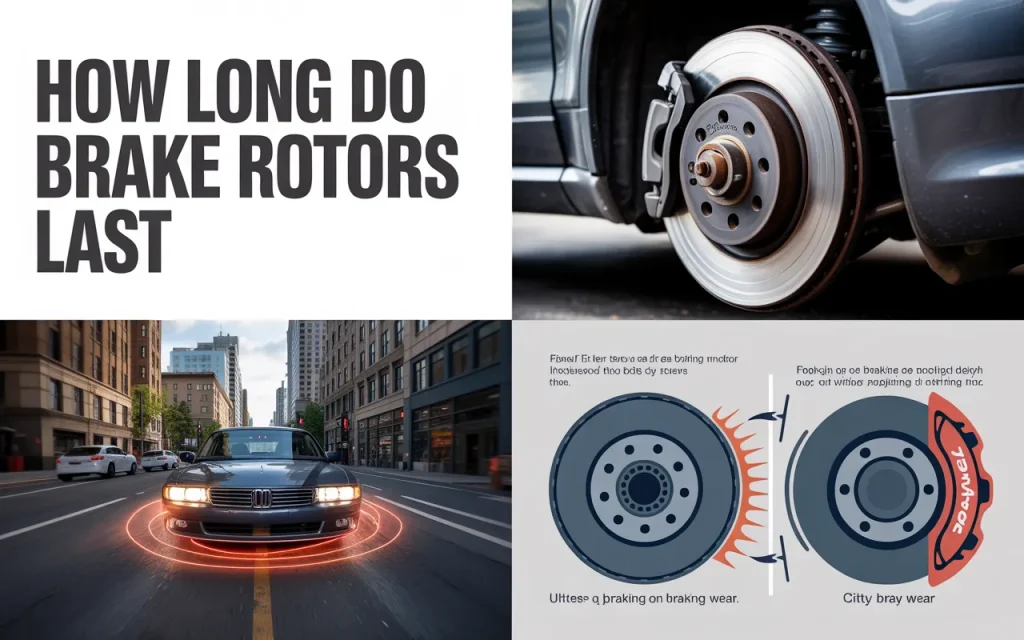
City driving is tough on brakes. You stop at every light and sign. The constant starting and stopping never lets the rotors cool down. Heat builds up and stays there.
Highway driving is much easier. You use the brakes less often. The rotors have time to cool between stops. Someone who drives mostly open roads will always get more miles from their rotors than a city driver .
Weather matters too. Places that use road salt in winter can cause rotors to rust faster. Rust itself is not always a problem. Surface rust rubs off when you drive. But deep pitting from rust can ruin a rotor.
The Quality of Your Parts Counts
Not all rotors are created equal. Cheap rotors use lower quality metal. They might warp sooner or wear unevenly. Spending a little more on good rotors often saves money in the long run.
Brand names matter here. Parts store brands can work fine. But known brake manufacturers usually use better materials. They test their products more. That means more consistent performance and longer life .
Your brake pads also affect rotor life. Some pad materials are harder on rotors than others. Cheap pads might stop fine but eat away at your rotors faster. It pays to match good pads with good rotors.
Your Vehicle Weight Plays a Role
Heavier vehicles put more stress on brakes. A big SUV or truck needs more force to stop than a small car. That extra force means more heat and wear. If you drive a heavy vehicle, expect to replace rotors more often .
Towing makes this worse. Pulling a trailer or boat adds even more weight. The brakes must work harder every time you stop. If you tow regularly, check your rotors more frequently.
Maintenance Habits Extend Life
The best way to get the most from your rotors is simple maintenance. Have your brakes inspected at every oil change. A quick look can catch problems early.
When you hear noises or feel vibrations, do not wait. Small issues become big ones if you ignore them. A slightly warped rotor can damage new pads quickly. Fixing things early saves money.
“Regular maintenance and inspections are key to extending rotor life. This includes ensuring your brake pads are replaced before they wear down completely.” – Tsukasa Azuma, Car From Japan
Clear Signs Your Brake Rotors Need Replacement
Vibration and Pulsation in the Pedal
One of the most common signs of bad rotors is a shaking brake pedal. When you press down, you might feel a pulsing sensation. It can feel like the pedal is pushing back against your foot .
This usually means the rotor surface is no longer flat. People often call this “warped rotors.” The technical term is thickness variation. The rotor has worn unevenly. As it spins, the brake pads hit high and low spots. That creates the pulsing feel.
Sometimes you feel this vibration in the steering wheel too. That usually means the front rotors are the problem. A shaking steering wheel when braking is a clear sign to get things checked.
Strange Noises When Braking
Your brakes should be quiet. If you hear noises, something is wrong. Grinding sounds are the worst. That means metal is rubbing against metal. Your pads are completely gone and the rotor is being damaged .
Squealing can mean a few things. Some brake pads have built-in wear indicators. These are small metal tabs that squeak when the pad gets thin. If you hear a constant squeal, check your pads soon.
Screeching or scraping sounds also point to problems. Debris can get stuck between the pad and rotor. Rust buildup can cause noise too. Any new sound deserves attention.
Visible Damage on the Rotor Surface
Sometimes you can see problems just by looking. Take a close look at your rotors through the wheel spokes. You are looking for several things .
Deep grooves or score marks are bad. These happen when debris gets trapped or when pads wear down to metal. If you can feel deep grooves with your fingernail, the rotor is likely done.
Cracks are serious. Small hairline cracks from heat are called heat checking. These can be normal in some situations. But cracks that reach the edge of the rotor mean replace it now .
Blue spots on the rotor mean extreme heat. The metal has gotten so hot it changed color. That heat can make the rotor weak and unreliable.
| Symptom | What It Means | What To Do |
|---|---|---|
| Pulsing brake pedal | Uneven rotor surface (thickness variation) | Inspect rotors, measure thickness |
| Grinding noise | Metal-on-metal contact | Immediate replacement needed |
| Deep grooves | Pad wear or debris damage | Replace rotors |
| Visible cracks | Heat stress or fatigue | Replace immediately if cracks reach edge |
| Blue discoloration | Severe overheating | Replace rotors |
Longer Stopping Distances
Pay attention to how your car stops. If it takes more distance to stop than before, something is wrong. Worn rotors cannot grab as well as fresh ones. They lose friction over time.
This change happens slowly. You might not notice at first. Compare how your car stops now to how it felt when new. If stopping feels weak or slow, get your brakes checked.
Rust That Will Not Go Away
Some rust on rotors is normal. If your car sits overnight, a thin layer of rust forms. That rust rubs off after a few stops. It is no big deal.
The problem comes when rust eats into the metal. If your car sits for long periods, rust can pit the rotor surface. Deep pitting creates rough spots. Those rough spots wear pads faster and reduce braking power .
If rust has taken over, replacement is the only fix.
Should You Replace Rotors Every Time You Change Pads?
This is a question I hear all the time. The answer is not simple. It depends on your rotors.
When you can keep your rotors:
If your rotors are smooth and within thickness specs, you can keep them. The surface should be flat with no deep grooves. Measure the thickness with a simple tool. Compare that to the minimum thickness number stamped on the rotor .
If they check out, new pads will work fine. Just make sure the rotors are clean and true.
When you should replace rotors:
Replace rotors if they are worn thin. Every rotor has a minimum thickness number. Once they hit that, they cannot safely handle heat anymore. Thin rotors can crack or fail.
Replace rotors that are warped or damaged. If you feel pulsing, the rotor surface is uneven. Even if they measure thick enough, the pulsation will not go away with new pads. The problem is already there.
Replace rotors with deep grooves. Grooves create gaps between pad and rotor. That means less stopping power. New pads cannot fix that .
“Replacing a rotor without replacing the brake pads can lead to premature damage to the rotor and brake pads are not expensive to replace, so it makes sense to replace them at the same time.” – AutoZone
If you do replace rotors, always do both sides on the same axle. Do both fronts together or both rears together. Mixing old and new can cause uneven braking.
Quick Reference: Rotor Lifespan and Replacement Guide
| Factor | Good For Rotors | Bad For Rotors |
|---|---|---|
| Driving style | Smooth, gradual stops | Hard, late braking |
| Terrain | Flat highways | Hills and mountains |
| Traffic | Open roads | Stop-and-go city driving |
| Vehicle load | Normal passenger use | Towing or heavy cargo |
| Parts quality | Premium rotors and pads | Cheap, low-quality parts |
| Maintenance | Regular inspections | Ignoring noises and vibrations |
Frequently Asked Questions
Can rotors last 100,000 miles?
Yes, it is possible but not common. A very gentle driver on highway roads might reach 100,000 miles. Most people will need new rotors sooner. Aggressive driving or heavy traffic will cut that number in half.
How do I know if my rotors are bad without removing the wheel?
You can check a few things without taking anything apart. Feel for vibration in the pedal or steering wheel when braking. Listen for grinding or squealing noises. Look through your wheel spokes at the rotor surface. If you see deep grooves, blue spots, or big rust areas, they likely need replacement.
Is it safe to drive with warped rotors?
Driving with warped rotors is not ideal. The car still stops, but not as well as it should. The bigger risk is damage to other parts. Warped rotors can wear out new pads fast. They can also put stress on calipers. Get them checked soon. Do not wait until they get worse.
Do I need to replace all four rotors at once?
No, you can replace just the fronts or just the rears. The front brakes wear out faster. You might do fronts twice before rears need attention. But always replace both sides on the same axle. Do both fronts together or both rears together.
Can I just replace the pads and not the rotors?
Yes, if the rotors are in good shape. Check for smooth surfaces and proper thickness. If they look good and stop well, new pads are fine. If you have any doubt, have a mechanic measure them. It is better to know for sure.
How much does it cost to replace rotors?
Costs vary by vehicle. Basic rotors for a common car cost $40 to $80 each . Labor adds more. A full brake job with pads and rotors on one axle usually runs $300 to $800 depending on the shop and car . Performance cars cost more.
Conclusion
So, how long do brake rotors last? Most drivers get between 30,000 and 70,000 miles from a set. Your results will depend on how you drive, where you live, and the quality of parts you use. City drivers with heavy traffic will replace rotors sooner. Highway drivers who brake gently will get more miles.
The key takeaway is simple. Pay attention to your brakes. Feel for changes in the pedal. Listen for new noises. Look at your rotors when you can. Catching problems early saves money and keeps you safe.
When you do need new rotors, buy good ones. Match them with quality pads. Have them installed correctly. Your brakes are the most important safety system on your car. They deserve proper care.
If you feel any vibration, hear any grinding, or notice longer stopping distances, get your brakes checked. A simple inspection can tell you everything you need to know. Do not wait until the problem gets worse. Your safety is worth a few minutes of checking.
Related posts
 Best Transmission Jack Options for 2026 Shop Projects
Find the best transmission jack options for your garage. We compare top-rated hydraulic and floor-style lifts to help you choose the right tool for your vehicle…
 Best Ratchet Wrench Set Options for 2026
Looking for the best ratchet wrench set? We compare top-rated socket and wrench kits to help you choose the right tools for your home or auto…
 Best Wire Crimping Tool for Automotive Wiring in 2026
Find the best wire crimping tool for automotive wiring. We compare five top-rated hand tools to help you choose the right fit for your vehicle projects.…